

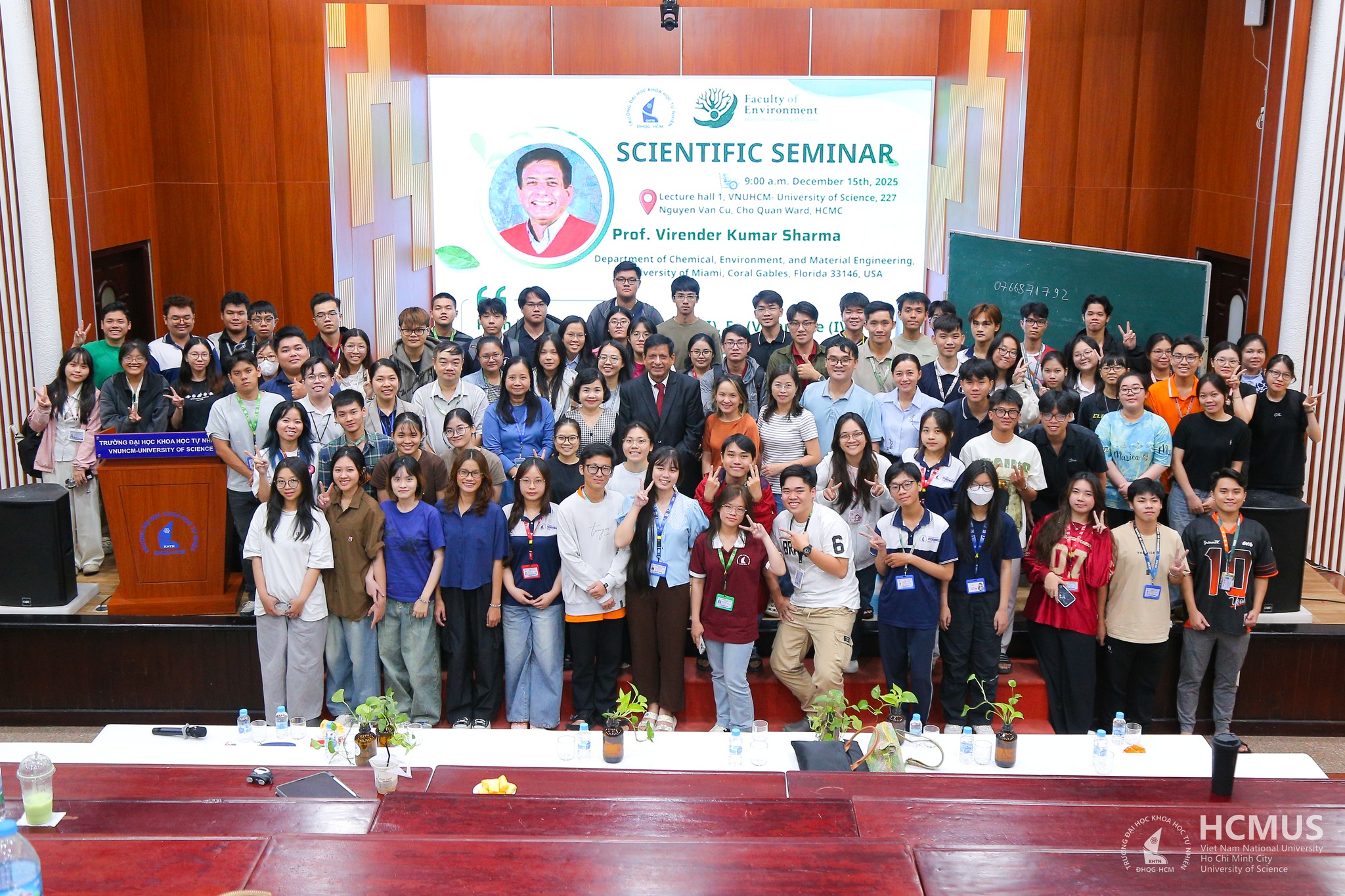
On 15 December, the Faculty of Environment at VNUHCM-University of Science (HCMUS) successfully convened a scientific seminar entitled “High-Valent Iron Species (Fe(VI), Fe(V), and Fe(IV)) in Water Sustainability and Public Health”.
The assembly was privileged to host Professor Virender Kumar Sharma from the University of Miami (USA). Recognised as a Top 1% Highly Cited Researcher by Clarivate, Professor Sharma possesses a formidable H-Index of 109 alongside in excess of 470 international publications. In addition to maintaining the global record for the highest volume of publications concerning Ferrate, the Professor serves as a Fellow of pre-eminent scientific bodies, notably the Royal Society of Chemistry (RSC) and the American Chemical Society (ACS). During the proceedings, the Professor disseminated the most recent advancements regarding environmental chemistry to faculty members and students, thereby reinforcing the stature of pioneering research in resolving global challenges related to water contamination and disease.
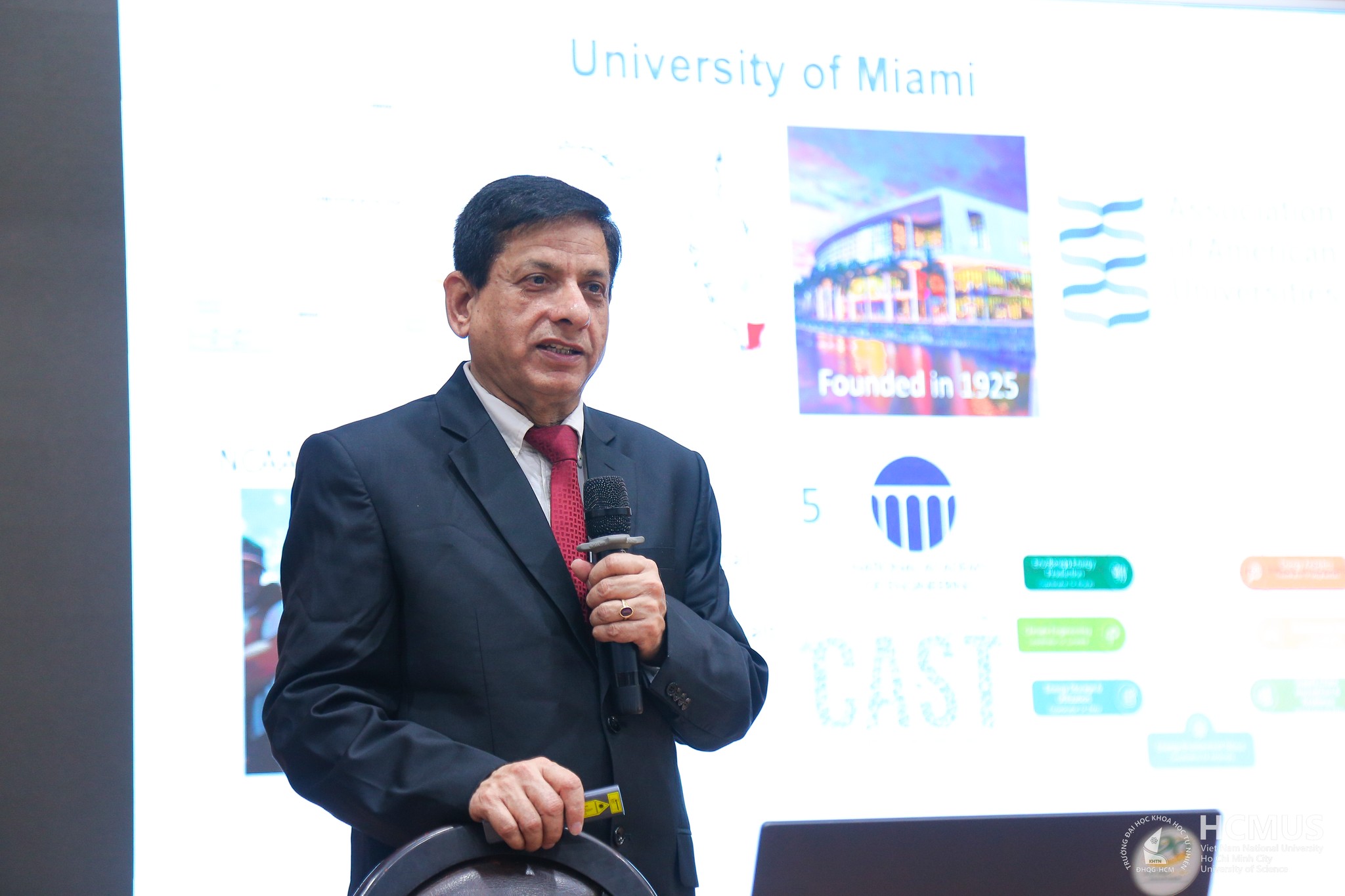
The scientific discourse centred principally upon “Activated Ferrate” technology. Professor Sharma expounded upon the reaction mechanism of Iron molecules in high oxidation states (Fe(VI)), demonstrating the capacity to effectuate oxidation, coagulation, and disinfection concurrently, free from the generation of deleterious by-products. The presentation emphasised the virtues of Ferrate as a “green” material, capitalising upon the natural abundance of this element.
The novelty inherent in this research lies within the activation of Ferrate to yield highly reactive intermediate species (Fe(V) and Fe(IV)), thereby abbreviating the remediation duration for persistent pollutants and drug-resistant microorganisms from hours to mere seconds. This technology has evinced practical efficacy in the elimination of antibiotic residues and pesticides, the coagulation of toxic heavy metals including Arsenic and Lead, and the eradication of hazardous viruses and bacteria (such as SARS-CoV-2 and Clostridium difficile) within wastewater and upon medical equipment surfaces. Alongside water treatment solutions, the seminar encompassed novel material research trajectories, specifically Metal-Organic Frameworks (MOFs) and Single Atom Catalysts, for the degradation of emerging contaminants and microplastics.
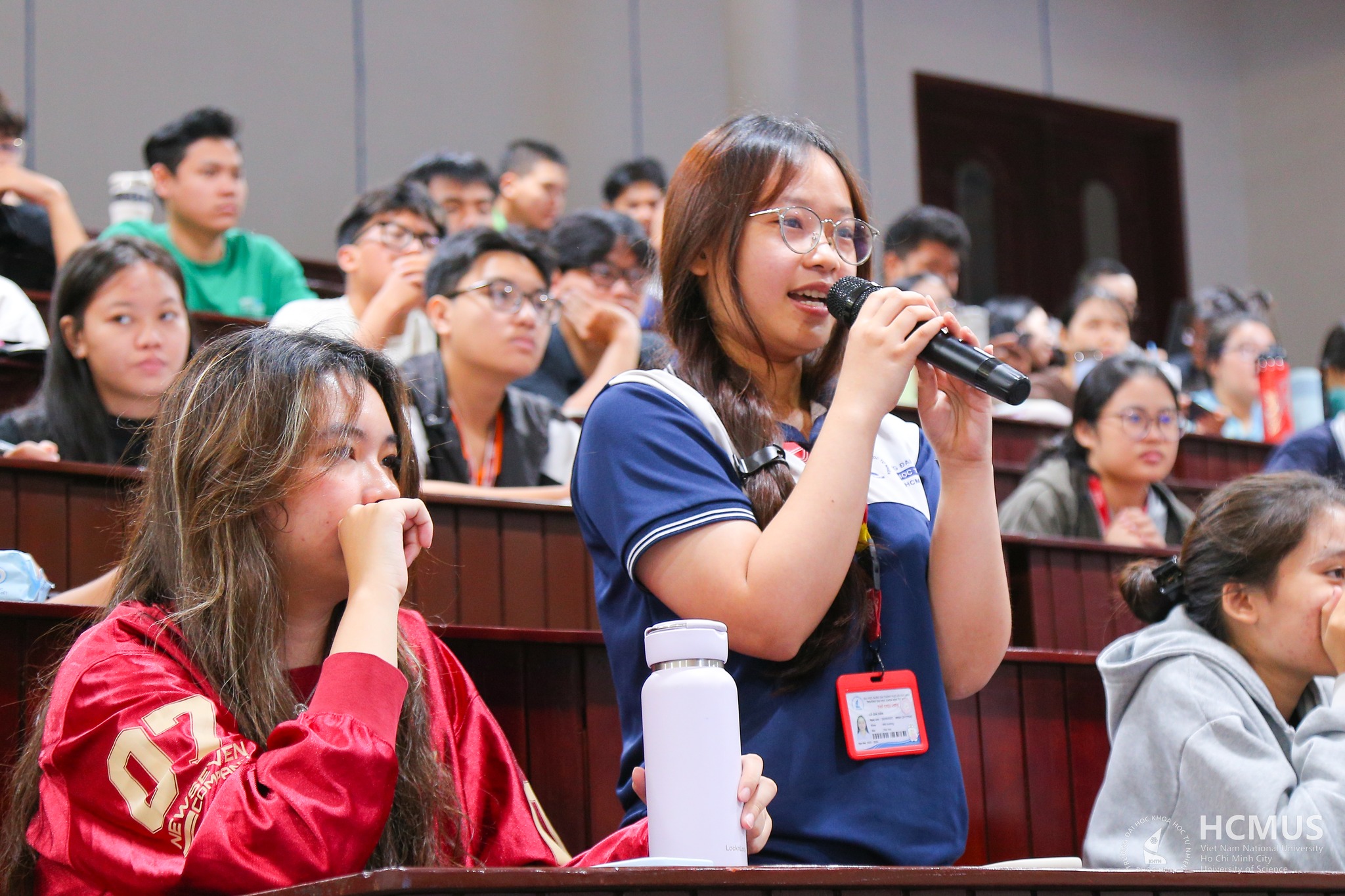
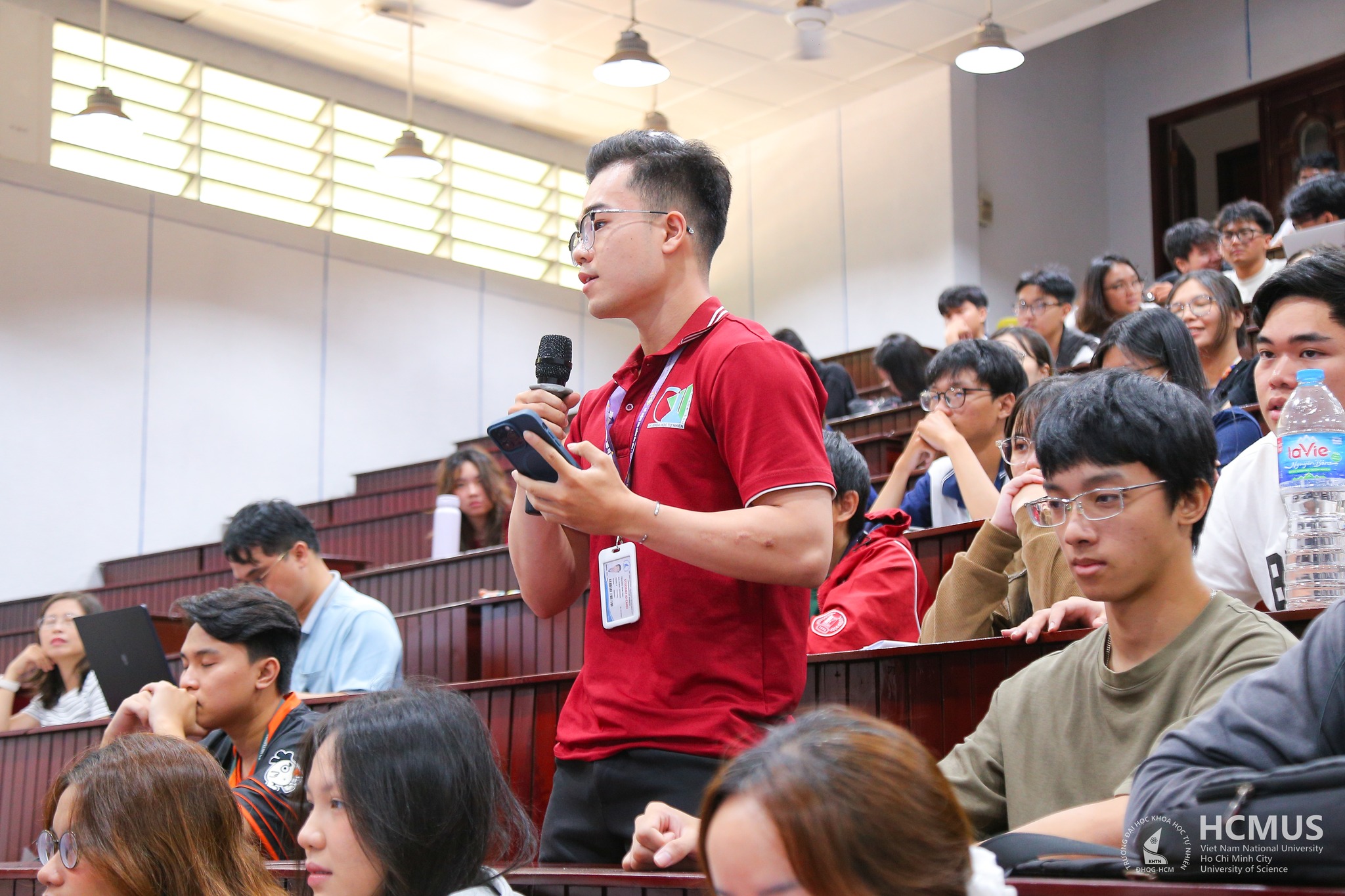
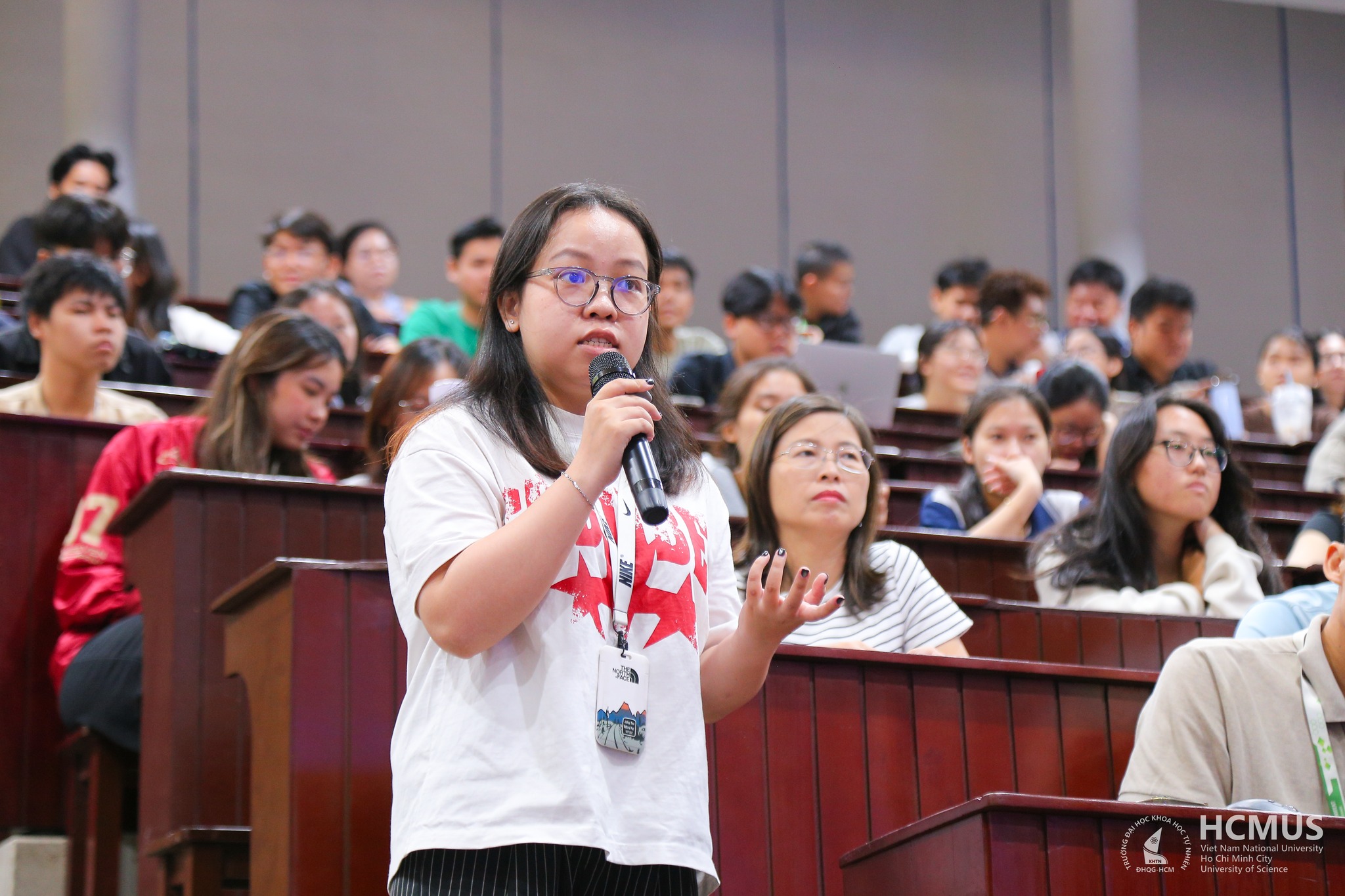
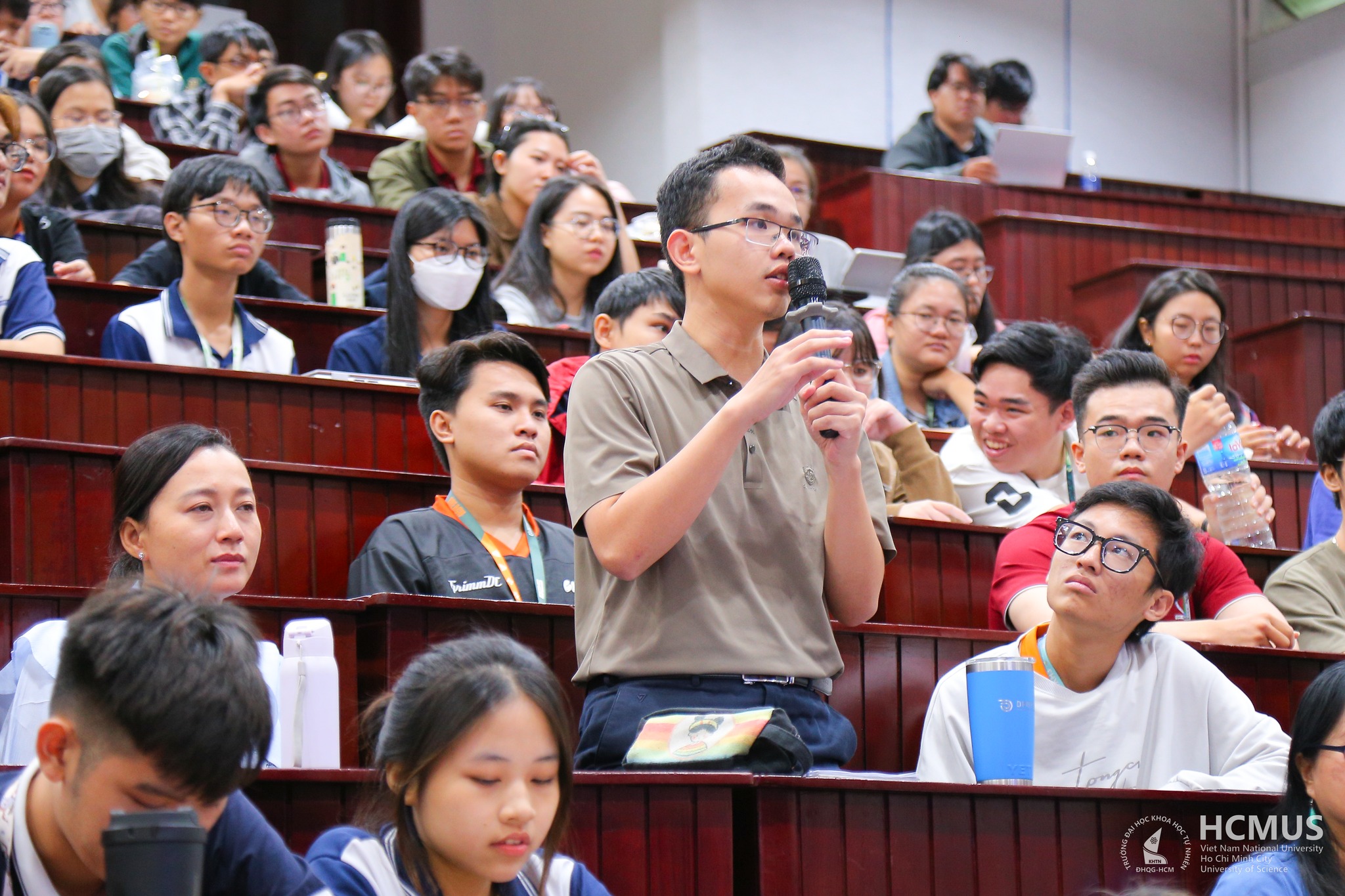
The event attracted a distinguished gathering of lecturers, doctoral candidates, and students possessing a profound interest in green chemistry and environmental treatment technology.
Throughout the address, Professor Sharma consistently highlighted the philosophy of “Saving Lives even One Life”, regarding this aphorism as the cardinal tenet for applied research. To the Professor, science exists not merely as data within a laboratory but must provide tangible remedies to safeguard human health and environmental integrity. The seminar constituted an invaluable opportunity for scientists, lecturers, and students at HCMUS to assimilate state-of-the-art knowledge, whilst simultaneously establishing avenues for future international research cooperation.
Leave a Reply