

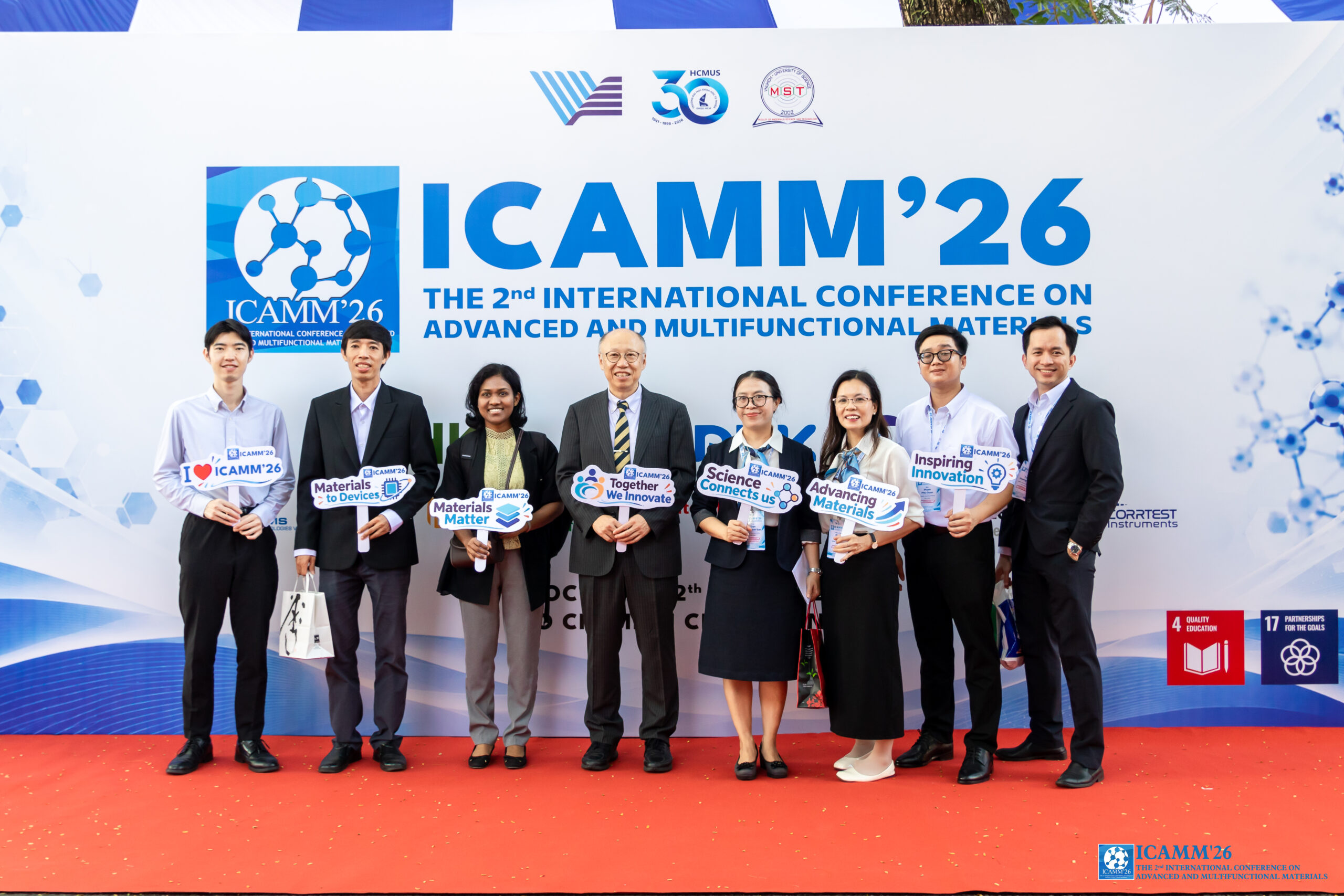
On 12 October, the 2nd International Conference on Advanced and Multifunctional Materials (ICAMM’26) opened at VNUHCM–University of Science (HCMUS). The conference brought together scientists, experts and research groups from Viet Nam and overseas to share research findings, exchange new approaches and explore the potential applications of advanced materials in semiconductors, energy, the environment and biomedicine.
Materials science plays a vital role in the development of a wide range of technologies, from electronic components and energy storage devices to biosensors and environmental protection solutions. Advances in materials fabrication, analytical techniques and atomic-scale modelling are creating new opportunities to investigate and design material systems with properties tailored to an increasingly diverse range of applications.
Reflecting this direction, the 2nd International Conference on Advanced and Multifunctional Materials (ICAMM’26) focused on semiconductor materials and devices; advanced materials for sustainable development; and the application of computational methods, machine learning and artificial intelligence in materials science. Over the two main conference days (12–13 October), researchers presented a range of findings that demonstrated how materials science is increasingly bringing together fundamental research, technological development and practical applications.
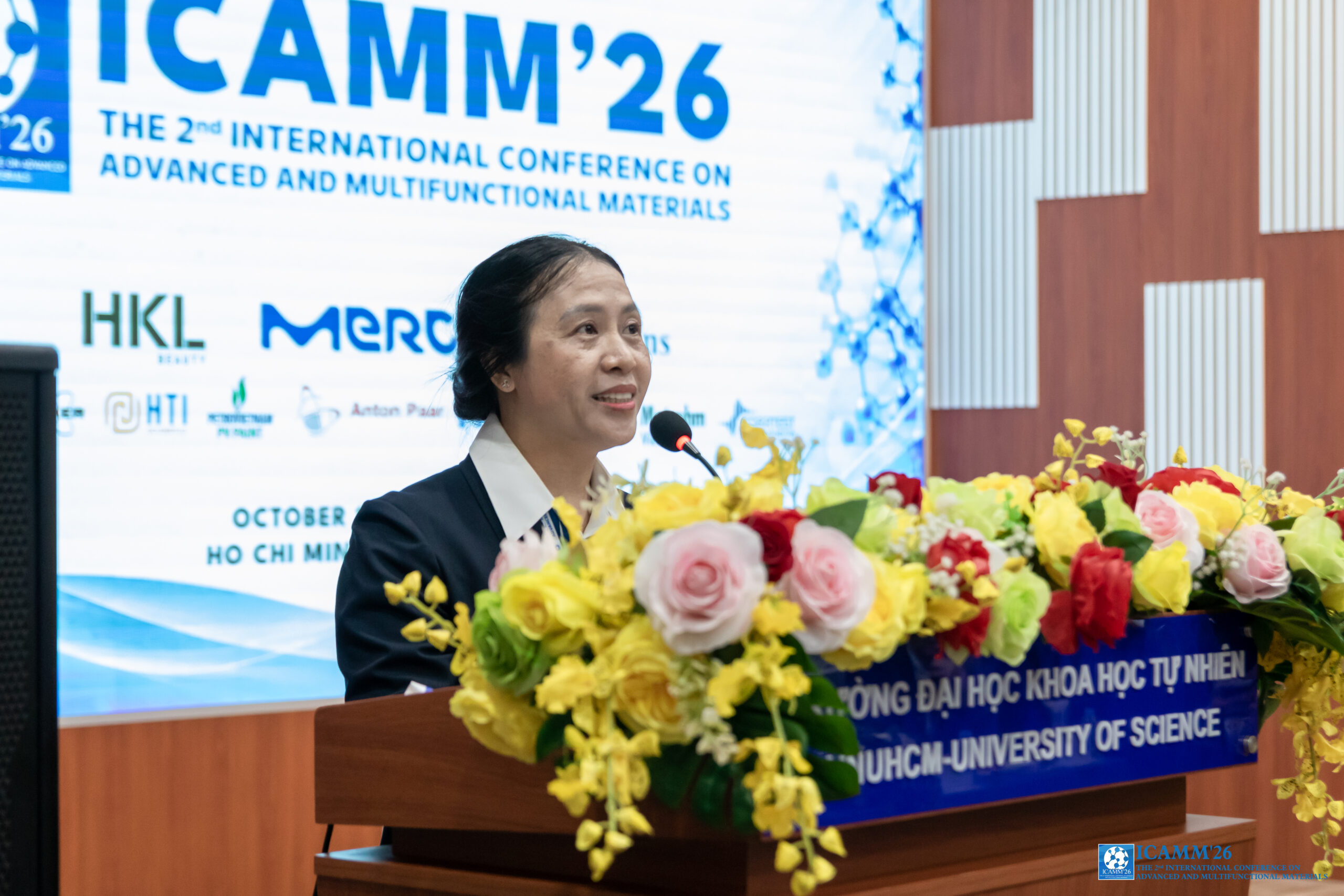
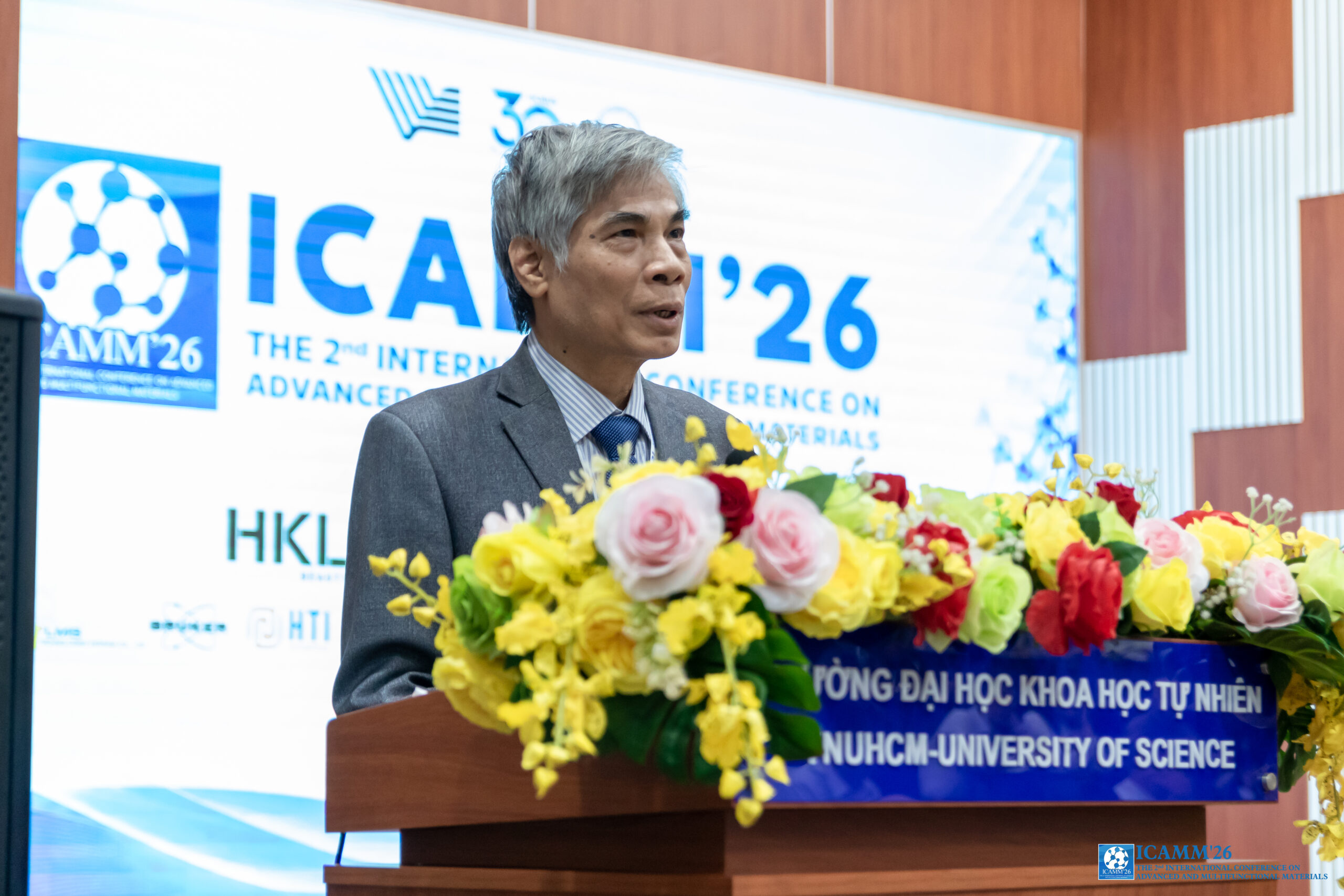
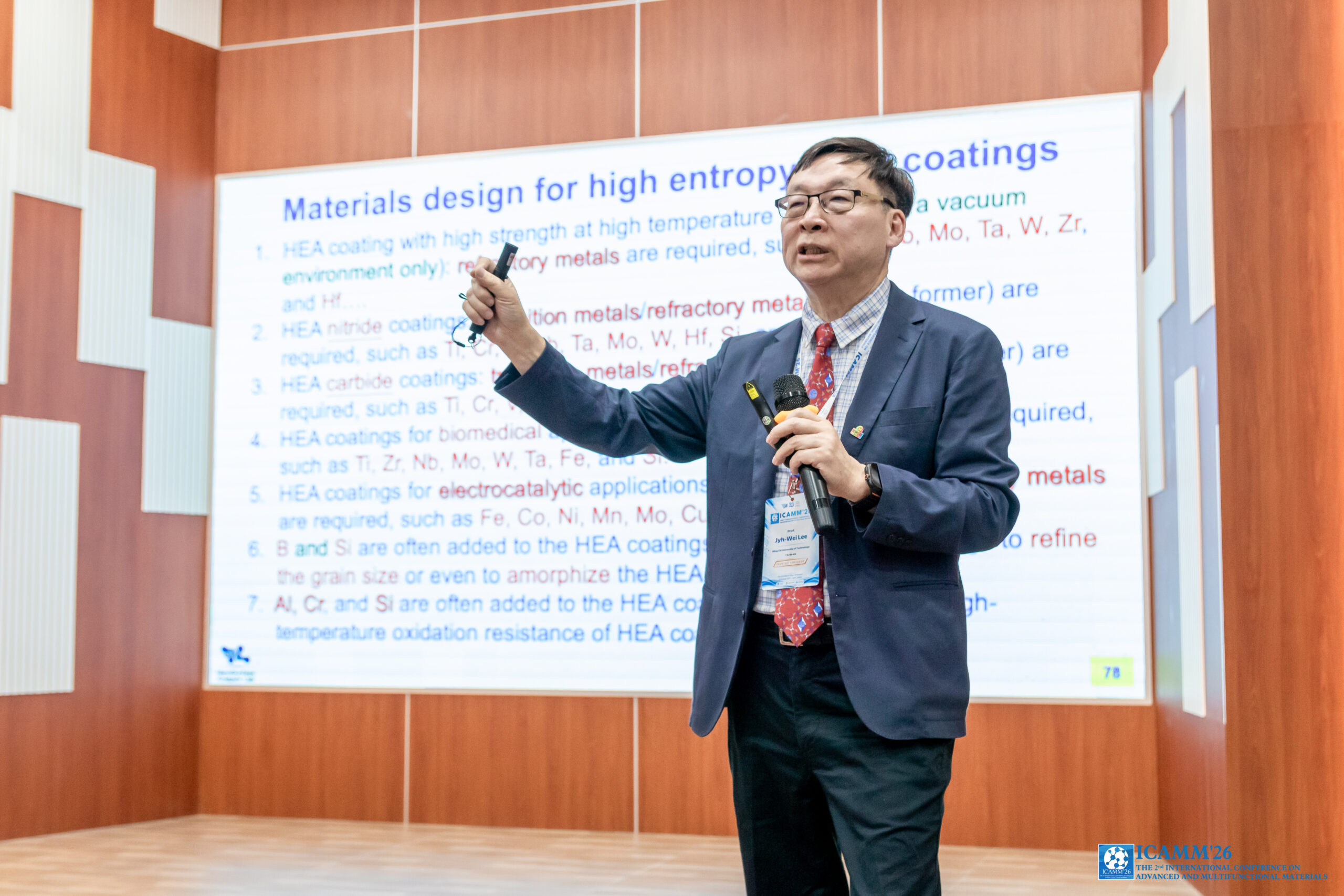
In semiconductor and electronics research, presentations explored high-entropy alloys, thin-film technologies and advanced surface analysis techniques. These research directions are important for understanding the relationships between material structure, composition and properties, thereby informing the design and fabrication of technological components and devices with improved performance.
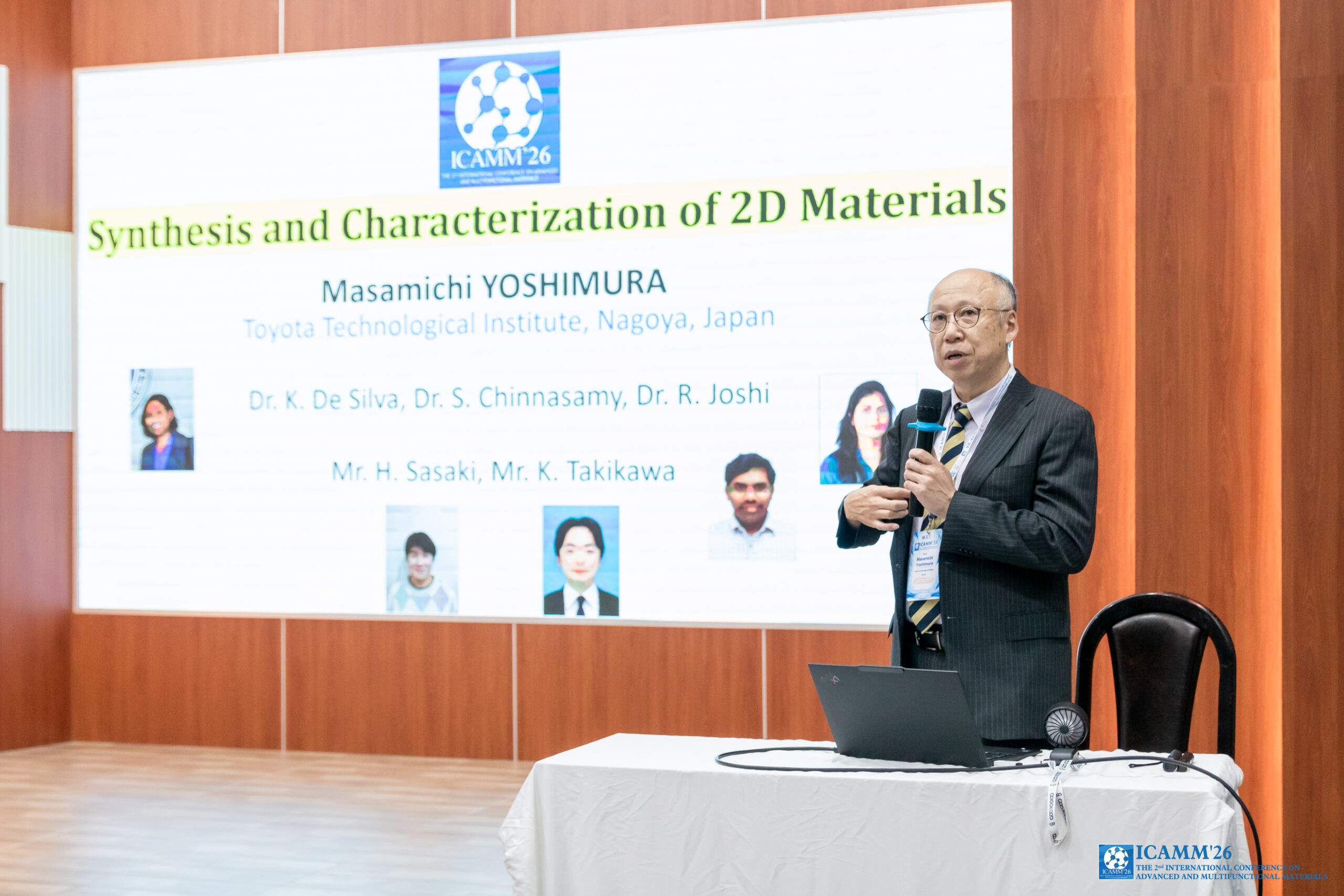
Graphene and other two-dimensional materials also attracted considerable research interest, owing to the distinctive physical properties that emerge when materials are reduced to atomic-scale thicknesses. Research in this area offers promising applications in optoelectronics, sensing and quantum devices, while raising fundamental scientific questions concerning structural control, electronic properties and the integration of these materials into functional devices.
In biomedicine, the conference featured research into biosensors that exploit interactions between light and nanomaterials, with the aim of detecting biomarker molecules with high sensitivity.
Beyond electronics and healthcare, advanced materials were also examined in the context of sustainable development. Presentations covered research into CO₂ capture materials, battery recycling, materials for biomedical devices, smart windows, infrared optical technologies and atomic-scale materials modelling.
Of particular note, collaborative research between the Faculty of Materials Science and Technology at HCMUS and Japanese scientists introduced chalcogenide glass optical fibres capable of transmitting mid-infrared images at high resolution, opening up potential applications in thermal imaging and molecular information detection.
Alongside advances in materials fabrication and characterisation, artificial intelligence and machine learning are emerging as important approaches in contemporary materials research. By combining data with atomic-scale simulations and computational methods, scientists can investigate material structures, predict selected properties and screen promising candidates before proceeding to experimental validation. This approach helps improve the efficiency of discovering, designing and optimising new materials.
Alongside the thematic presentation sessions, the poster session provided a platform for researchers, lecturers and students to present their findings, exchange methodologies and engage in direct discussions with fellow specialists. The work on display covered a broad range of topics, including semiconductor materials, energy storage materials, environmental technologies, biomaterials, optics and the application of machine learning to predicting material properties.
Held for the second time at VNUHCM–University of Science, ICAMM continues to strengthen international academic engagement in materials science. For the Faculty of Materials Science and Technology, the conference provides an opportunity to advance scholarly exchange, strengthen the links between education and cutting-edge research, and expand collaboration in the development of new materials to address the evolving needs of science, technology and sustainable development.
Leave a Reply