

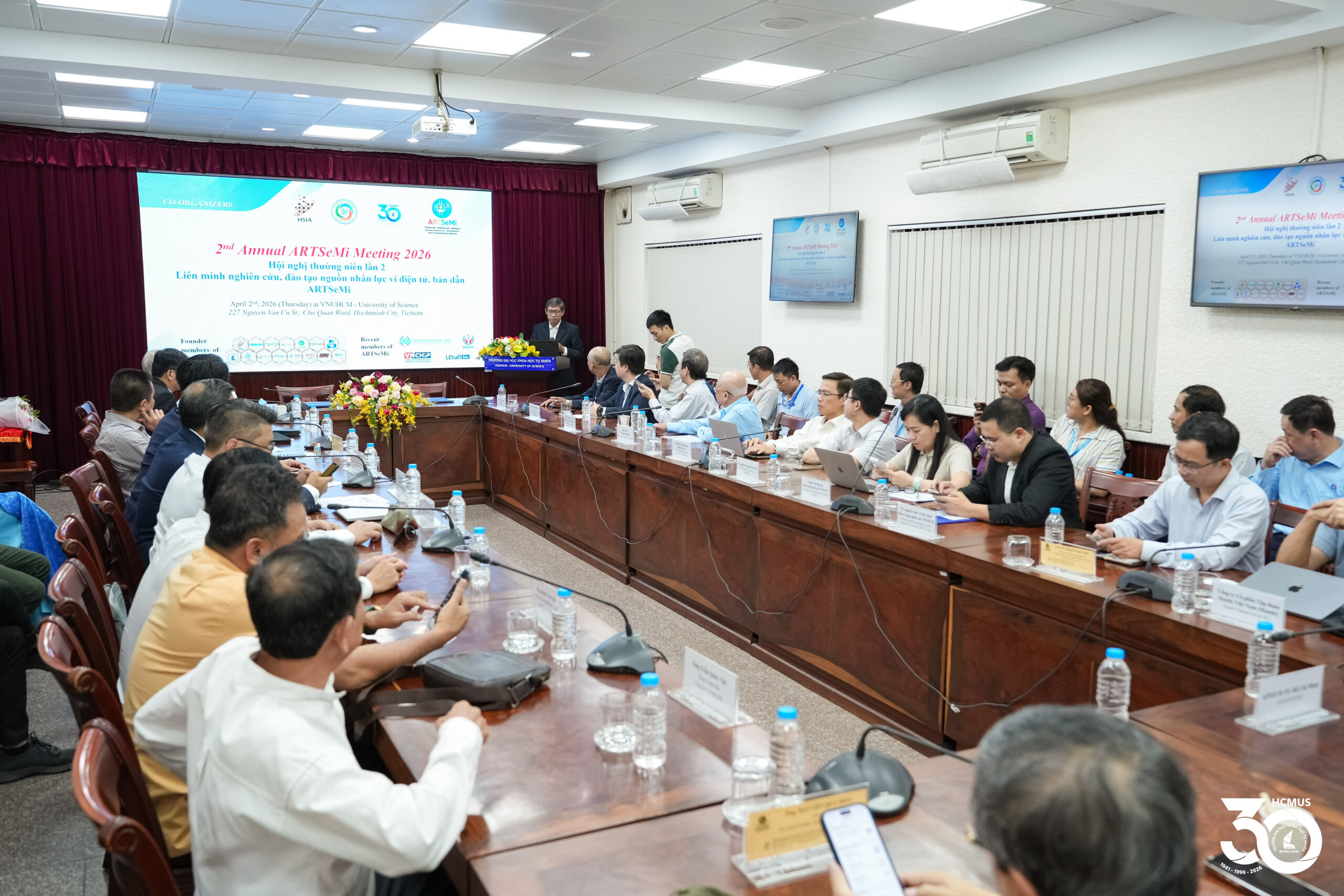
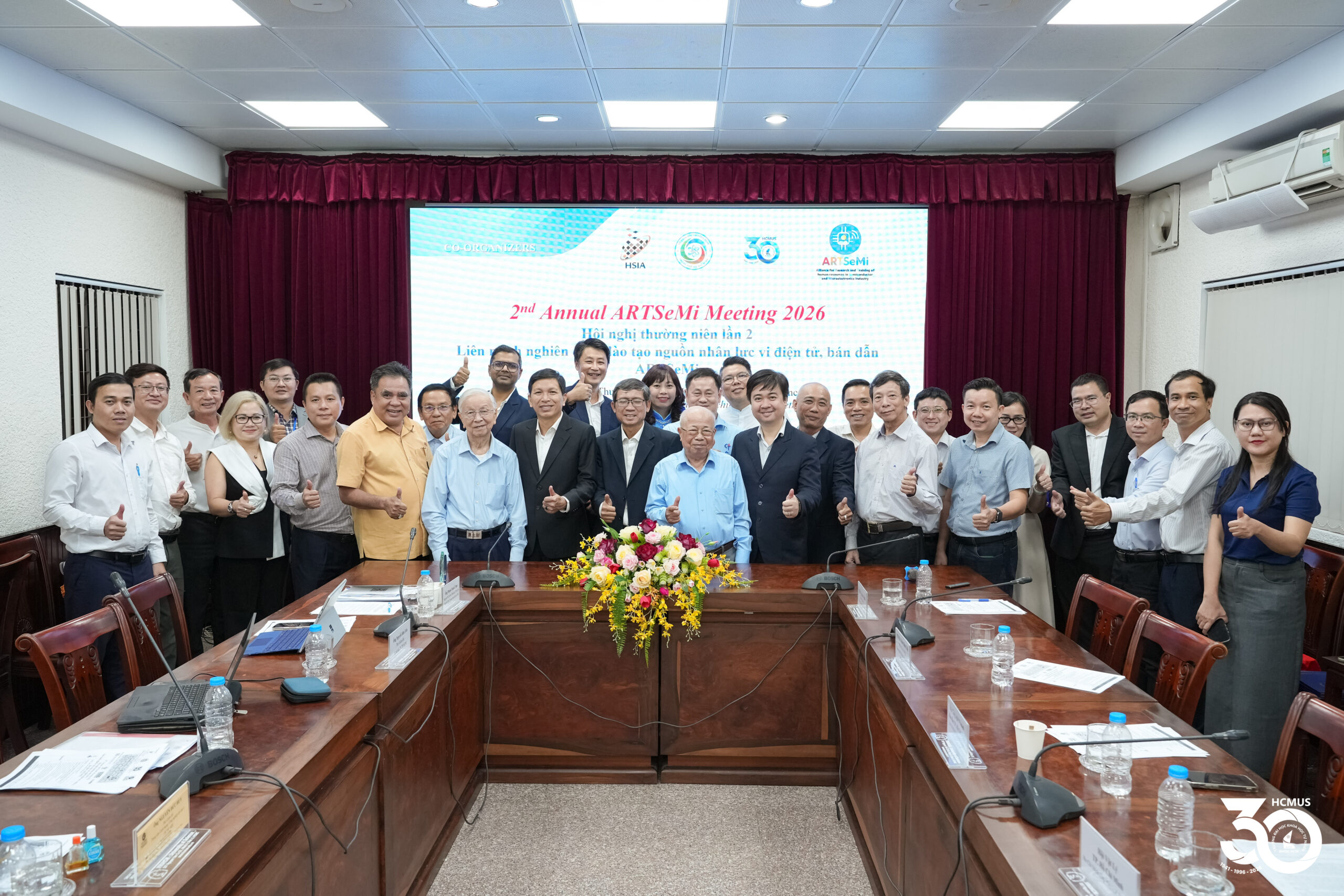
On the afternoon of 2 April 2026, the Alliance for Research and Training in Microelectronics and Semiconductors (ARTSeMi) convened the Second Annual Conference 2026 at VNUHCM–University of Science (HCMUS).
The conference welcomed a distinguished assembly of delegates from regulatory bodies, science and technology organisations, academic institutions, industry partners, and international collaborators. Representing HCMUS were Associate Professor Trần Minh Triết, Vice President of the University, alongside leaders from relevant departments and faculties.
Distinguished guests included Mr Phạm Chánh Trực, former Deputy Secretary of the Ho Chi Minh City Party Committee and former Deputy Head of the Central Economic Commission; Professor Nguyễn Văn Phước, Chairman of the Union of Science and Technology Associations of Ho Chi Minh City; Mr Lâm Đình Thắng, Director of the Department of Science and Technology of Ho Chi Minh City; Mr Nguyễn Hữu Yên, Deputy Director of the Department of Science and Technology of Ho Chi Minh City; Associate Professor Nguyễn Văn Hiếu, Chairman of HSIA and Chairman of ARTSeMi for the 2025–2026 term; Dr Trịnh Xuân Thắng, Director of SHTP Labs and Vice-Chairman of ARTSeMi; Mr Lê Trường Duy, Director of HCMC4IR; Mr Đặng Tấn Đức, Director of the Becamex IDC R&D Institute; and Mr Ping Chuin Ooi, Consumer Industries Global Solutions Architecture Director at Intel Corporation, accompanied by representatives from the Intel Edge Computing Group, members of ARTSeMi and HSIA, and numerous professionals within the microelectronics and semiconductor sectors.
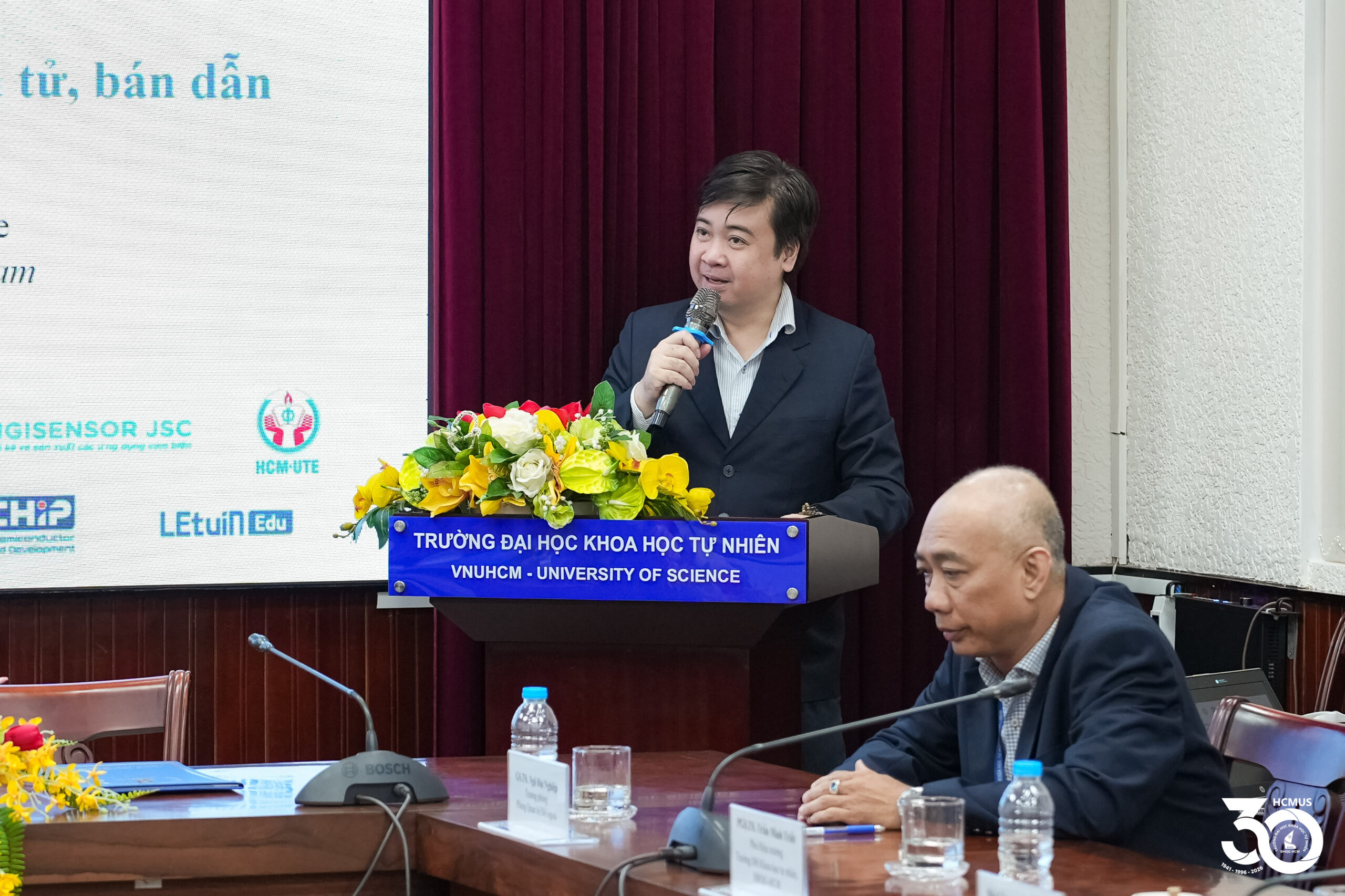
During the proceedings, Associate Professor Trần Minh Triết reaffirmed the commitment of HCMUS to supporting academic collaboration, technological advancement, and industry partnerships within the microelectronics and semiconductor fields.
In the opening address, Associate Professor Nguyễn Văn Hiếu, Chairman of HSIA and Chairman of ARTSeMi for the 2025–2026 term, emphasised the strategic goal of enhancing coordination between alliance members to bridge the gap between academic training, research, and the practical requirements of industry.
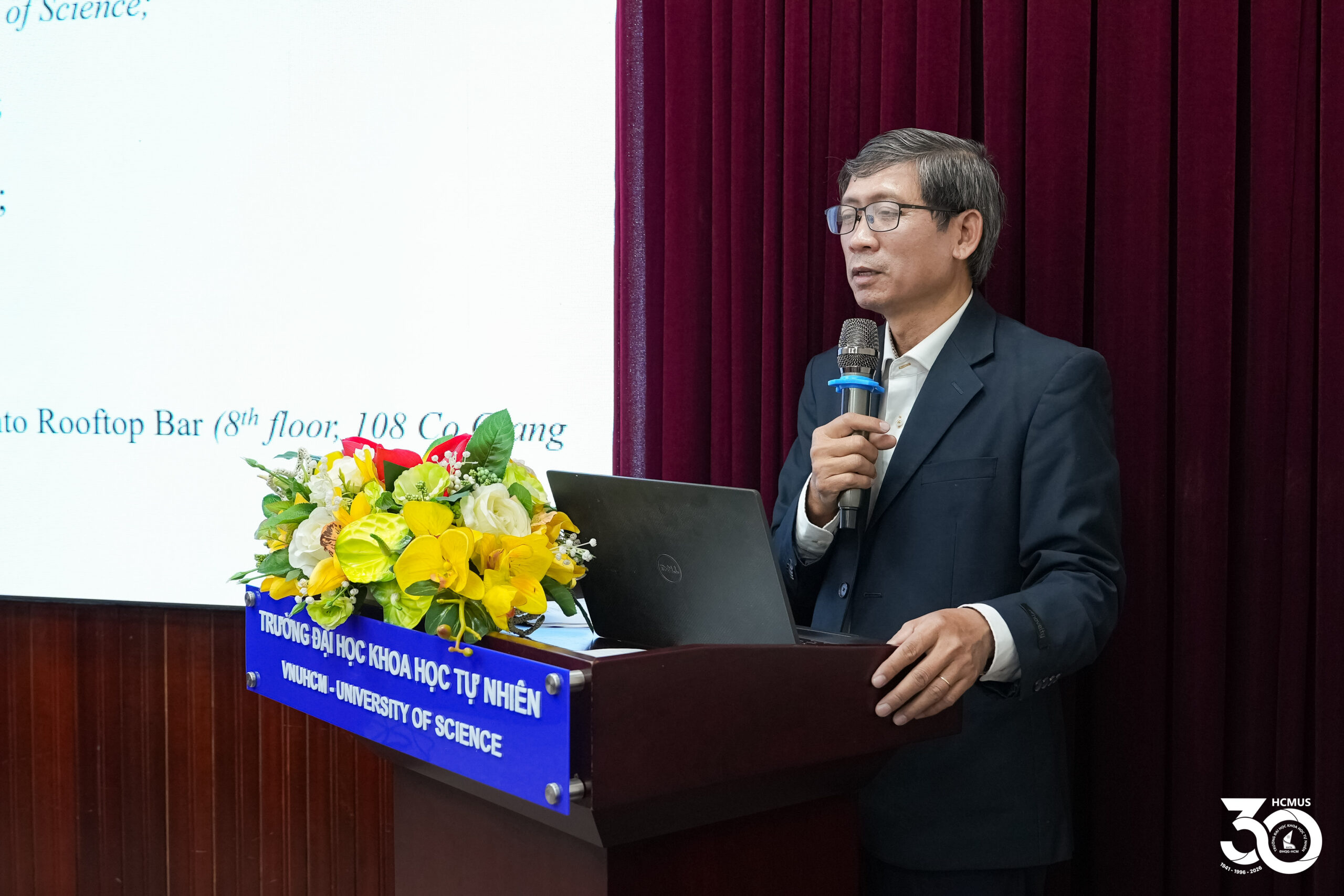
Furthermore, the programme featured insights from the Ho Chi Minh City Department of Science and Technology regarding strategic directions for 2026, alongside contributions from Intel Corporation concerning corporate perspectives and emerging technological trends.
Delegates engaged in discussions regarding the ARTSeMi 2026 Action Plan, focusing on strengthening the nexus between educational institutions, enterprises, professional associations, and regulatory authorities within the microelectronics and semiconductor ecosystem.
A cornerstone of the conference was the formal signing of three pivotal documents involving ARTSeMi, HSIA, HCMUS, and Intel Corporation.
These agreements comprised: a Corporate Non-Disclosure Agreement (CNDA) between ARTSeMi and Intel Corporation; a CNDA between HSIA and Intel Corporation; and a Memorandum of Understanding (MoU) inviting Intel Corporation to participate in ARTSeMi activities.
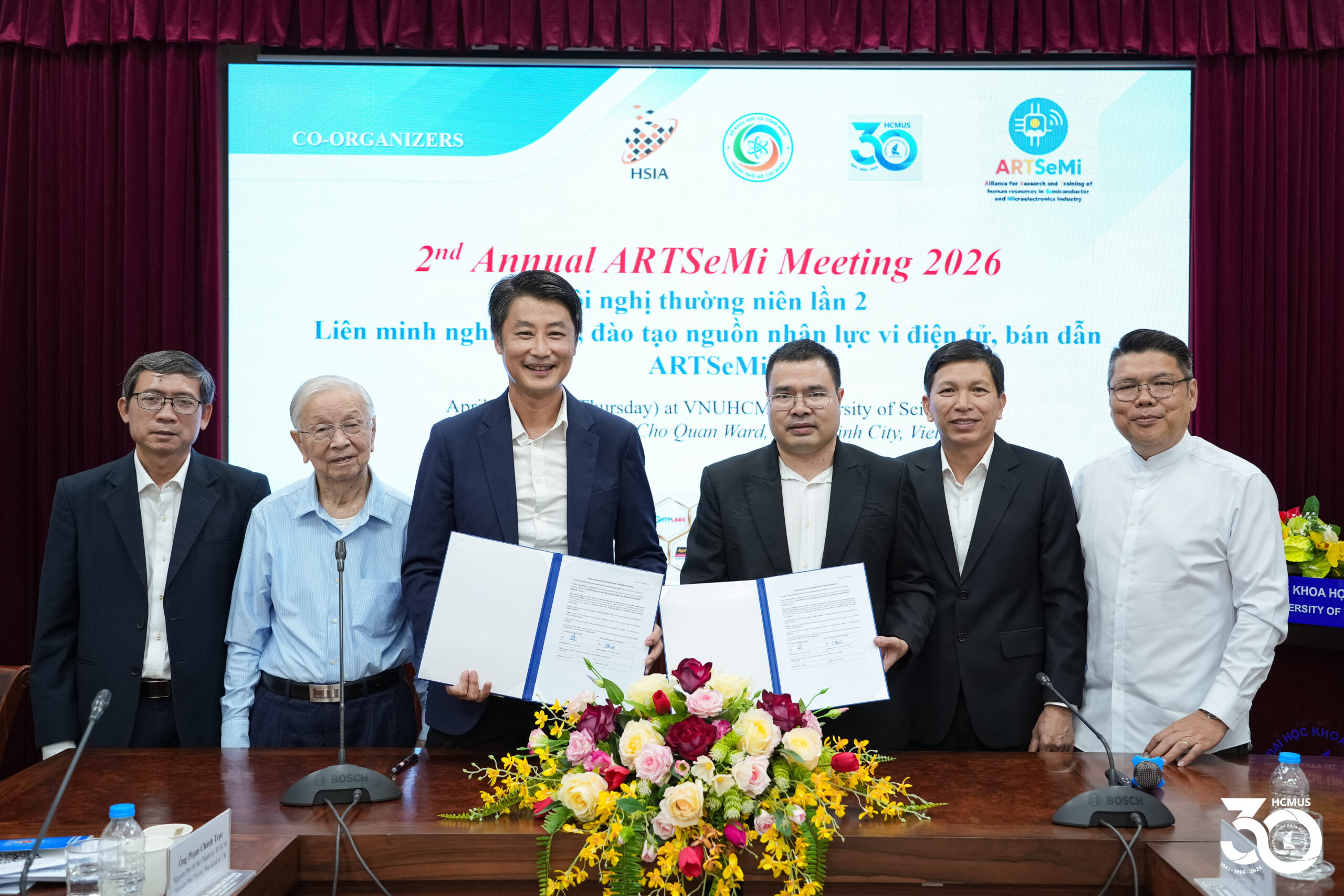
The signing of the non-disclosure agreement between ARTSeMi and Intel Corporation. 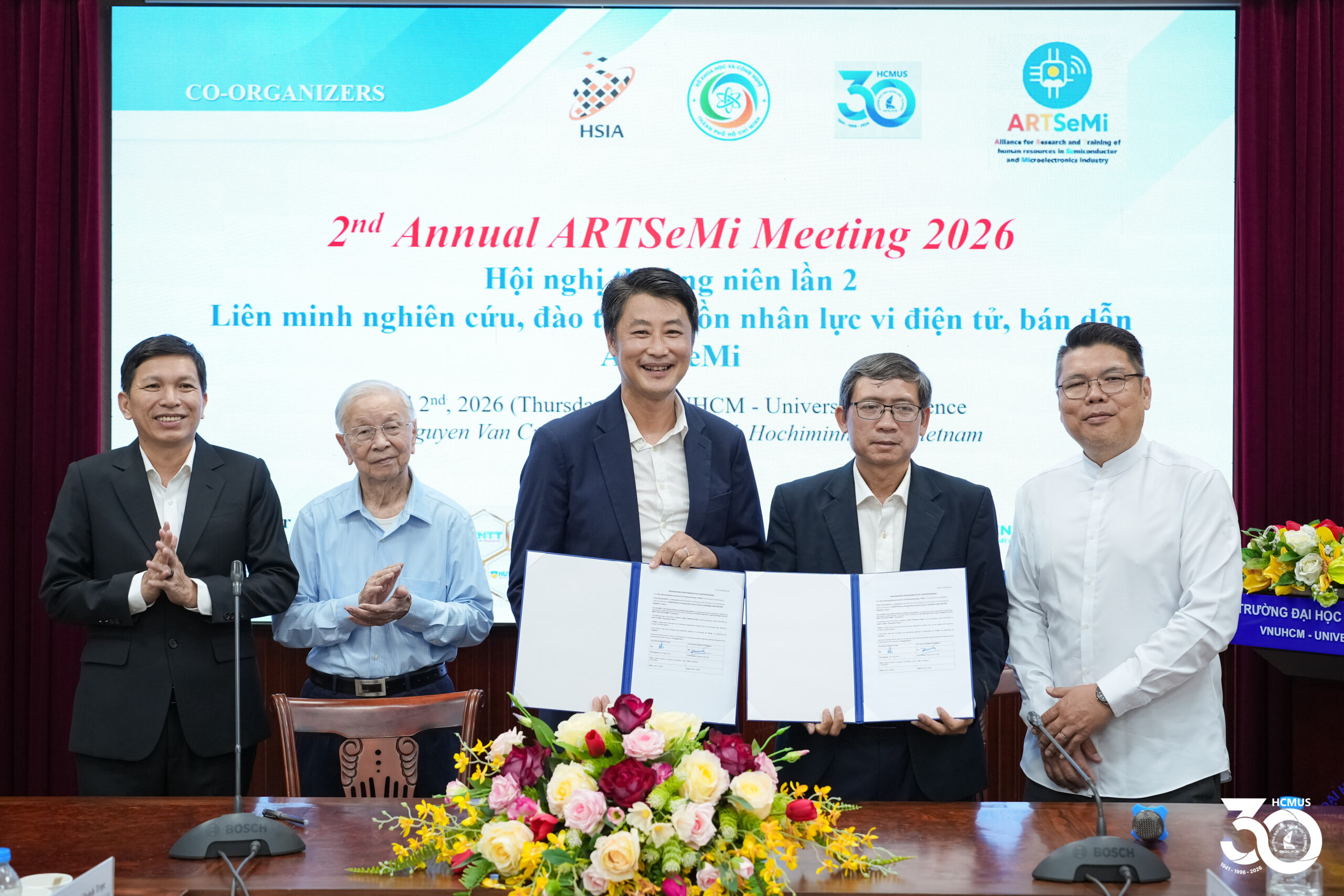
The signing of the non-disclosure agreement between HSIA and Intel Corporation. 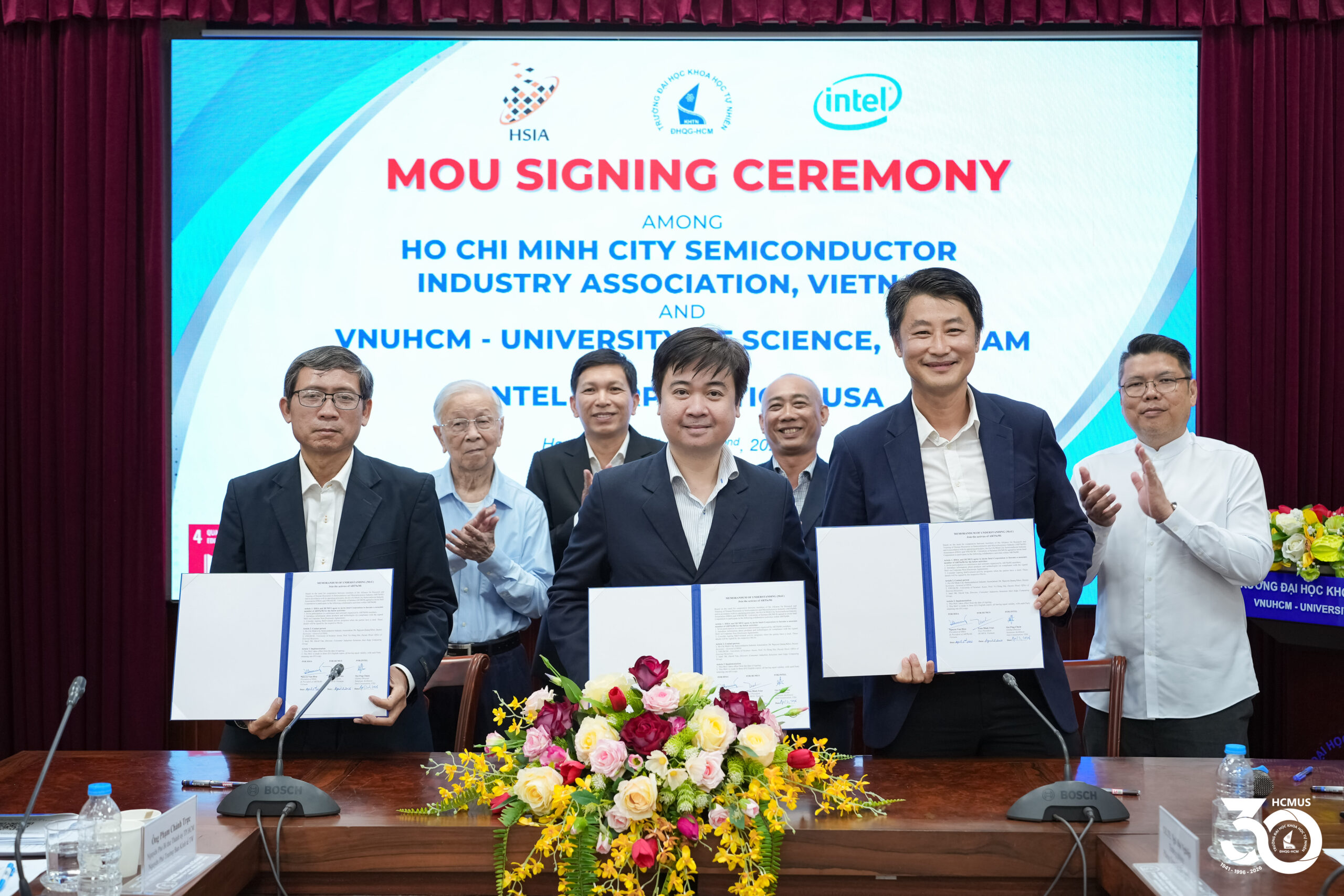
The MoU inviting Intel Corporation to join ARTSeMi.
The signing ceremony marks a significant milestone in attracting international expertise and resources. Within this collaborative framework, HCMUS serves as the representative for the academic and research block, whilst HSIA represents the industrial sector.
Under the terms of the MoU, Intel Corporation is invited to participate in ARTSeMi initiatives, including conferences and technical seminars; share insights into technology and products in accordance with agreed confidentiality principles; and explore potential cooperation in Research and Development (R&D) programmes as mutual needs arise.
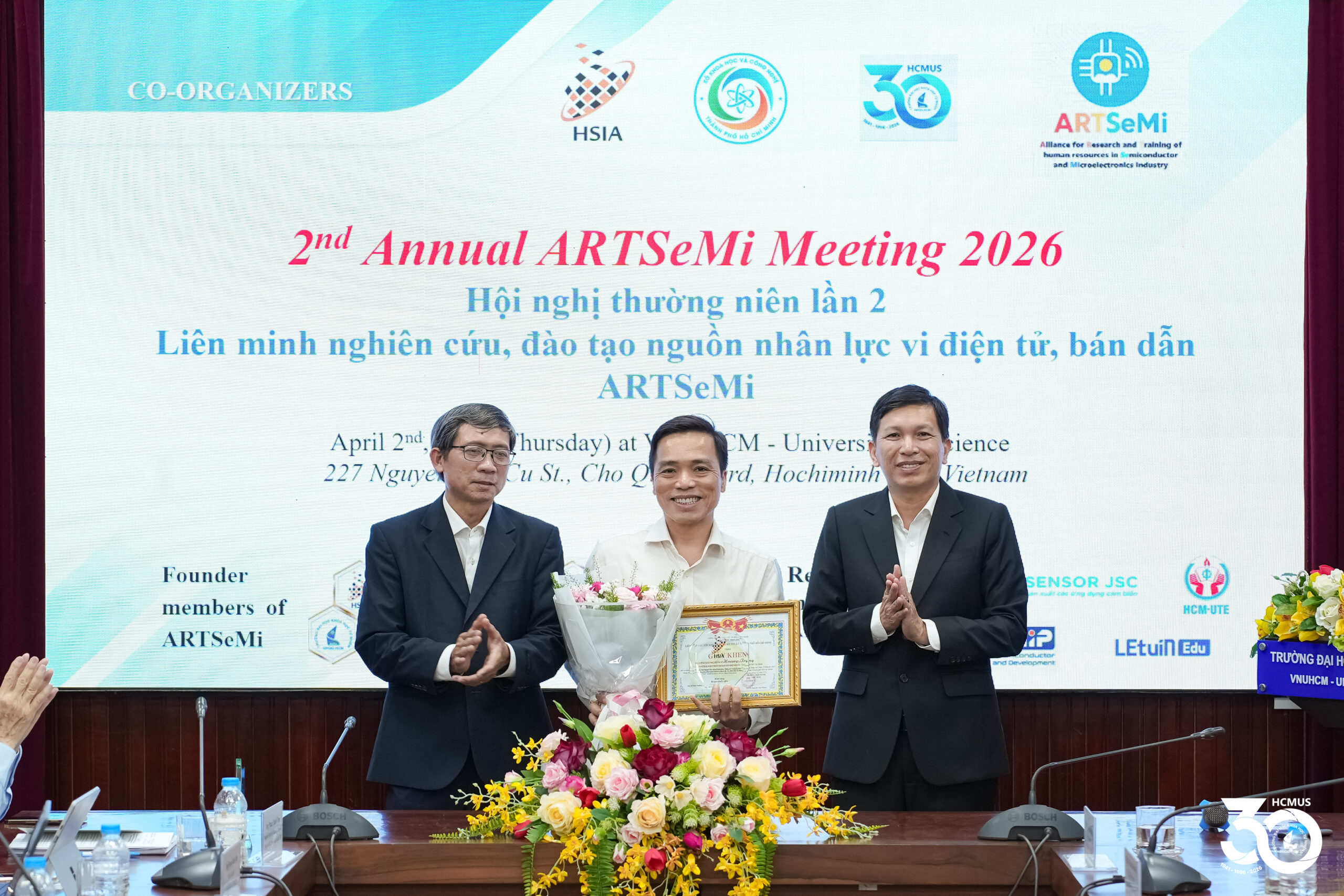
During the event, Associate Professor Hoàng Trang, Senior Lecturer at the Faculty of Electrical and Electronics Engineering, VNUHCM-Ho Chi Minh City University of Technology, and member of the HSIA Executive Board, was honoured for receiving the Hitachi Asia Innovation Award 2025.
The proceedings concluded with a panel on international cooperation in research and technical transfer for smart city projects, involving representatives from government, professional bodies, academia, and industry.
In addition, several technological products and solutions from participating units, such as RICHS, DGS, and Becamex IDC, were showcased, demonstrating tangible links between research, education, and technological application.
Leave a Reply