

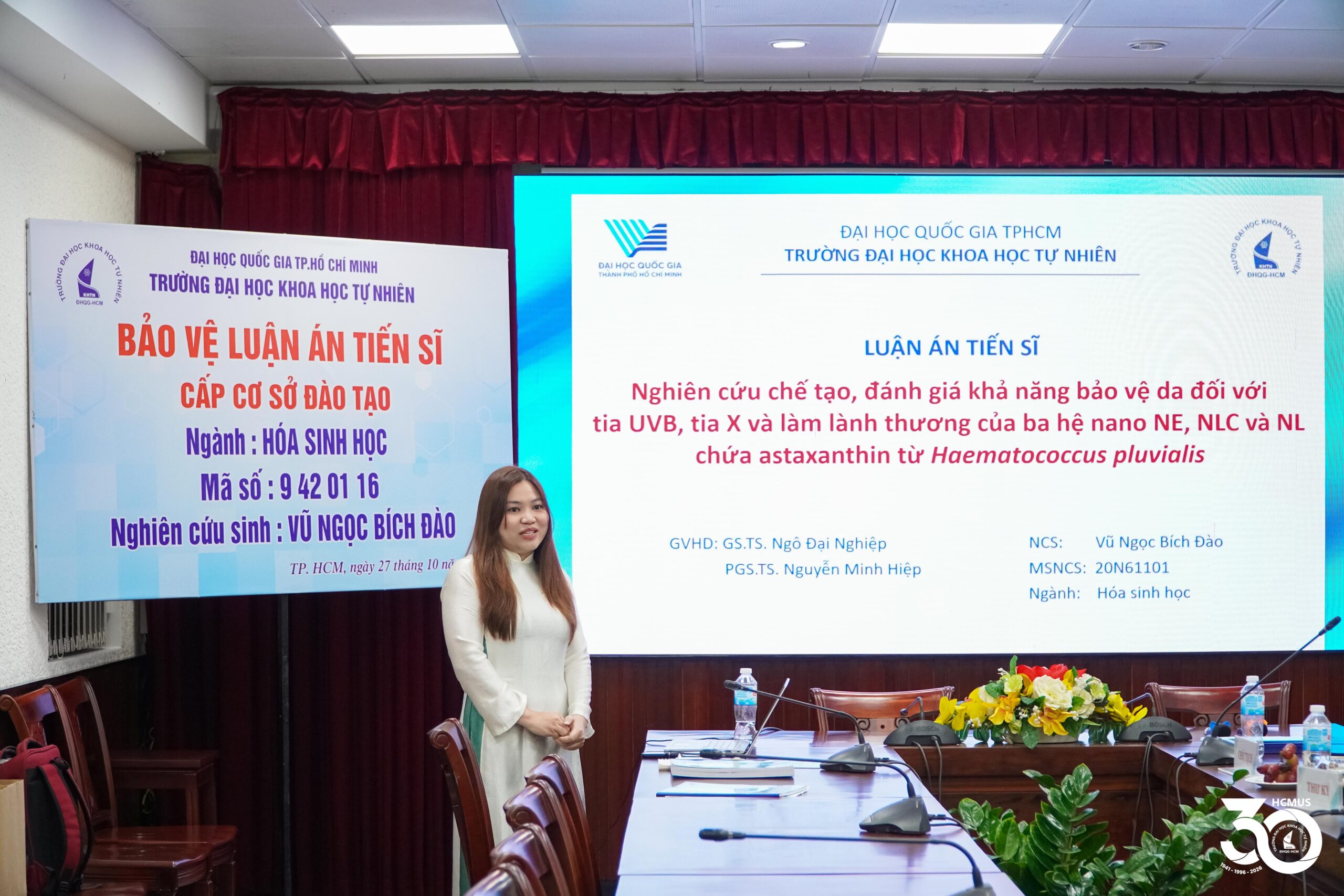
On 27 October, Doctoral Researcher Vũ Ngọc Bích Đào successfully defended her doctoral thesis in Biochemistry at VNUHCM–University of Science (HCMUS). Entitled “Preparation and Evaluation of the Protective Effects against UVB and X-ray Radiation and Wound-Healing Potential of Three Astaxanthin-Loaded Nanosystems (NE, NLC and NL) Derived from Haematococcus pluvialis”, the research was conducted under the supervision of Professor Ngô Đại Nghiệp and Associate Professor Nguyễn Minh Hiệp.
The thesis investigated the preparation conditions and skin-protective efficacy of three lipid-based nanosystems incorporating astaxanthin-rich extracts from the microalga Haematococcus pluvialis (nano-ATXex): nanoemulsions (NE-ATXex), nanostructured lipid carriers (NLC-ATXex) and nanoliposomes (NL-ATXex). Their efficacy was evaluated using in vitro models involving fibroblast cells and in vivo models involving laboratory mice, with particular emphasis on three areas: protection against UVB-induced skin damage, mitigation of X-ray-induced injury and promotion of wound healing.
The findings demonstrated the successful preparation of all three nano-ATXex systems, with an average particle size of approximately 110 nm and a polydispersity index below 0.25. All three formulations exhibited antioxidant activity and the capacity to penetrate cells and skin, indicating potential protective effects in the experimental models.
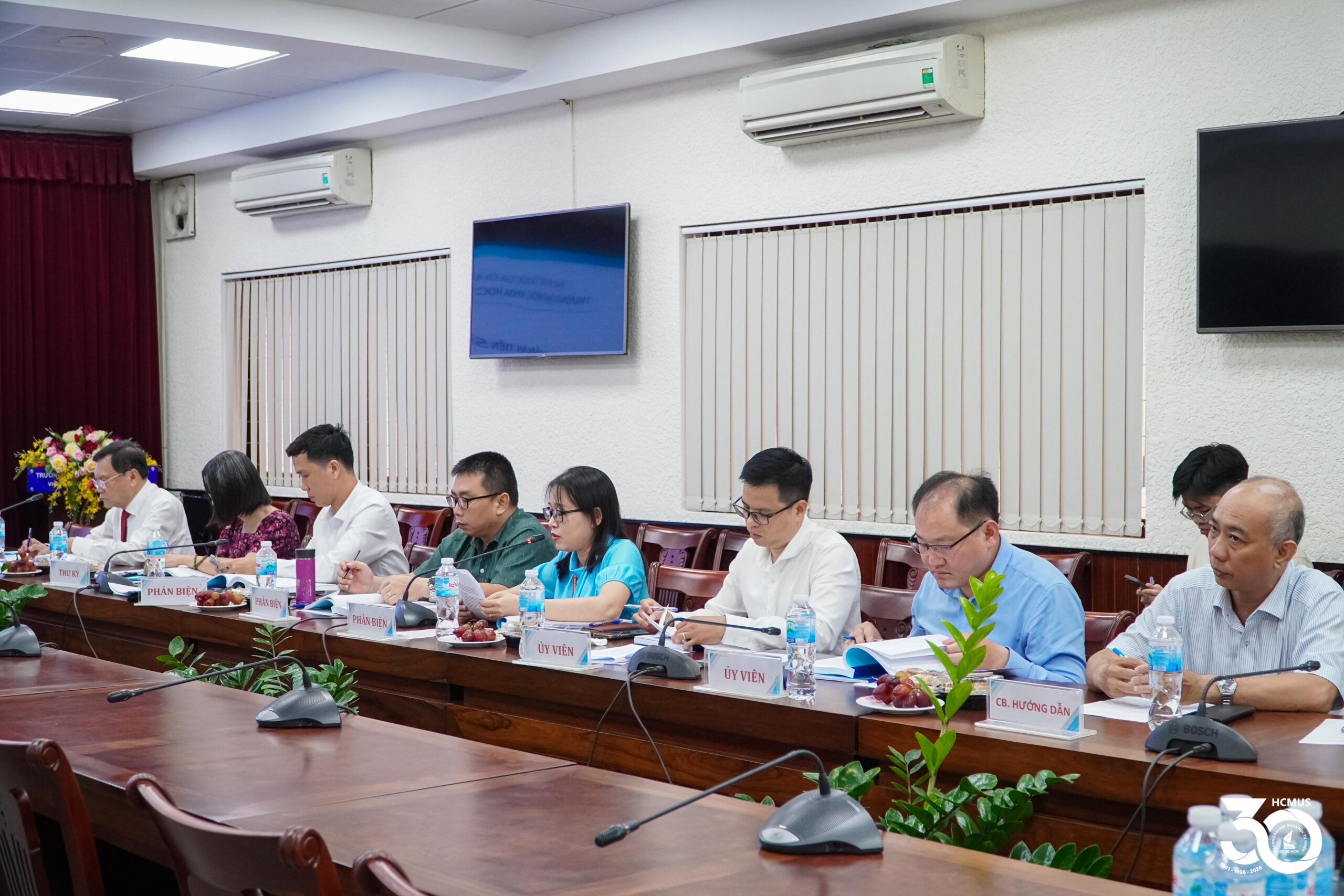
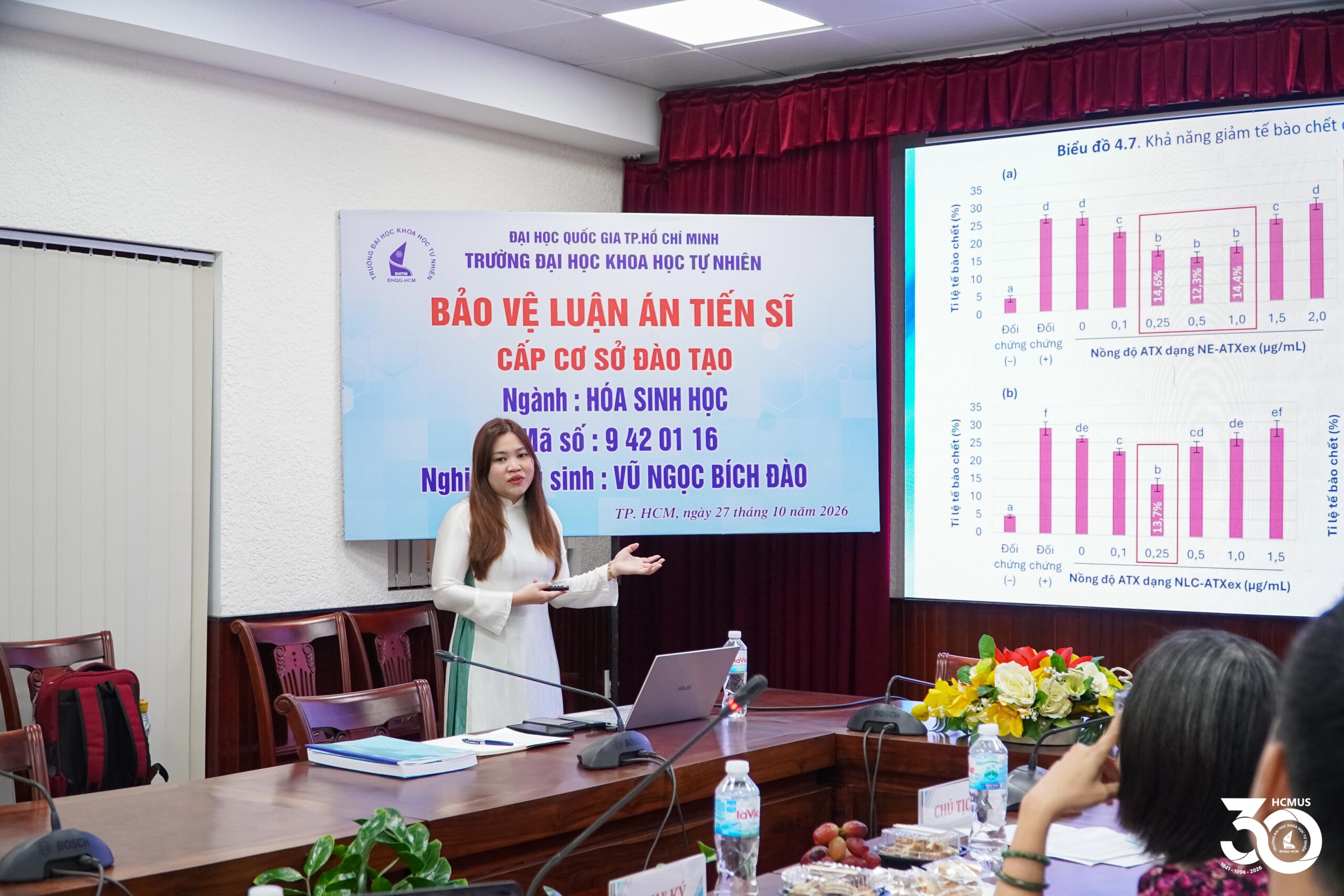
In experiments examining UVB-induced damage, all three nanosystems reduced the proportion of cells positive for senescence-associated β-galactosidase by more than 90% under in vitro conditions. In animal models, the formulations helped mitigate skin dryness, wrinkling and epidermal thickening caused by repeated UVB exposure. Among the formulations investigated, NLC-ATXex at an astaxanthin concentration of 0.5 µg/mL demonstrated particularly strong protective effects, producing the lowest degree of tissue damage and preserving a skin structure most closely resembling normal skin.
For X-ray-induced damage, NE-ATXex at an astaxanthin concentration of 0.5 µg/mL demonstrated the greatest efficacy among the three nanosystems in reducing reactive oxygen species (ROS) and DNA double-strand breaks (DSBs) under in vitro conditions. Specifically, ROS levels decreased by approximately 85%, while the number of γ-H2AX foci, markers associated with DNA double-strand breaks, fell by more than 50%. In animal models, all three nanosystems helped limit X-ray-induced skin damage, including epidermal thickening, alterations in collagen structure and loss of adipose cells.
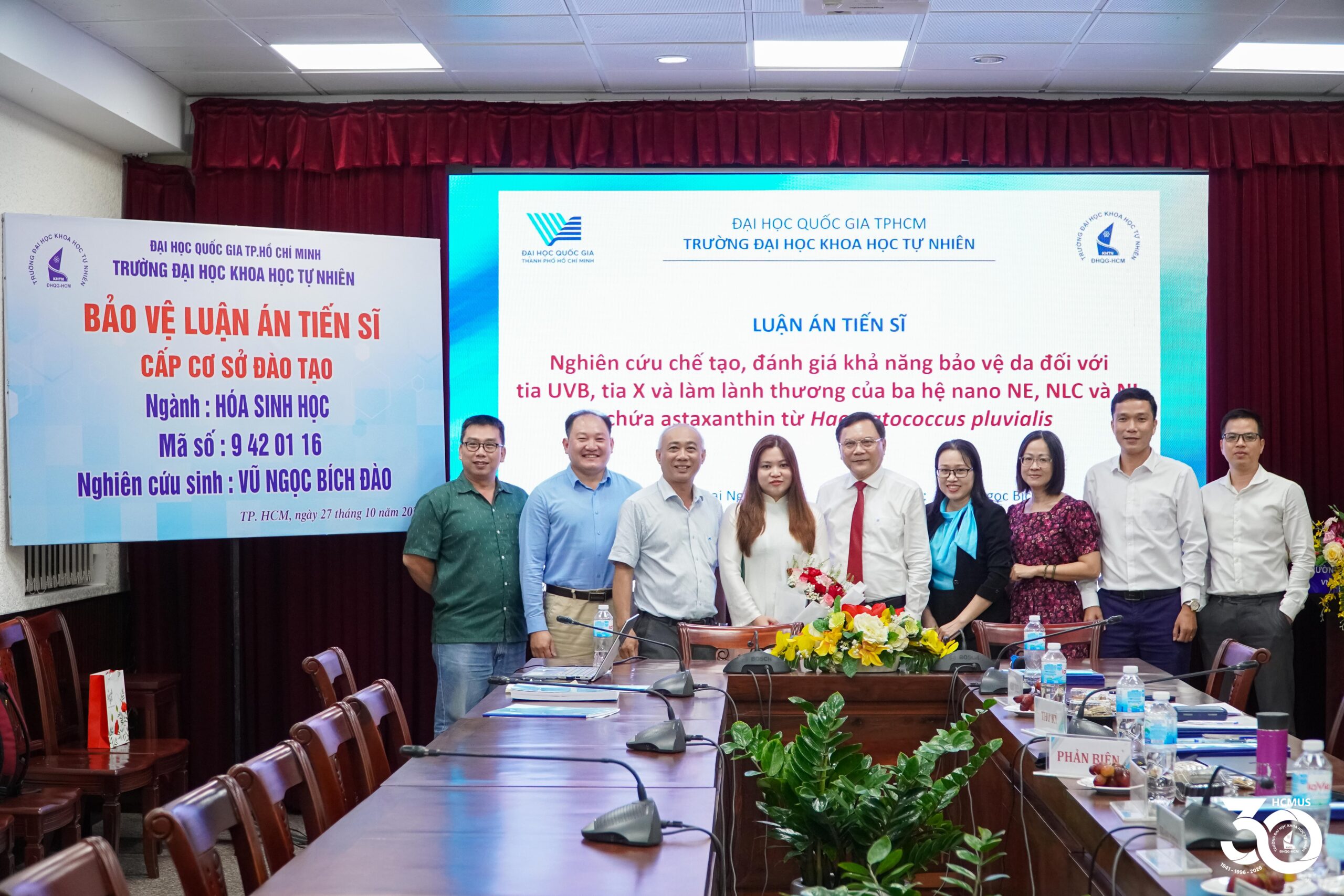
In wound-healing models, the nano-ATXex formulations promoted cell migration, achieving approximately 60% scratch closure after 24 hours and more than 90% after 48 hours. The findings also revealed differences in tissue repair among the three formulations: NLC-ATXex produced the smallest measured scar size, while NL-ATXex demonstrated the greatest capacity for tissue regeneration.
Collectively, the findings provide further evidence of the potential of astaxanthin-rich extracts from Haematococcus pluvialis when formulated into lipid-based nanosystems. The research also highlights the distinct advantages of each formulation for different skin protection and repair objectives. The findings offer promising prospects for pharmaceutical and cosmetic applications, particularly in the development of products designed to support skin protection and wound healing. Further research will be required before practical application, including assessments of formulation stability at pilot or semi-industrial scale, skin irritation parameters and powder formulation conditions to facilitate storage and use.
The research has resulted in three scientific publications, including two international journal articles in Q2-ranked journals, contributing to the scientific evidence supporting the development of lipid-based nanosystems carrying biologically derived active compounds for skin care and protection.
Leave a Reply