

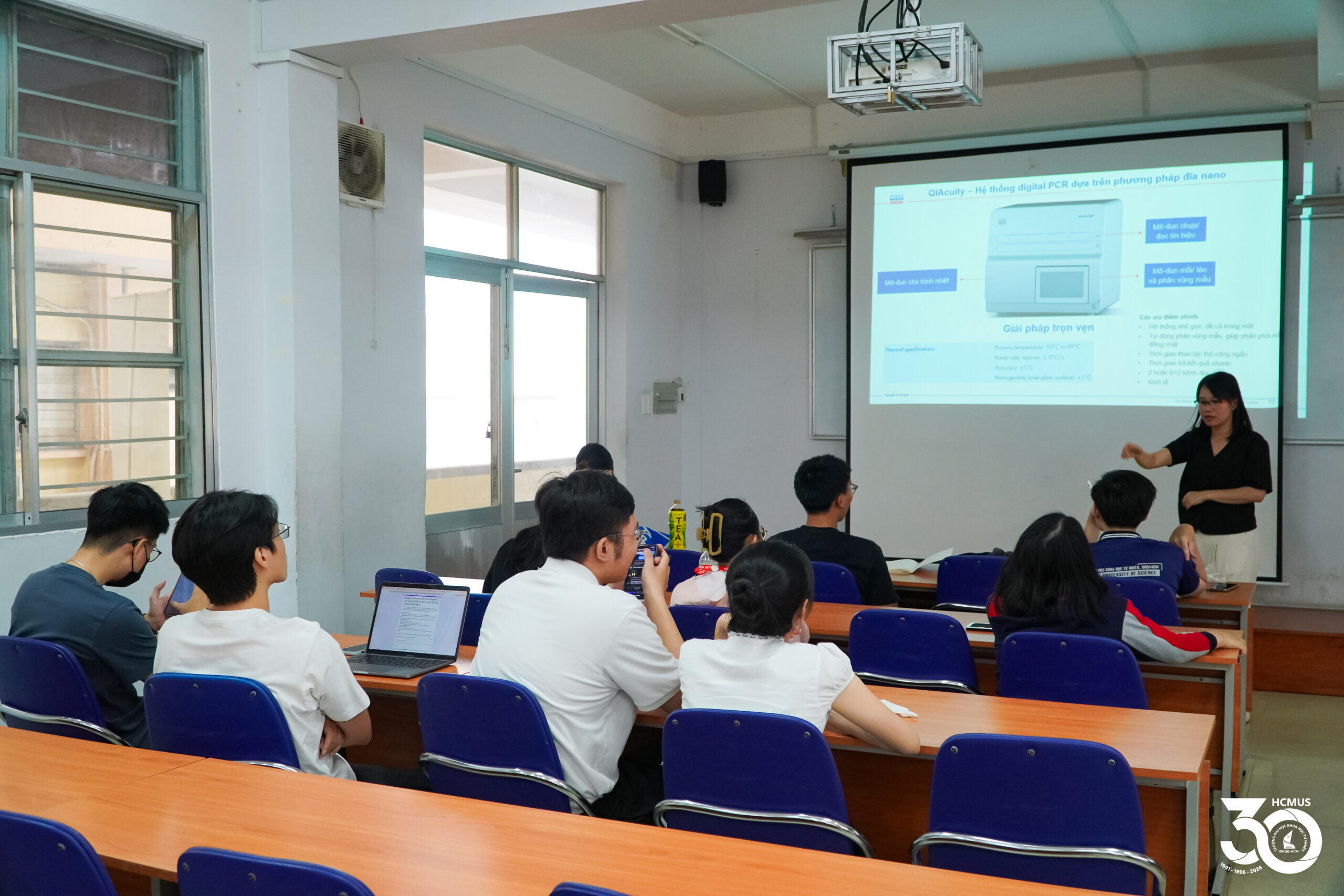
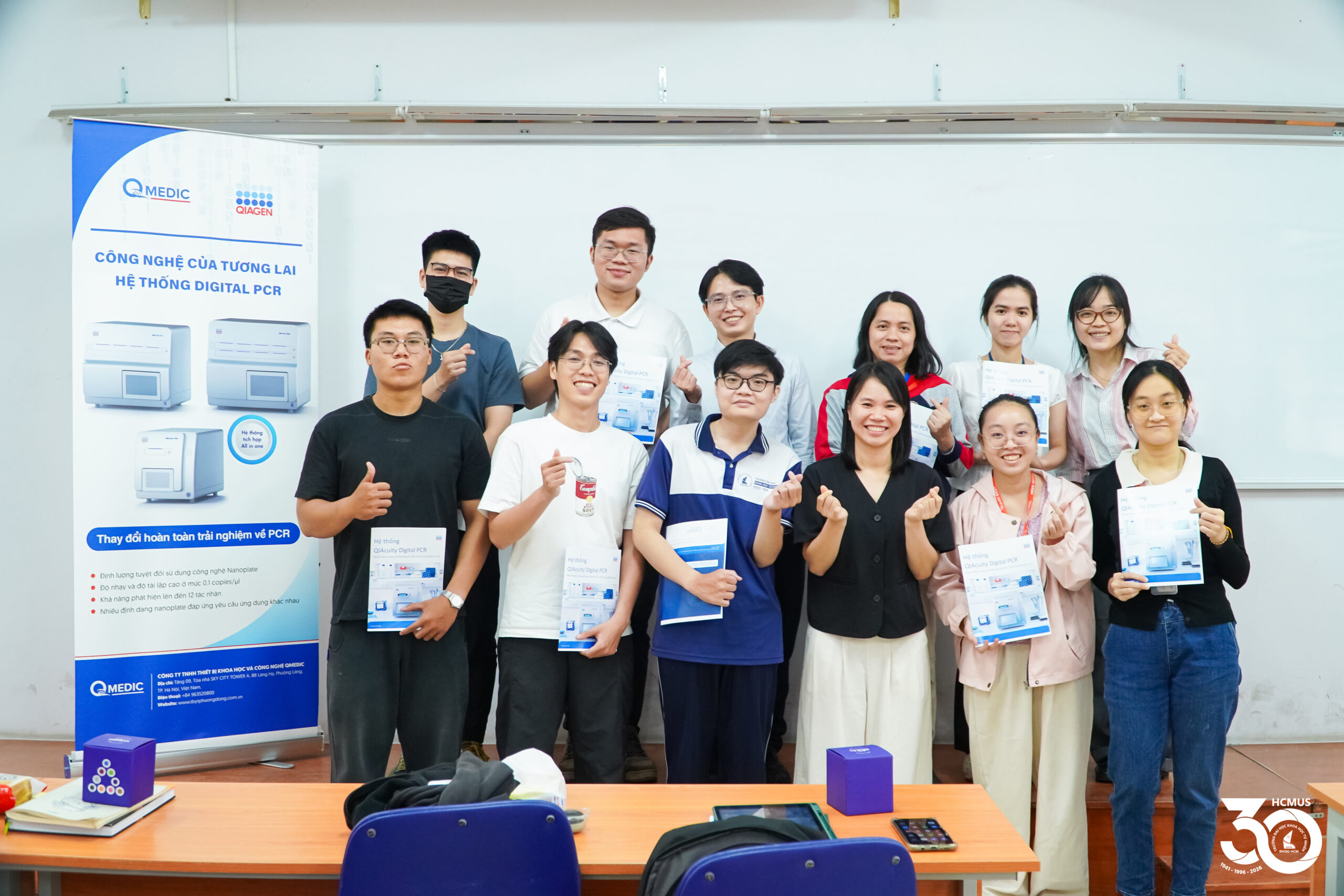
On 8 May, the Faculty of Biology and Biotechnology at VNUHCM–University of Science (HCMUS) hosted an academic seminar entitled ‘Next-Generation PCR – Digital PCR: Principles and Applications’.
As molecular biology research increasingly demands superior sensitivity, precision, and quantification capabilities, traditional PCR methods have begun to demonstrate certain limitations in specific advanced applications. The emergence of Digital PCR (dPCR)—regarded as the third generation of PCR—is facilitating new approaches through the absolute quantification of nucleic acids without the requirement for standard curves, whilst simultaneously enhancing reliability in analysis and diagnostics.
The programme featured a presentation by Dr Bùi Thu Thủy, Application Specialist at the QIAGEN Singapore Representative Office in Vietnam. The seminar focused on the core principles of Digital PCR (dPCR) technology, which enables the absolute quantification of nucleic acids without standard curves, thereby increasing sensitivity and precision within molecular biology analysis.
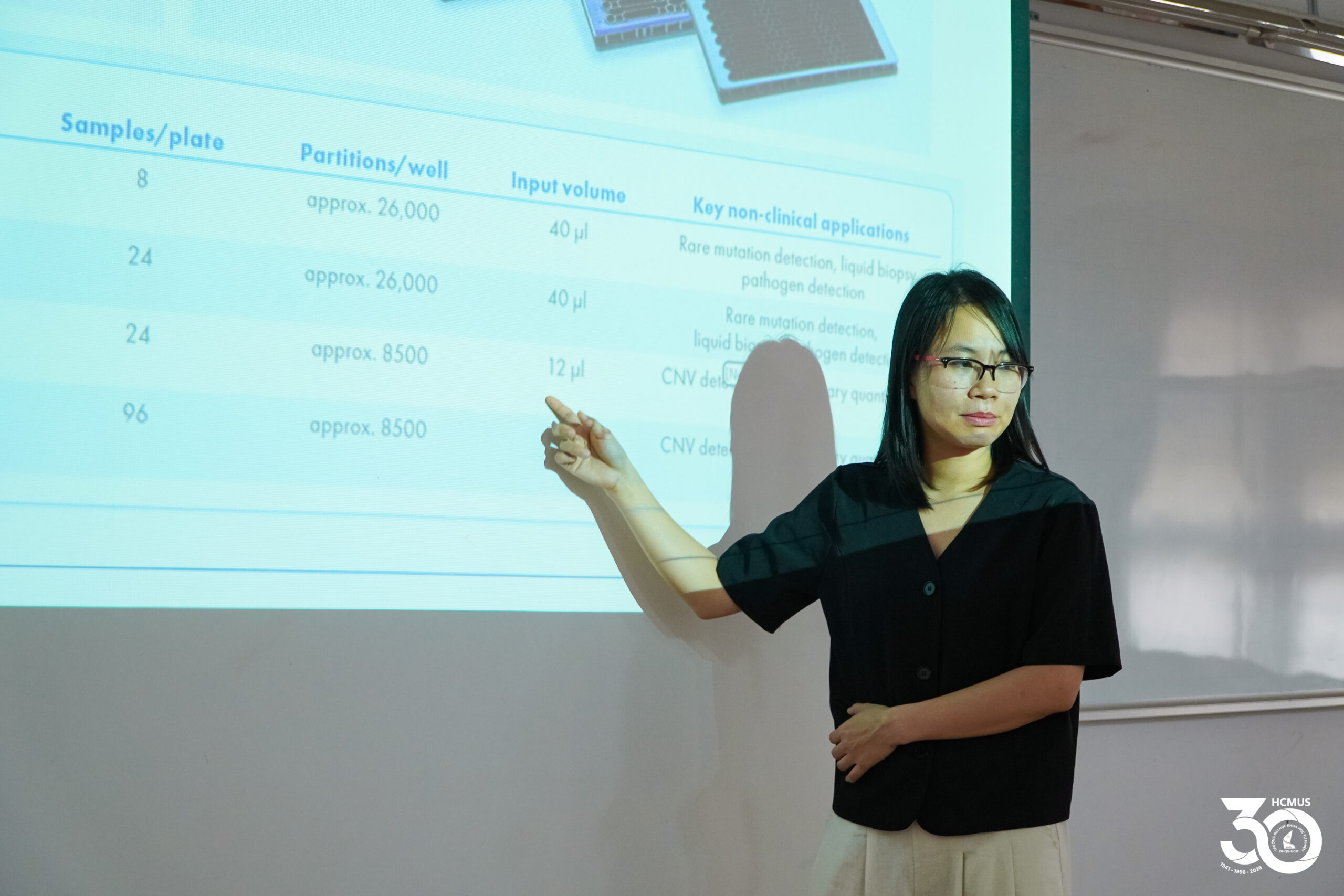
During the session, the speaker detailed the mechanism of sample partitioning into thousands of independent micro-reactions to detect and accurately quantify target sequences based on Poisson distribution. Alongside the theoretical framework, the programme provided updates on various practical applications of dPCR in research and diagnostics, including the detection of rare variants, copy number variation (CNV) analysis, viral load quantification, cancer research, cell and gene therapy, as well as food and environmental testing.
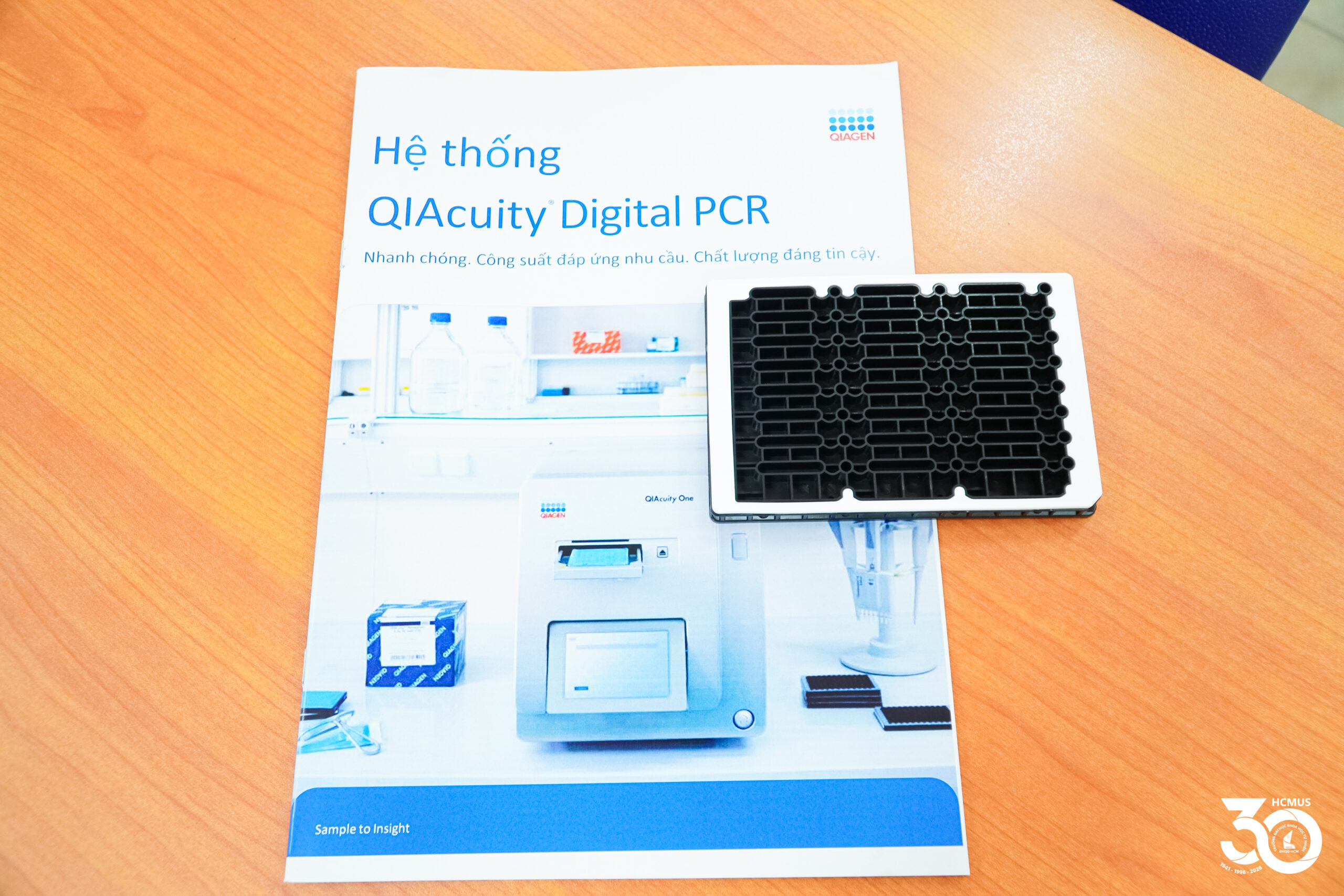
Notably, the QIAcuity Digital PCR system by QIAGEN was introduced as an integrated dPCR platform that combines sample partitioning, amplification, and signal detection within a single, streamlined workflow. Integrating these stages into one system optimises operational procedures, reduces turnaround times, and enhances application efficiency in modern molecular biology research.
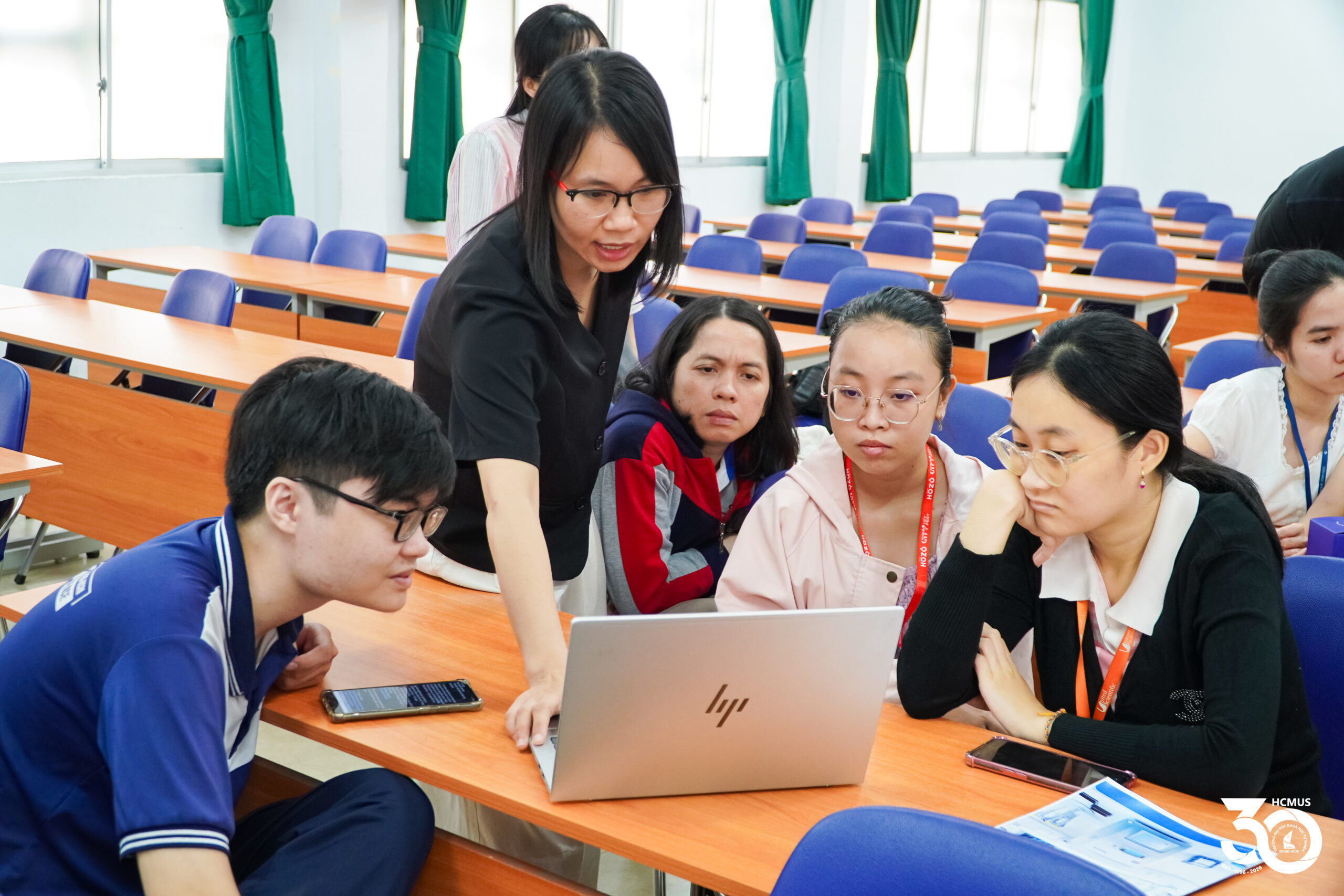
Through this seminar, faculty members and students at HCMUS gained direct access to emerging technological trends widely adopted in global research and diagnostics. This activity further strengthens the connection between education, research, and industrial practice, aligning with the institutional commitment of HCMUS to enhance training quality and research capacity within the fields of biology and biotechnology.
Leave a Reply