

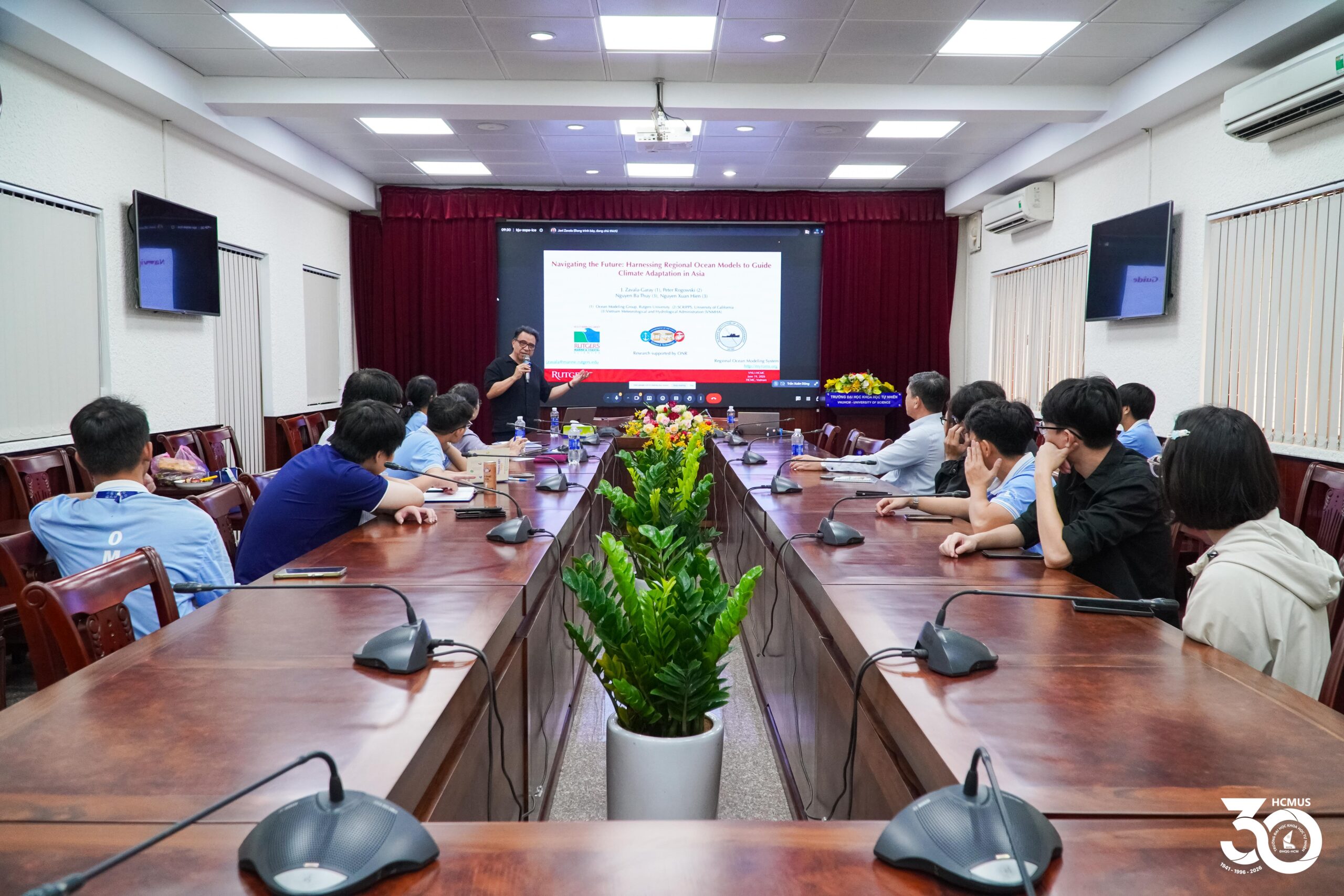
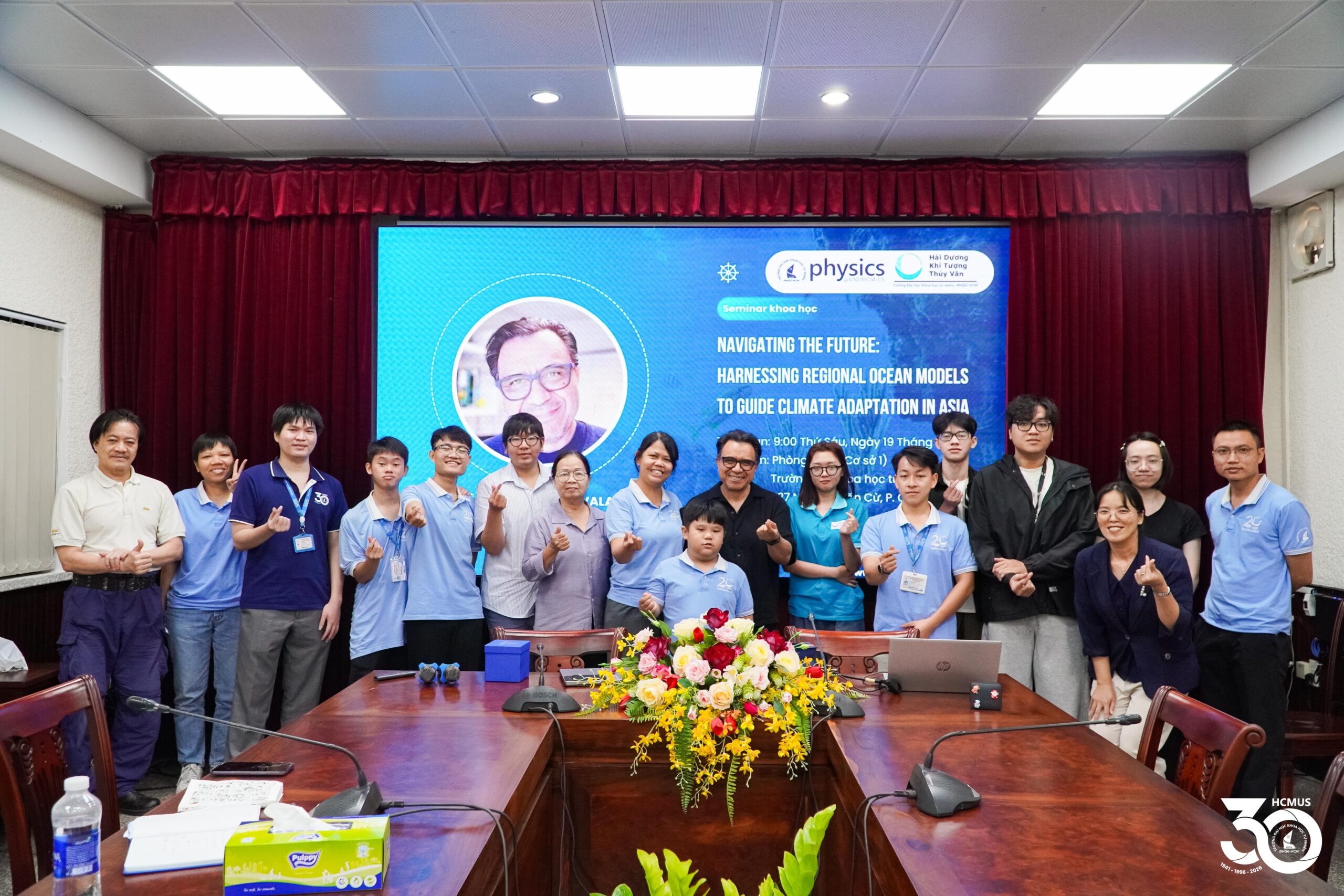
On 19 June, VNUHCM–University of Science (HCMUS) hosted a scientific seminar entitled “Navigating the Future: Harnessing Regional Ocean Models to Guide Climate Adaptation in Asia”. The event attracted lecturers, researchers, and students interested in oceanography, meteorology, hydrology, and climate science.
The keynote speaker was Professor Javier Zavala-Garay, a member of the Ocean Modeling Group at Rutgers University. The seminar focused on the role of regional ocean models in studying marine environmental changes and supporting the development of climate change adaptation strategies in Asia.
The seminar was attended by Associate Professor Võ Lương Hồng Phước – Head of the Department of Oceanography, Meteorology and Hydrology; Associate Professor Đặng Trường An – Deputy Head of the Department, alongside lecturers, researchers, and students from the Faculty of Physics and Engineering Physics.
During the event, Professor Javier Zavala-Garay introduced the Regional Ocean Modeling System (ROMS) – one of the most widely used numerical modeling systems in the study of ocean dynamics. By simulating regional oceanographic features at high resolution, ROMS enables the analysis of variables such as currents, temperature, salinity, and ocean-atmosphere interactions.
According to the speaker, as climate change increasingly impacts coastal regions, ocean models serve not only foundational research but also function as essential tools for forecasting, risk assessment, and formulating adaptation scenarios.
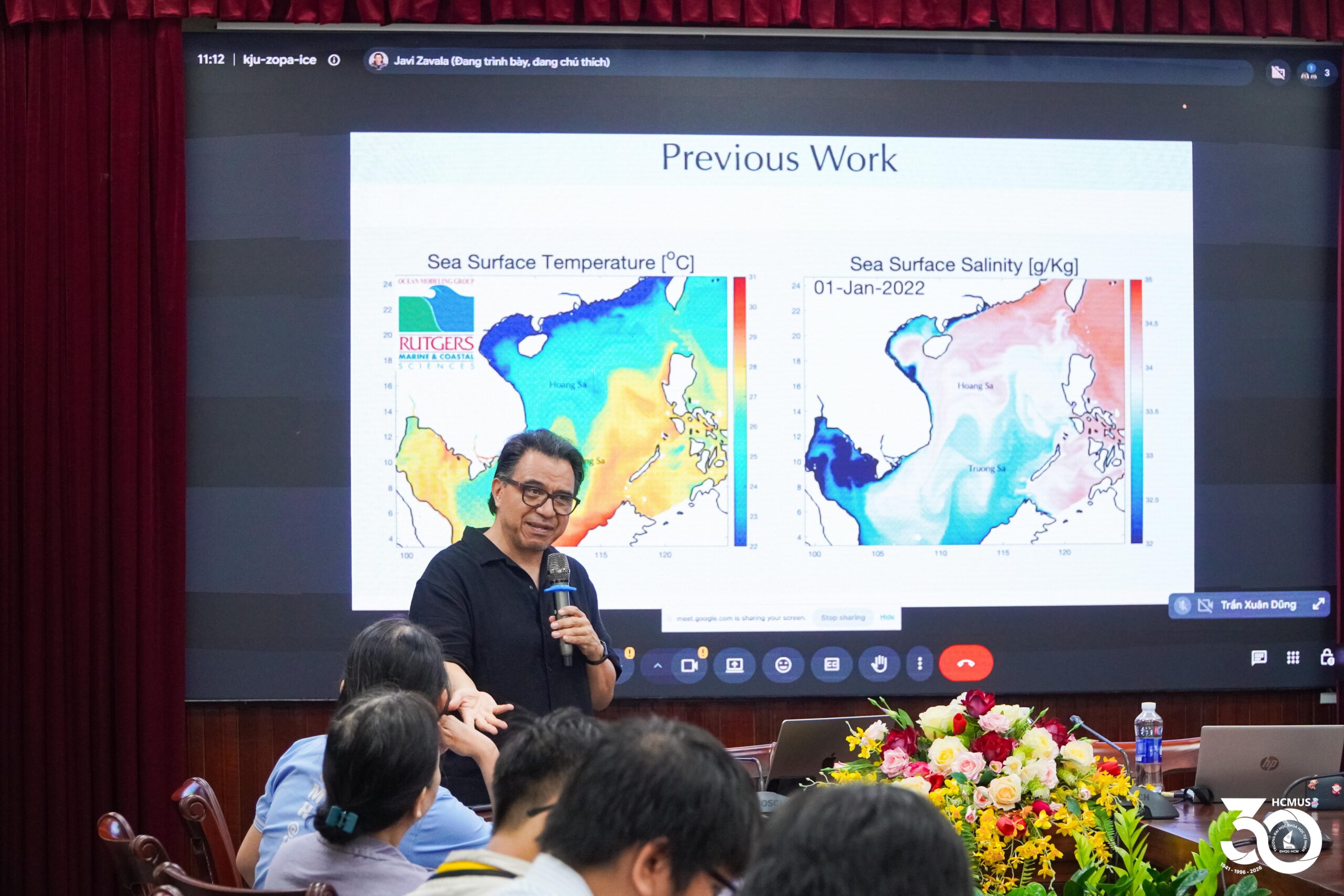
The presentation also focused on the applied research of regional ocean models in Vietnam and Indonesia – two nations with extensive coastlines that are significantly affected by variations in the climate-ocean system. The simulation results contribute to a deeper understanding of regional oceanographic characteristics, whilst providing a scientific foundation for marine resource management, environmental protection, and the planning of climate change adaptation measures.
In addition to technical discussions, the seminar provided an academic forum for international experts to engage with HCMUS lecturers, researchers, and students. Topics concerning ocean modeling, data science, marine environmental forecasting, and interdisciplinary research trends in climate science were dynamically discussed.
Through this programme, learners gained access to modern research methodologies and emerging development paths within oceanography, meteorology, hydrology, and environmental science. This initiative represents one of many activities aimed at strengthening international academic connections, whilst fostering education and research in fields related to marine science and climate change at HCMUS.
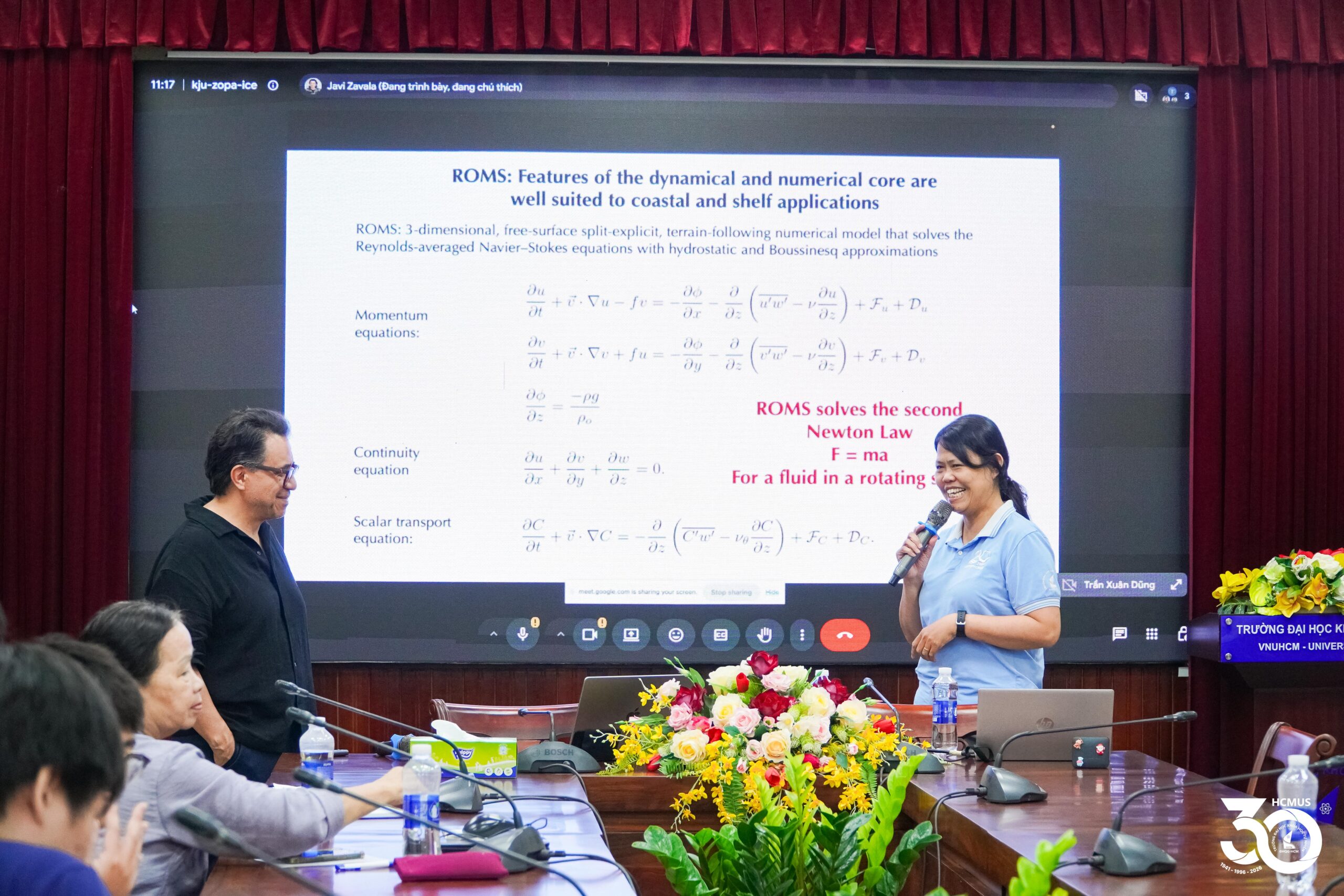
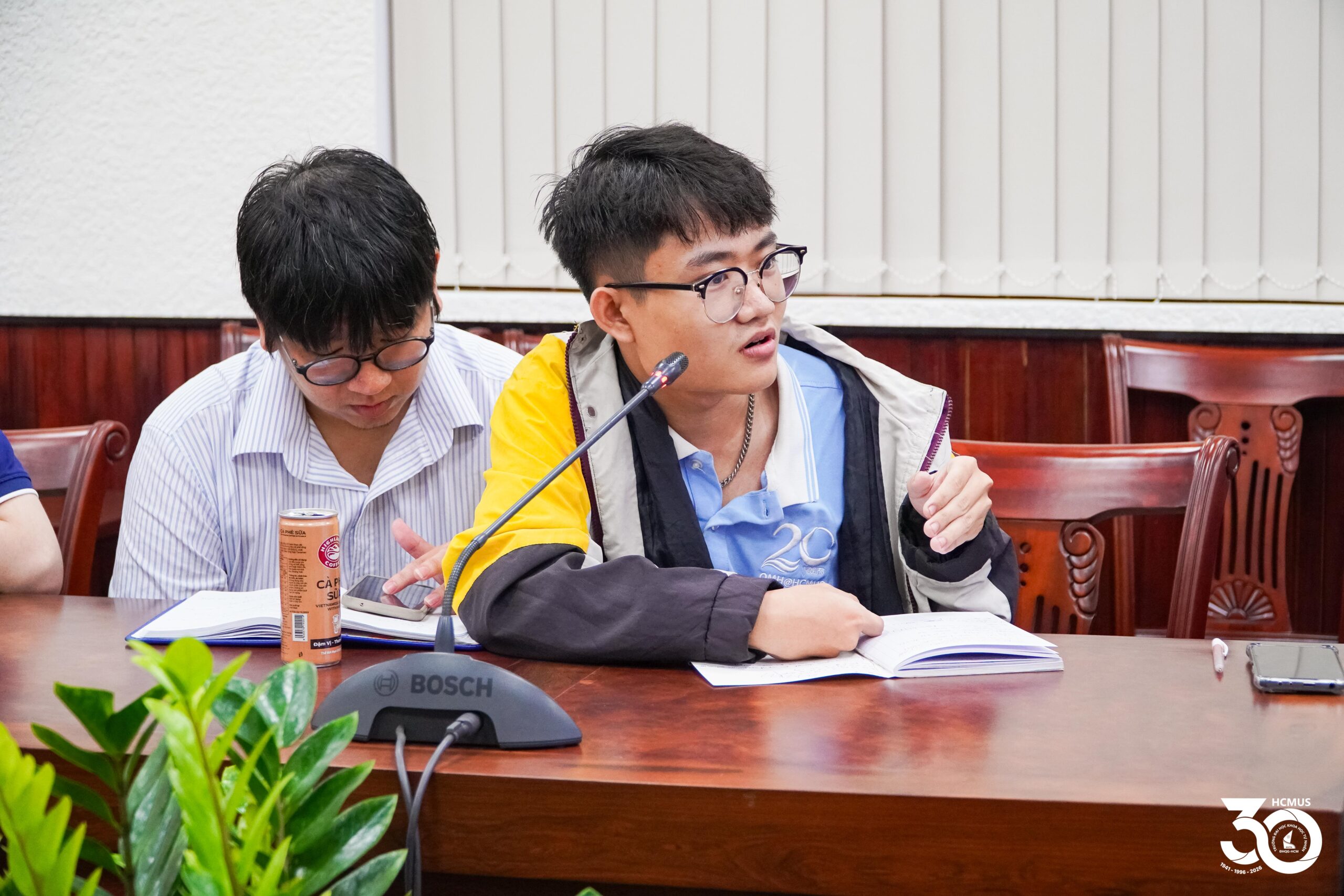
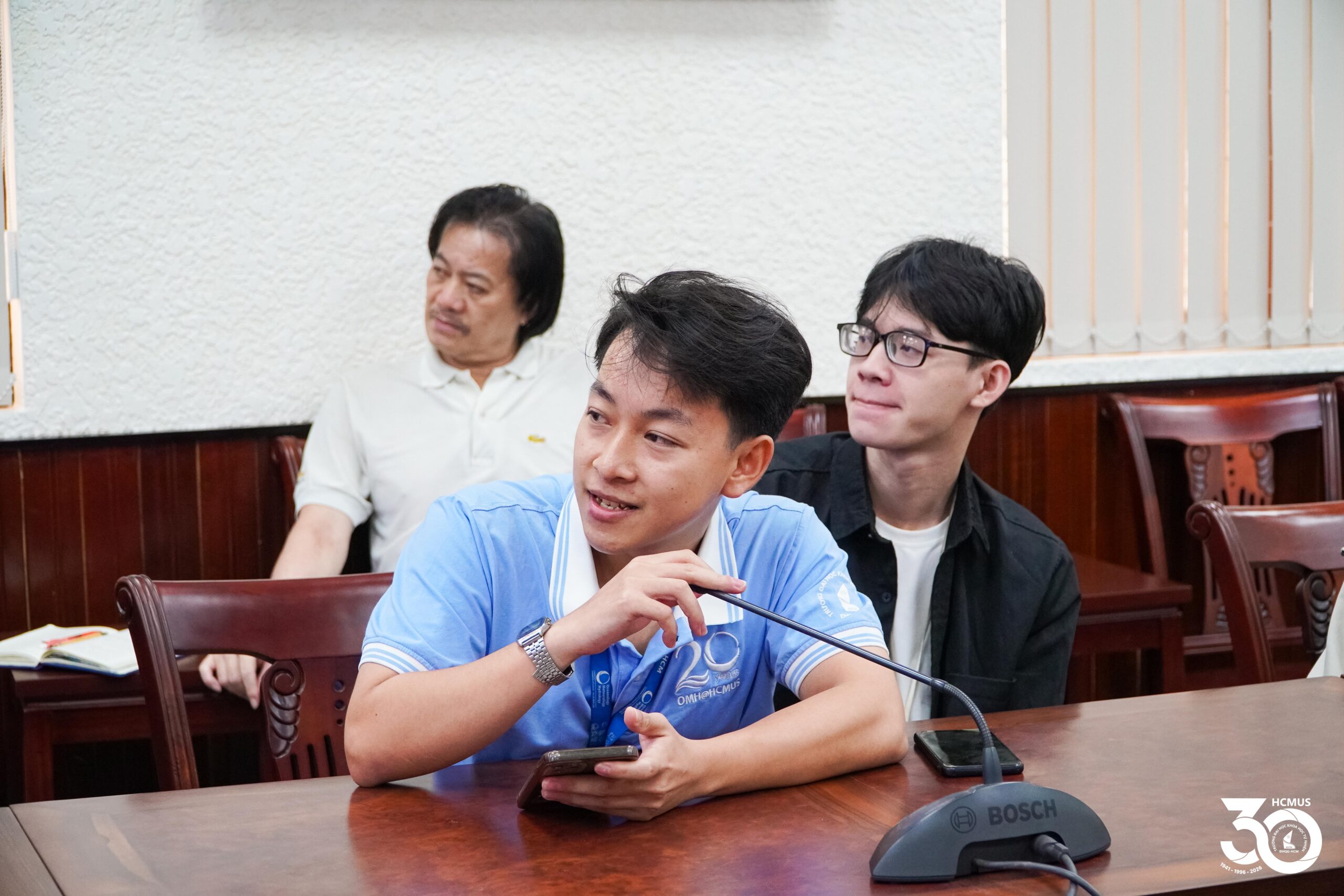
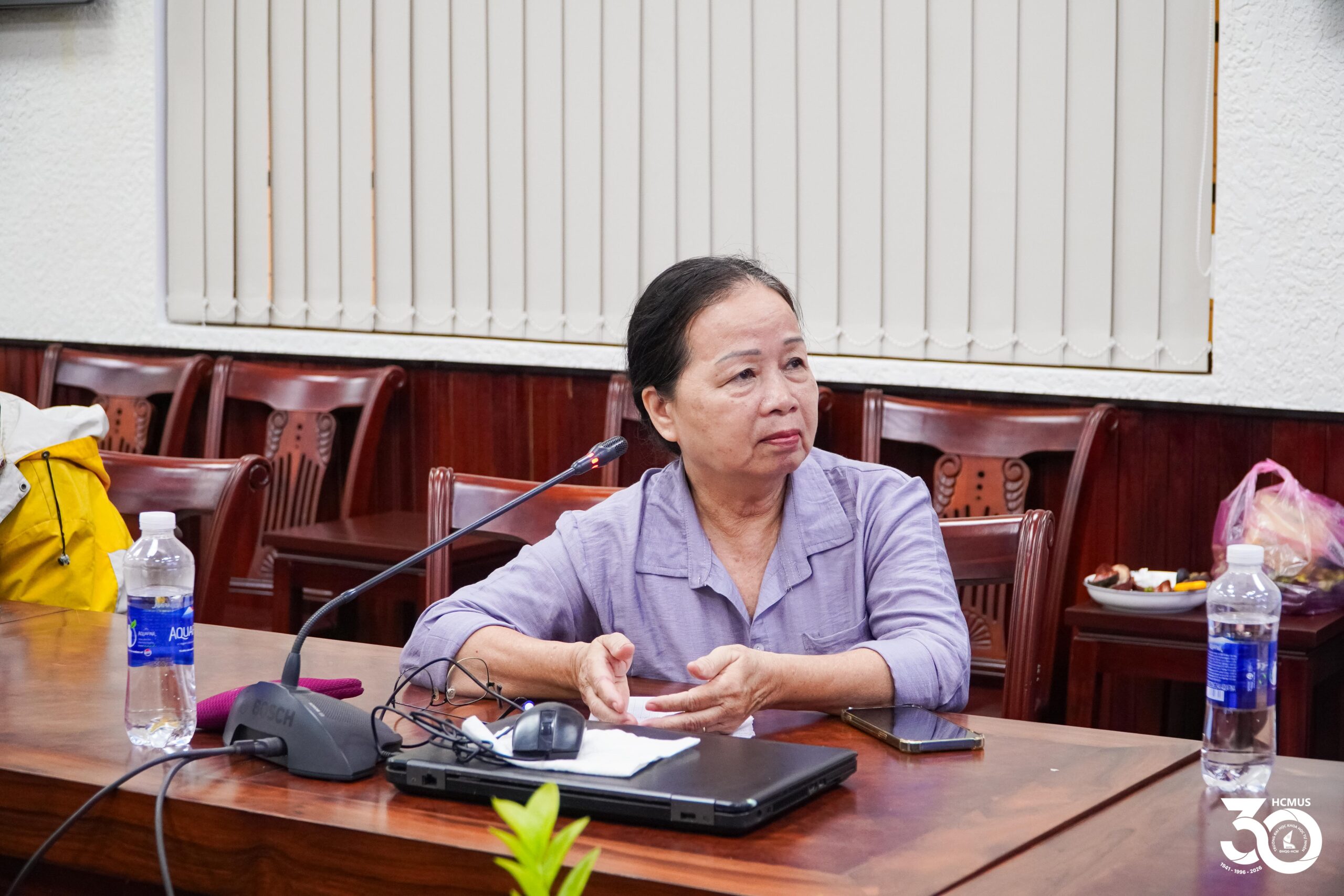
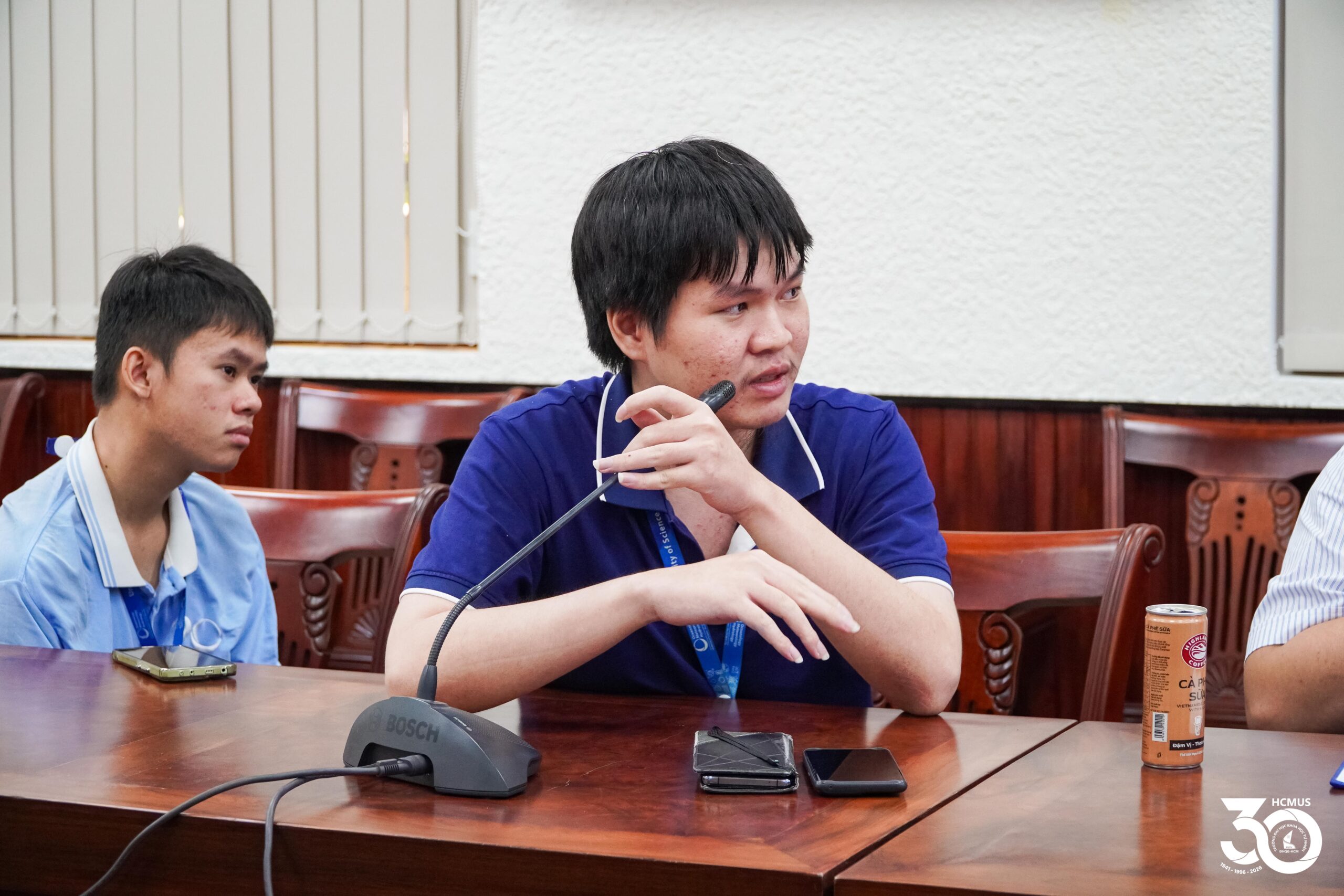
Lecturers and students engage in discussions and pose questions to Professor Javier Zavala-Garay during the Q&A session.
Leave a Reply