

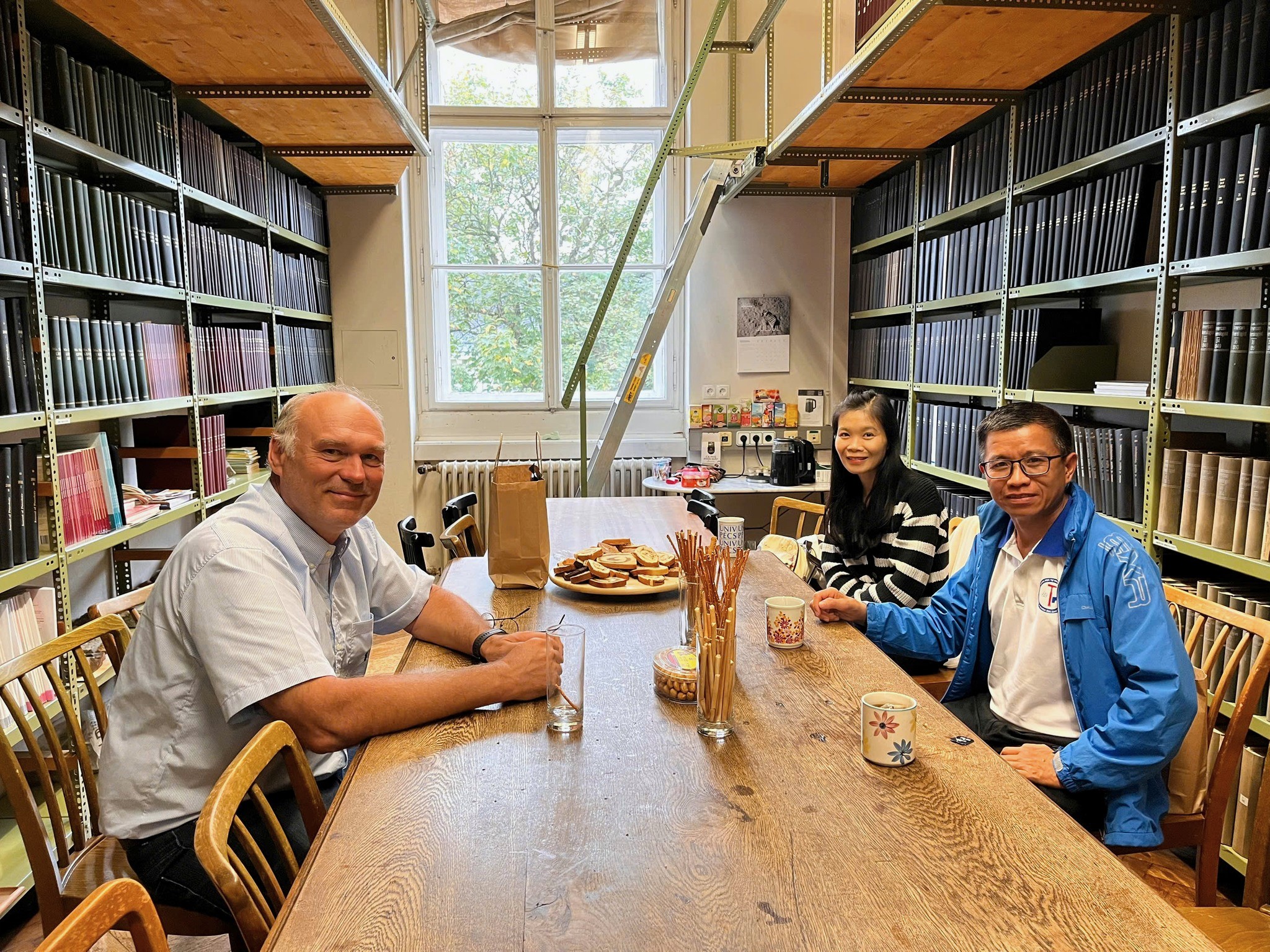
Between 30 September and 9 October, Assoc. Prof. Phạm Trung Hiếu, Dean of the Faculty of Geology, VNUHCM–University of Science (HCMUS), undertook an official working visit to the NAWI Graz Geocenter – Institute of Earth Sciences at the University of Graz, Austria. This engagement, convened at the invitation of Professor Christoph A. Hauzenberger, Dean of the Faculty of Earth Sciences, established novel avenues for scientific cooperation and academic exchange between the two institutions.
During the tenure of the visit, Assoc. Prof. Phạm Trung Hiếu and Professor Hauzenberger deliberated on potential spheres of cooperation. A series of in-depth meetings resulted in a consensus regarding long-term collaboration, particularly the continuation of the project titled ‘Permian–Triassic magmatism in Southeast Asia: a comparison between the Eastern Granitoid Belt, Thailand and the Western Kontum Massif, Viet Nam,’ funded by the ASEA-Uninet (OEAD) programme.
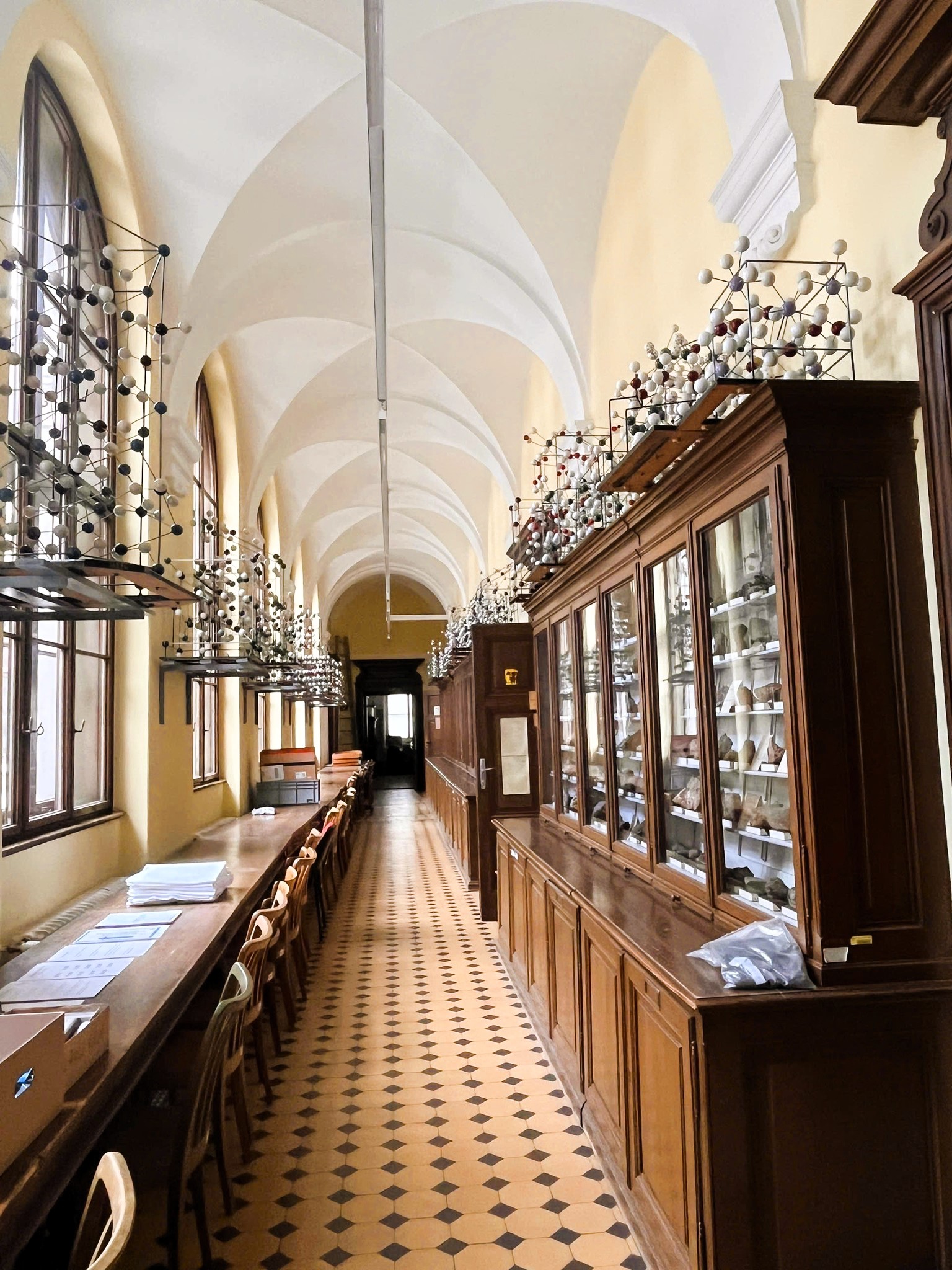
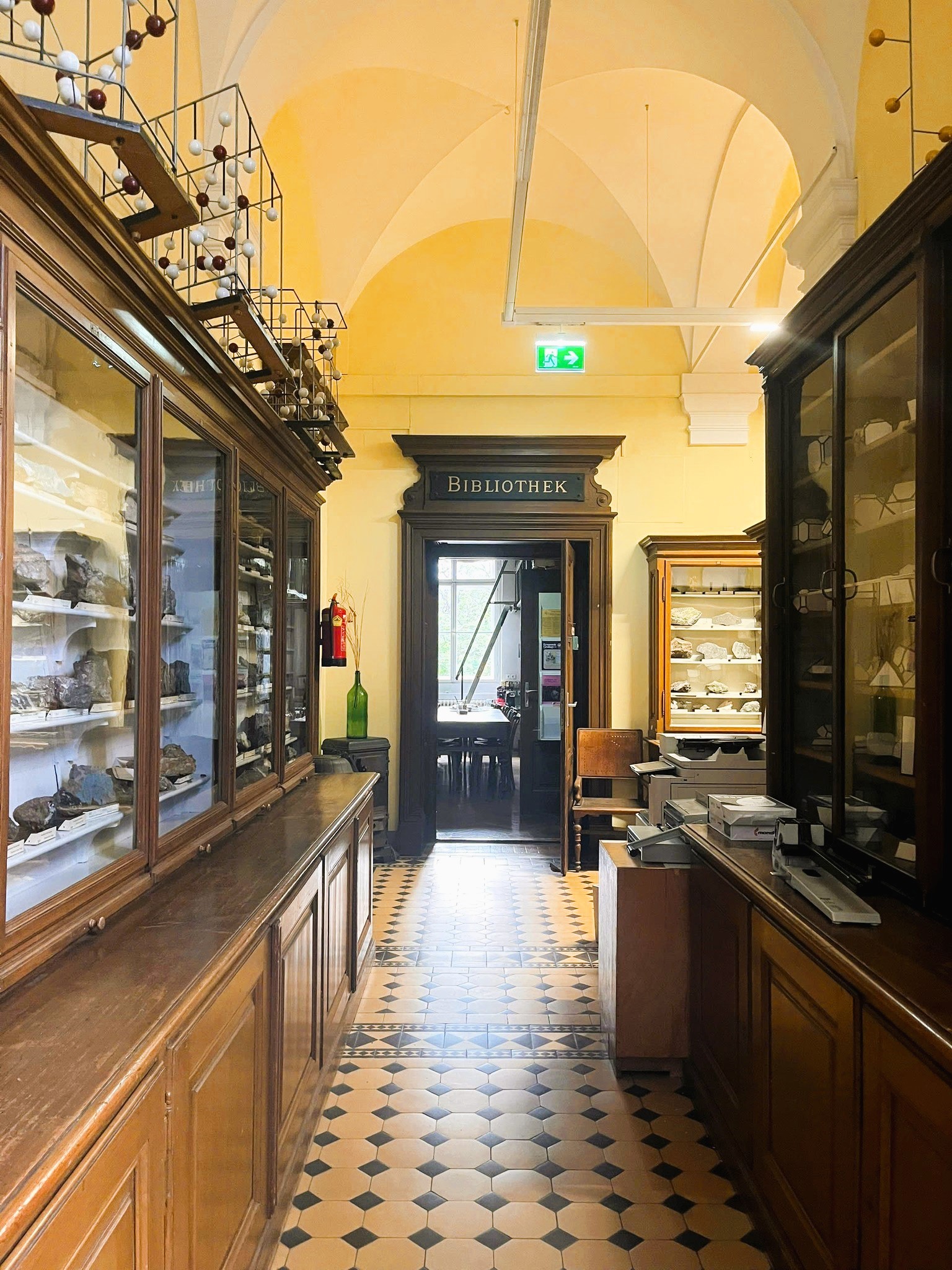
The geological specimen exhibition corridor at the NAWI Graz Geocenter, Institute of Earth Sciences, University of Graz.
Furthermore, the two institutions concurred on the expansion of scholarship and student exchange schemes, thereby facilitating opportunities for HCMUS lecturers, graduate students, and undergraduates to engage in research and academic training at the University of Graz, one of the leading centres for Earth Sciences in Europe.
In addition to administrative meetings, Assoc. Prof. Phạm Trung Hiếu participated in a field survey alongside Graz-based scientists and students in the western region of Graz, within the Paleozoic of the Graz Nappe Complex. The expedition concentrated on high-grade metamorphic formations, including eclogite, garnet–staurolite gneiss, amphibolite, and marble, as well as lithium pegmatite outcrops (Li-Cs-Ta) situated in proximity to one of the major lithium deposits in Europe—a resource of strategic importance for clean energy and sustainable development.
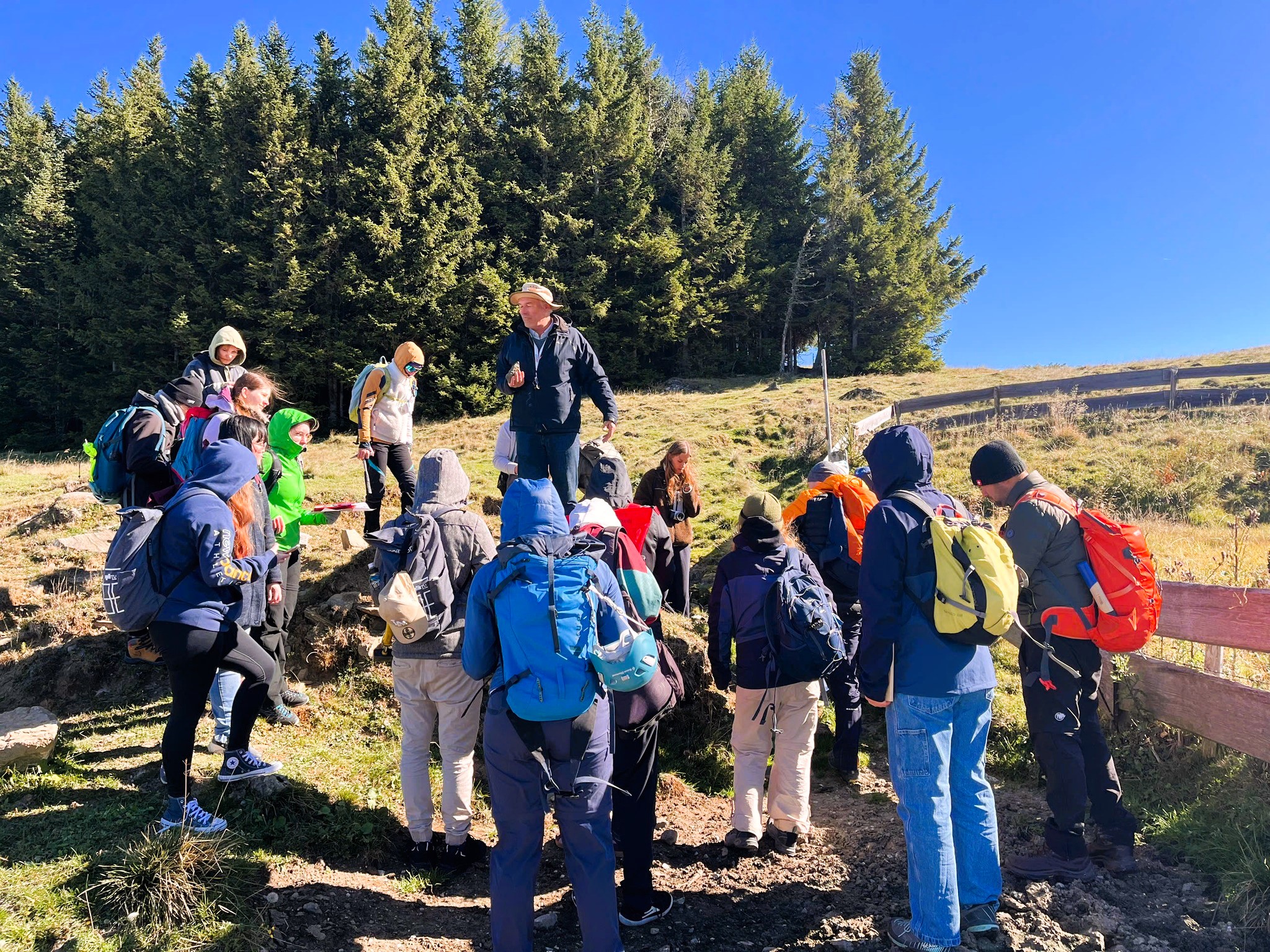
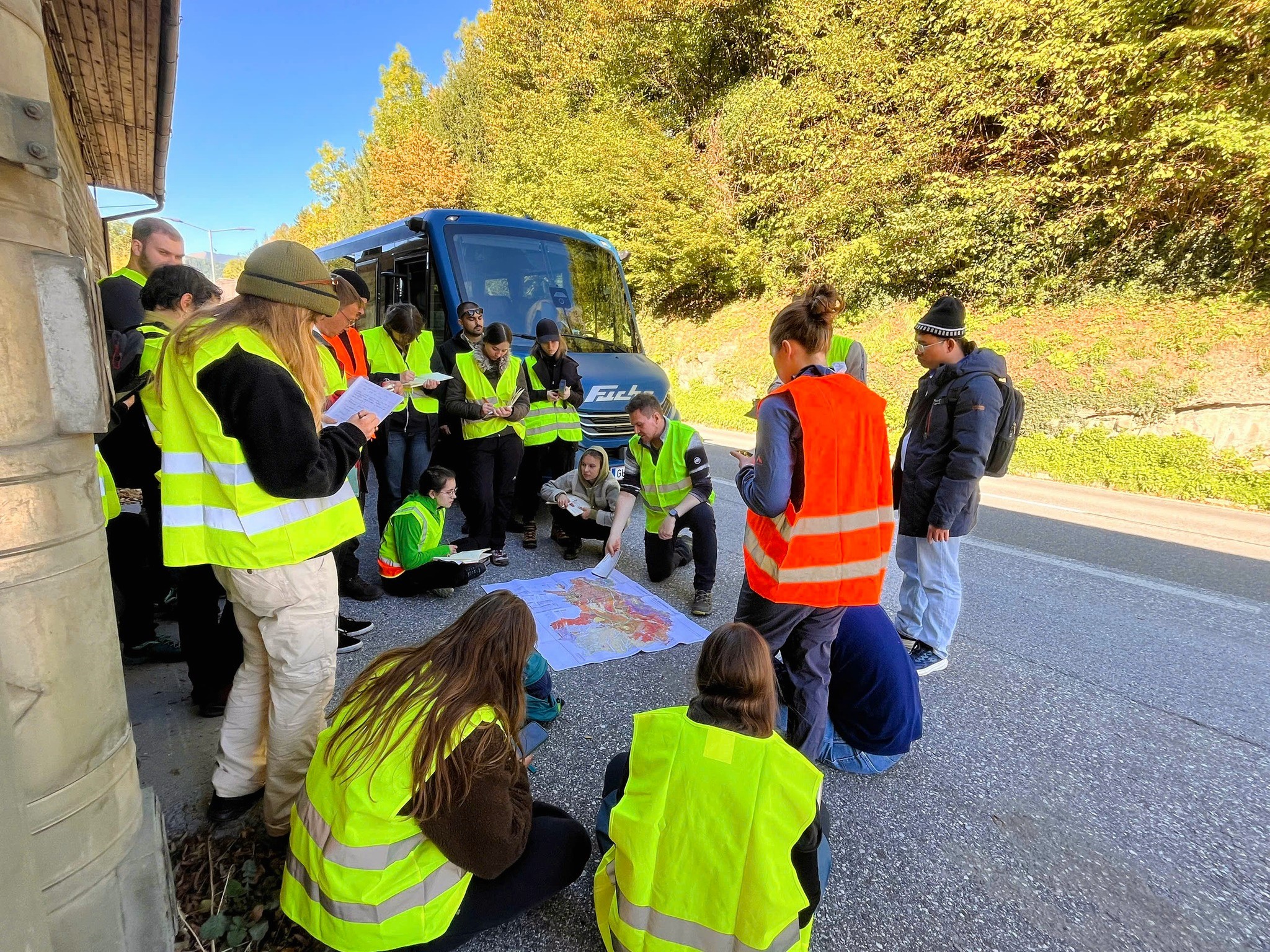
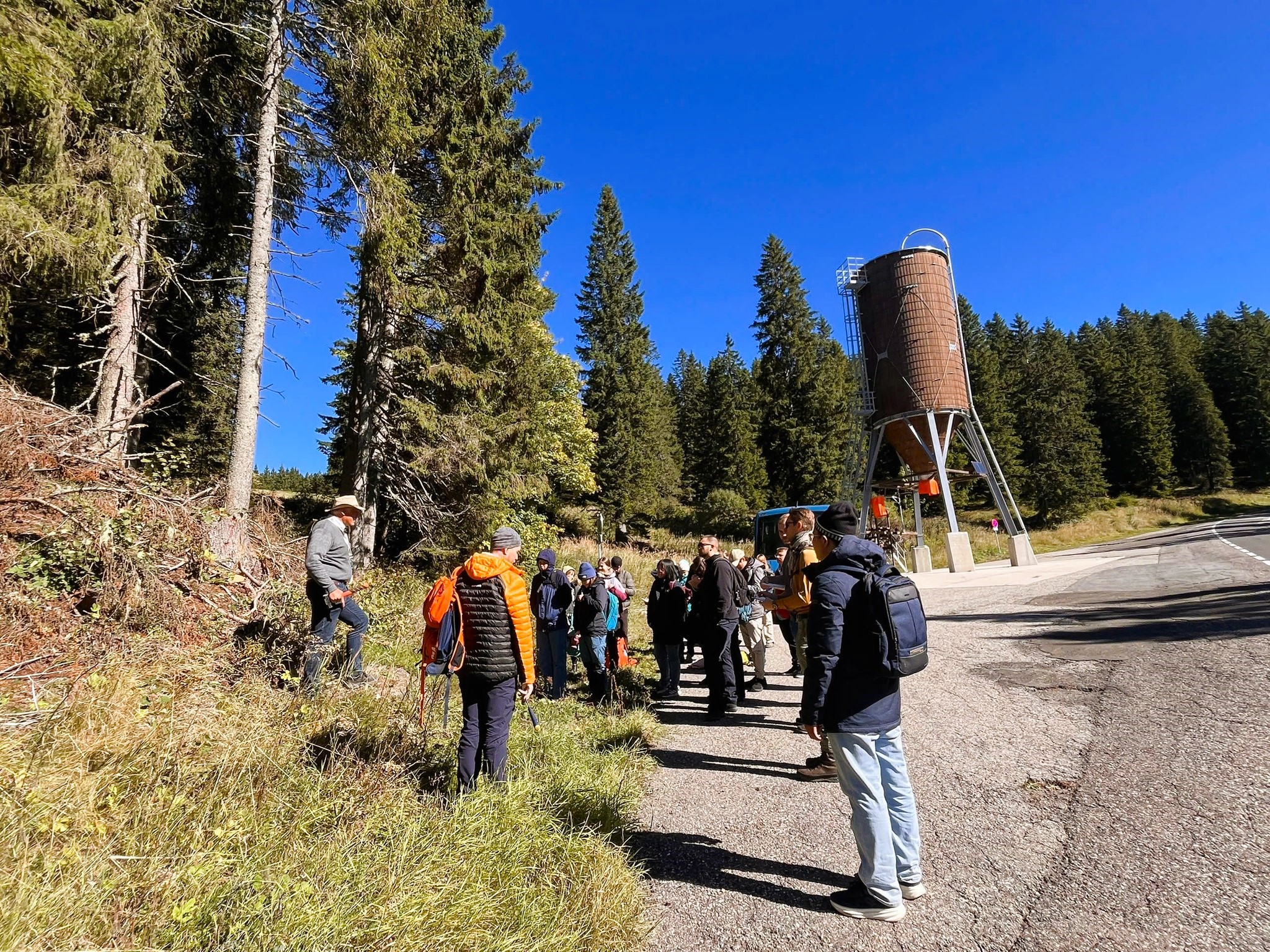
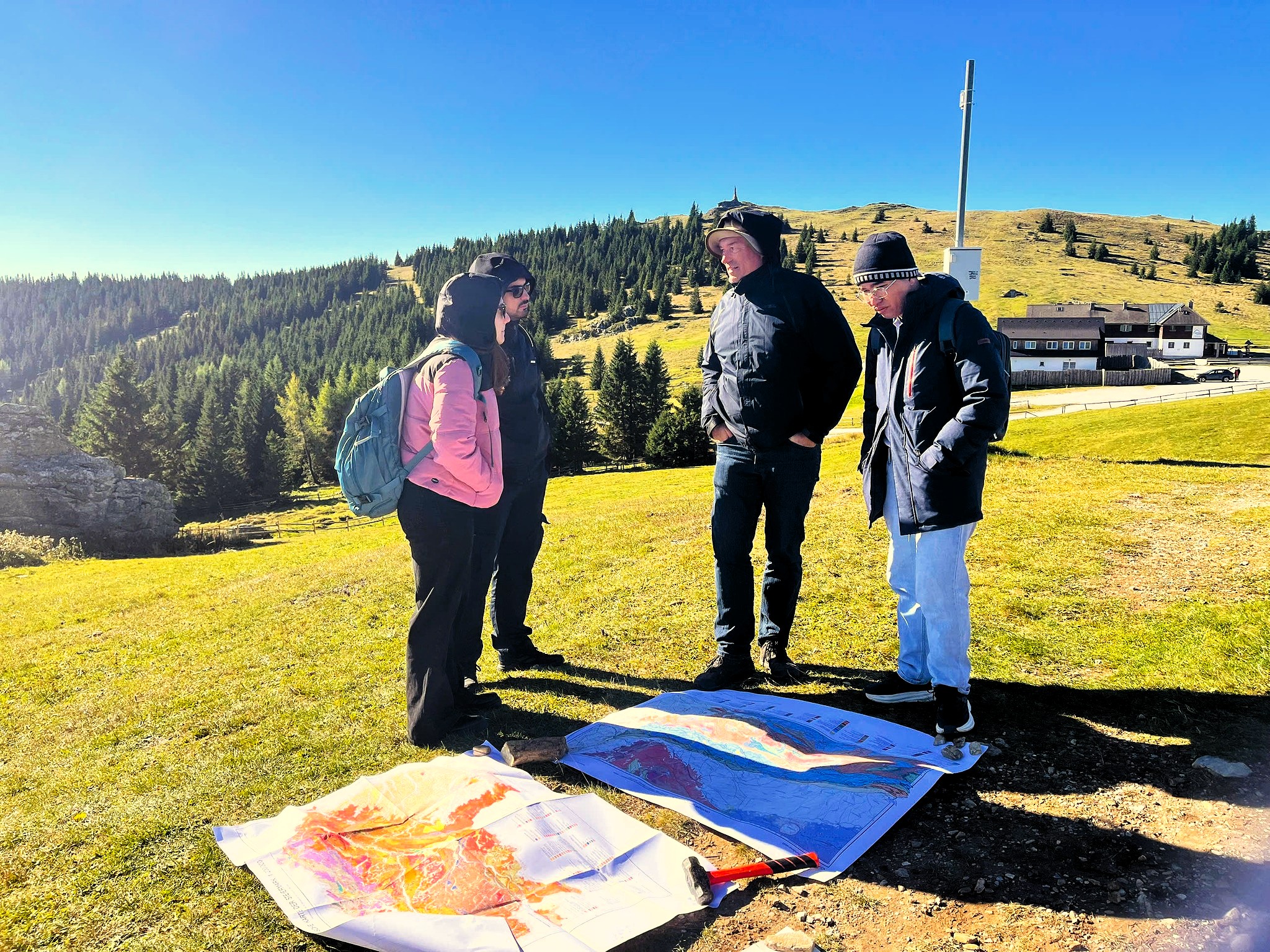
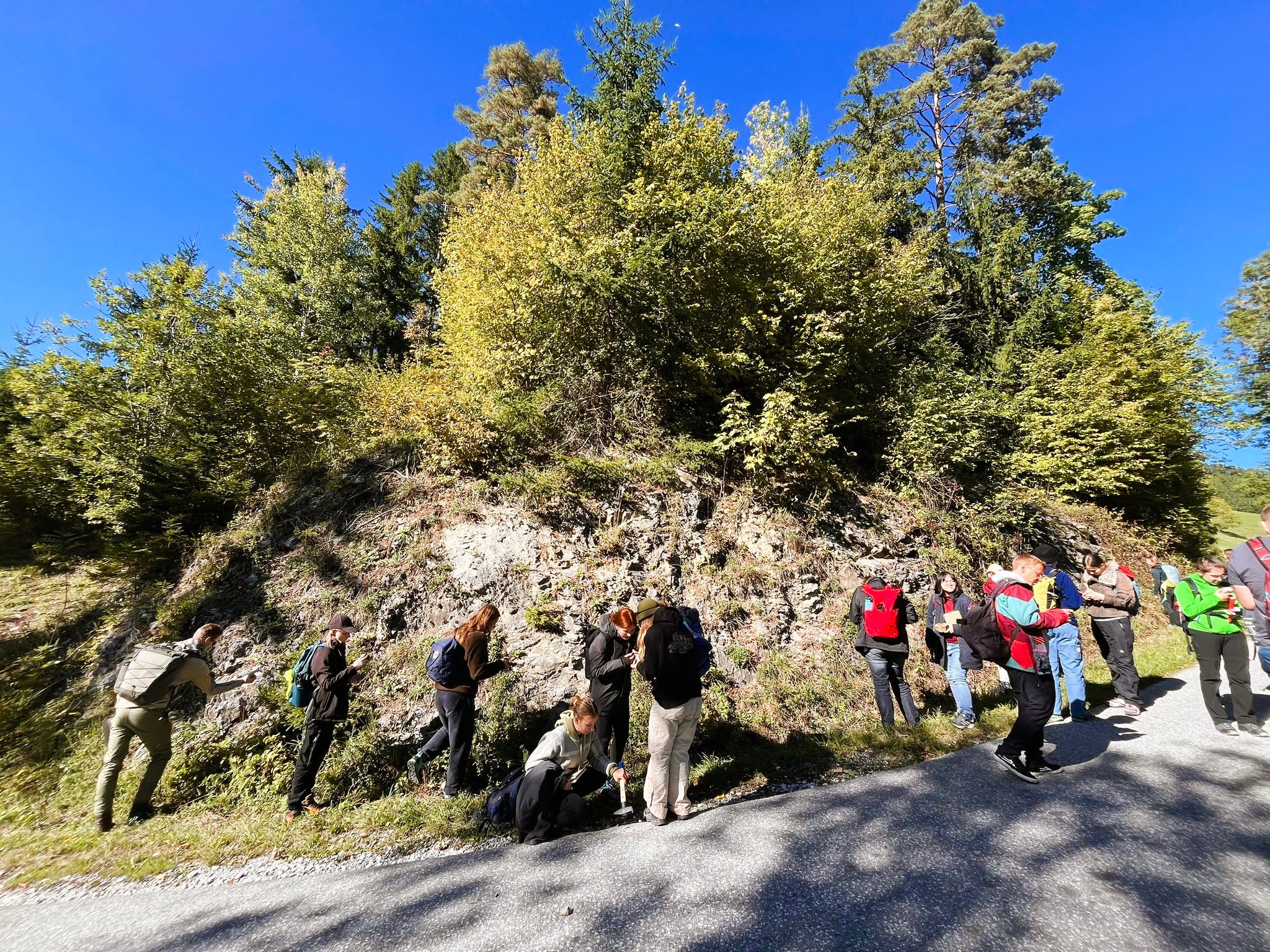
Field survey operations conducted by Assoc. Prof. Phạm Trung Hiếu in conjunction with scientists and students from the University of Graz.
These field operations offered a platform for extensive academic exchange concerning metamorphic geology, rare minerals, and regional tectonic evolution. The delegation collected valuable samples for the Geological Specimen Display Room at HCMUS, contributing significantly to teaching and research excellence.
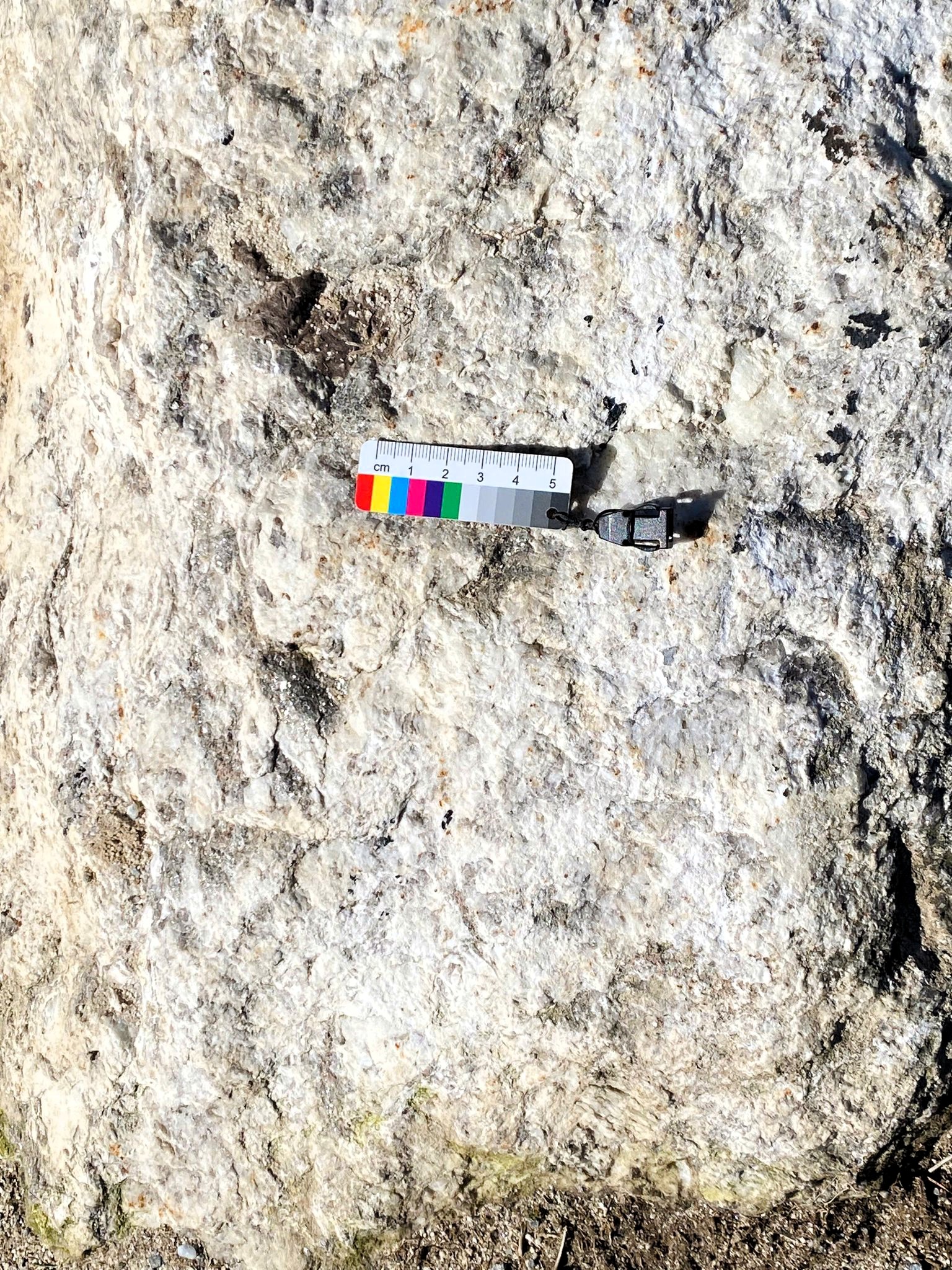
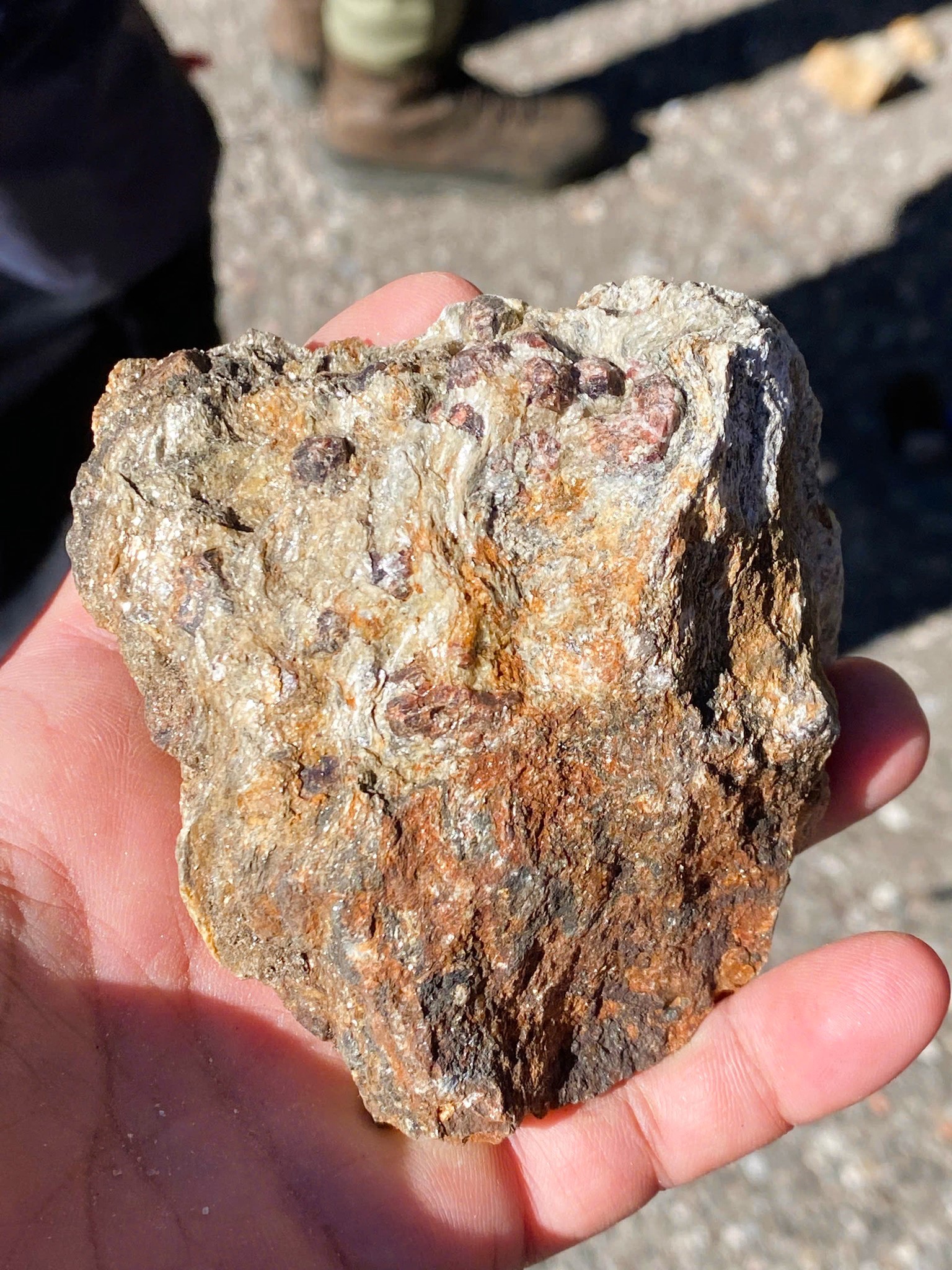
Geological specimens acquired during the field survey.
About the University of Graz, Austria
Established in 1585, the University of Graz stands as the second-oldest university in Austria and remains among the largest higher education institutions in the country. The university maintains a renown for excellence in research and teaching across natural sciences, Earth sciences, engineering, environmental studies, social sciences, and the humanities.
Possessing an extensive international network, the University of Graz sustains partnerships with leading global institutions through student exchanges, research scholarships, scientific projects, and postgraduate training programmes. State-of-the-art research facilities, including the Institute of Earth Sciences and the NAWI Graz Geocenter, hold recognition as premier European hubs for geological and mineral research.
Leave a Reply