

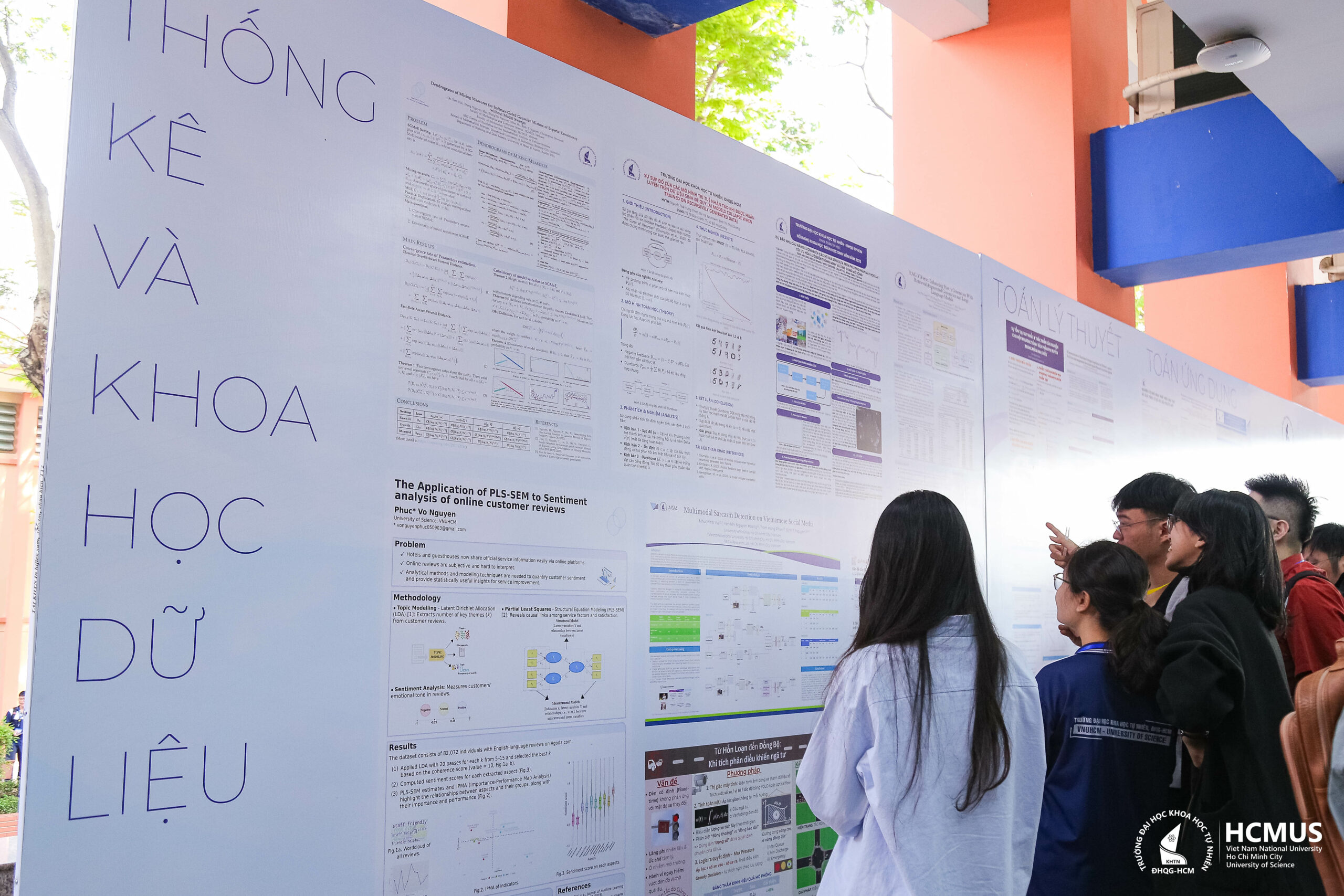
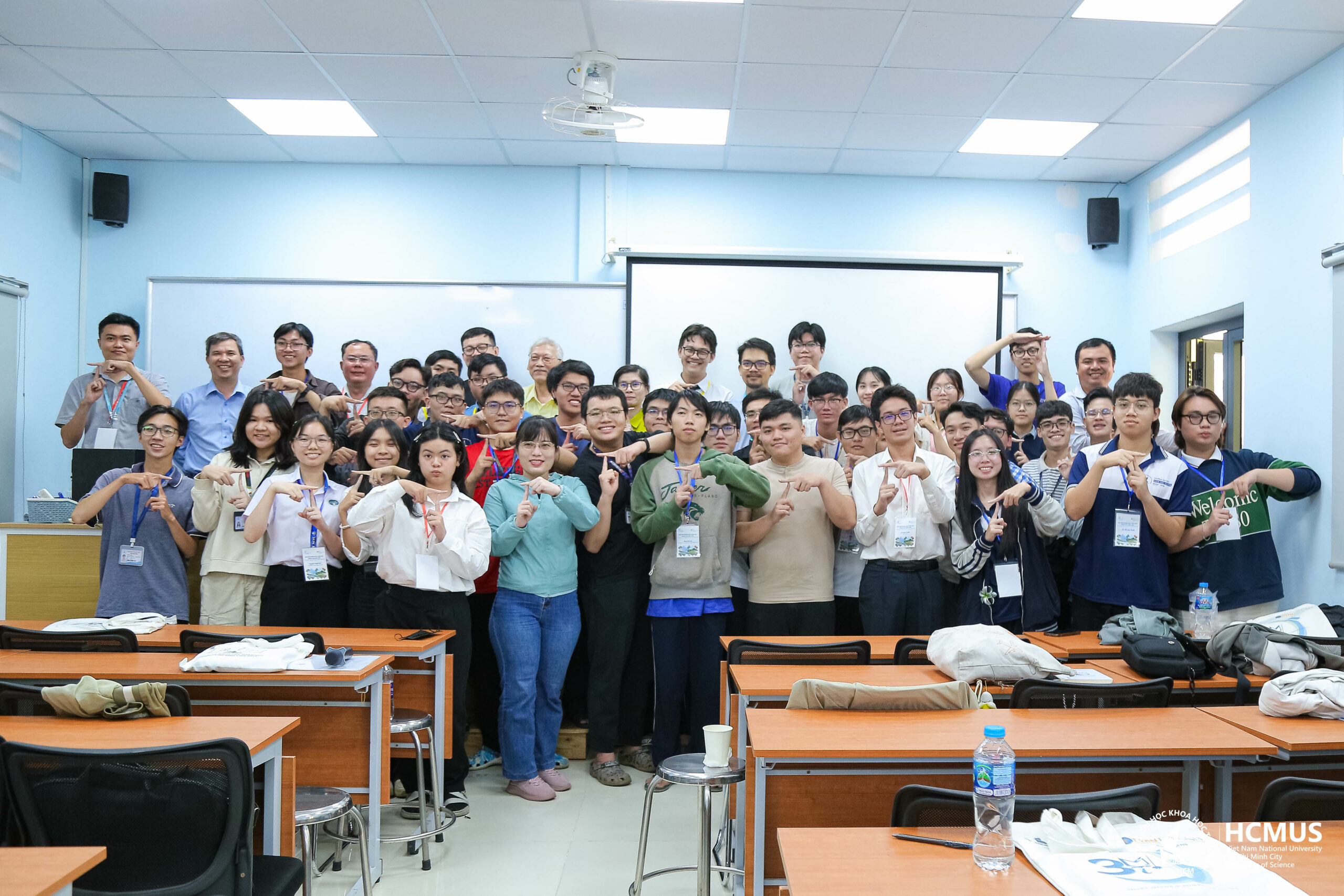
On 12 December, VNUHCM-University of Science (HCMUS) convened the 2025 Student Mathematics Scientific Conference at the Nguyen Van Cu campus, attracting over 270 lecturers, researchers, and students. The programme comprised a plenary session alongside three parallel sub-committees, reflecting the diverse and vibrant research landscape characteristic of the University’s student body.
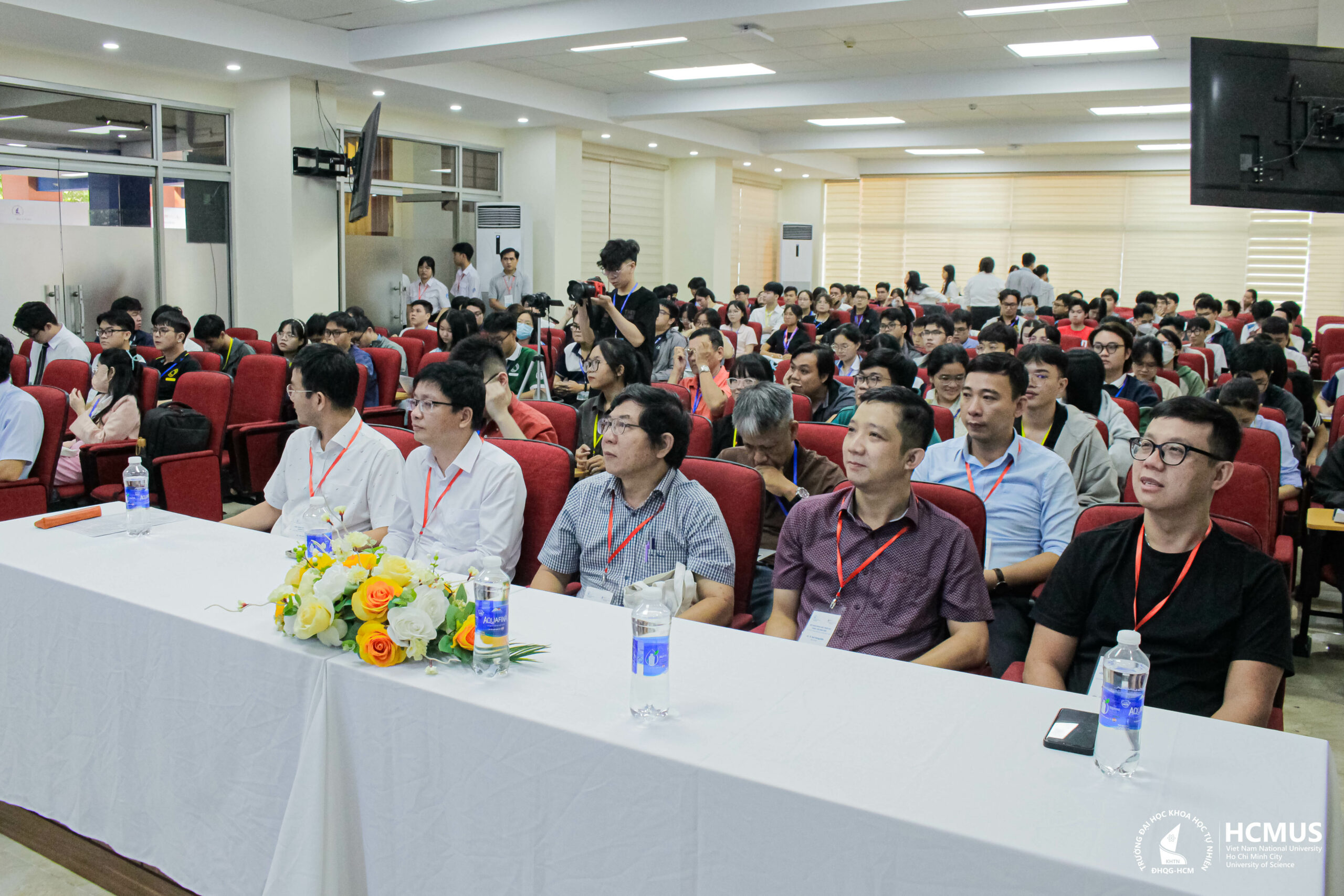
The assembly was organised to encourage scientific research activities amongst mathematics students whilst elucidating the fundamental role and extensive applicability of mathematics within science, technology, education, and social life—particularly amidst the context of profound digital transformation. Furthermore, this event served as a forum for students to present academic results, exchange research ideas, and engage with contemporary mathematical trends.
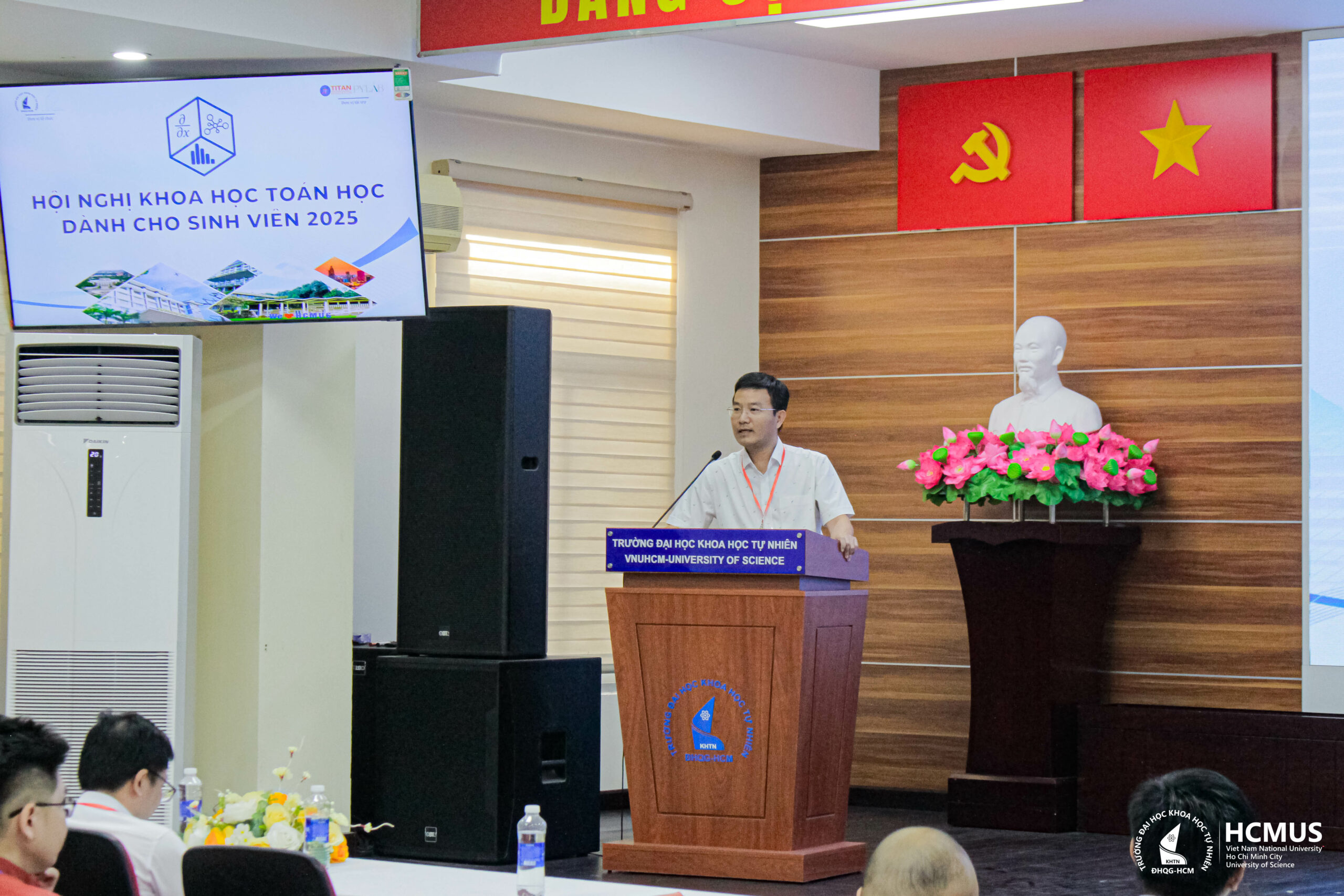
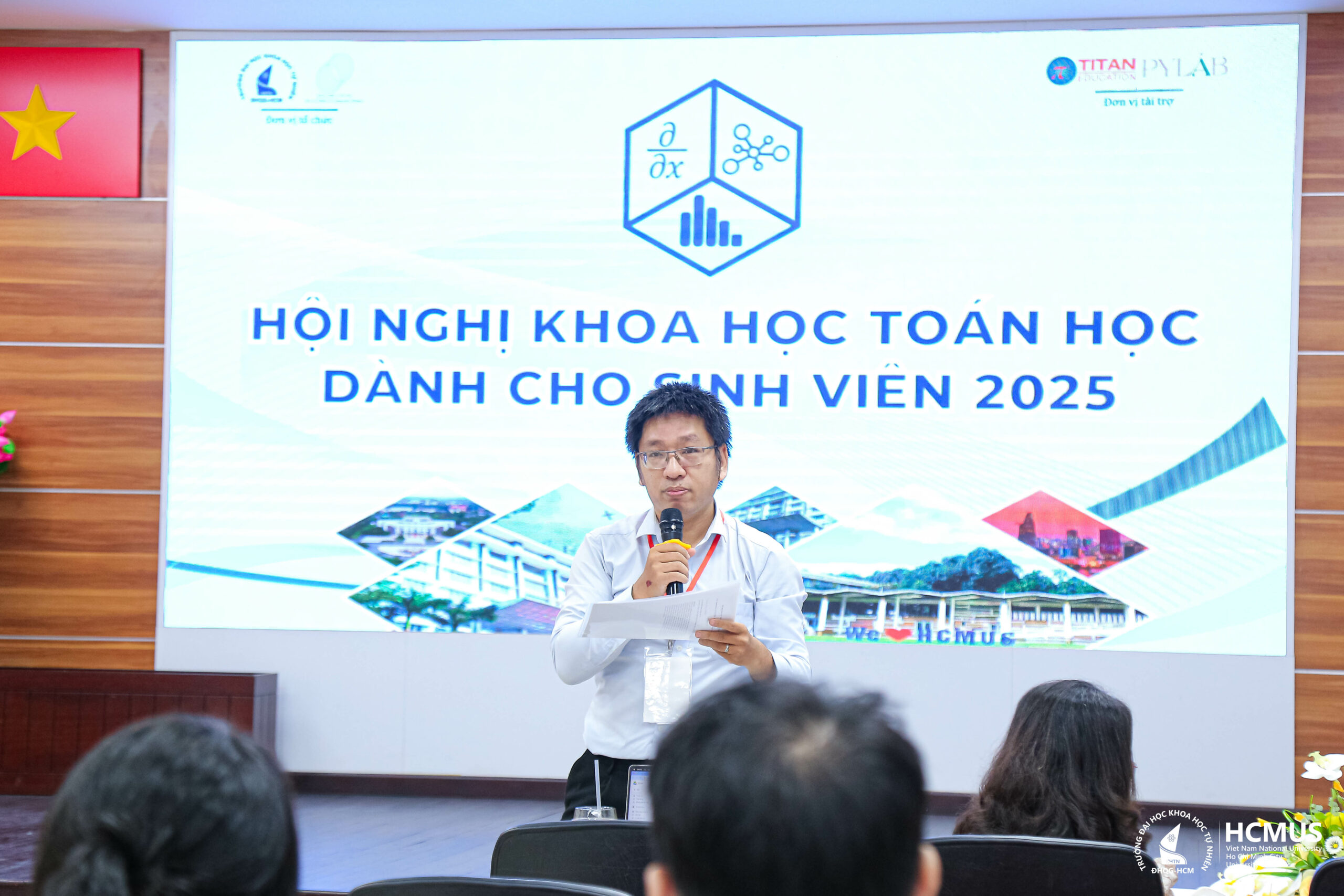
In the opening address, Dr Võ Đức Cẩm Hải – Dean of the Faculty of Mathematics and Computer Science – affirmed mathematics as the cognitive foundation enabling learners to adapt to the fluctuations of the digital era. Dr Hải acknowledged the diligent efforts of the student groups and emphasised the function of this gathering in nurturing a passion for research directly from the lecture hall.
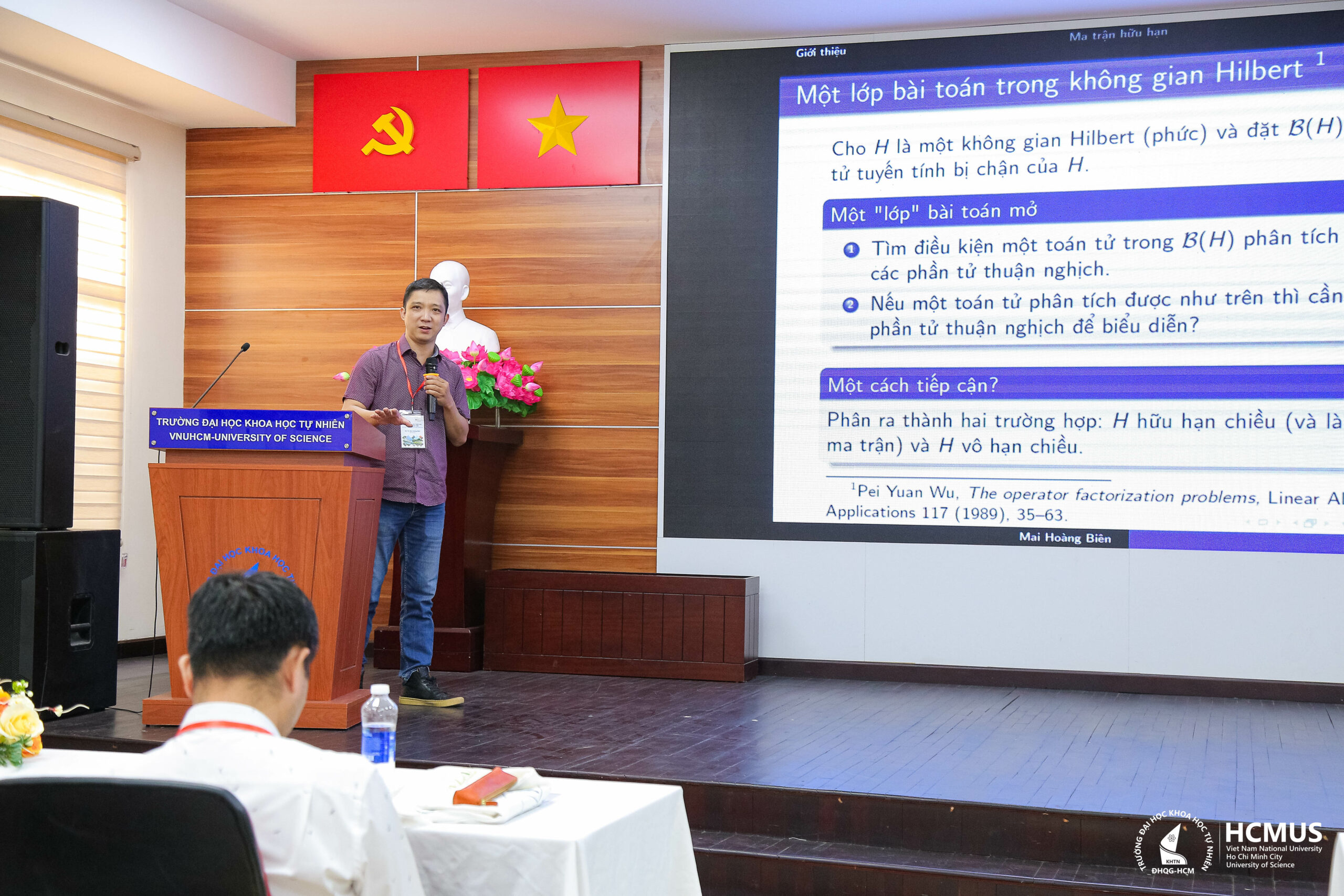
During the plenary session chaired by Assoc. Prof. Lý Kim Hà, Prof. Mai Hoàng Biên presented the topic “Invertible elements through a yoga perspective”, introducing a novel approach by linking abstract algebraic concepts with familiar imagery from daily life. This presentation created an intriguing highlight, broadening the perspective of attendees regarding the connectivity between pure mathematics and visual structures.
Three specialised sub-committees, comprising Theoretical Mathematics, Applied Mathematics, and Statistics & Data Science, recorded in-depth reports from students. Within the Theoretical Mathematics sub-committee, research groups presented core contents of modern mathematics such as nonlinear Schrödinger equations, nonlinear integral equations, functional analysis, and fractional operators.
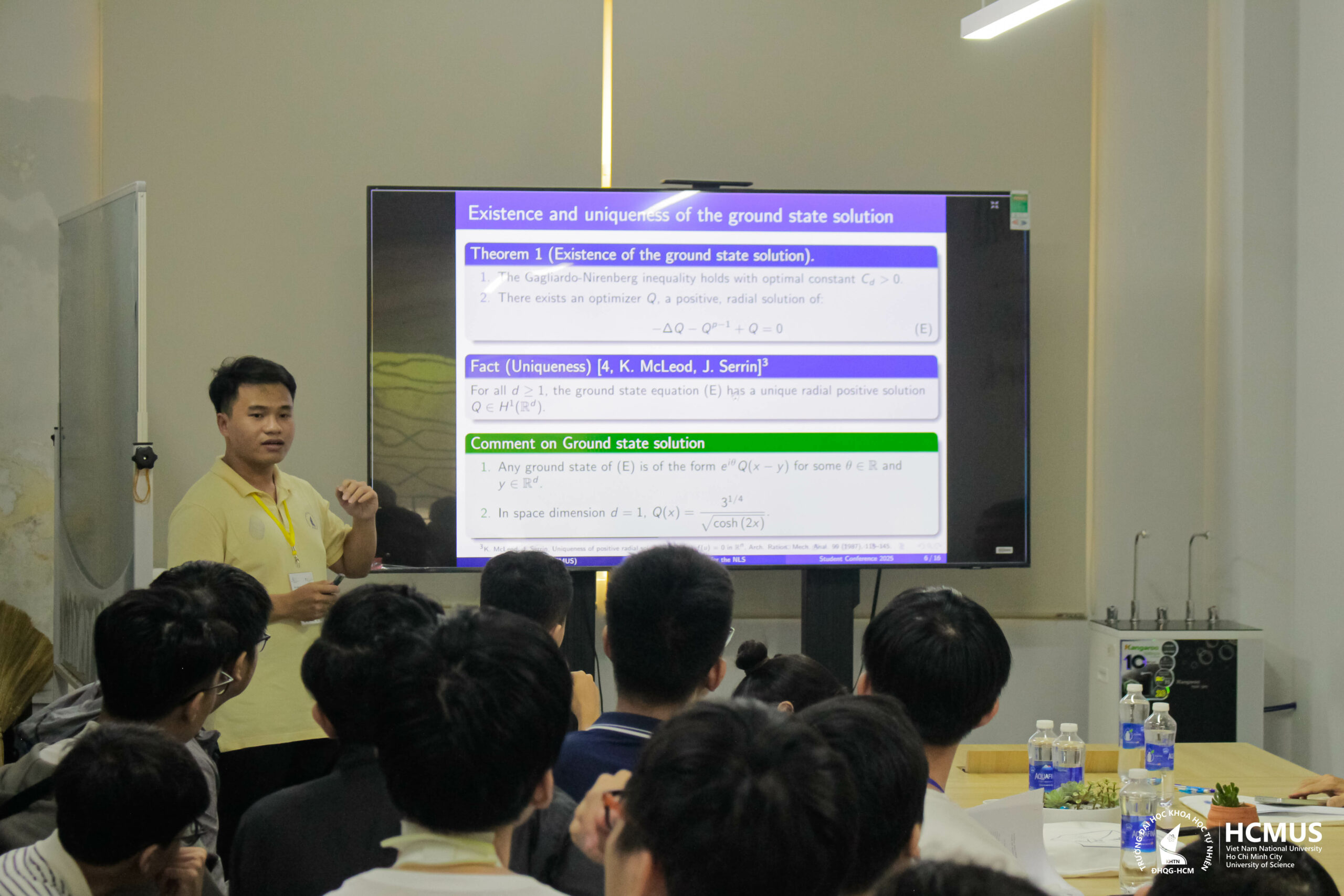
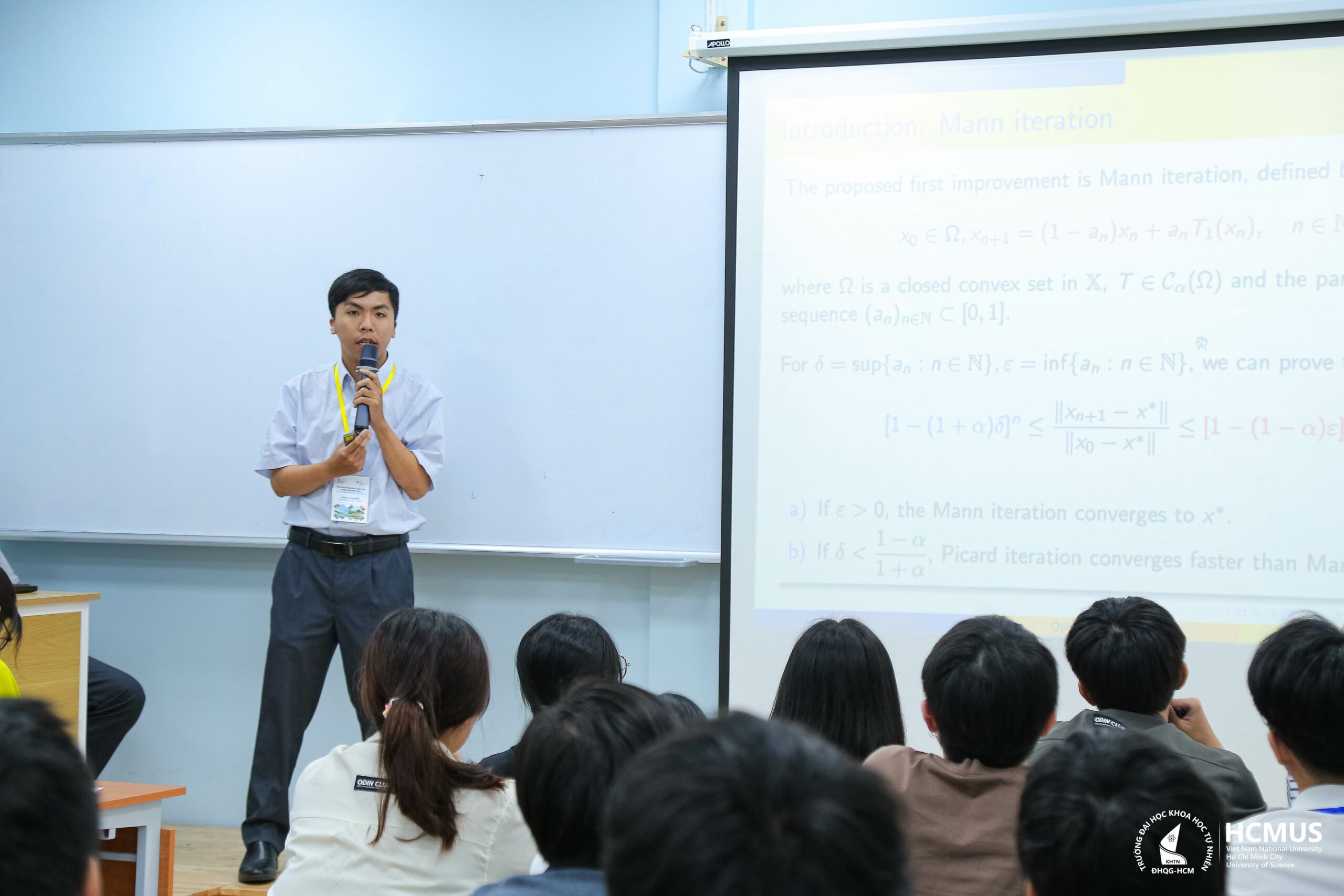
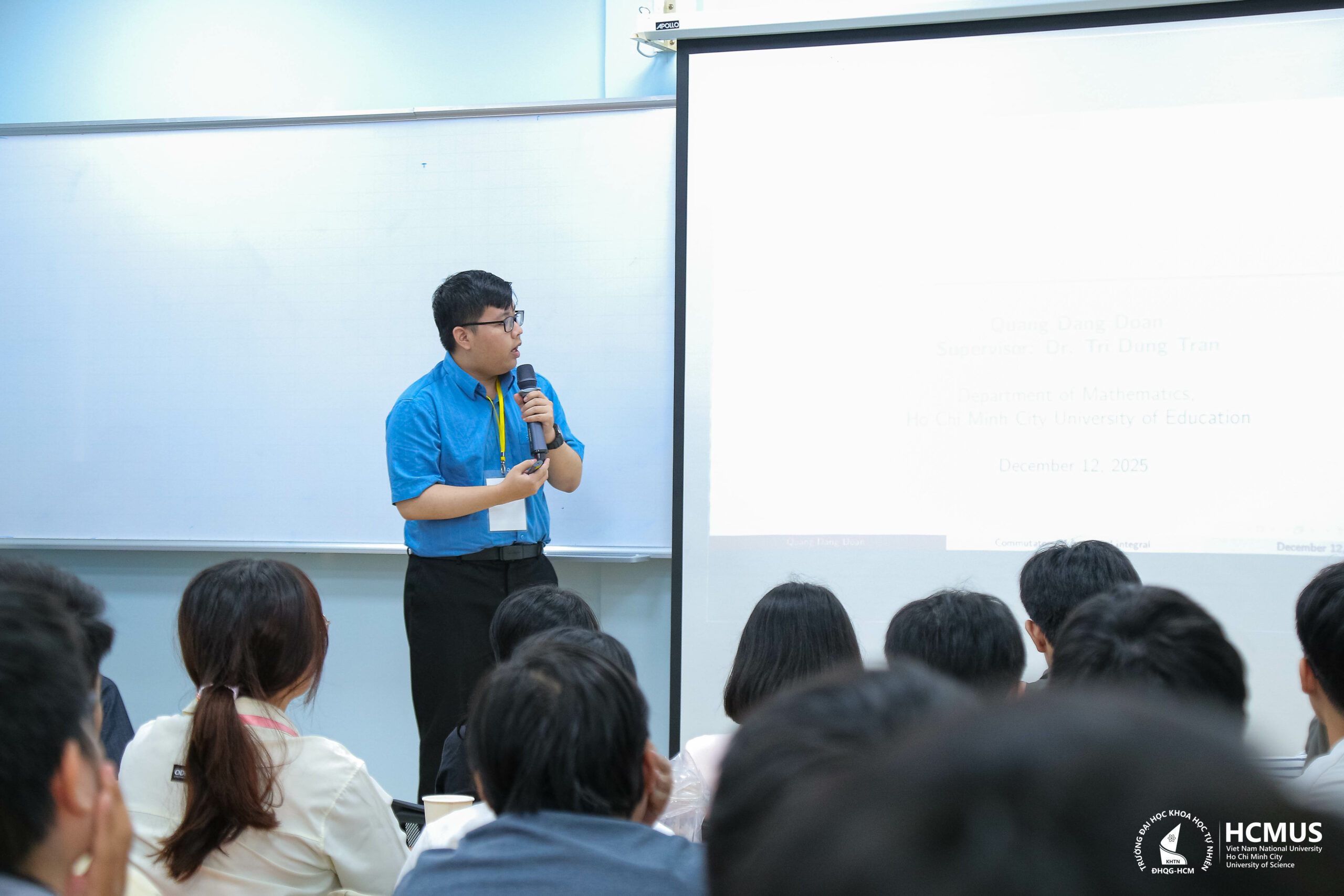
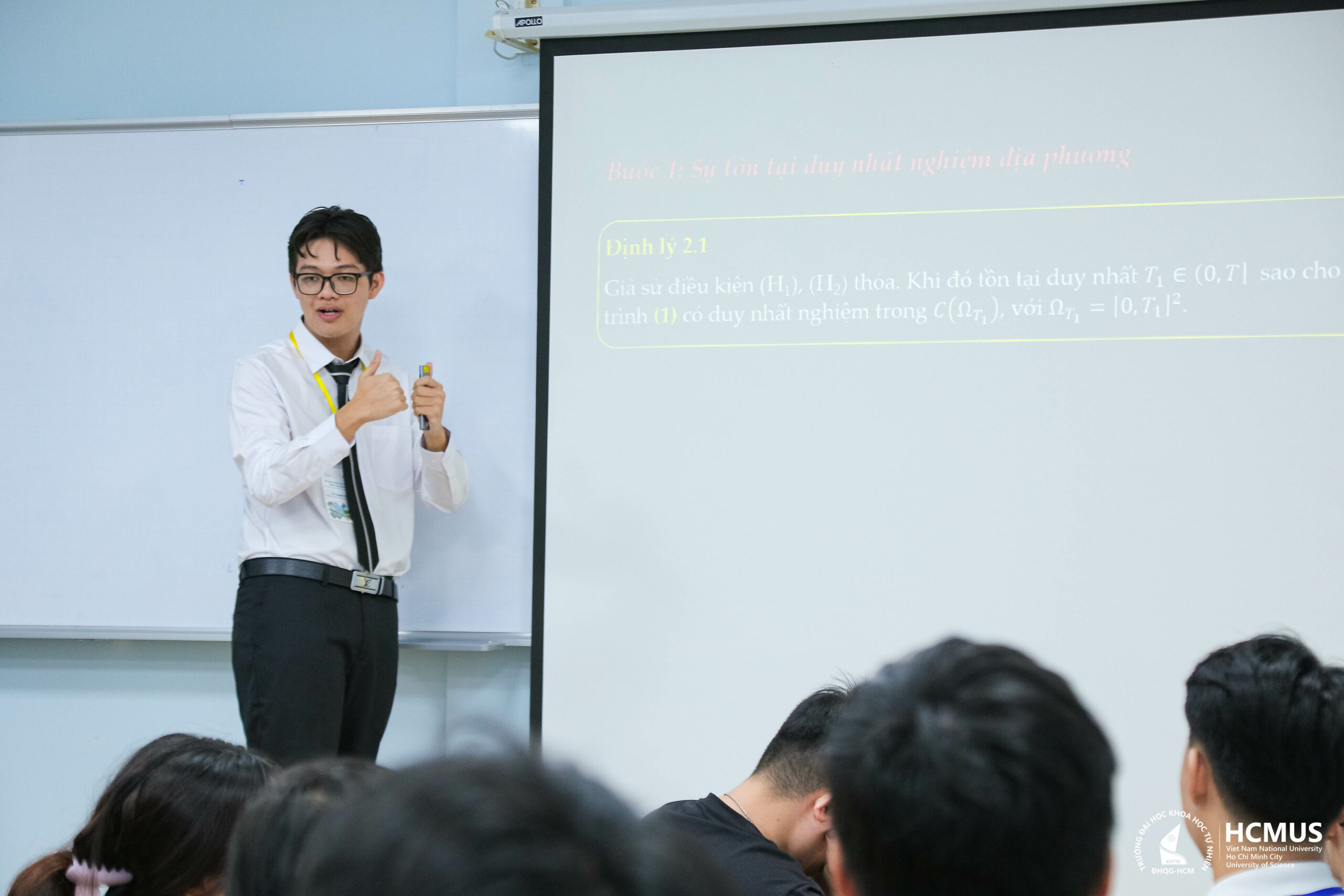
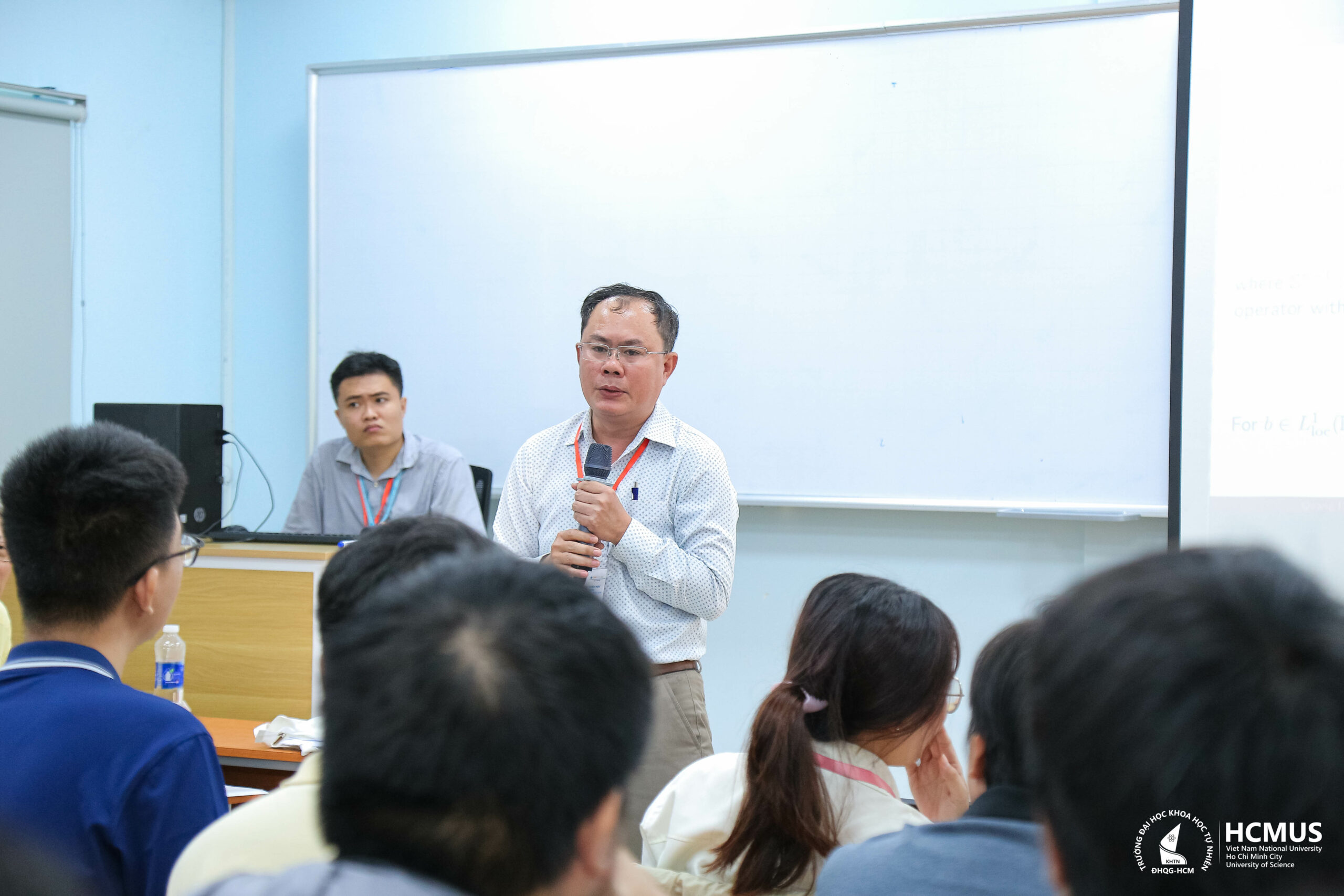
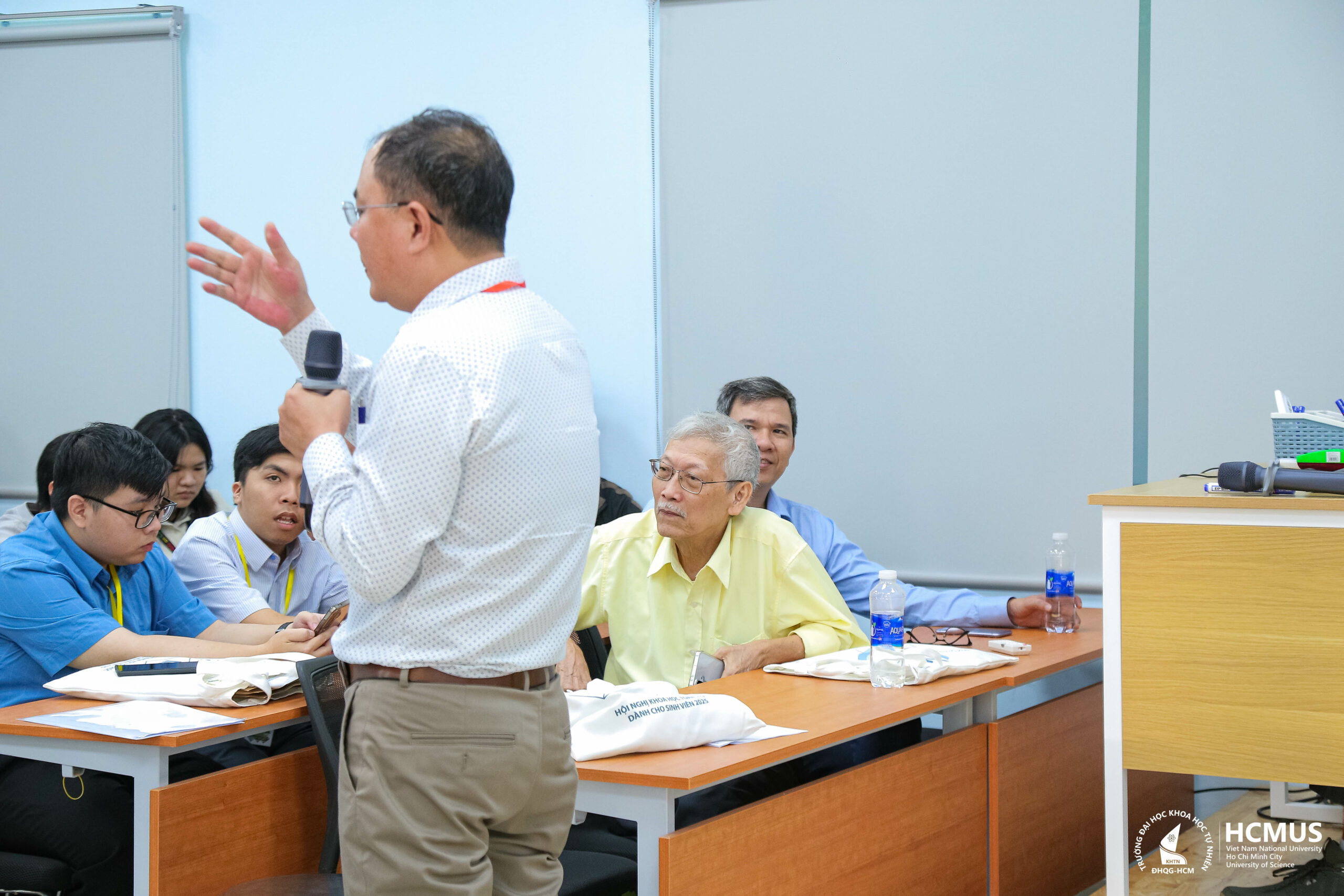
In the Applied Mathematics sub-committee, reports focused on modelling and resolving specific problems directly related to humanity, ranging from breast cancer diagnosis, Vietnamese handwriting recognition, and population dynamics models, to Nash equilibrium and the application of artificial intelligence in supporting education for visually impaired pupils.
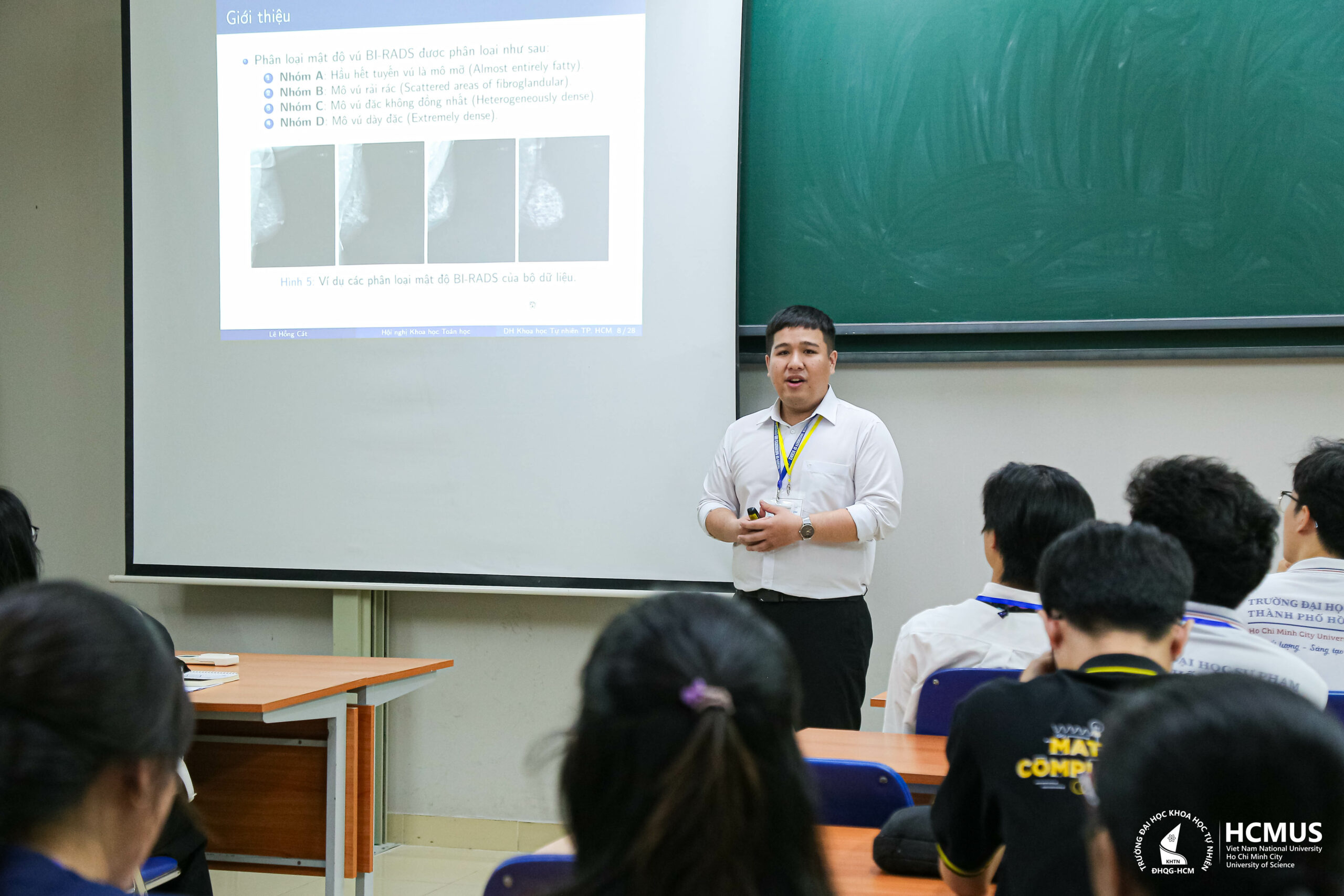
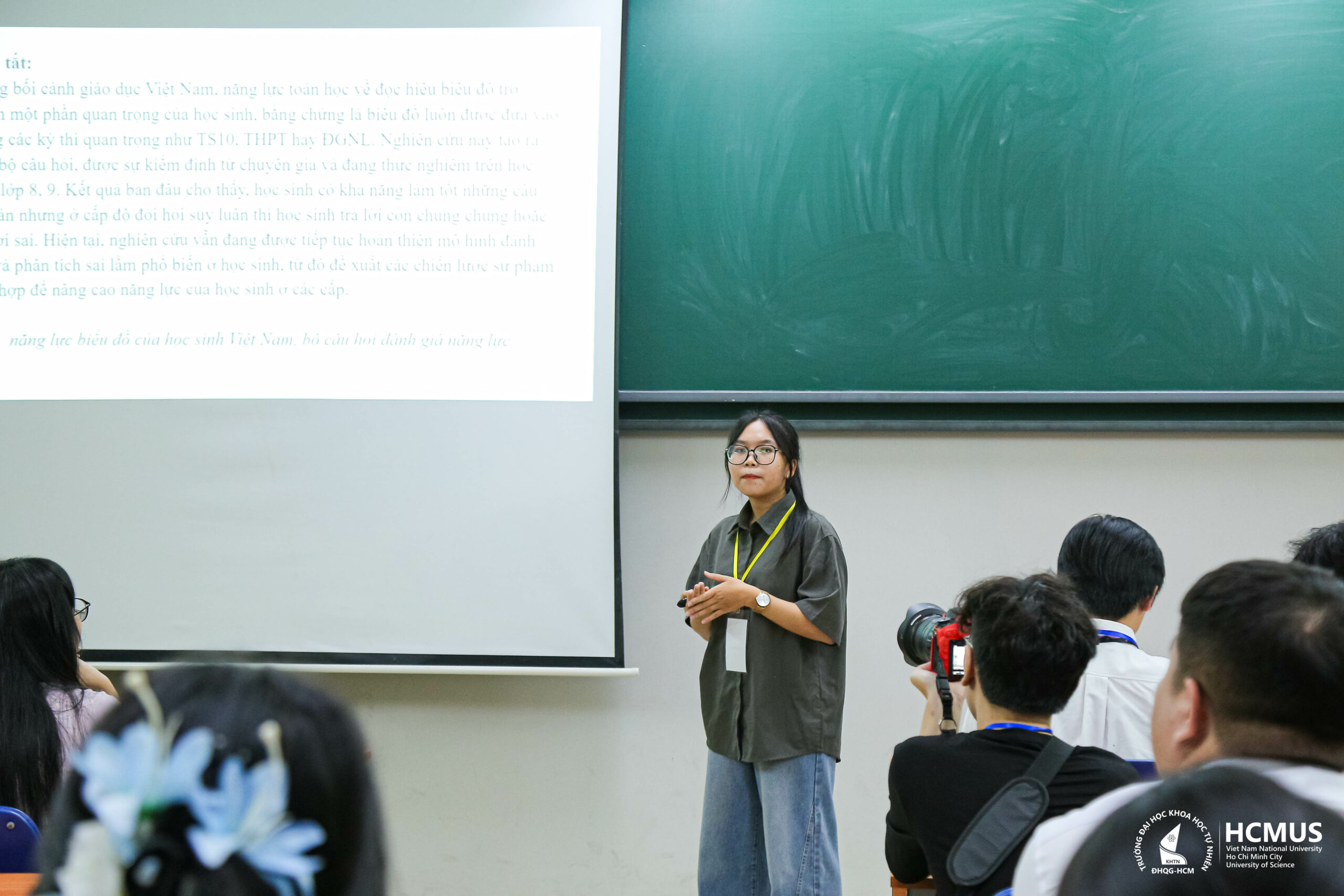
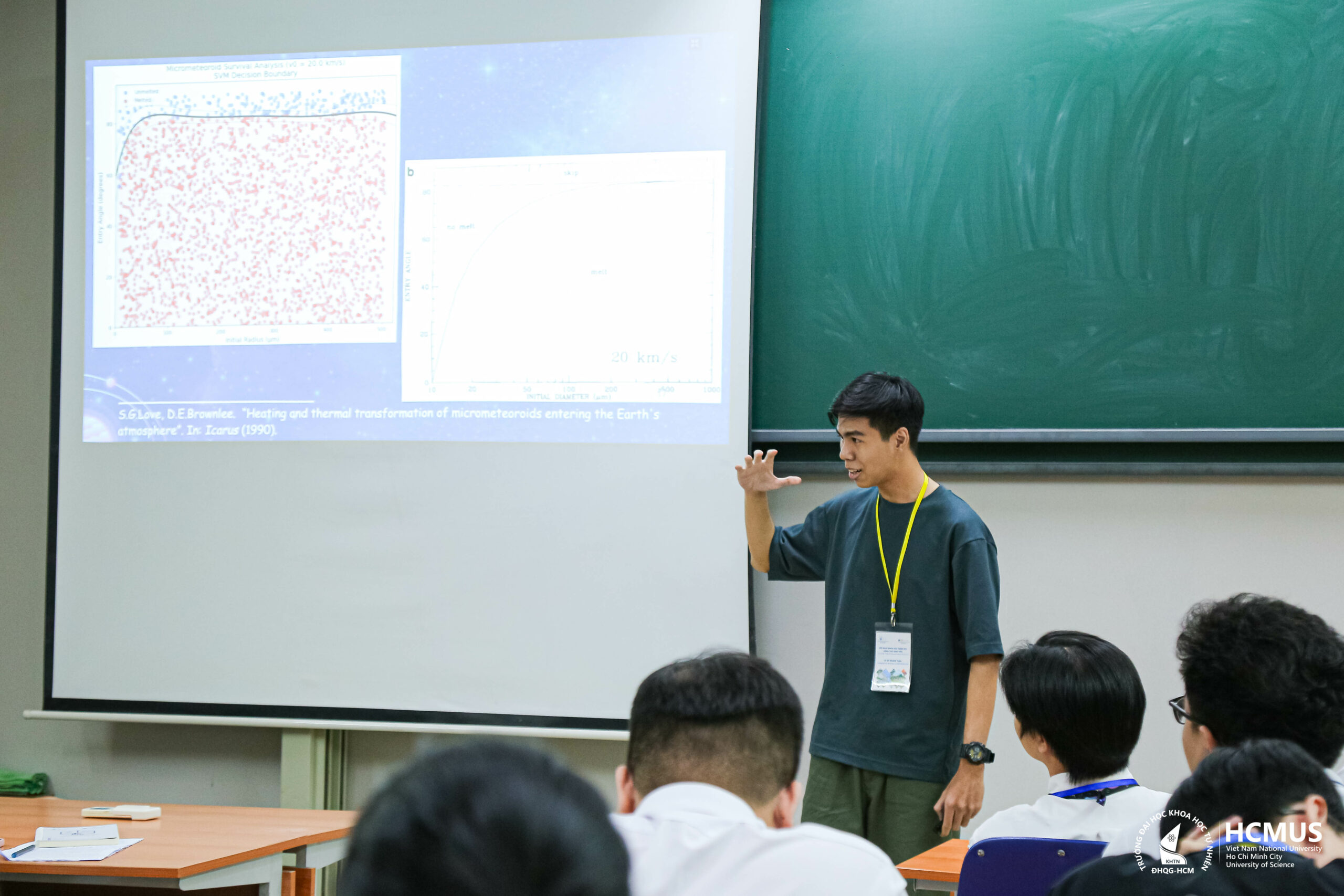
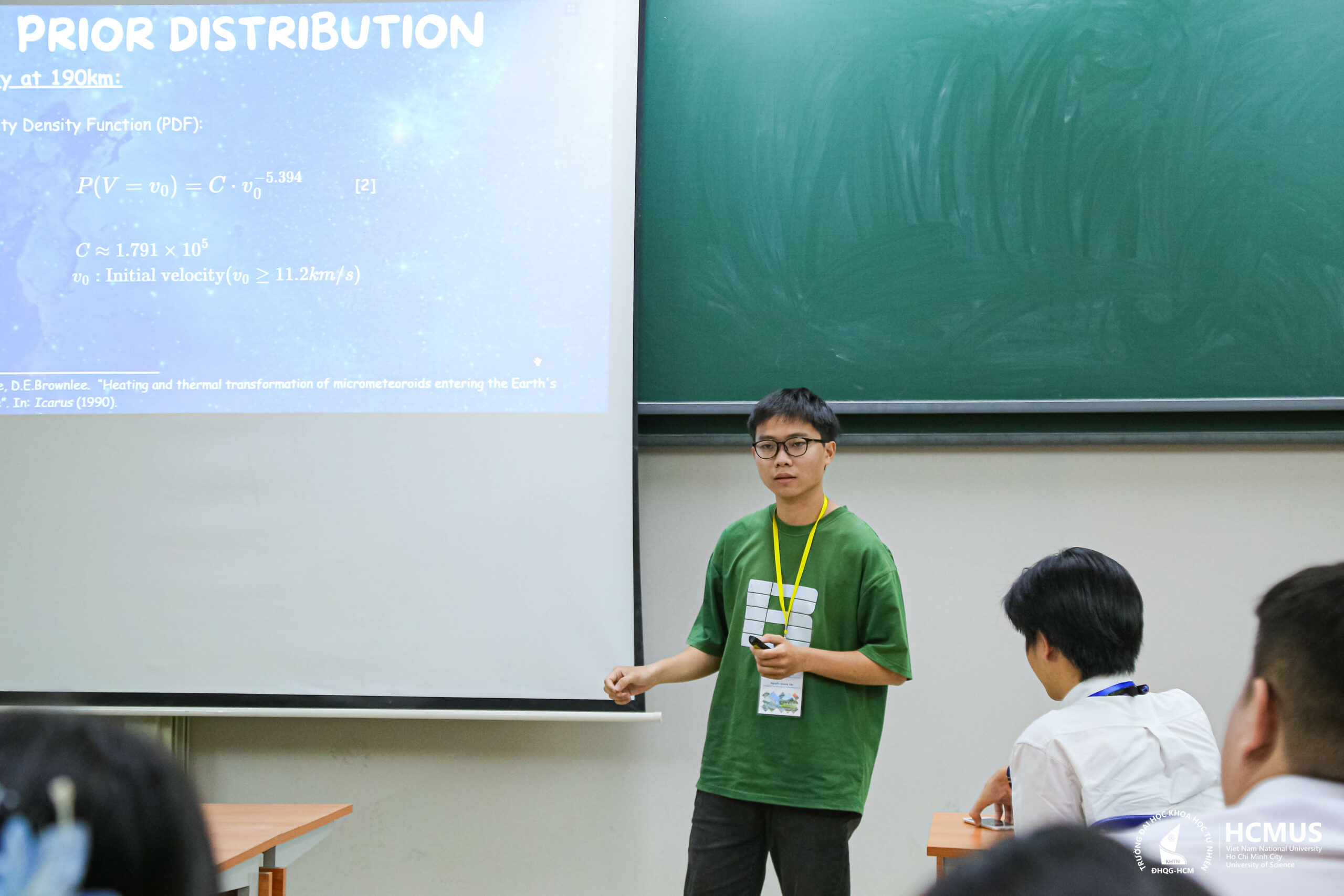
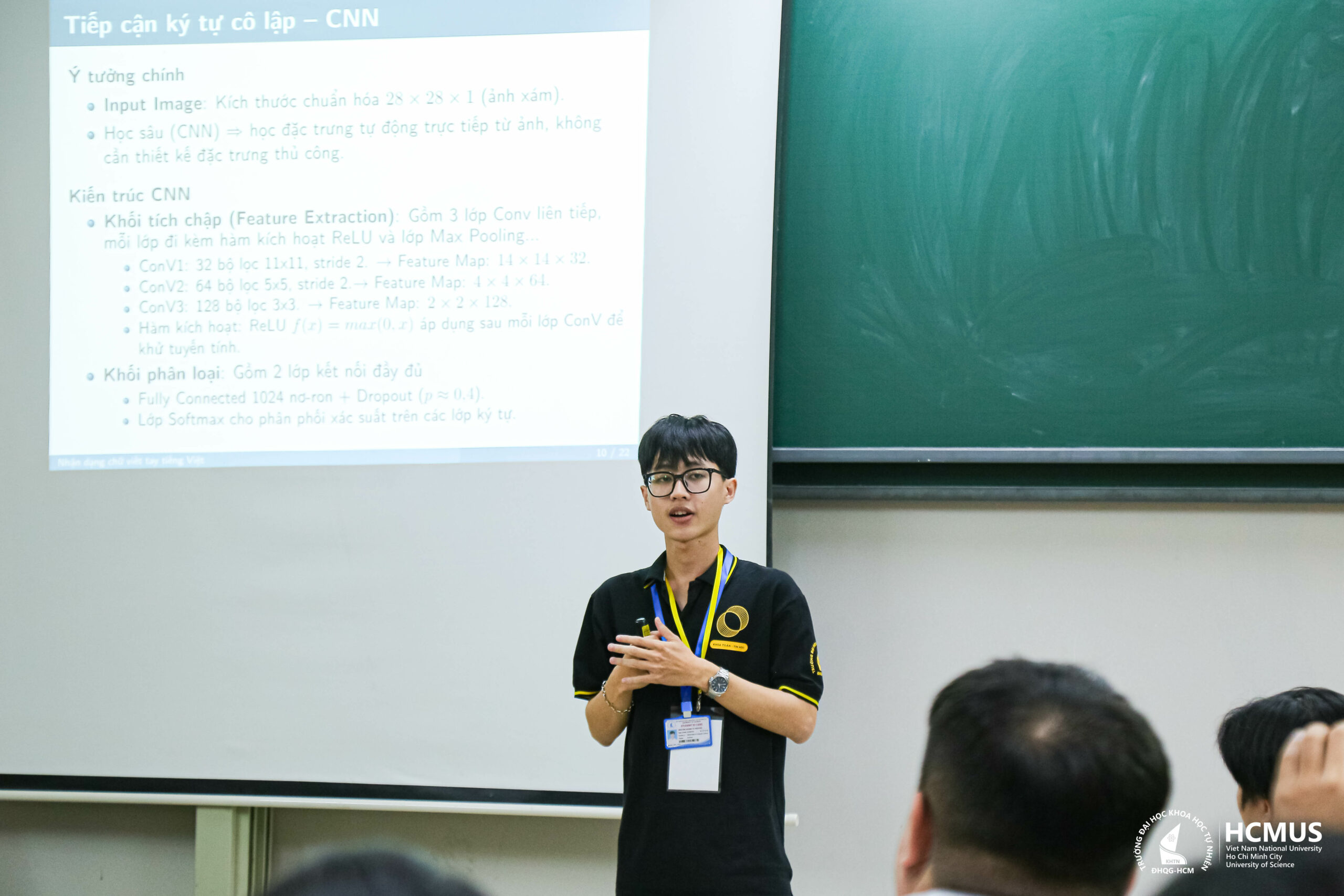
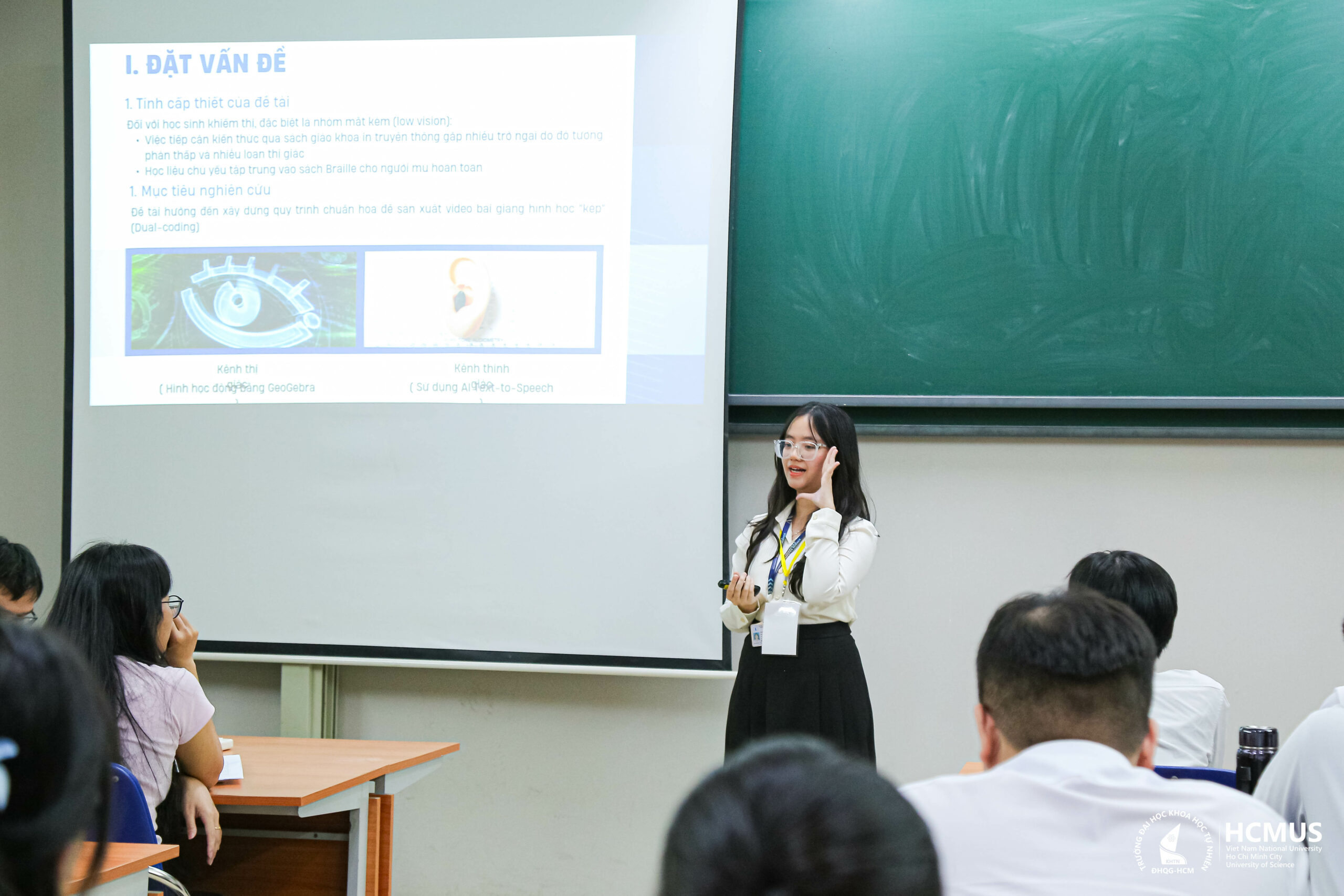
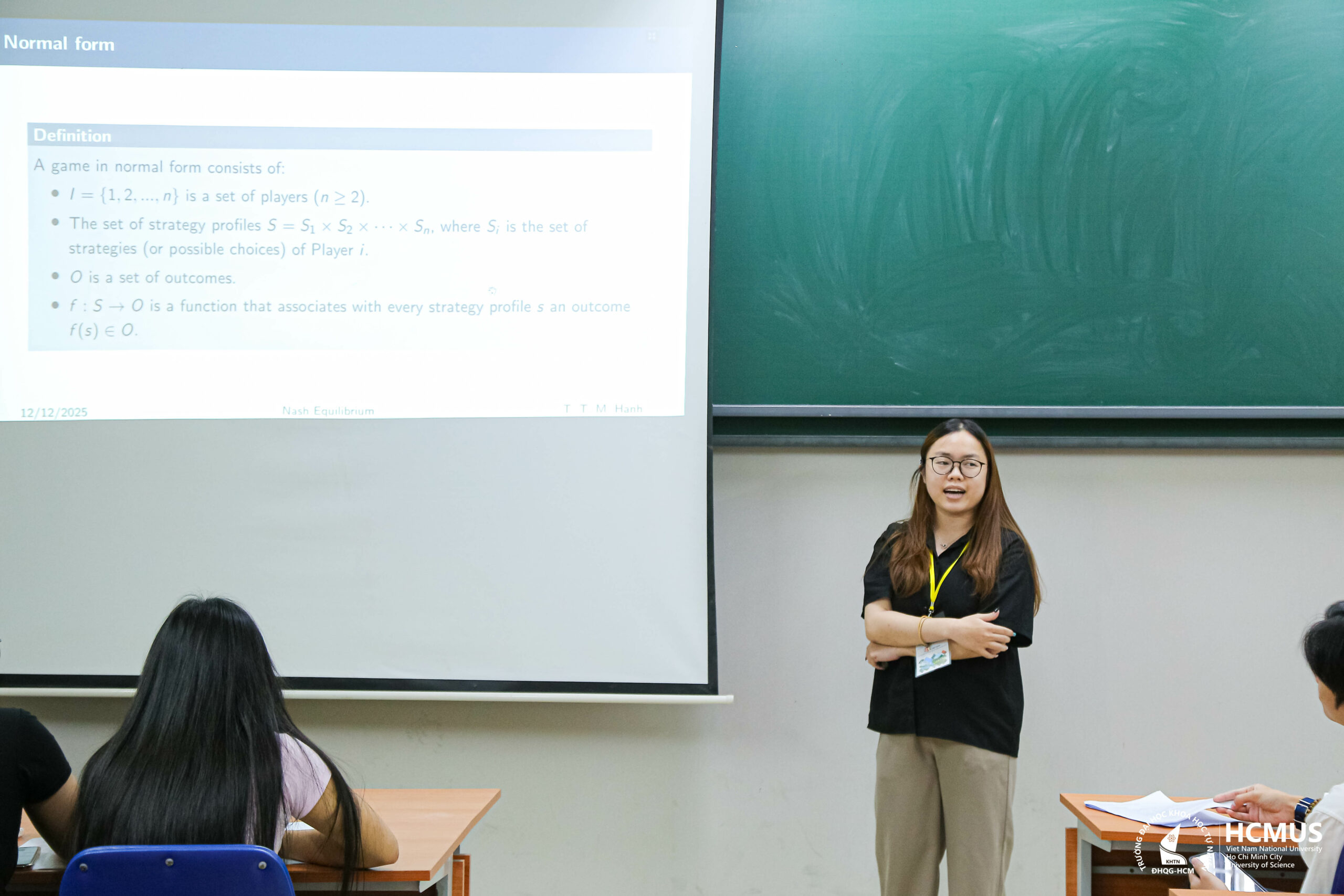
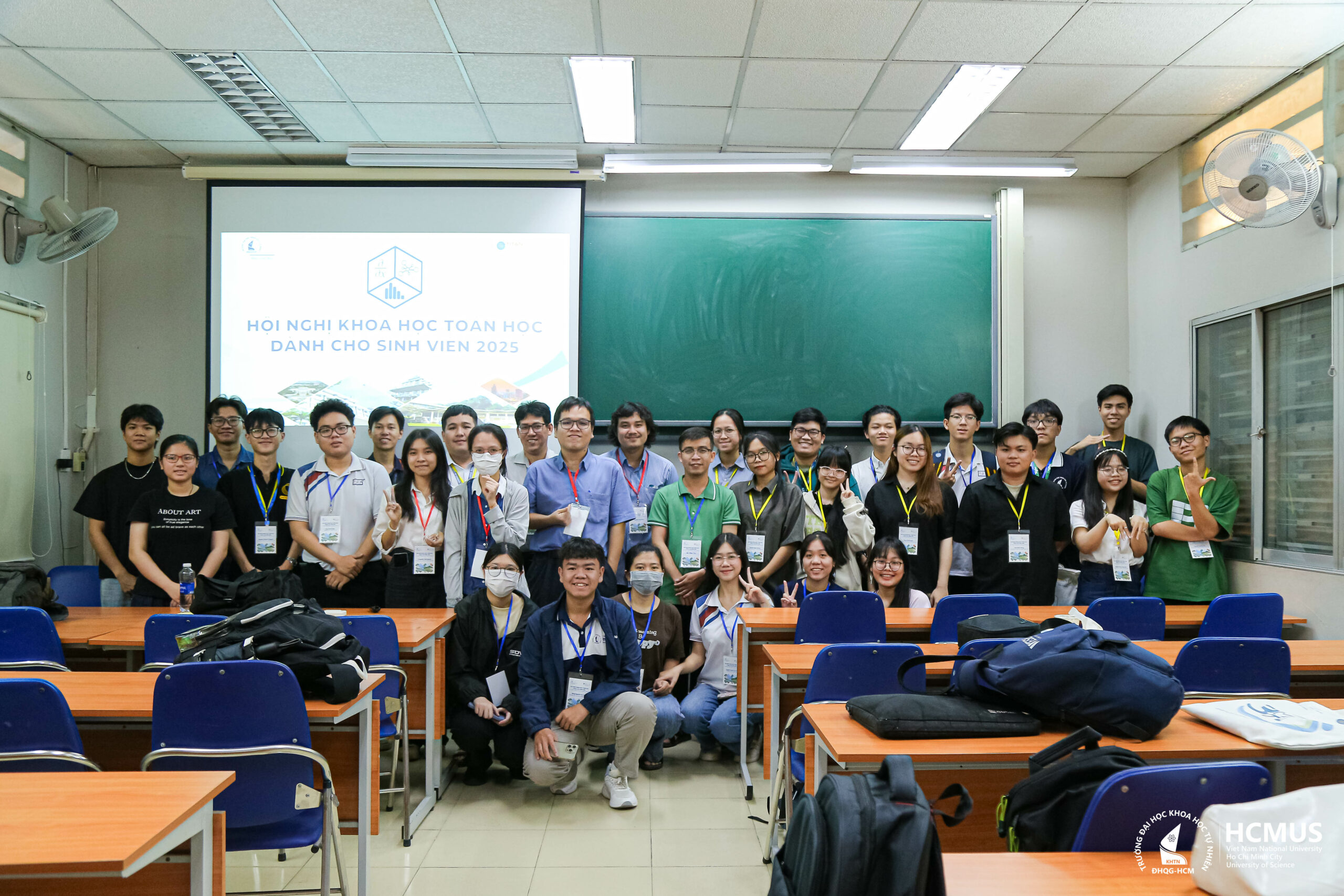
Research directions in Statistics and Data Science continued to demonstrate rapid adaptation to the new requirements of the digital age, including missing data analysis, machine learning in healthcare and energy, traffic control, sentiment analysis, generative AI models, and multi-modal data mining methods.
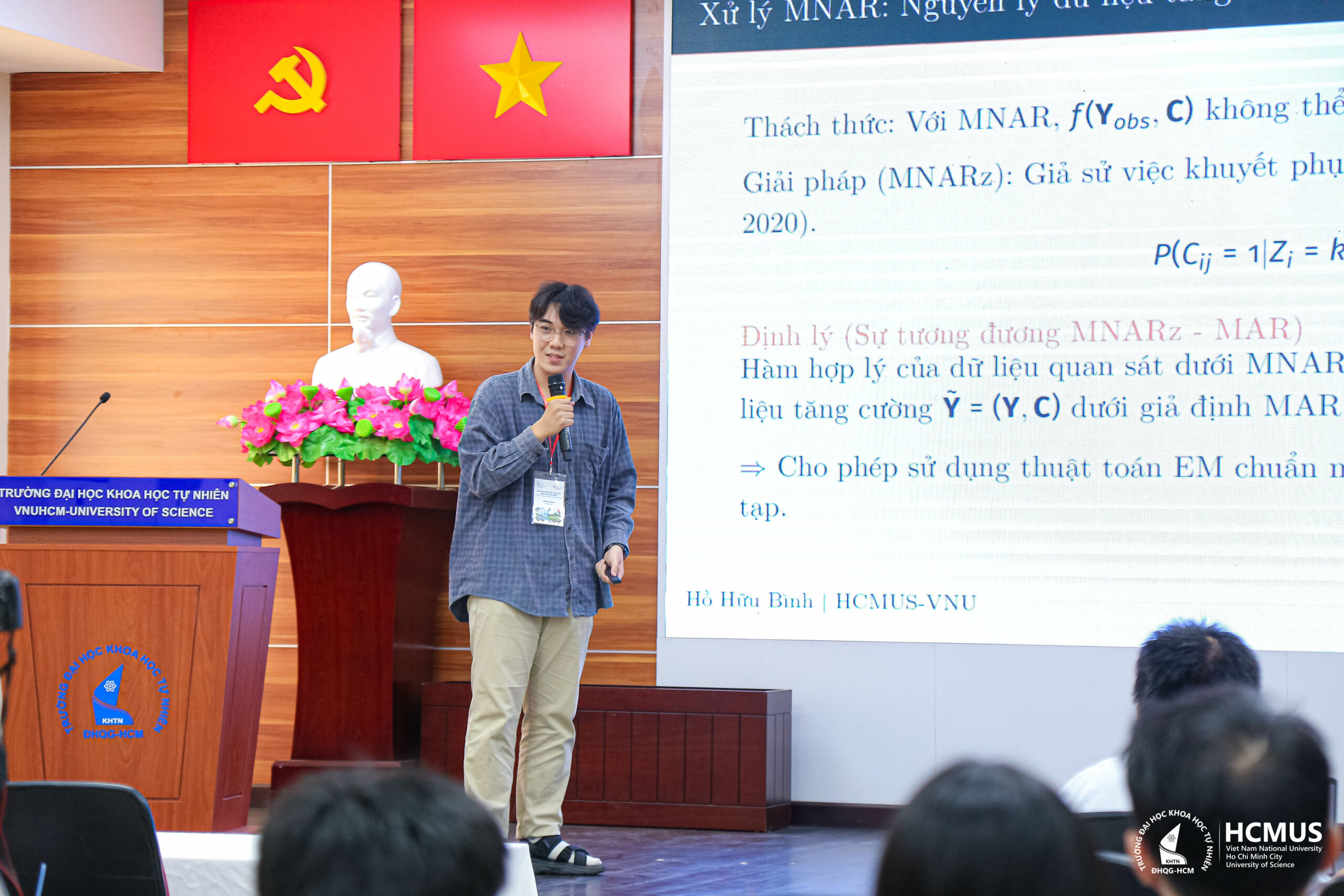
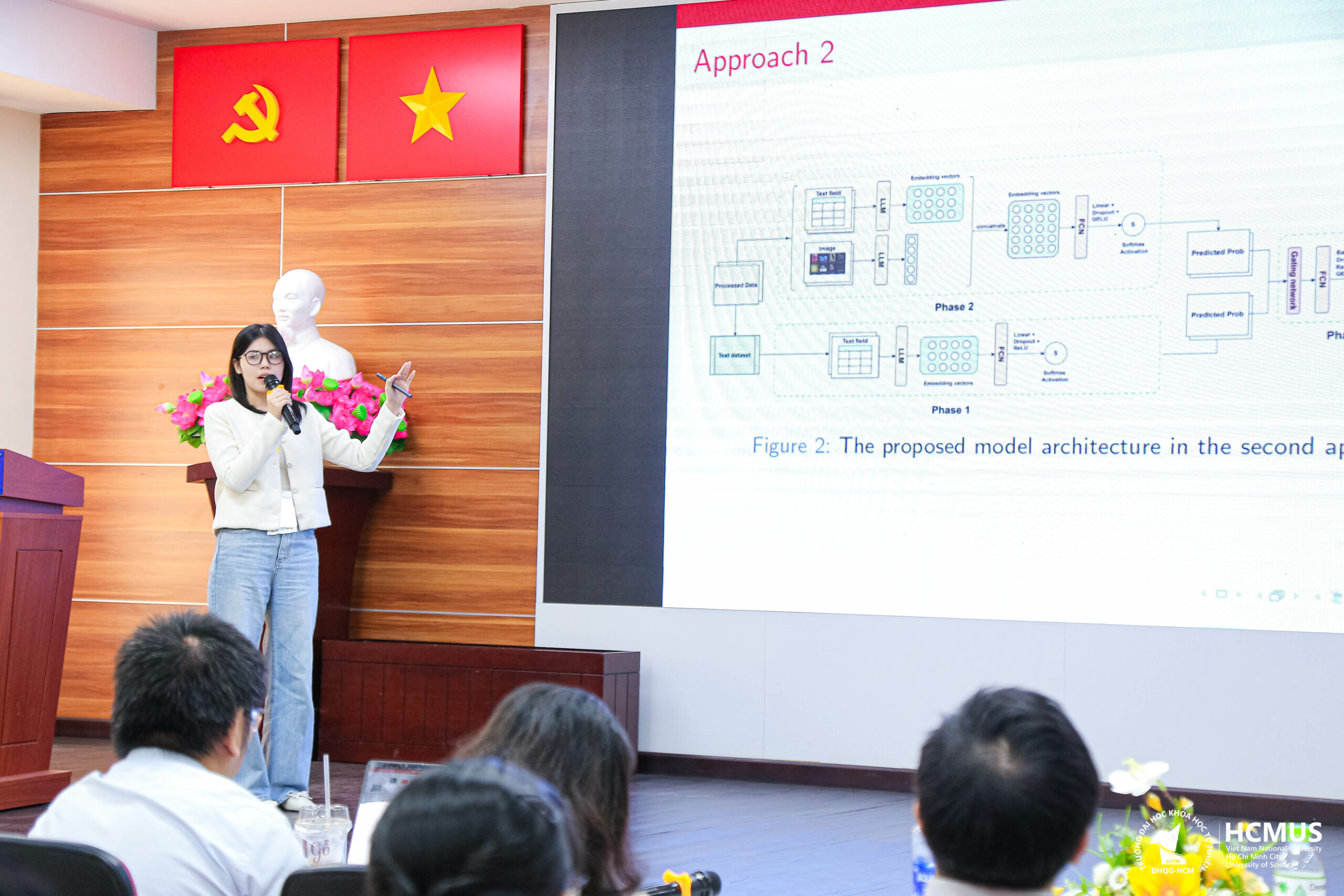
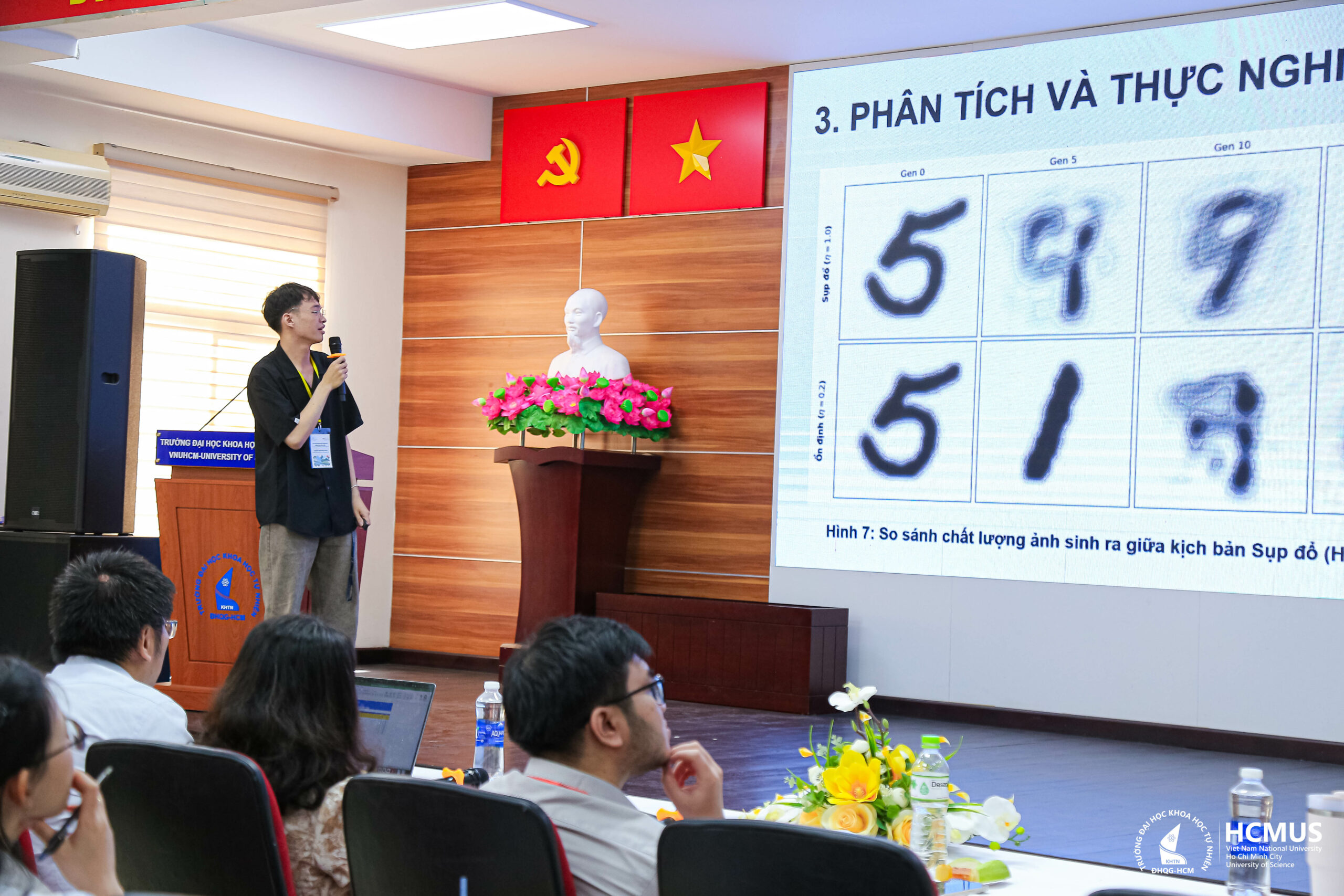
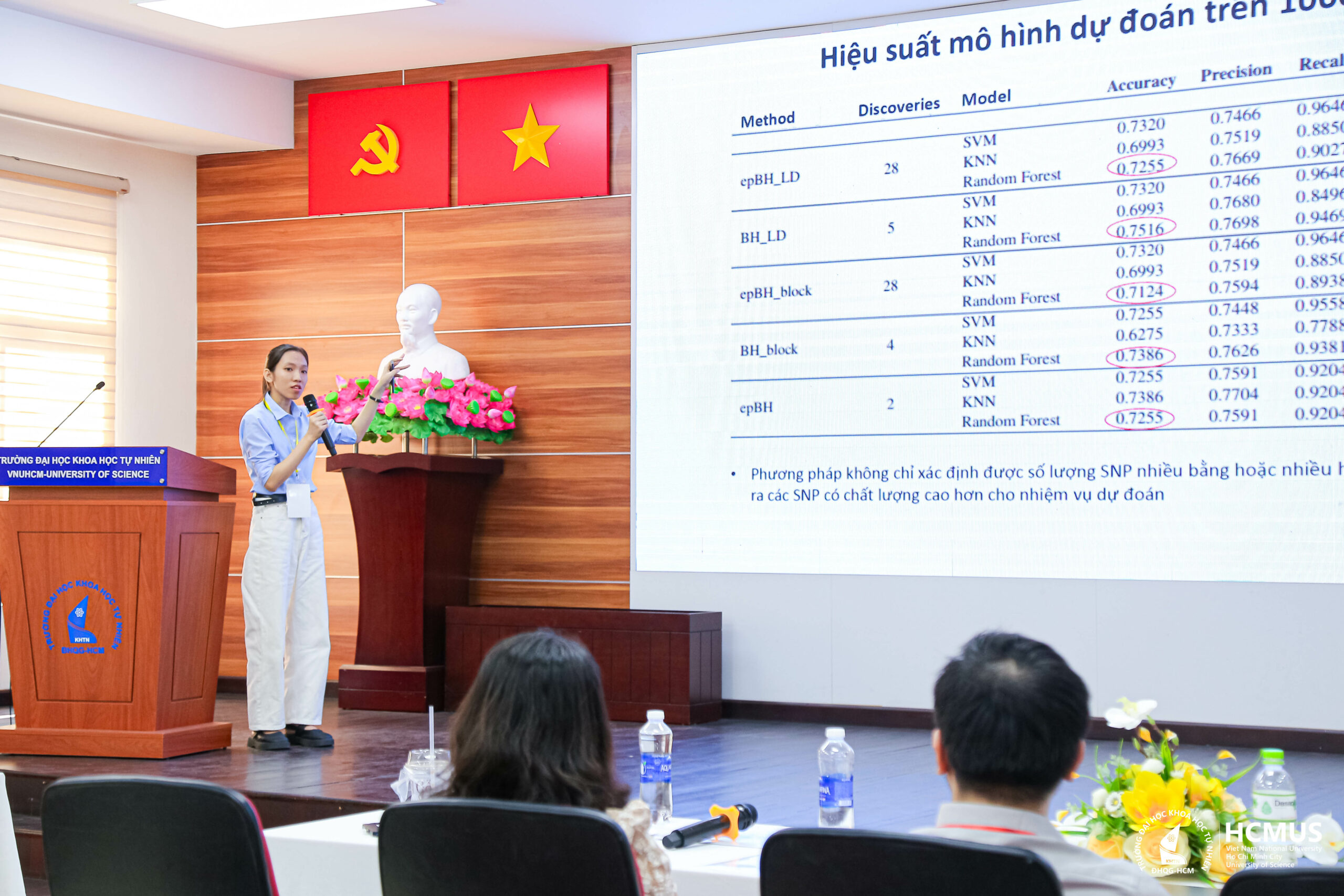
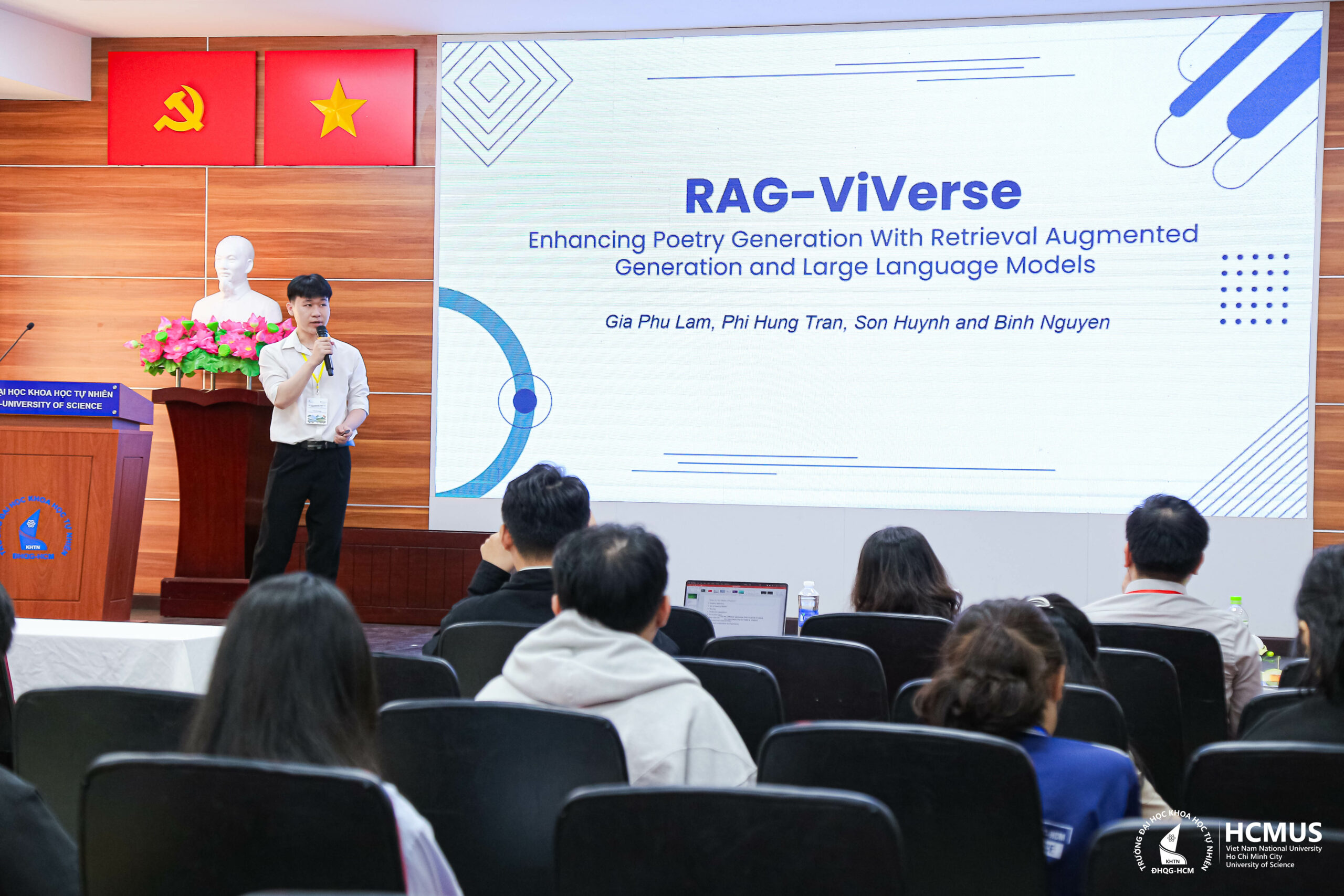
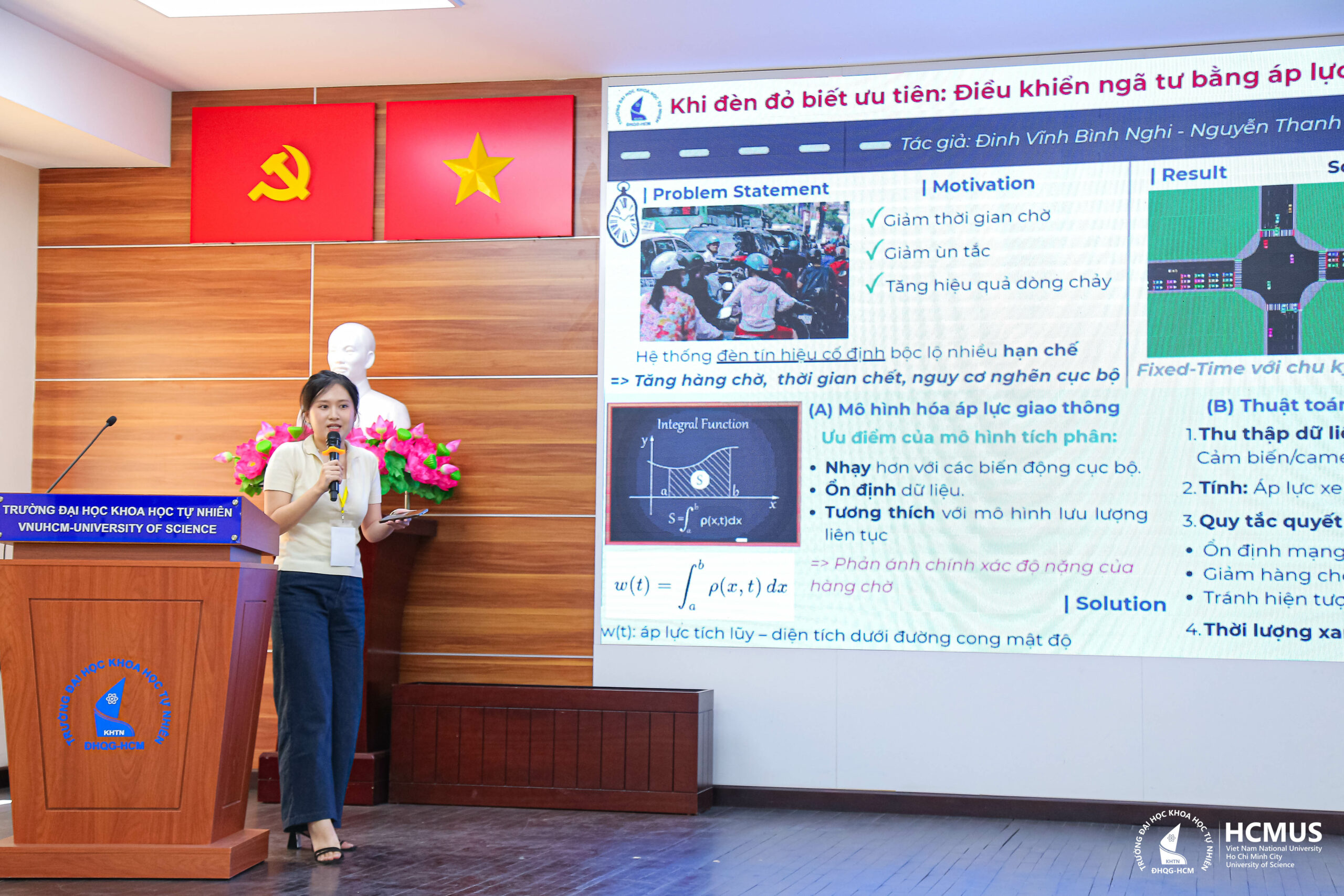
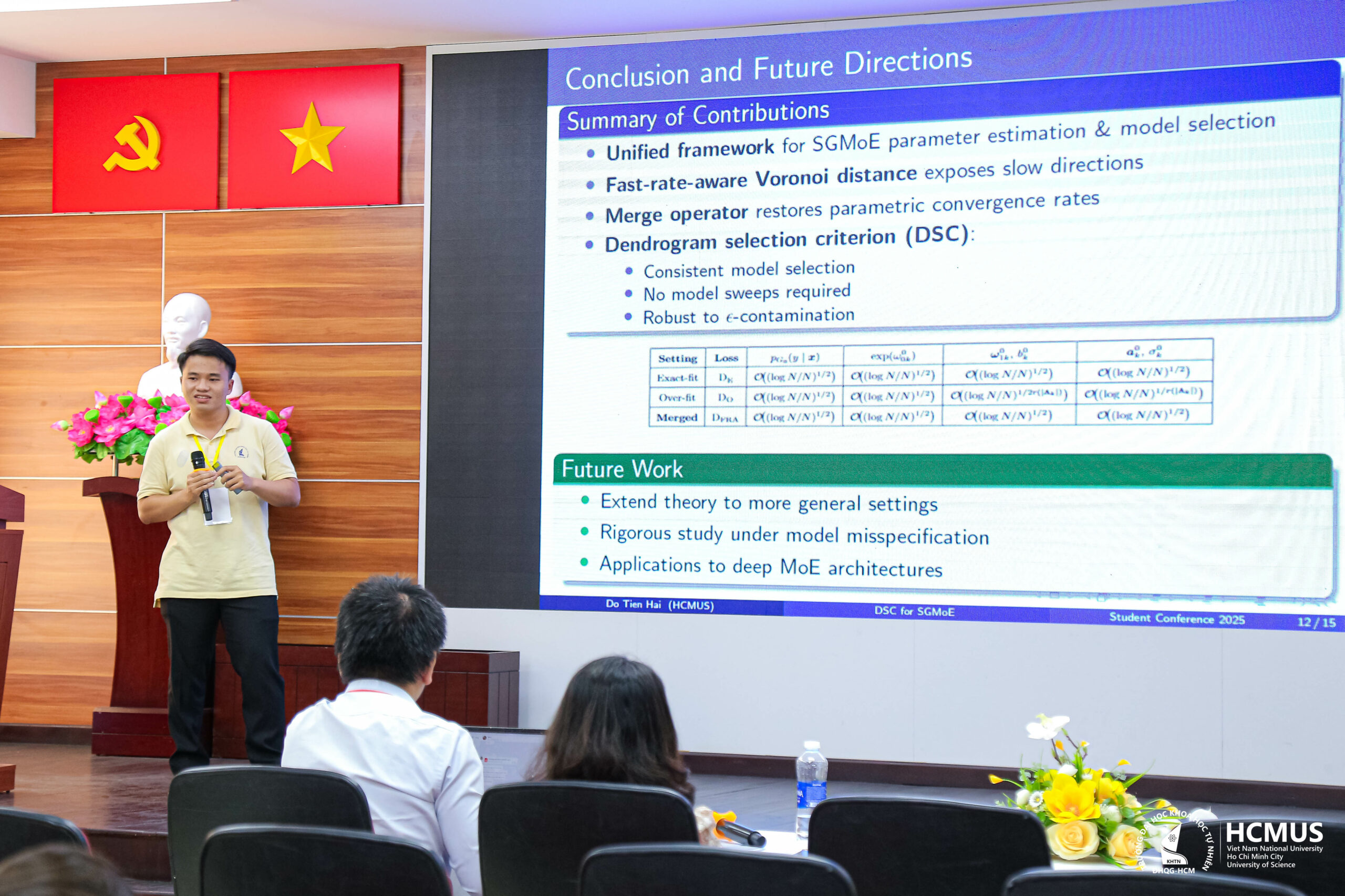
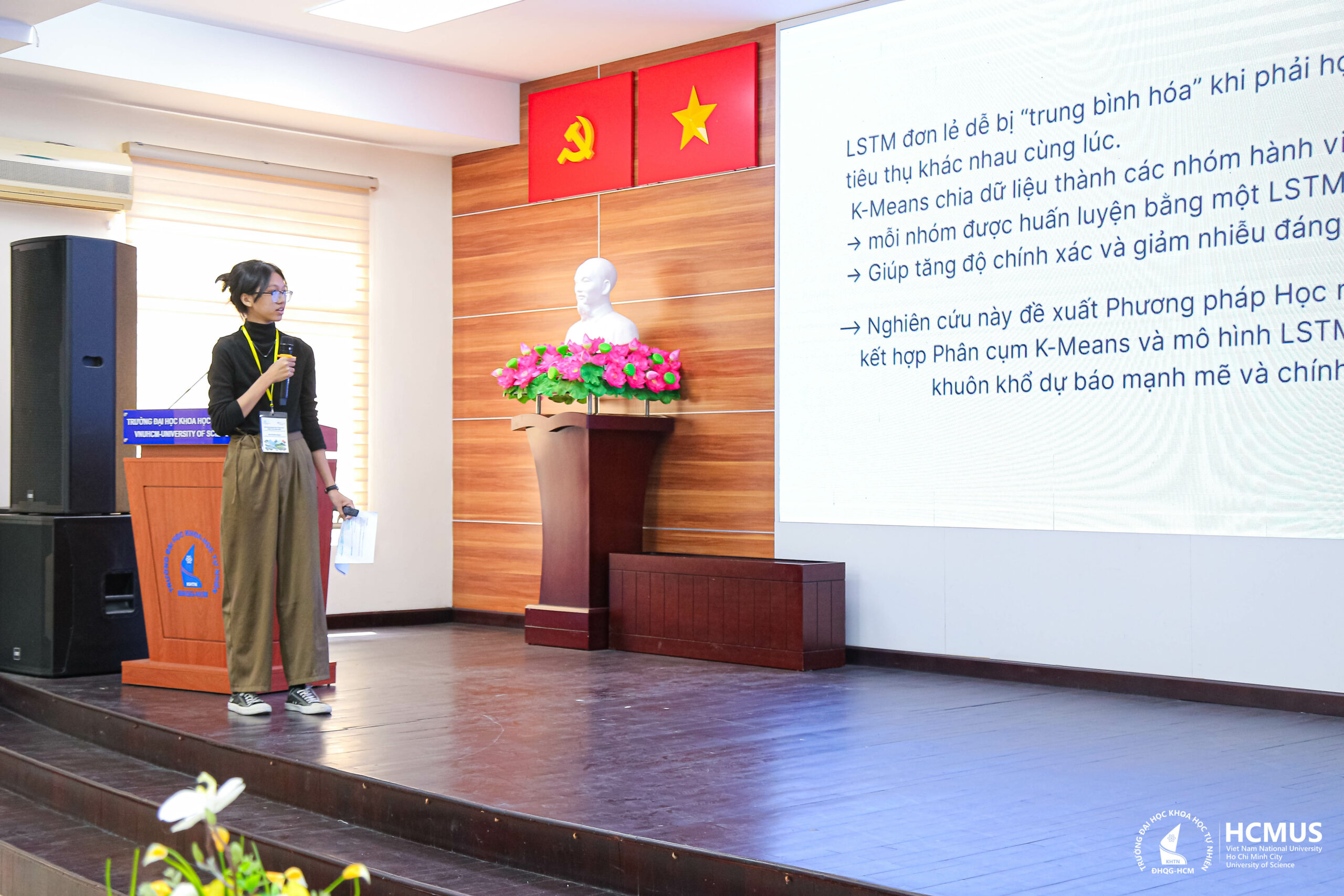
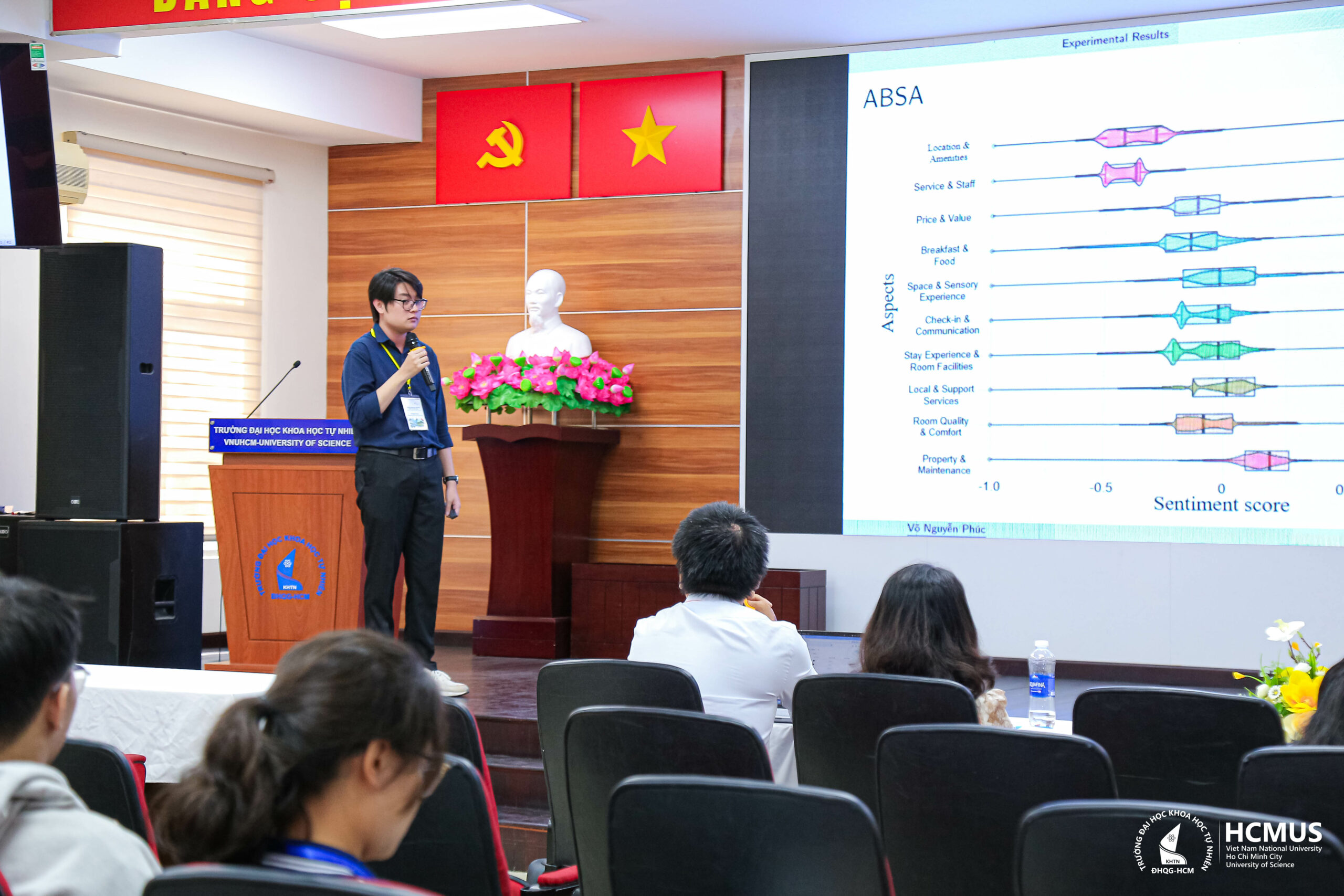
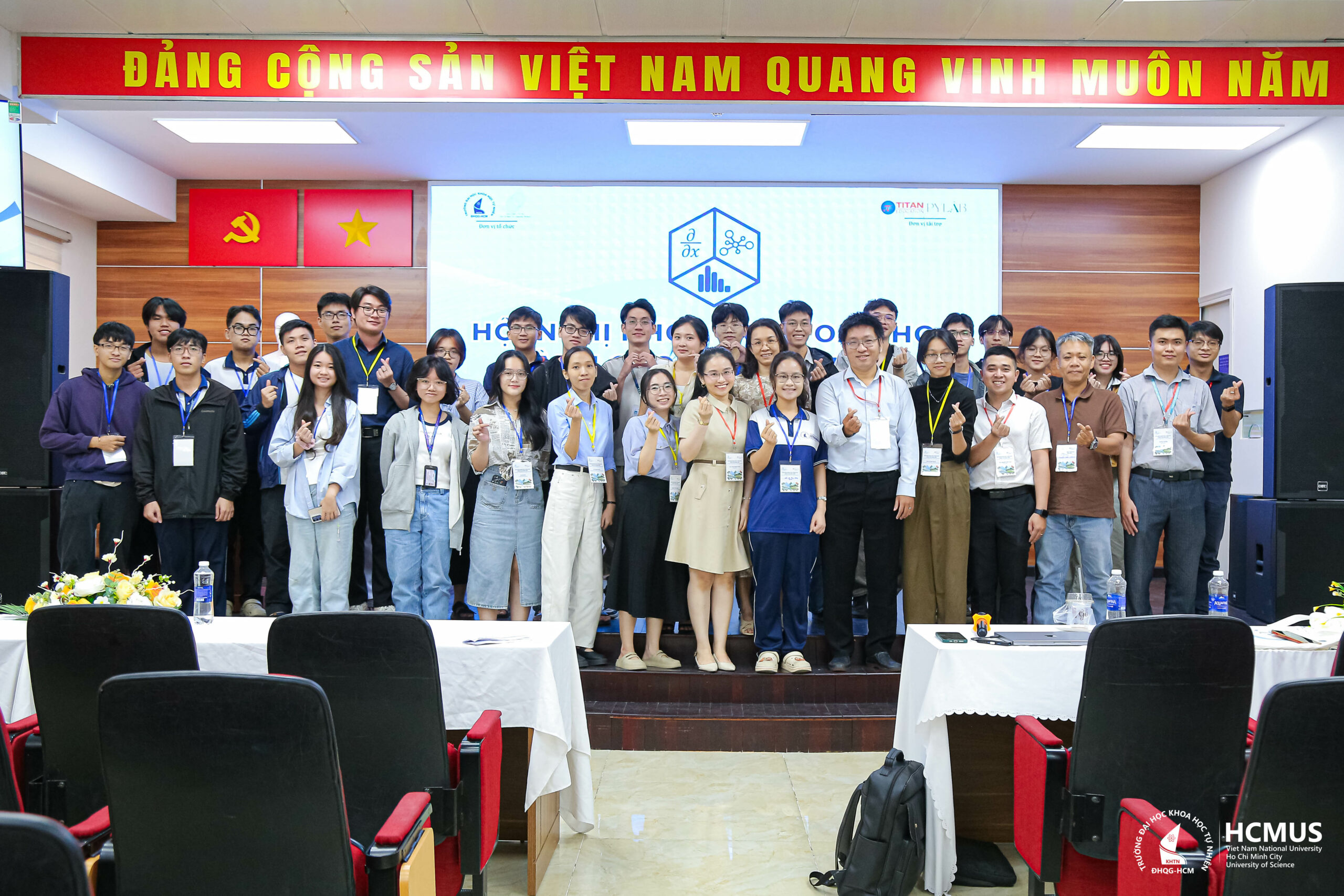
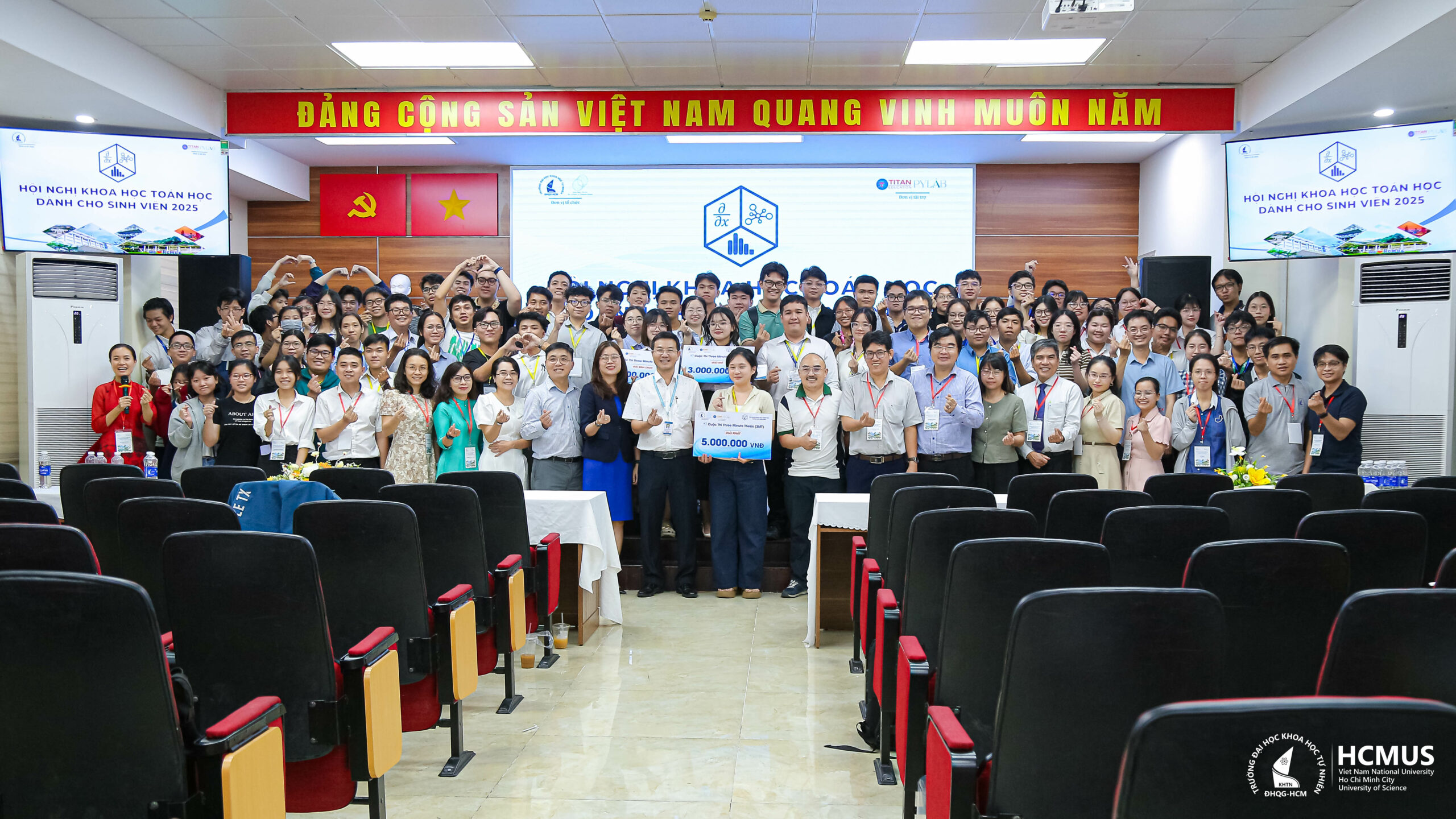
A common feature of the reports was the spirit of proactive problem-solving, the capacity to transfer ideas from theory to application, and the confidence displayed by students when presenting results before the scientific council. Such attributes demonstrate that the training environment at HCMUS encourages students to possess an open mindset, to question, to experiment, and to pursue research directions of high practical value.
The 2025 Student Mathematics Scientific Conference did not merely conclude with high-quality reports but also heralded the emergence of a generation of young researchers full of potential. These individuals represent important factors contributing to the construction of a dynamic and creative scientific community, ready to shoulder the challenges of the new era.
Leave a Reply