

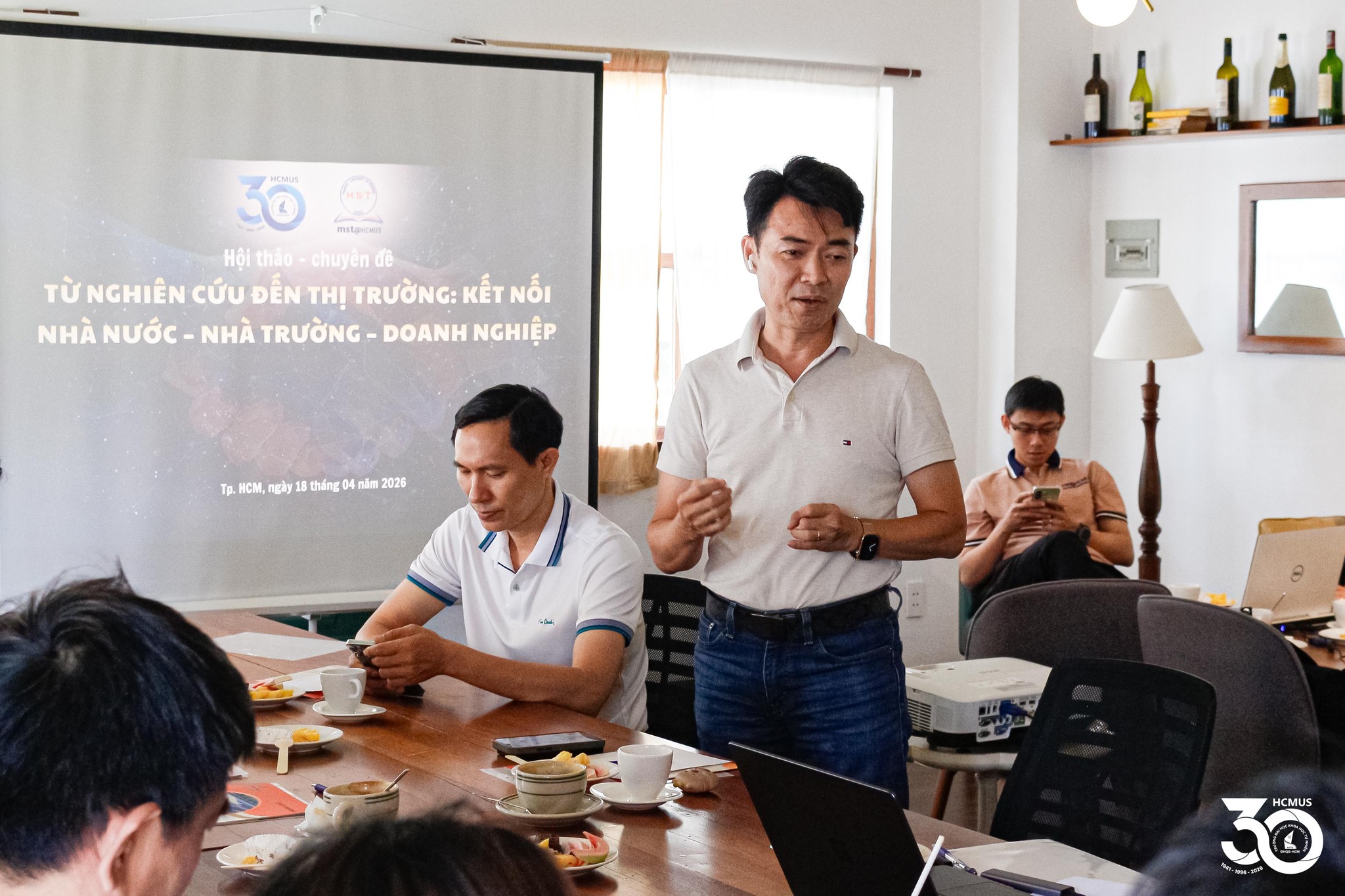
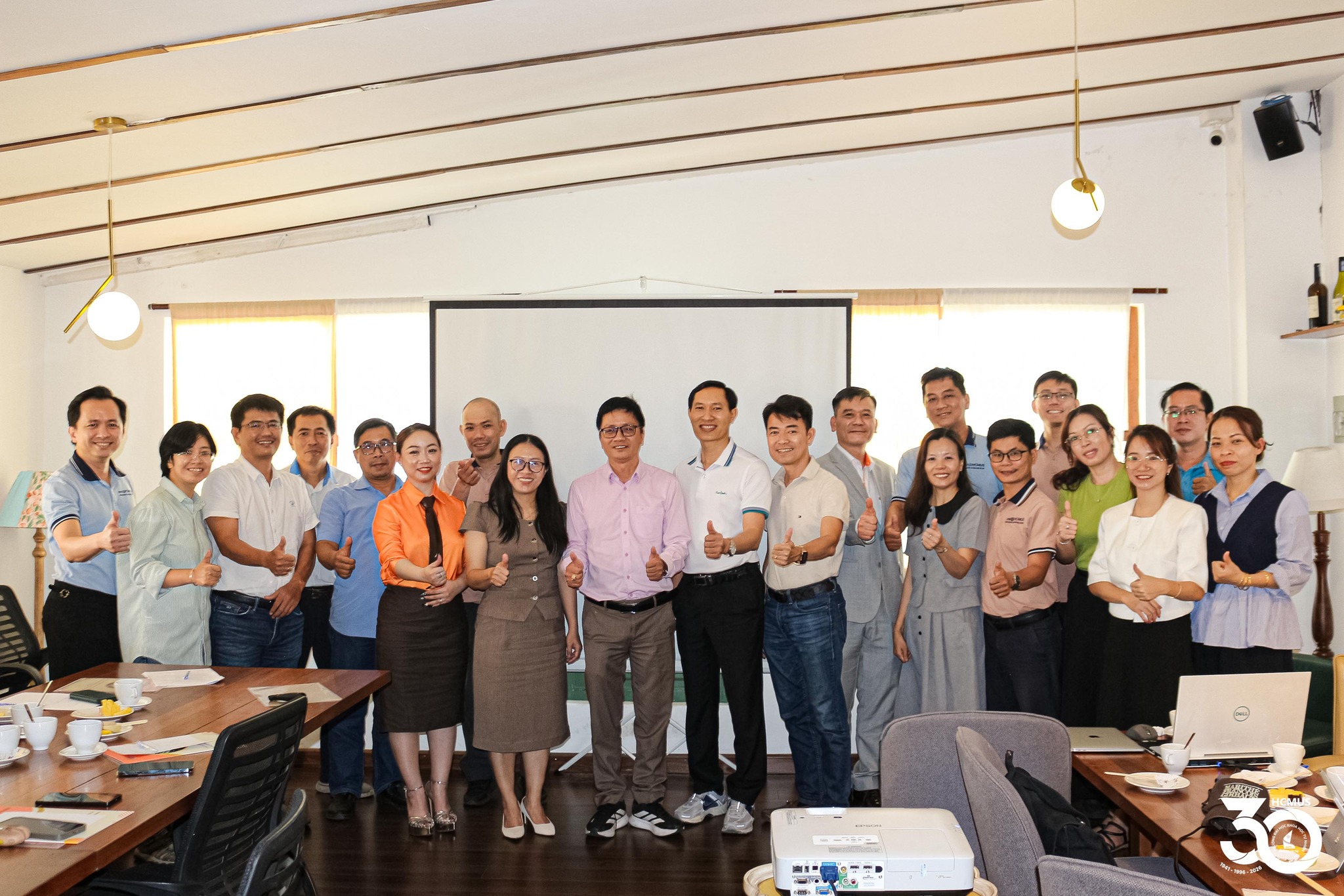
On 18 April, the Faculty of Materials Science and Technology at VNUHCM-University of Science (HCMUS) hosted a symposium entitled ‘From Research to Market: Connecting Government – Academia – Industry’. The event drew significant participation from scientists, lecturers, administrators, and industry representatives.
The symposium focused on aligning scientific research with practical market demands, thereby accelerating technology transfer and contributing to economic growth. Discussions identified systemic barriers within the commercialisation process, particularly the disparity between academic research and industrial manufacturing requirements.
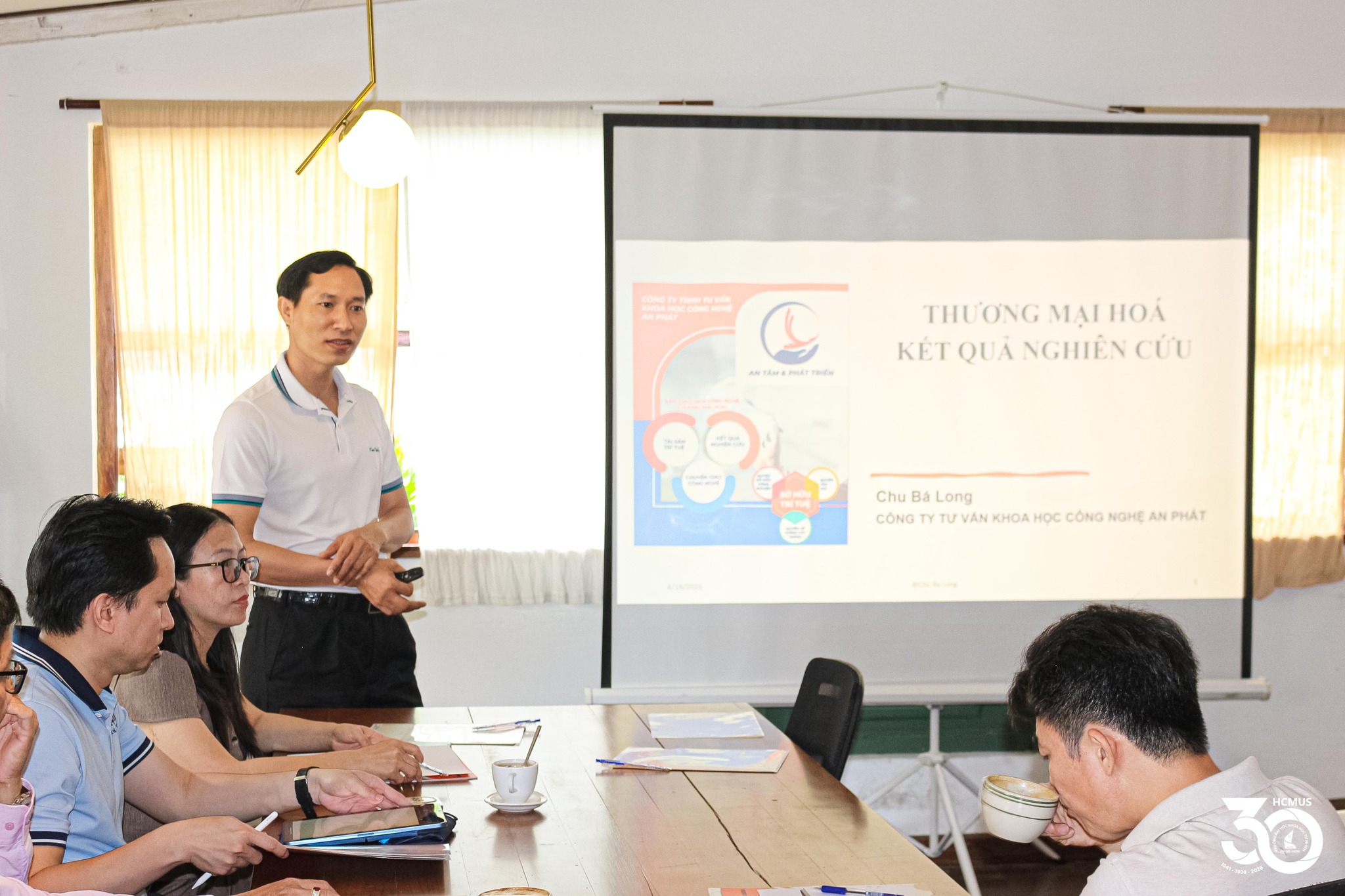
Through a presentation by expert Chu Bá Long, the collaborative model between government agencies, educational institutions, and enterprises was analysed. This model aims to establish a closed-loop value chain encompassing research, development, application, and product commercialisation.
Providing an industrial perspective, Mr Vũ Duy Cường, General Director of Petro Viet Nam Paint Joint Stock Company, emphasised that the value of a scientific project must be appraised based on practical applicability and the capacity to resolve technical challenges in production. This necessitates that research units orientate projects towards market needs from the initial conceptual stage.
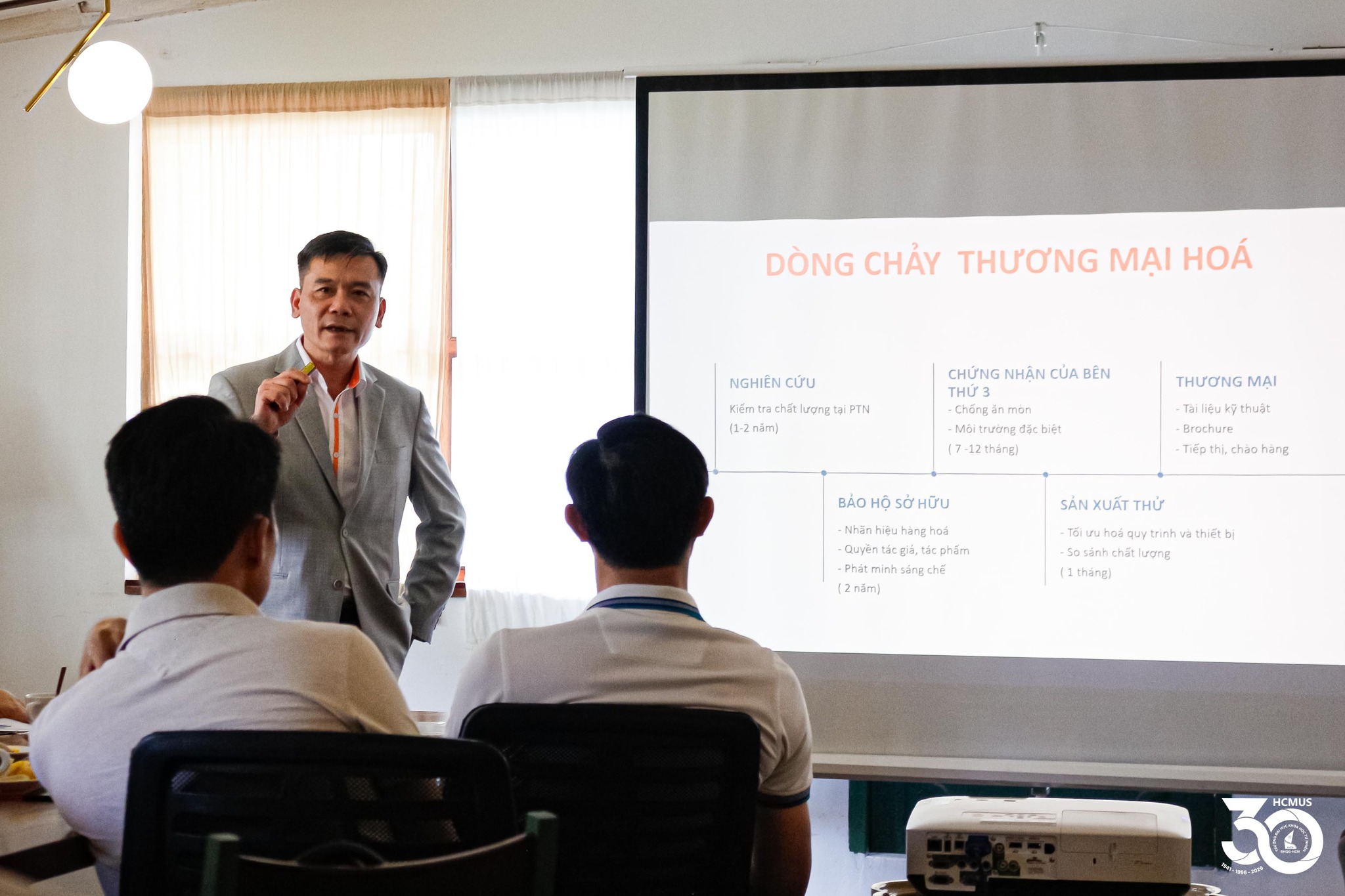
In addition to technical and market considerations, the symposium highlighted the vital role of legal frameworks and intellectual property mechanisms in protecting research outputs and fostering innovation. Establishing transparent and robust cooperation protocols is regarded as an essential condition for enhancing technology transfer efficiency, while simultaneously building confidence for enterprises investing in research projects.
Through this symposium, the Faculty of Materials Science and Technology continues to affirm a commitment to developing a ‘research – innovation – application’ ecosystem. This strategy aims to transform scientific knowledge into technological solutions for production and society. Such an approach enhances the role of higher education institutions in contributing directly to economic growth and sustainable development. In the coming period, the Faculty intends to expand collaborations with domestic and international partners and strengthen connections with industry. These efforts seek to advance cutting-edge technologies and improve the efficacy of translating research findings into practice.
Leave a Reply