

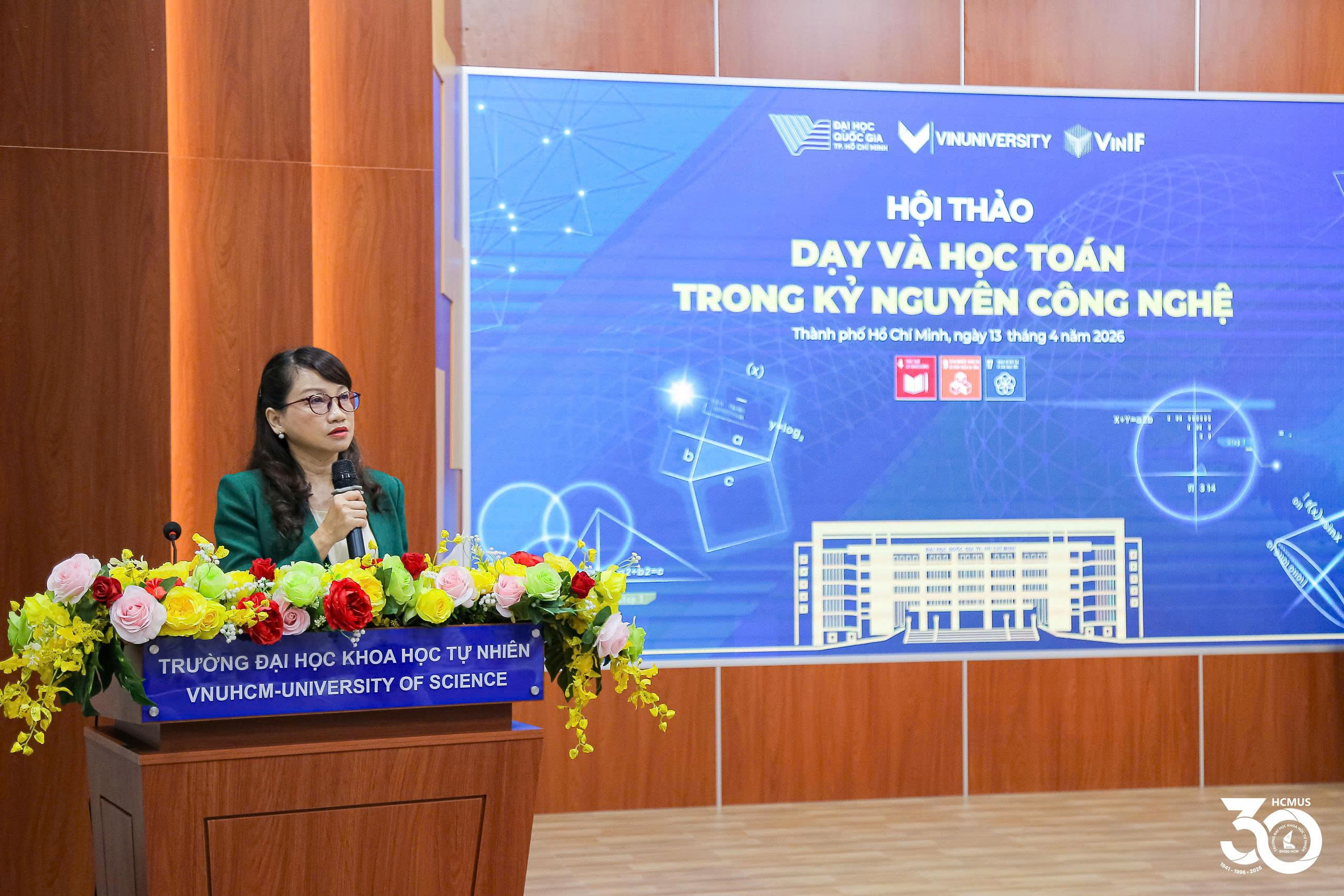
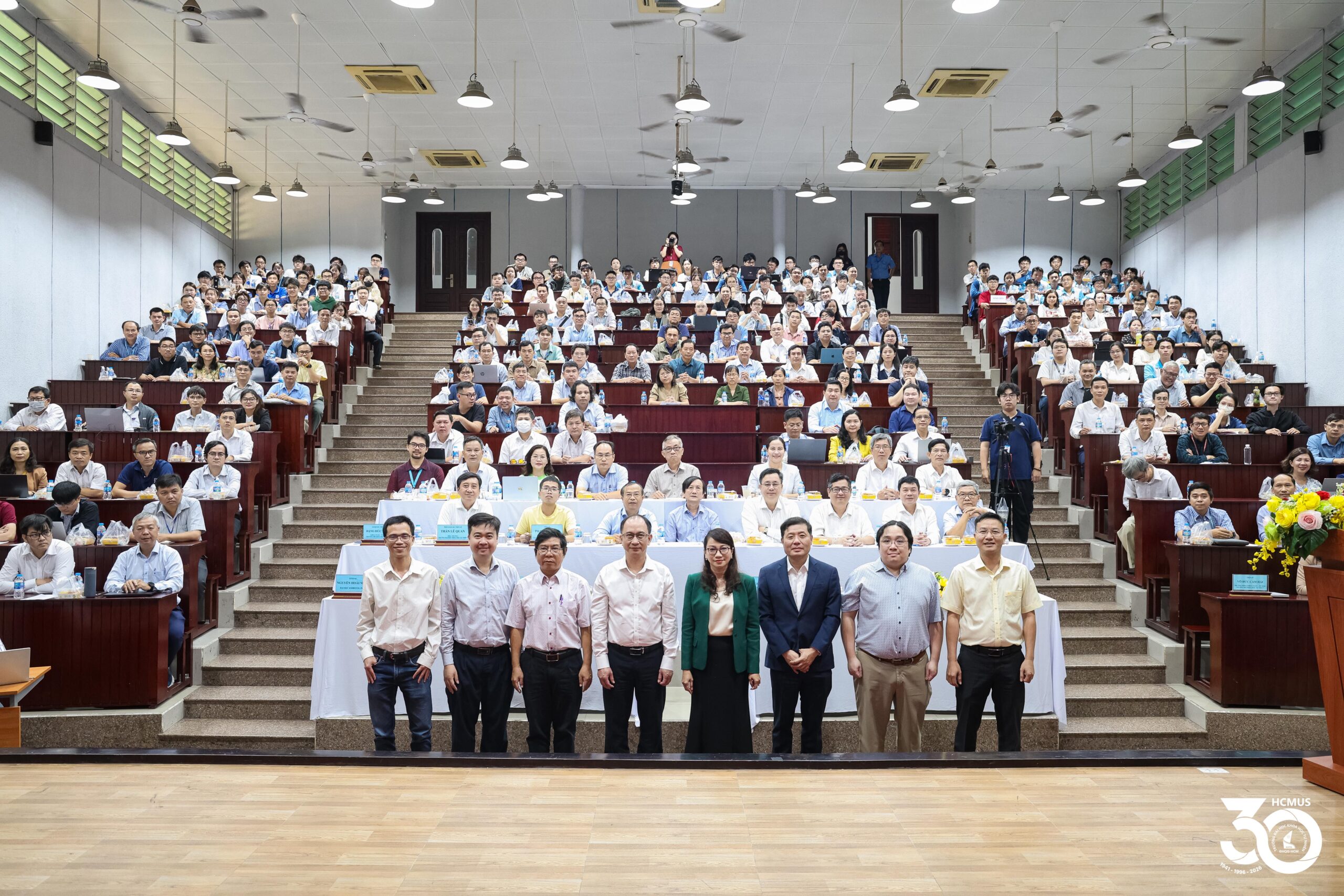
On 13 April 2026, Viet Nam National University Ho Chi Minh City (VNUHCM), in collaboration with VinUniversity, convened the scientific conference “Mathematics Teaching and Learning in the Technological Era” at the VNUHCM–University of Science (HCMUS).
In the opening address, Professor Nguyễn Thị Thanh Mai, Chancellor of VNUHCM, observed that as science and technology advance at an unprecedented pace to become the core engine of the knowledge economy, national competitiveness no longer rests solely upon natural resources or labour. Instead, such prowess depends increasingly upon the capacity for research, innovation, and the mastery of strategic technologies. Consequently, Mathematics serves not only as a foundational discipline but as the “invisible infrastructure” underpinning the entirety of modern technological systems.
However, the Chancellor noted a significant disparity between potential and practice. Whilst VNUHCM boasts numerous gifted students and a cohort of high-calibre mathematicians, the integration of Mathematics into technological fields and practical applications within curricula remains limited. International trends demonstrate that modern mathematical programmes are shifting decisively towards enhancing modelling and computational thinking, increasing interdisciplinarity, and improving the transfer of knowledge to real-world contexts to resolve societal challenges.
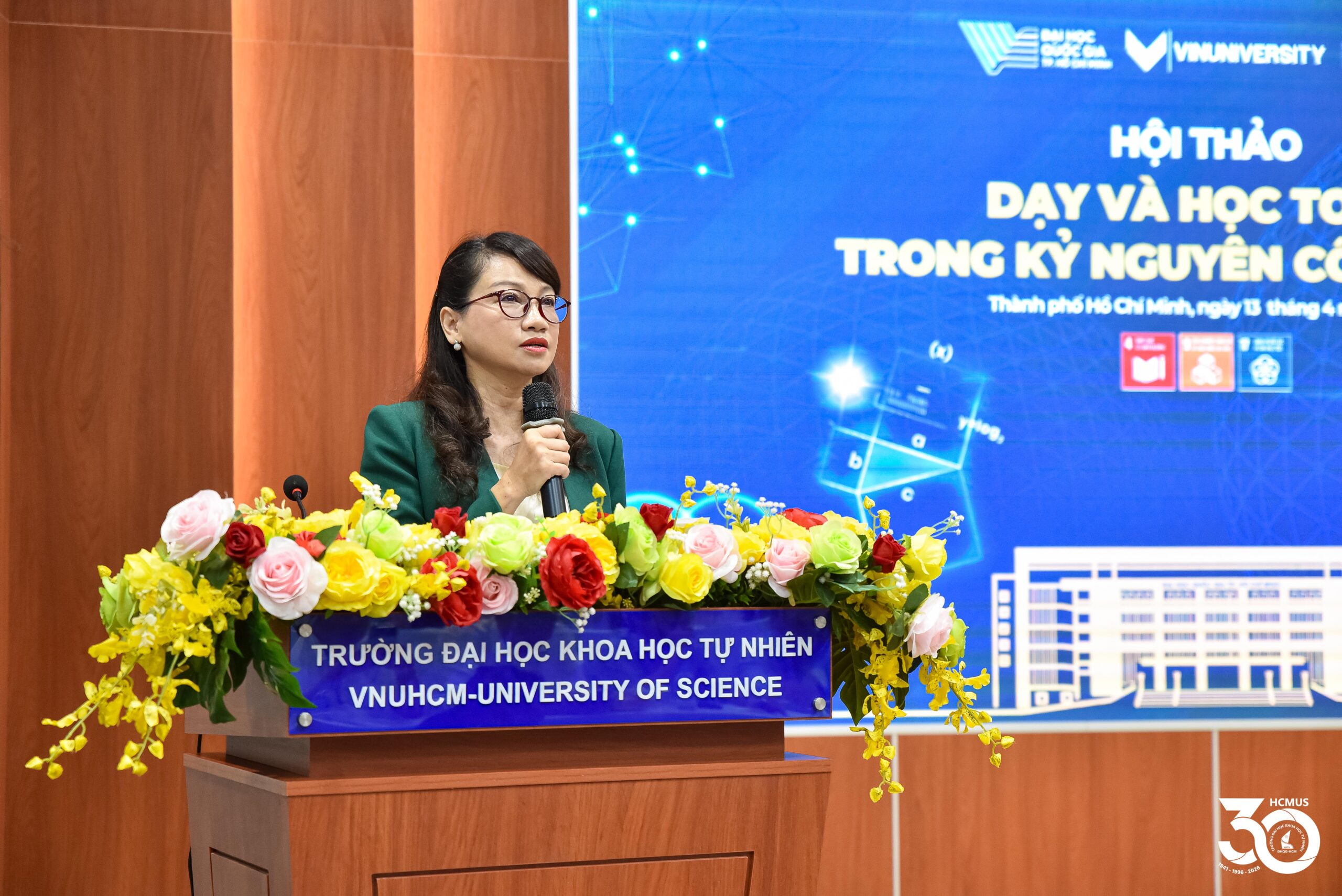
Reflecting on these realities, Professor Nguyễn Thị Thanh Mai posed three orienting questions: the purpose of studying Mathematics, the methods by which Mathematics becomes a catalyst for growth across sectors, and the necessary reforms in curricula and pedagogy to anticipate global trends.
Accordingly, the primary challenge lies not in altering individual modules or isolated content, but in “redesigning the mathematical pathway” holistically. This journey, spanning from secondary education to postgraduate levels, must ensure that learners gradually develop core competencies such as mathematical modelling, probability and statistics, optimisation, algorithms, scientific computing, data analysis, and the ability to work across disciplines.
The conference featured contributions from distinguished scholars both locally and abroad, including Professor Vũ Hà Văn (University of Hong Kong, Scientific Director of VinIF), Professor Nguyễn Hoài Minh (Sorbonne University, France), Professor Nguyễn Hùng Minh Tân (National University of Singapore), alongside Professor Đặng Đức Trọng, Associate Professor Trần Minh Triết, and Dr Võ Đức Cẩm Hải (HCMUS).
The presentations clarified the expanding role of Mathematics in sectors such as Artificial Intelligence, Data Science, and semiconductor technology. The discussions further highlighted a fundamental shift in the nature of Mathematics—evolving from a basic science into the “design language of technology” and the “knowledge infrastructure of innovation”.
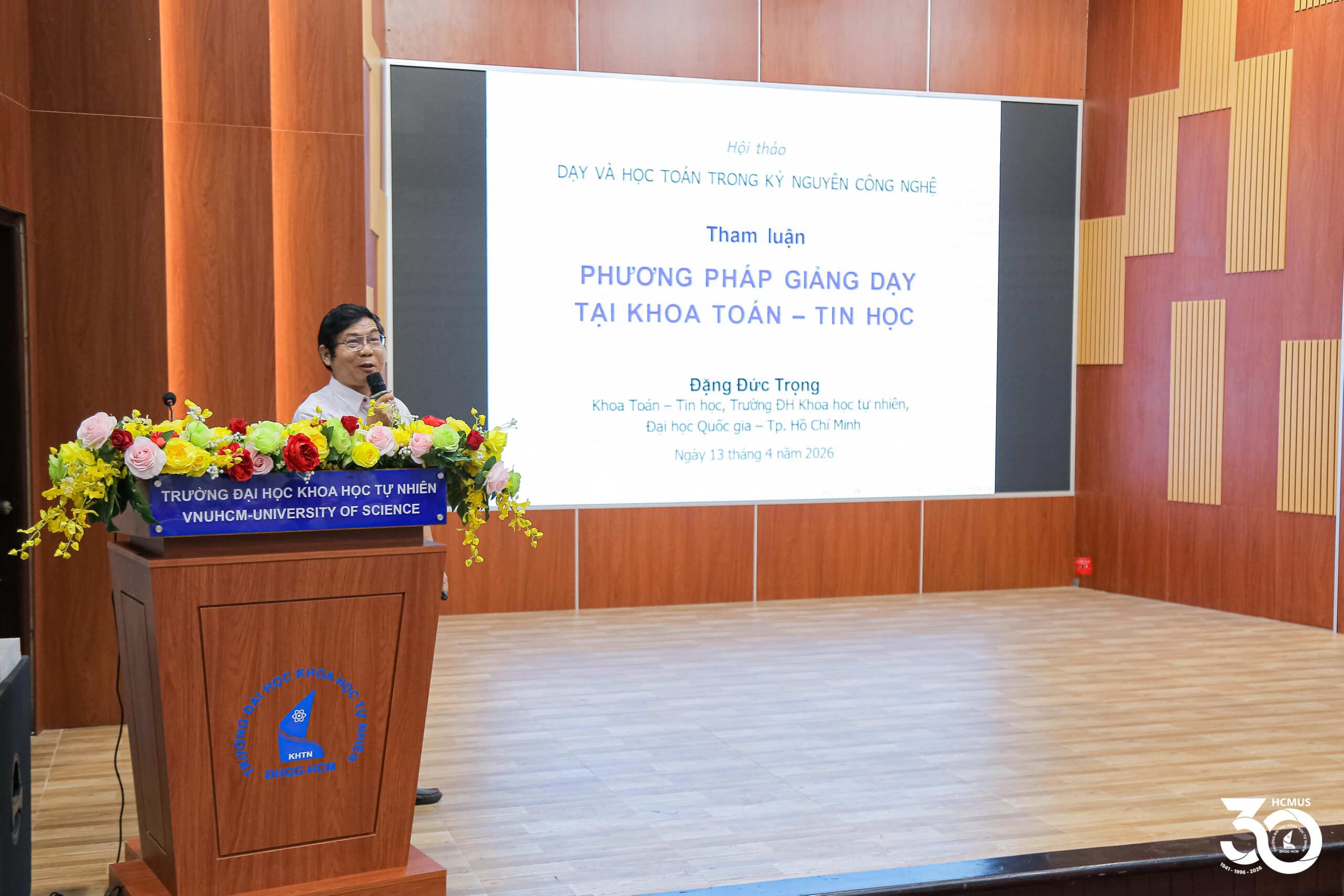
Regarding pedagogical methods, Professor Đặng Đức Trọng from the Faculty of Mathematics and Computer Science at HCMUS advocated for a shift in the student’s role from passive recipient to active explorer. Lecturers ought to create learning environments that compel students to think critically, prove theorems independently, and engage with open-ended problems, thereby fostering genuine research capabilities.
In the presentation “Teaching Mathematics in the Technological Era”, Professor Vũ Hà Văn emphasised that Mathematics provides the bedrock for numerous scientific and technological branches and remains a pivotal factor in training high-quality human resources. Nevertheless, evidence suggests many curricula remain theory-heavy and slow to update, often forcing students to “re-learn” concepts when entering high-tech industries. “Innovating the way Mathematics is taught and learned is no longer merely an educational concern but has become a matter of national importance,” Professor Vũ Hà Văn remarked.
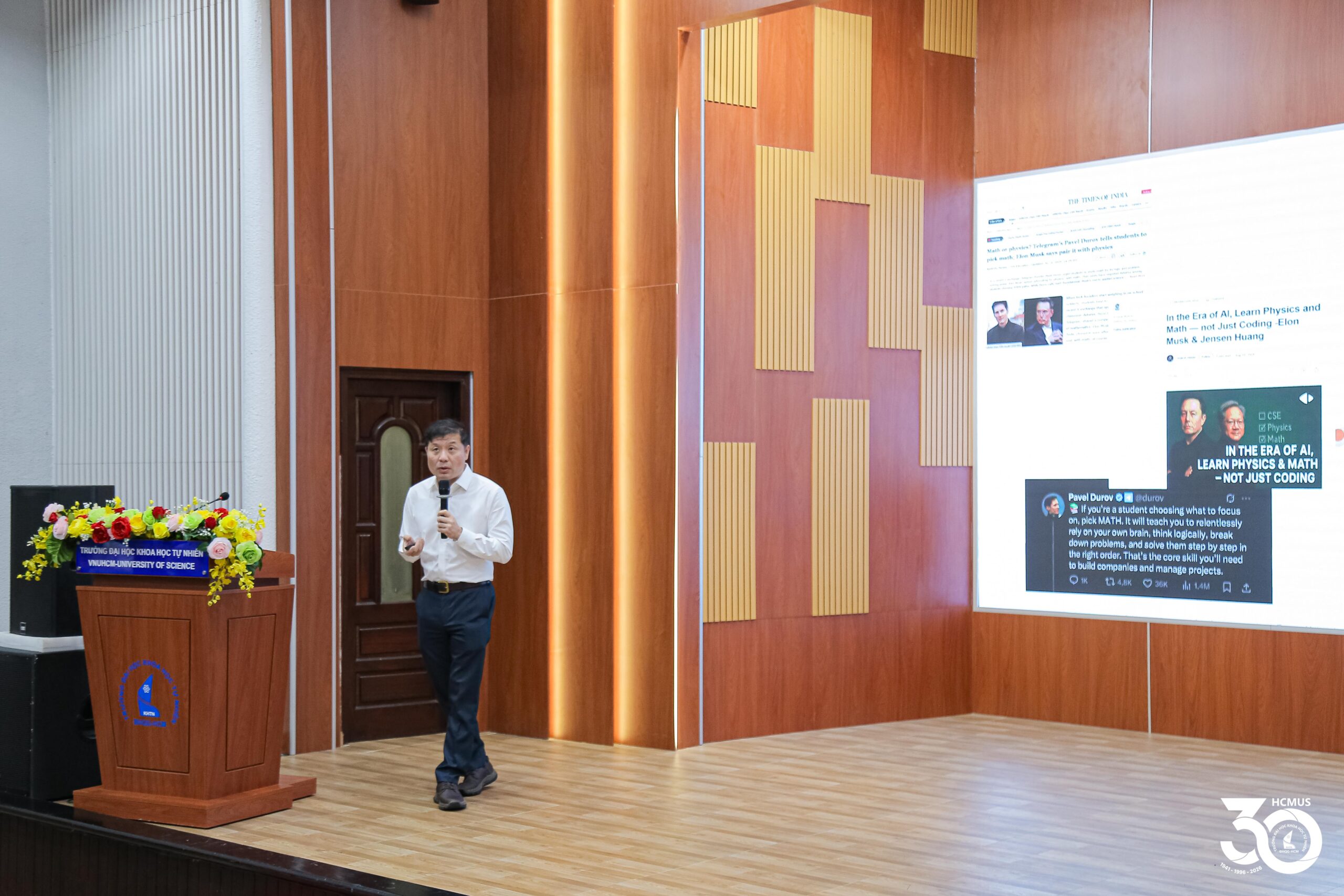
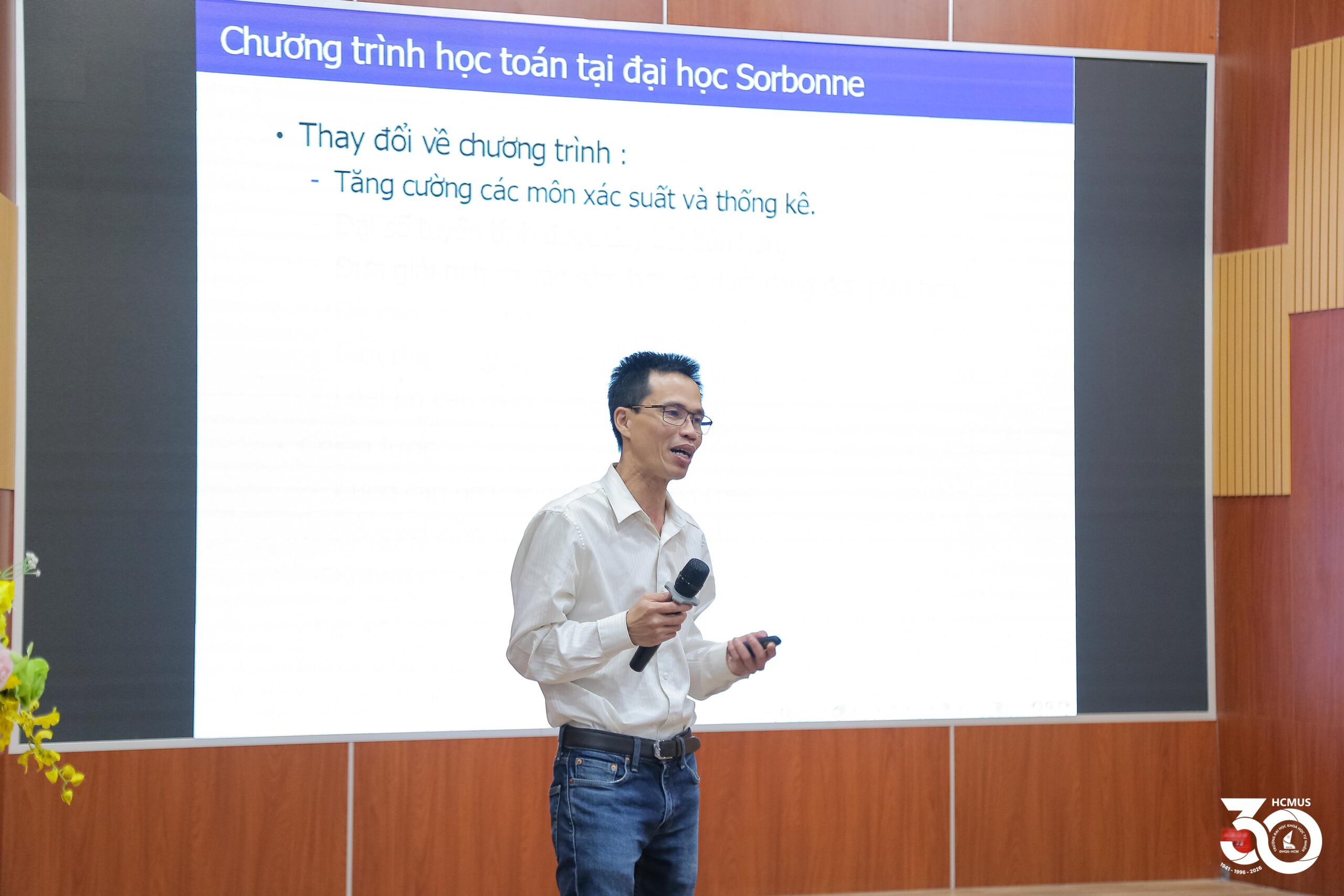
Sharing this perspective, Professor Nguyễn Hoài Minh from Sorbonne University noted that Artificial Intelligence is profoundly impacting both mathematical research and instruction, offering possibilities for personalised learning and more efficient knowledge acquisition. Consequently, curricula should be adjusted to strengthen core modules such as probability, statistics, linear algebra, and optimisation, while introducing numerical analysis earlier and streamlining less integrated modules. Assessment methods and teaching styles must also evolve to suit this technological context.
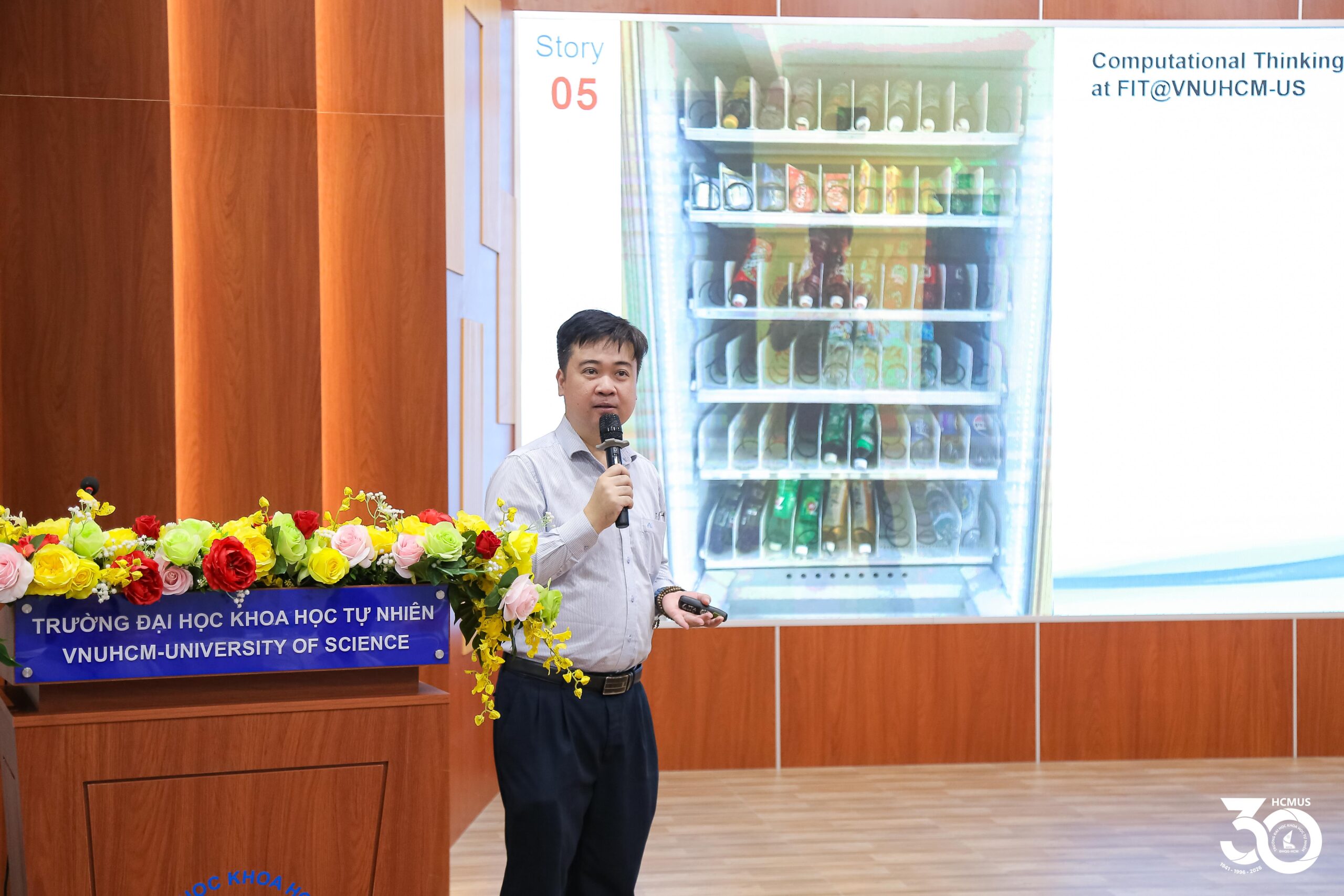
From an applied standpoint, Associate Professor Trần Minh Triết, Vice President of HCMUS, discussed the relationship between Mathematics and Artificial Intelligence, tracing the path from logical foundations to global innovation. The Vice President also highlighted the outstanding achievements of HCMUS students and proposed the increased use of practical, relatable scenarios in teaching to enhance the application of Mathematics in solving real-world problems.
The consensus among participants was that for Mathematics to truly drive development, synchronised innovation is required across curricula, teaching methods, and collaboration between universities, enterprises, and research institutions. Connecting theory with application and aligning training with societal needs are seen as the vital elements for enhancing the quality of the workforce.
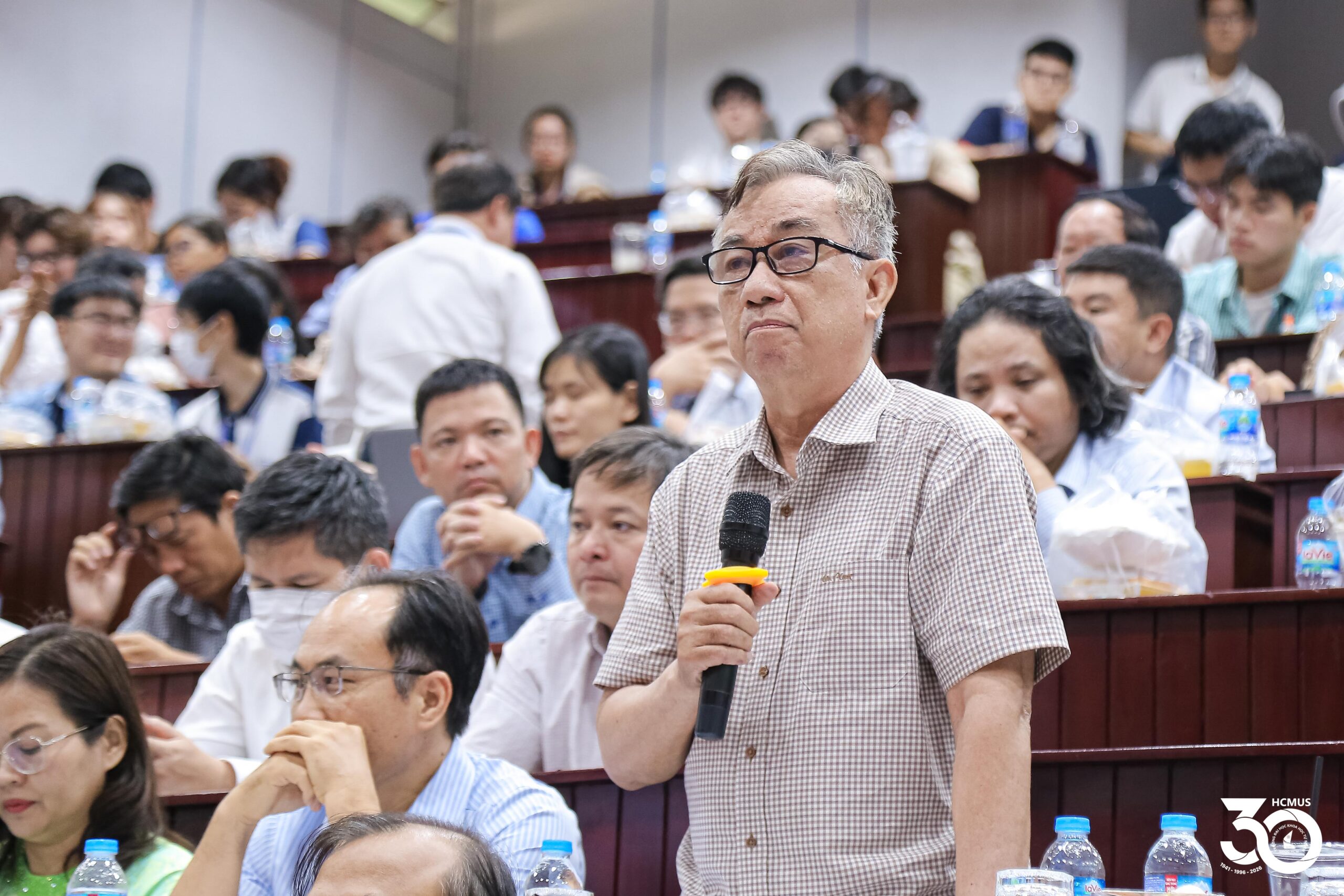
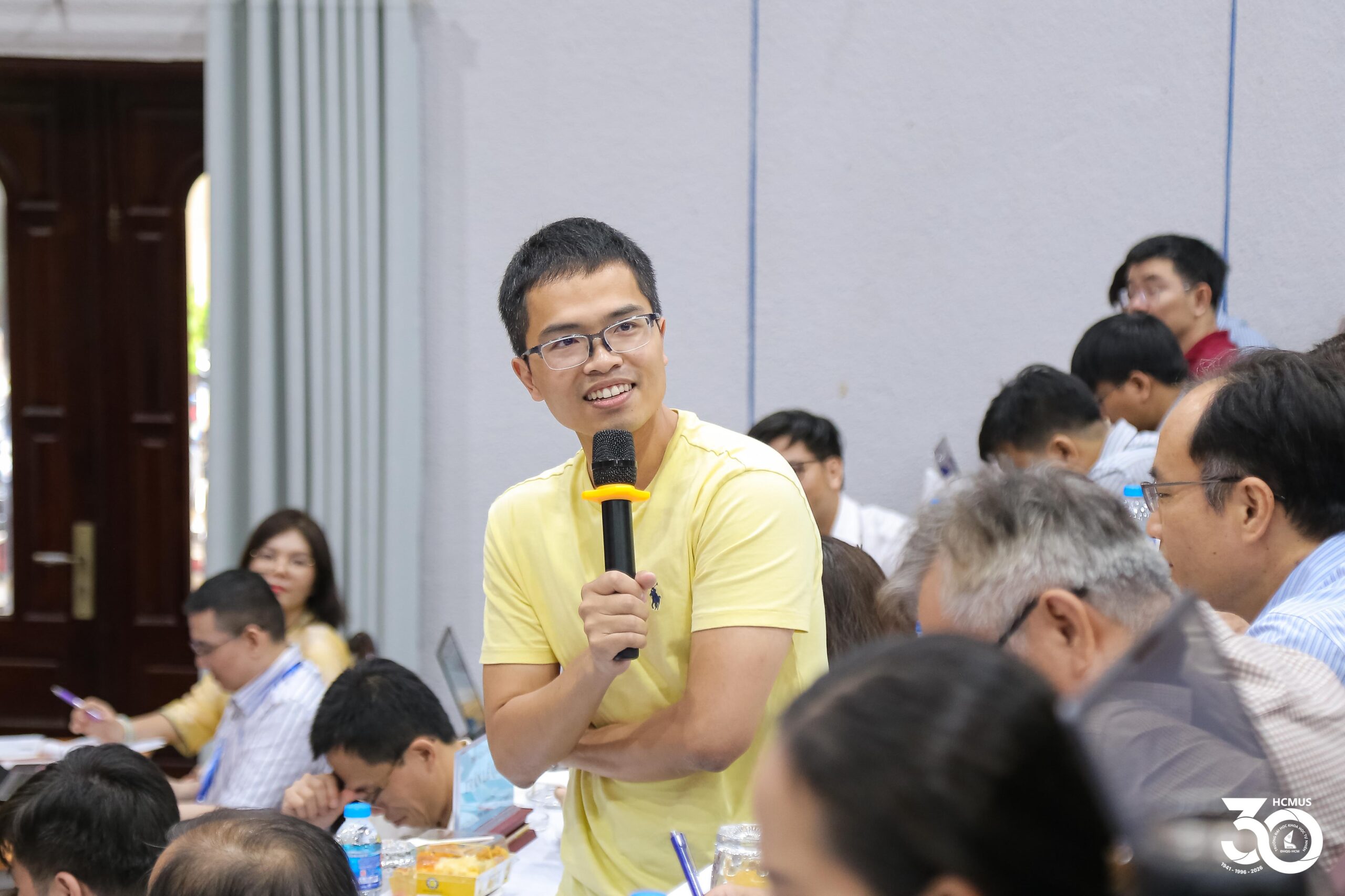
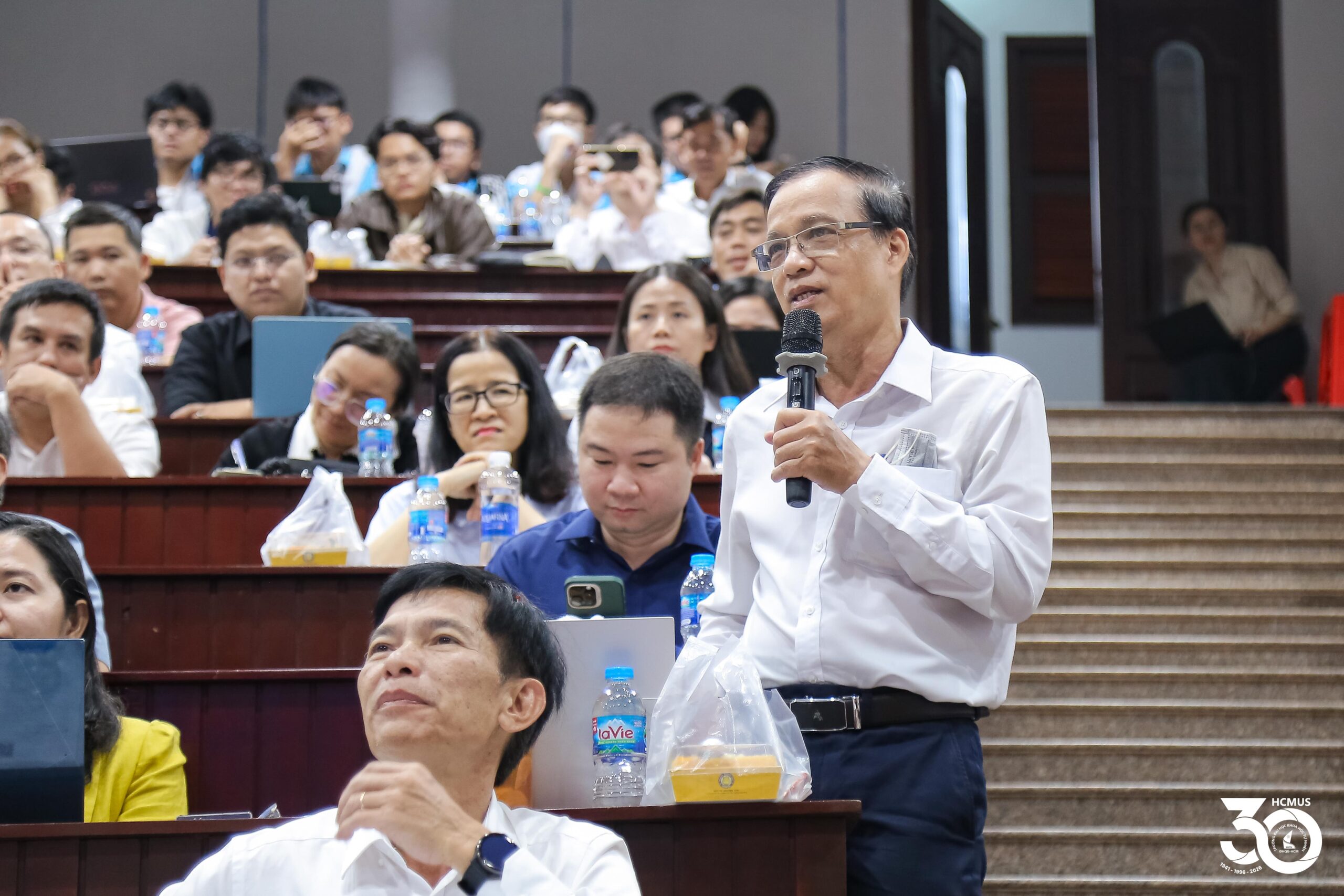
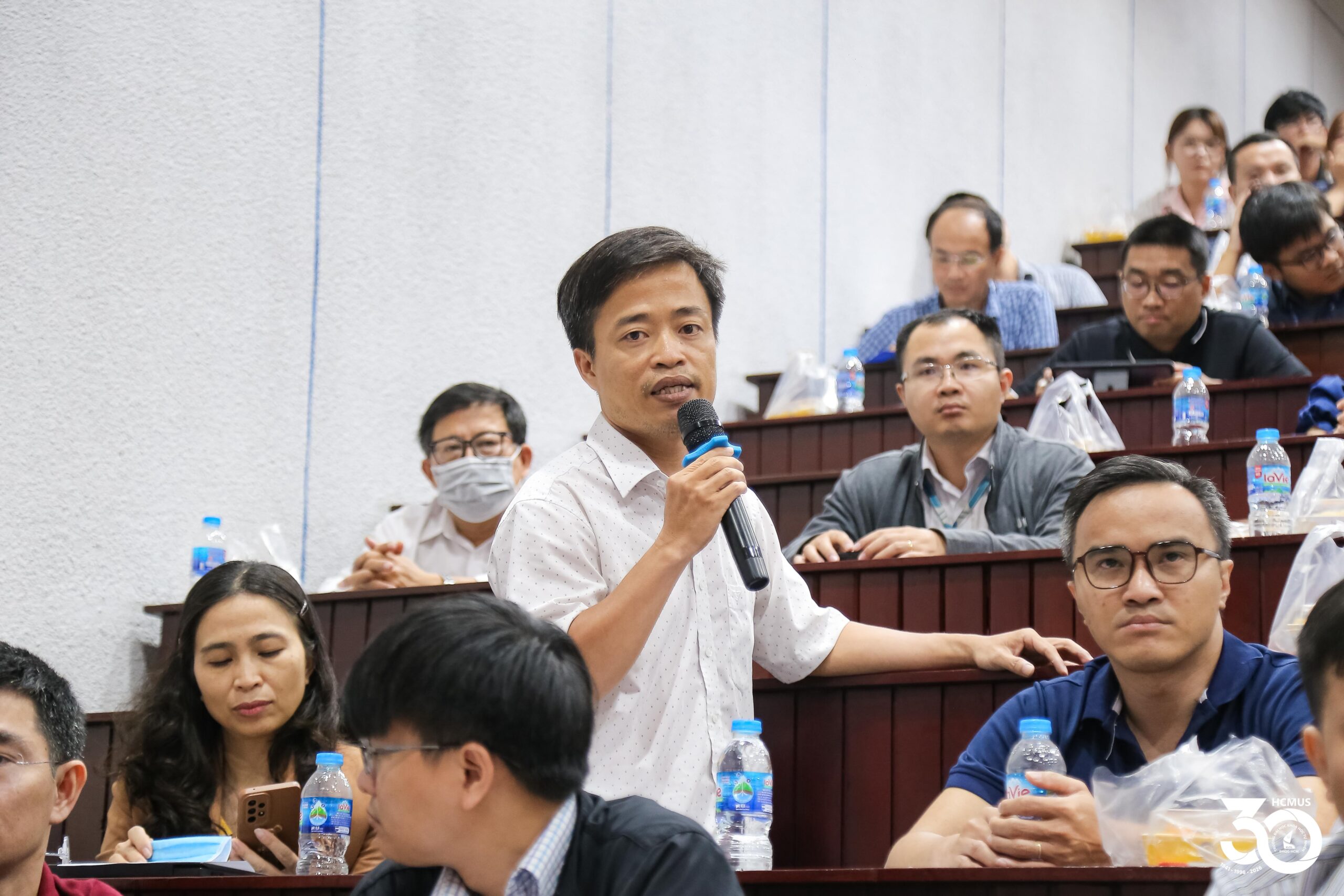
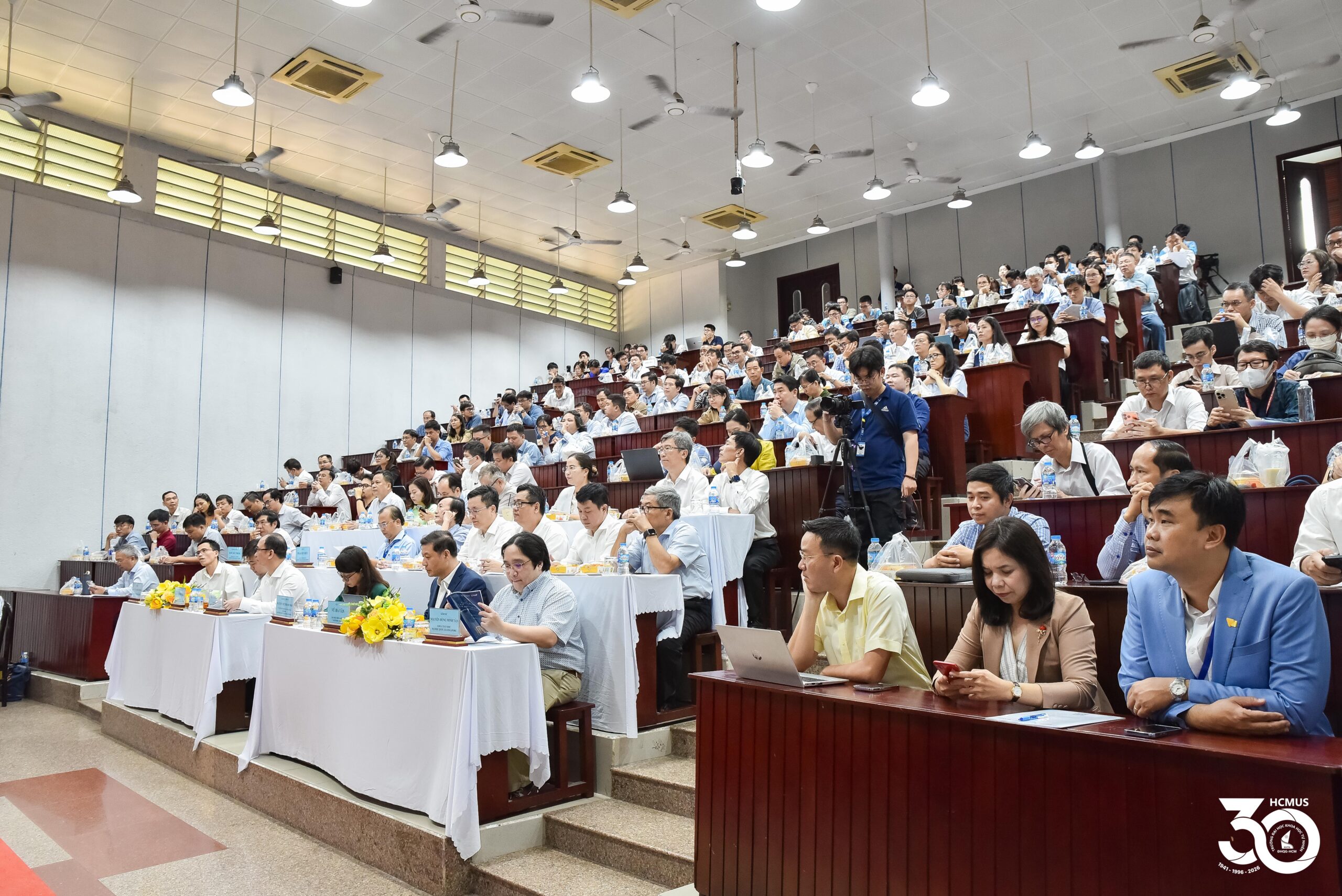
Participants exchanging ideas and contributing to the discussion session.
The conference is expected to yield specific, actionable proposals to propel the reform of Mathematics education in Viet Nam, whilst developing a high-quality mathematical workforce capable of meeting the demands of strategic technology sectors amidst the current digital transformation.
Leave a Reply