

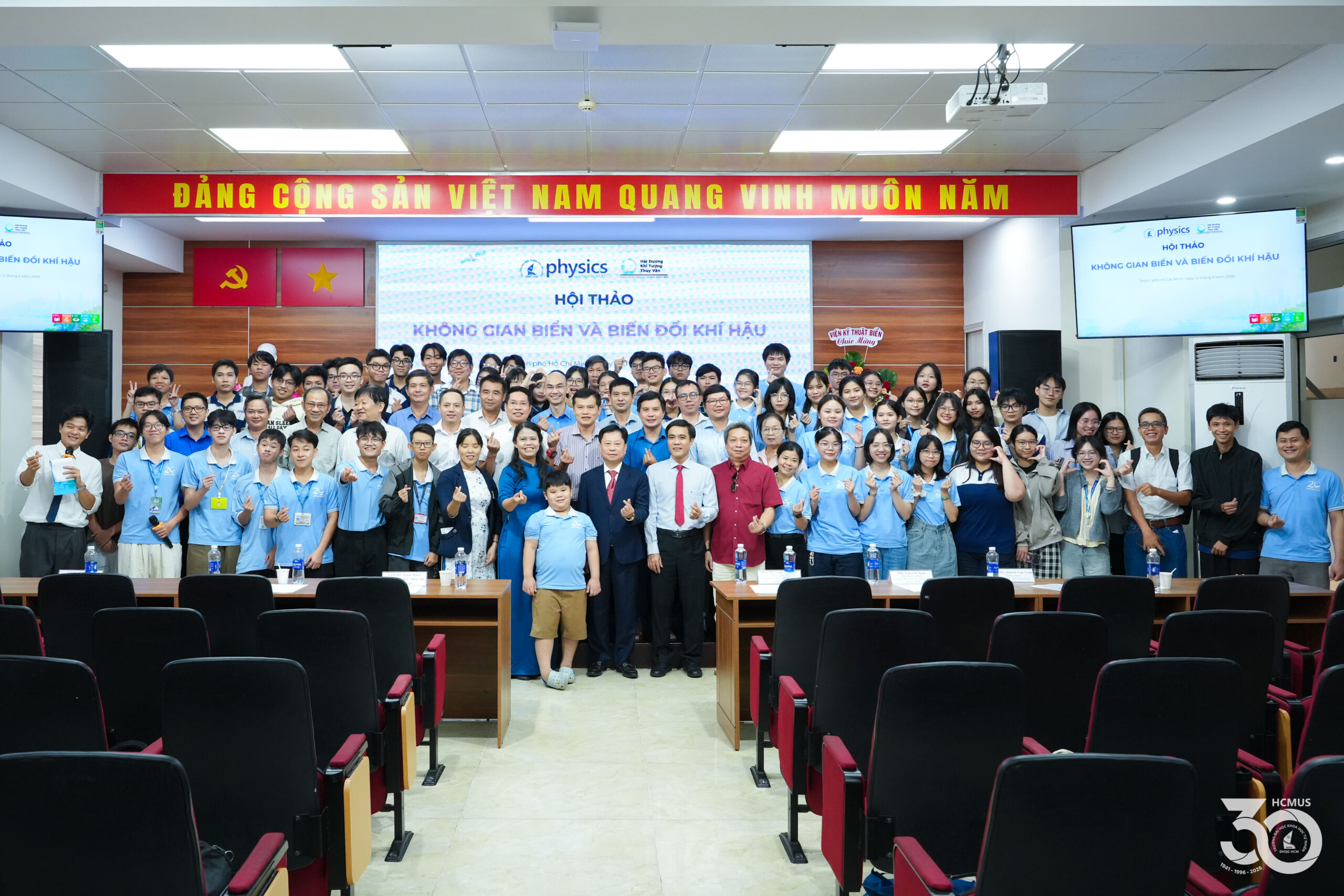
On 12 June, the symposium entitled ‘Marine Space and Climate Change’ was hosted by the Faculty of Physics and Engineering Physics at VNUHCM–University of Science (HCMUS). This academic forum successfully connected educational training, scientific research, and practical maritime management, elucidating the pivotal role of marine science in sustainable development, climate change adaptation, and environmental resource protection.
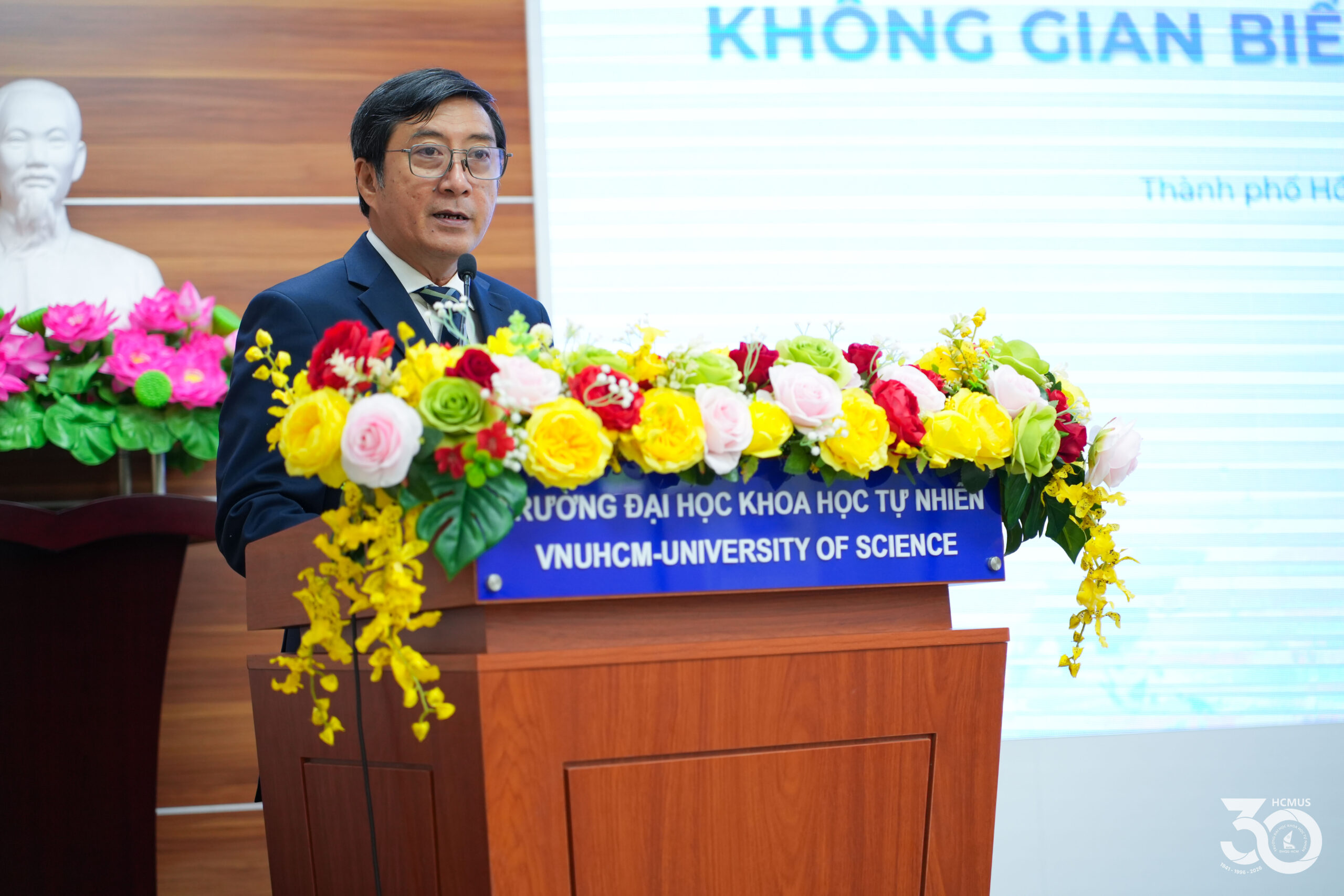
In the opening address, Assoc. Prof. Trần Lê Quan, the President of HCMUS, emphasised that Viet Nam is a coastal nation endowed with substantial advantages in natural resources, maritime economics, and strategic positioning. Marine space is intricately linked not only to economic growth, national defence, and security, but also serves as the vital living environment for millions of citizens. As climate change increasingly exerts profound impacts on coastal regions, the demand for high-quality human resources within oceanography and marine science has become more critical than ever.
According to Assoc. Prof. Trần Lê Quan, advancing training and research within marine science enhances capabilities in forecasting, management, and resource exploitation. Furthermore, this advancement plays an essential role in Viet Nam’s strategic framework for a sustainable marine economy and climate change adaptation.
In light of the United Nations launching the Decade of Ocean Science for Sustainable Development (2021–2030), marine and ocean sciences during the 2025–2030 period are transitioning rapidly from single-discipline to interdisciplinary approaches. These modern methodologies integrate data science, artificial intelligence, and digital technologies. Marine space is progressively viewed as a multidimensional system encompasses natural resources, ecosystems, infrastructure, socio-economic activities, sustainable development, and national sovereignty.
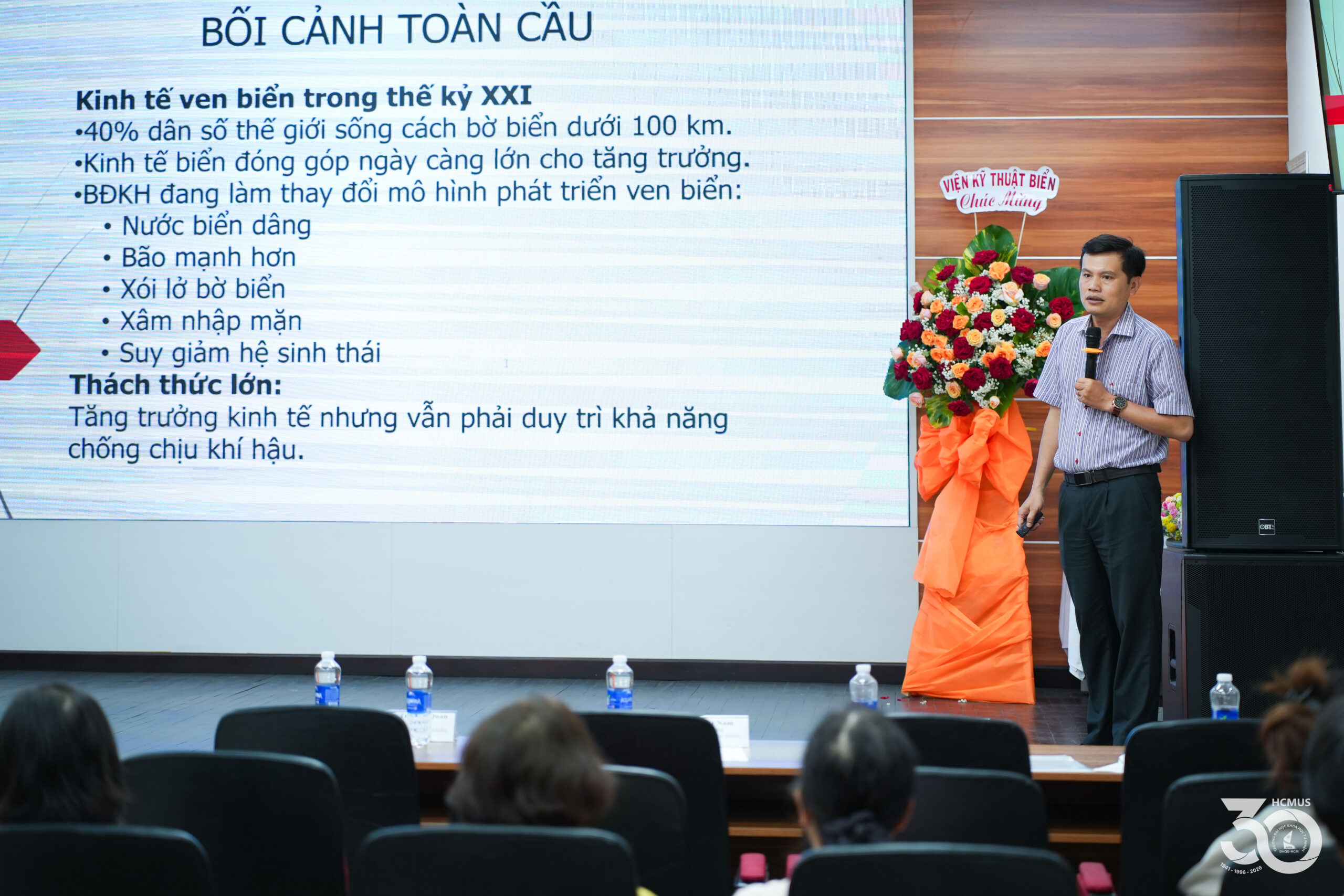
The thematic presentations followed a structured progression from foundational training to the empirical challenges faced by Viet Nam’s marine and coastal zones. The proceedings commenced with the development of Oceanography as marine science shifts decisively towards interdisciplinarity, big data, artificial intelligence, and digital ocean twins. Consequently, modern education extends beyond traditional expertise, broadening to encompass data analytics, mathematical modelling, forecasting, and the application of advanced technologies within Earth Sciences.
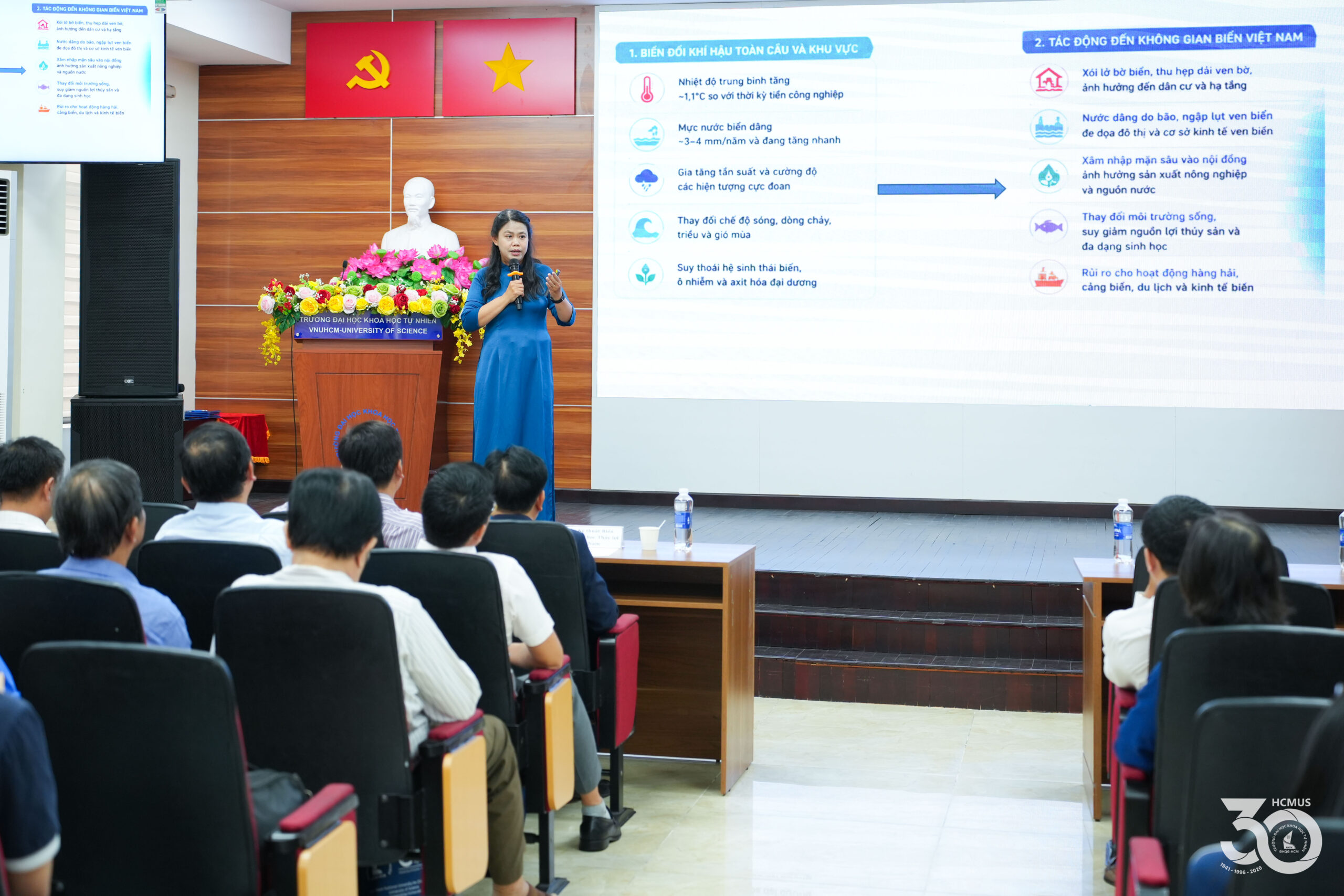
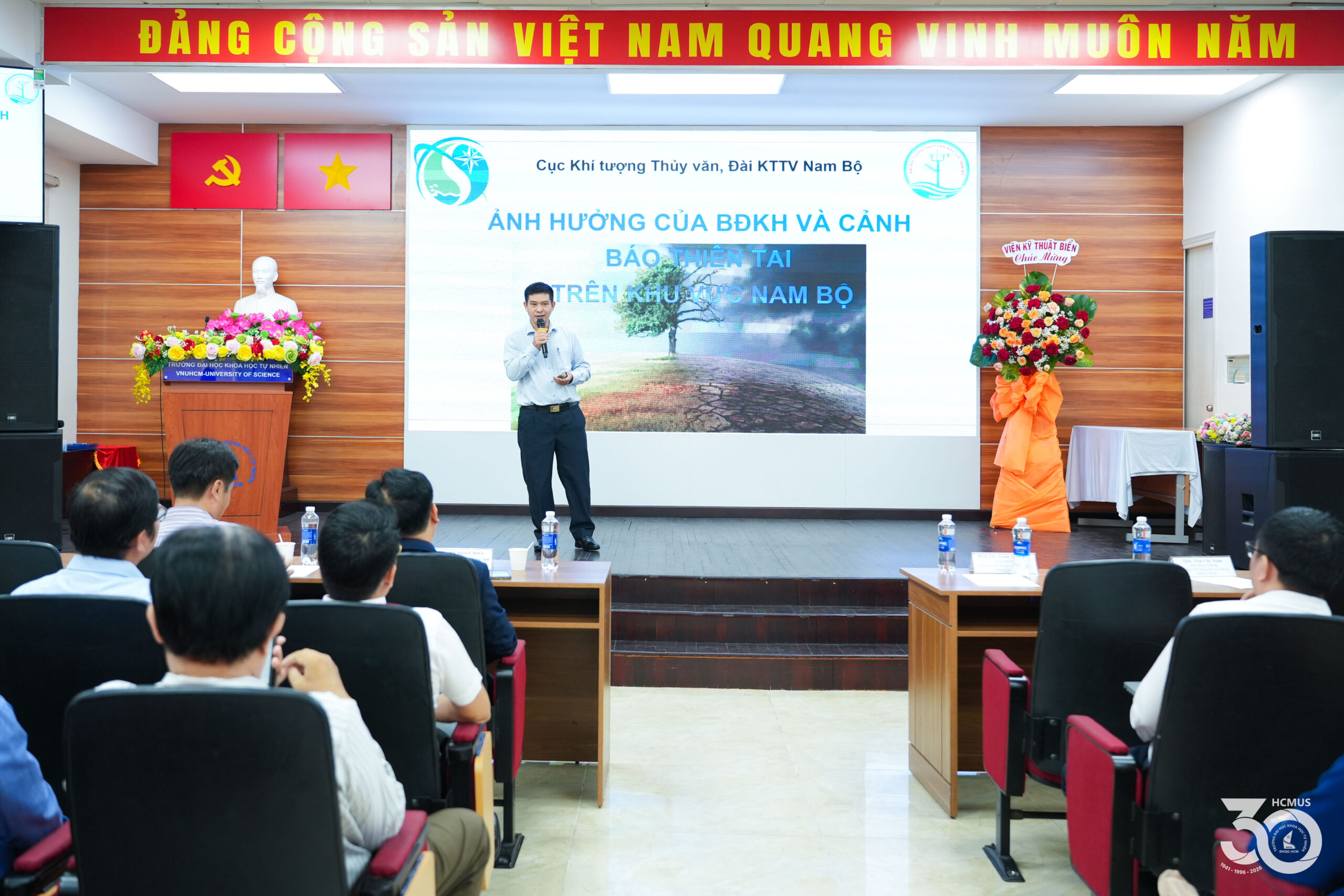
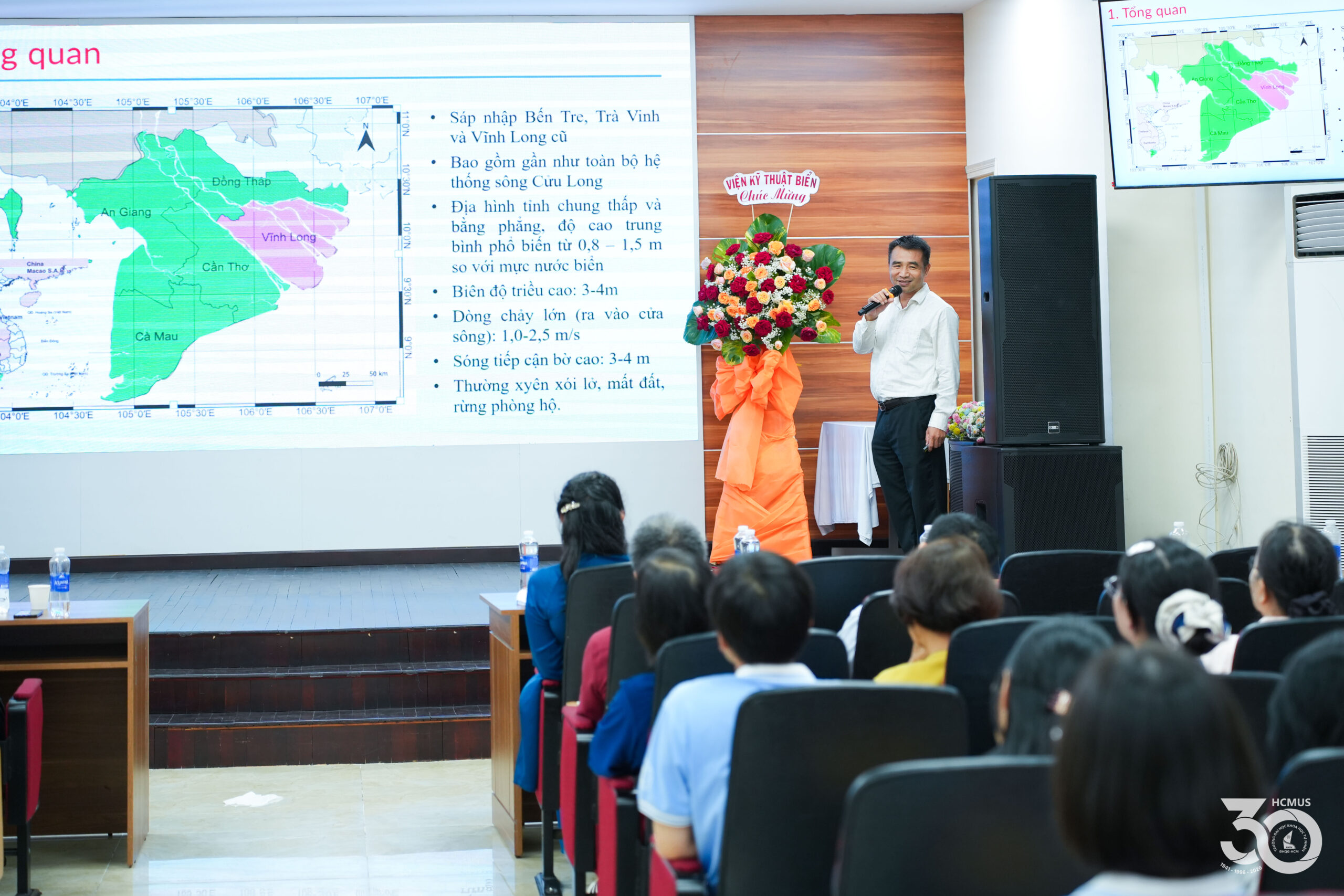
Building upon educational frameworks, subsequent presentations addressed the practical challenges confronting Southern Viet Nam and the Mekong Delta. Climate change imposes distinct pressures on these areas, manifested through altered rainy seasons, intensifying heatwaves, saline intrusion, alongside risks of torrential rainfall, high tides, coastal erosion, and anomalous sea-level rise. Numerous experts asserted that enhancing observation, forecasting, and early warning capabilities must be prioritised. This objective requires the integration of meteorological-hydrological data, remote sensing, radar/satellite imagery, and sophisticated numerical models.
Moving beyond risk identification, the discussions expanded towards adaptive solutions for coastal zones, particularly as erosion, land subsidence, and mangrove degradation grow increasingly complex. Rather than relying solely on traditional hard engineering structures, contemporary strategies favour a combination of hard and soft engineering, nature-based solutions, and ecosystem restoration. Wave-attenuating dykes, sediment sedimentation models, mangrove protection, and coastal space development are regarded not merely as technical measures, but as integral components of long-term adaptation strategies.
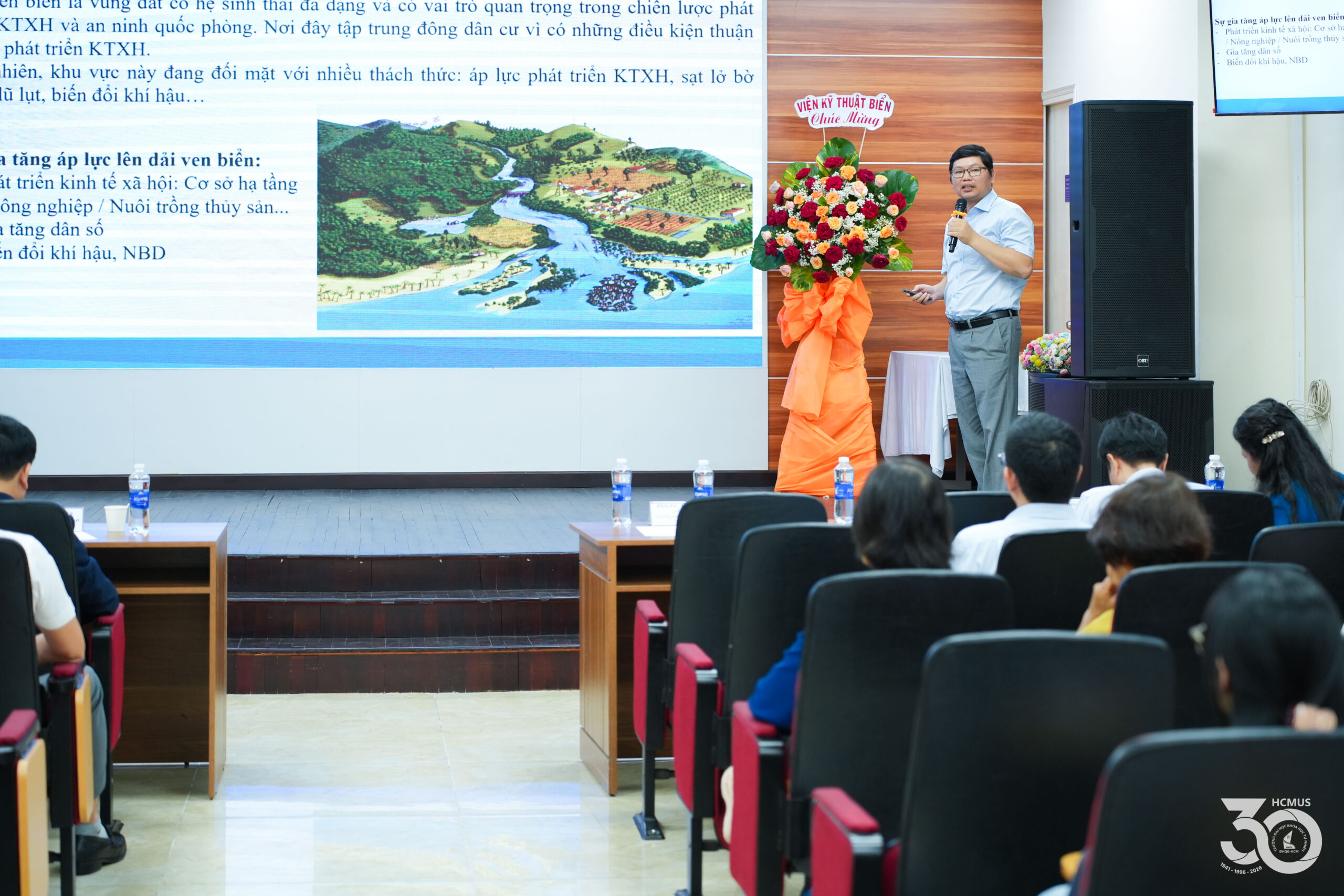
From a managerial perspective, the presentations highlighted the necessity of a sustainable blue economy, integrated coastal zone management, and the utilisation of digital technologies in planning, warning systems, and decision-making. This approach demonstrates that contemporary oceanographic research remains inseparable from socio-economic considerations, local livelihoods, infrastructure, ecosystem conservation, and the sustainable development of coastal communities.
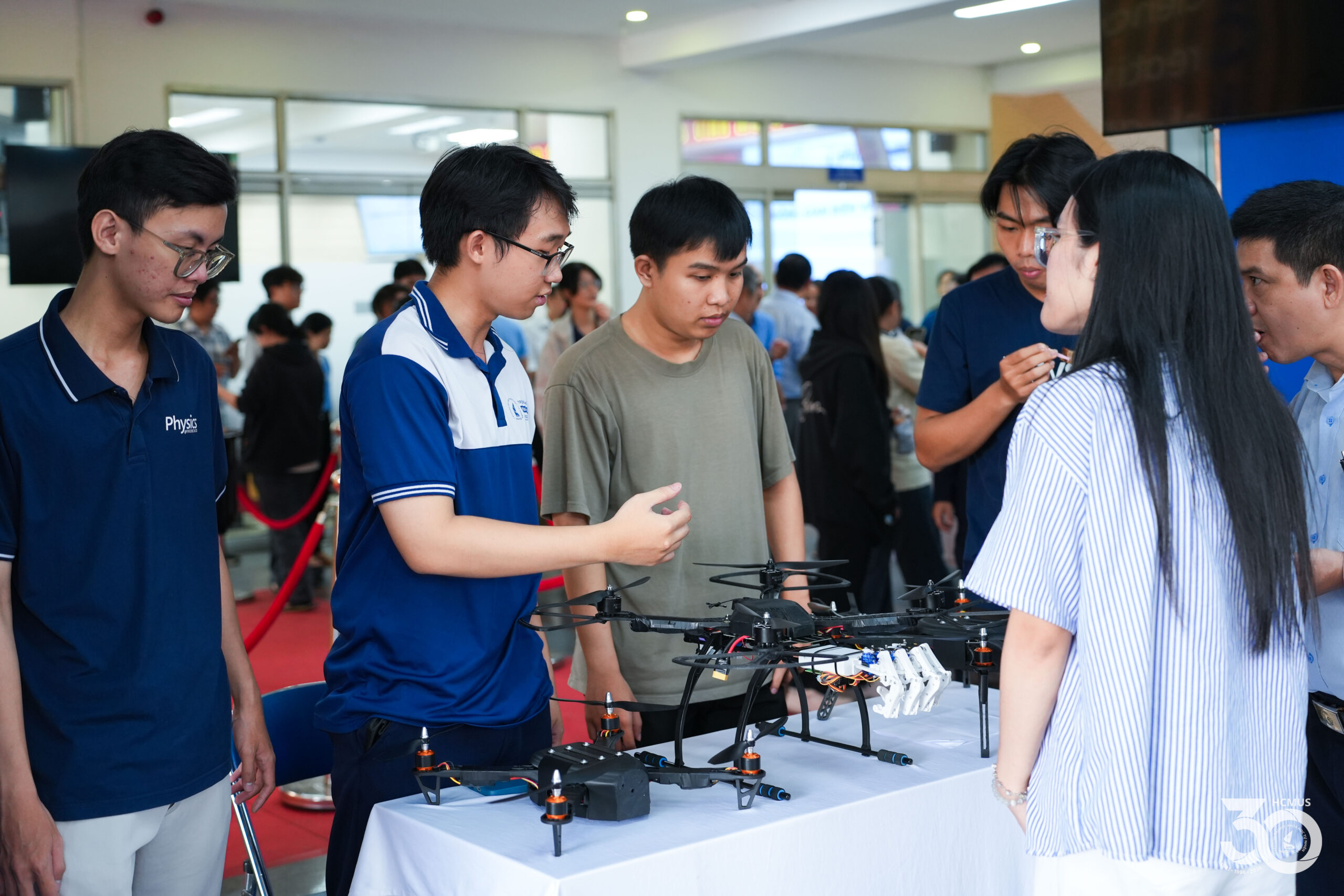
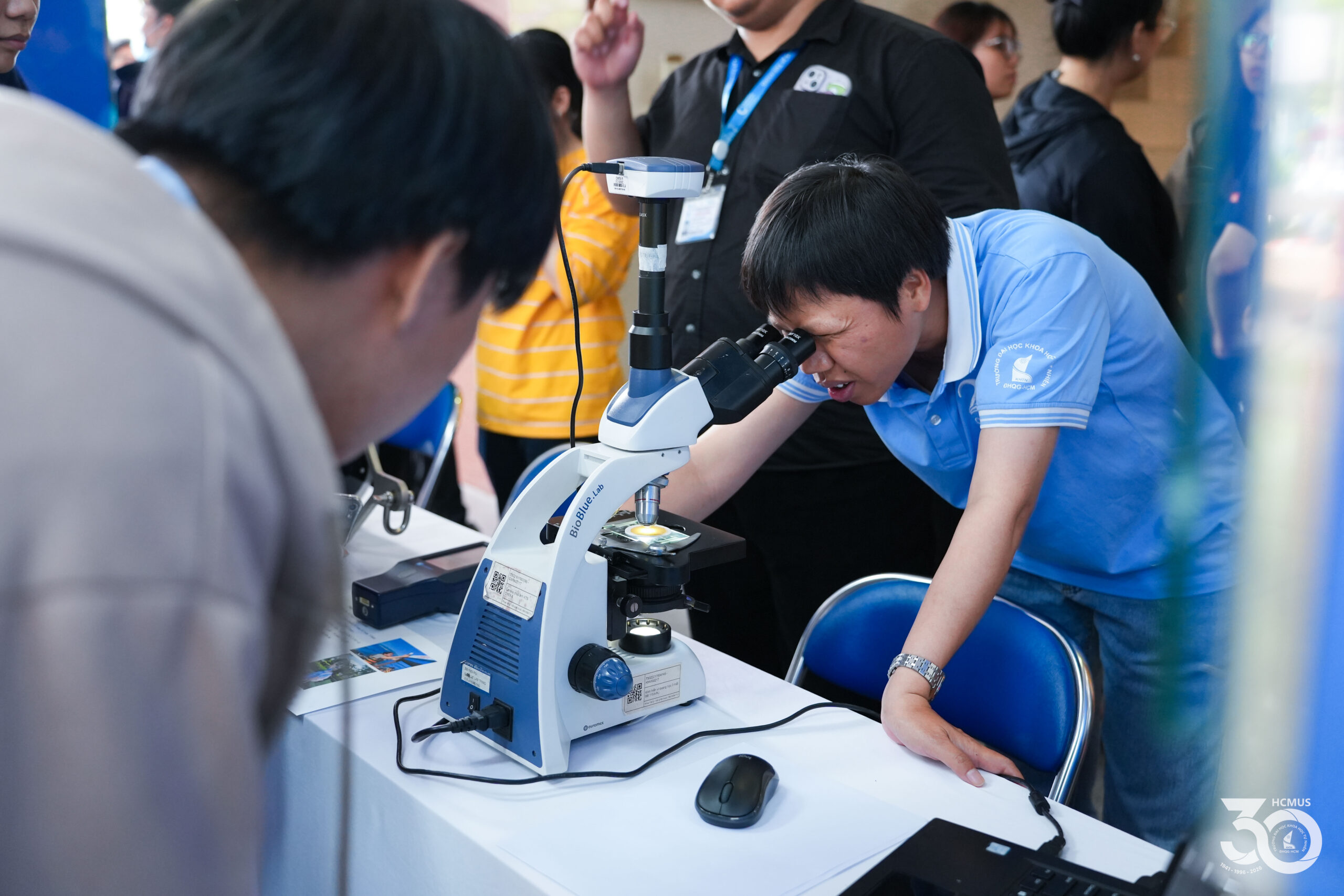
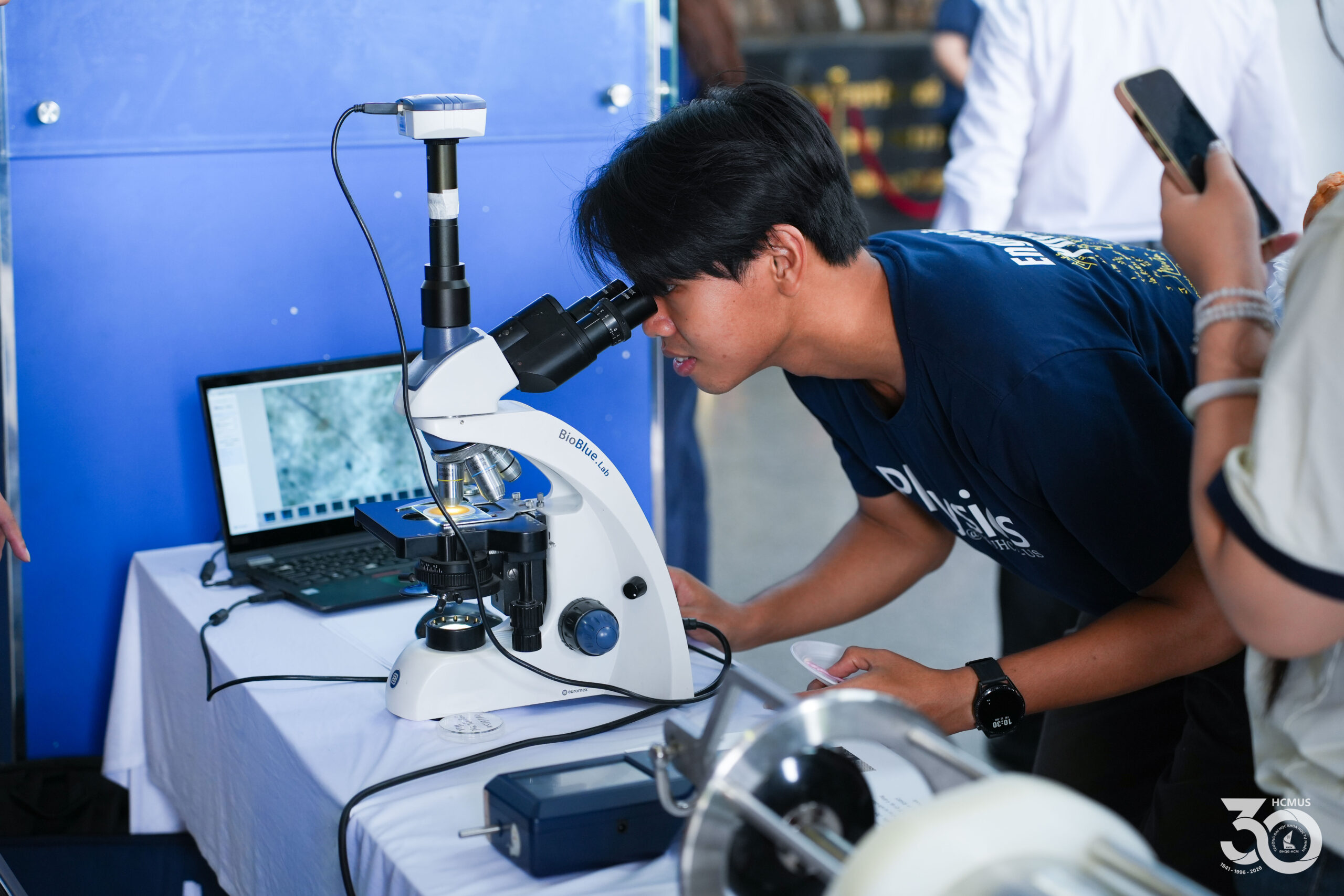
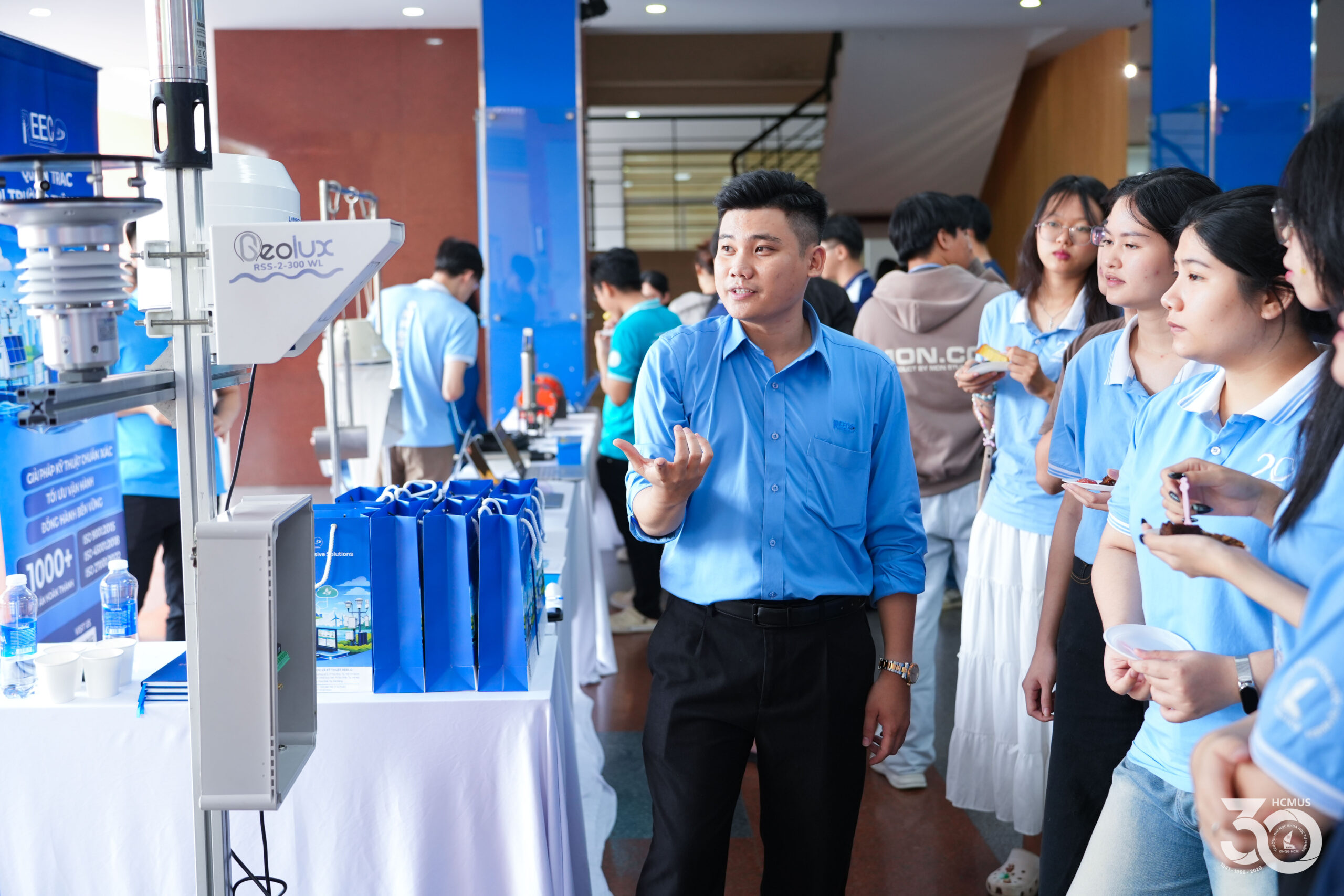
Alongside the presentation and discussion sessions, an exhibition in the lobby of Hall I showcased various models, scientific products, and posters relating to Oceanography, Meteorology, Hydrology, and Environmental Science. This exhibition offered attendees, particularly students, an interactive opportunity to engage directly with the research directions, equipment, and technologies currently deployed in marine science.
The ‘Marine Space and Climate Change’ symposium has fostered stronger networks between educational institutions, research institutes, and specialised agencies, whilst opening new perspectives on the role of marine science in addressing sustainable development challenges. The event also provided a valuable opportunity for students to engage with contemporary issues in the field, thereby raising awareness and responsibility towards the effective protection and exploitation of marine resources, contributing to the future sustainable development of the nation.
Leave a Reply