

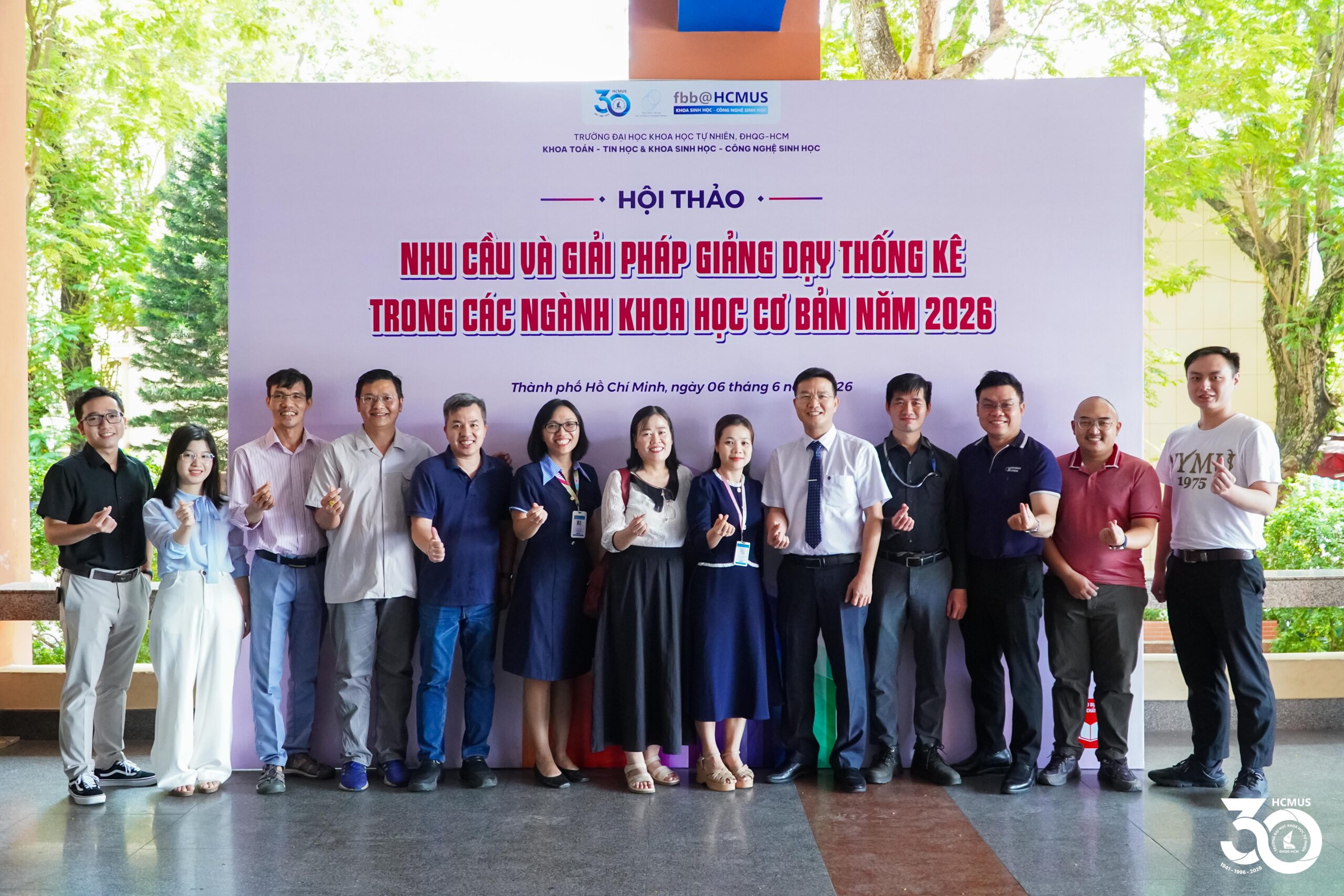
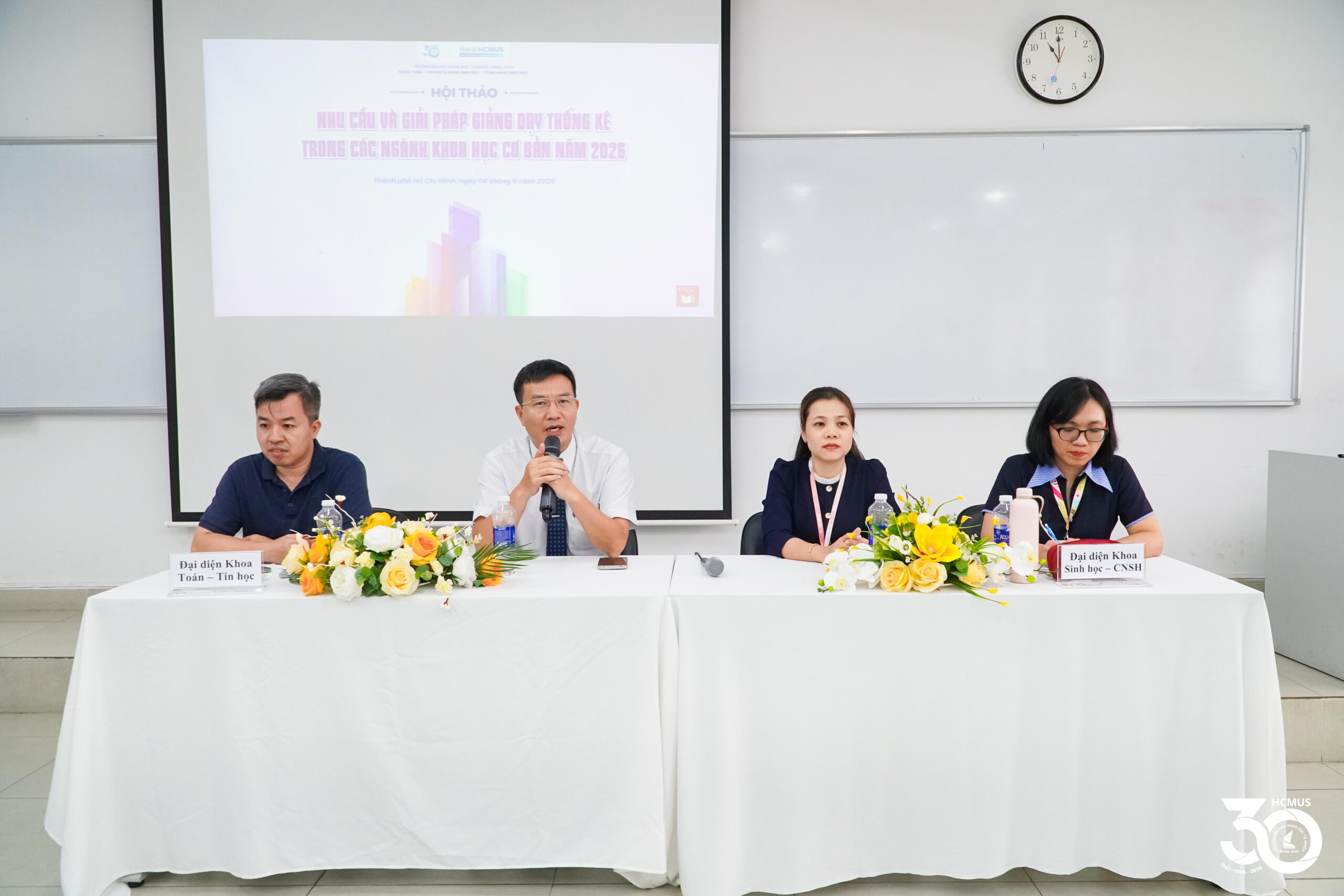
On 6 June, the VNUHCM–University of Science (HCMUS) hosted the seminar ‘Demands and solutions for teaching Statistics in basic sciences in 2026’. Jointly organised by the Faculty of Mathematics and Computer Science and the Faculty of Biology and Biotechnology, the event drew significant interest from scientists, lecturers, experts, and learners focused on statistics, data science, and higher education.
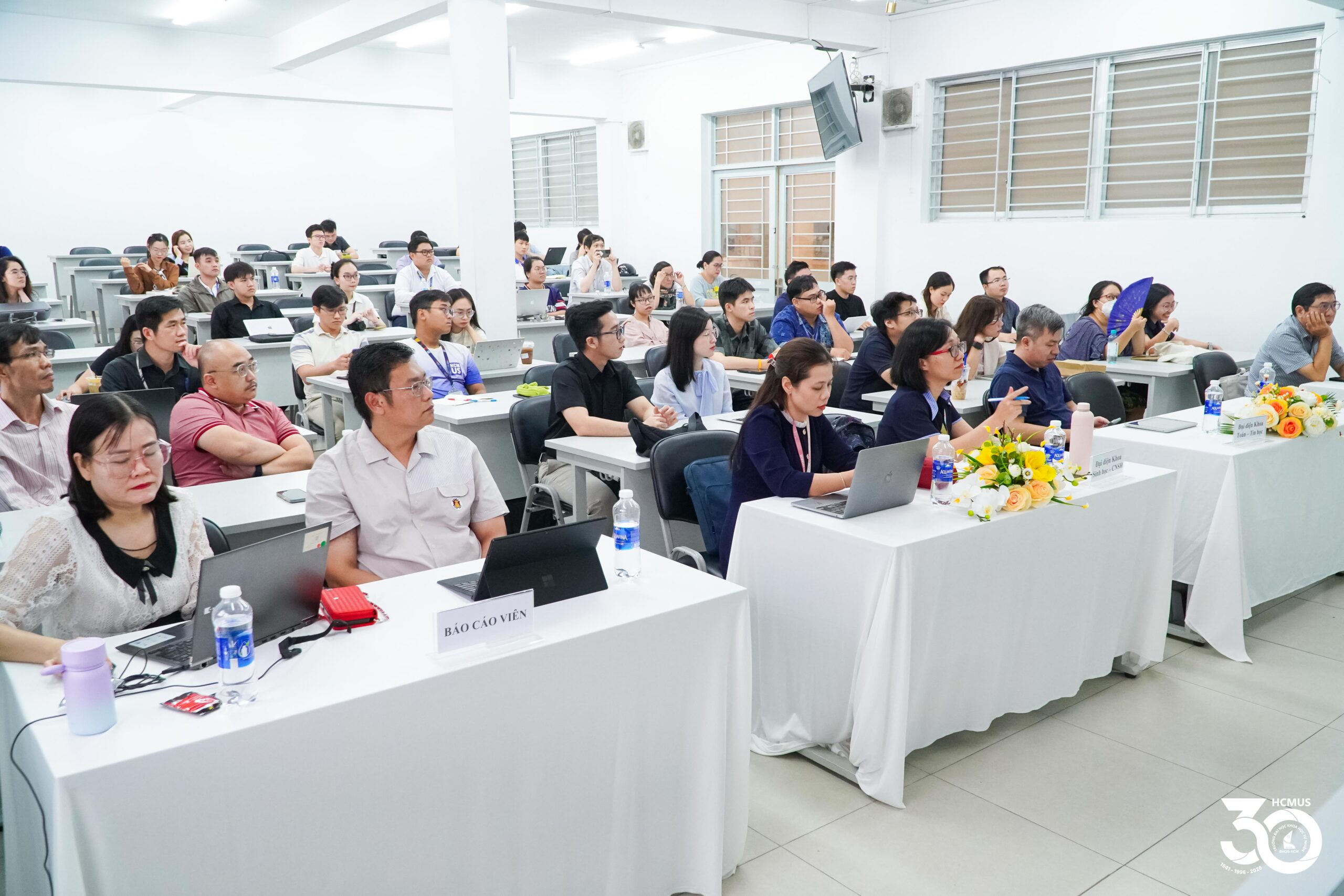
In an era where data and artificial intelligence (AI) are reshaping research methodologies, industry, and governance across most sectors, Statistics increasingly asserts a vital role as a foundational framework. This discipline enables learners to access, analyse, and exploit data for scientific research and practical problem-solving. Consequently, the seminar aimed to assess the current state of Statistics education whilst proposing strategic solutions to improve educational effectiveness within basic science disciplines.
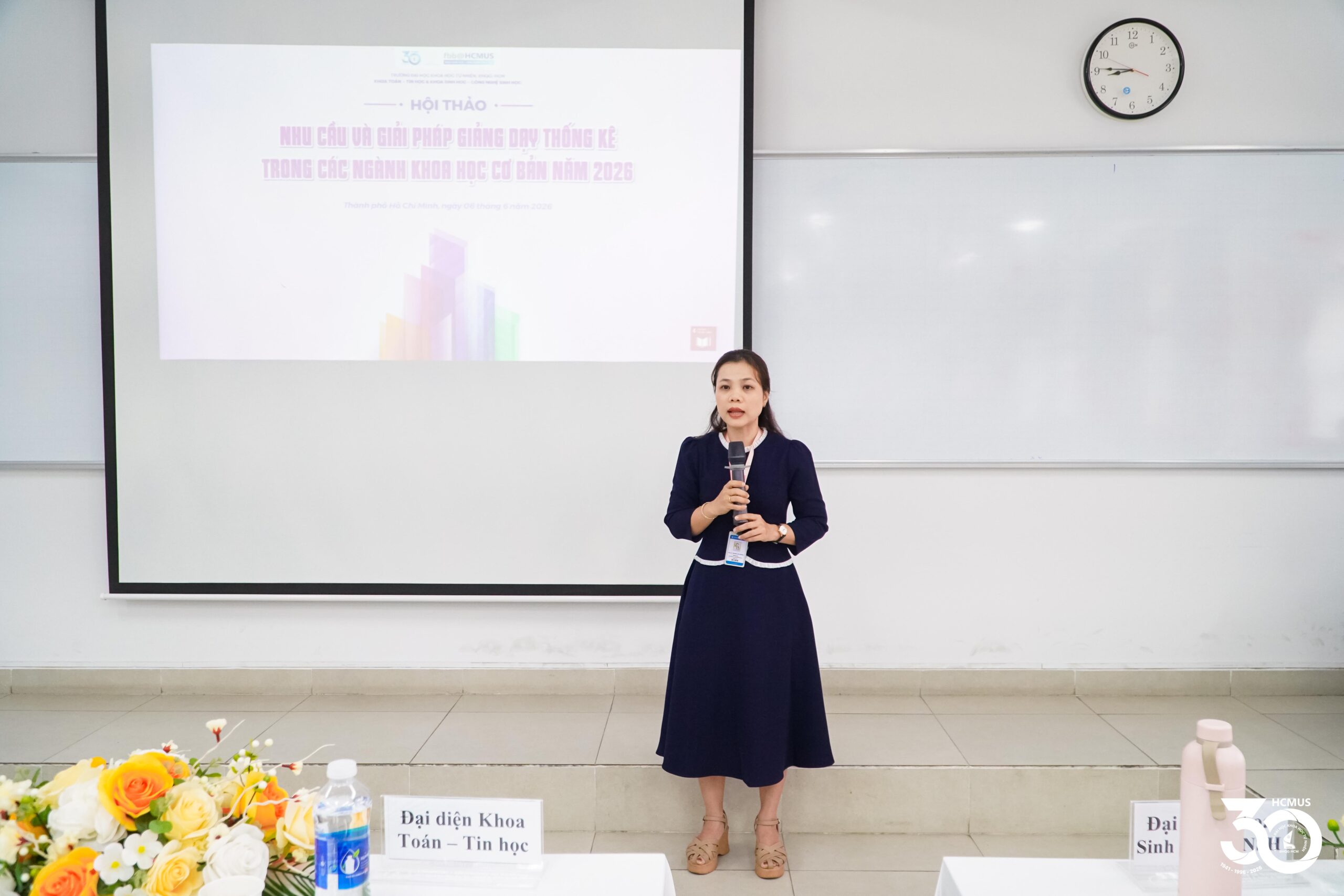
In the opening address, Associate Professor Trương Hải Nhung, Dean of the Faculty of Biology and Biotechnology, noted that alongside the shift towards interdisciplinary and data-driven scientific development, statistical thinking has become an essential requirement for learners. According to Associate Professor Trương Hải Nhung, equipping learners with the ability to analyse, interpret, and utilise data scientifically improves educational quality and provides a robust foundation for learners to adapt to rapid technological advancements.
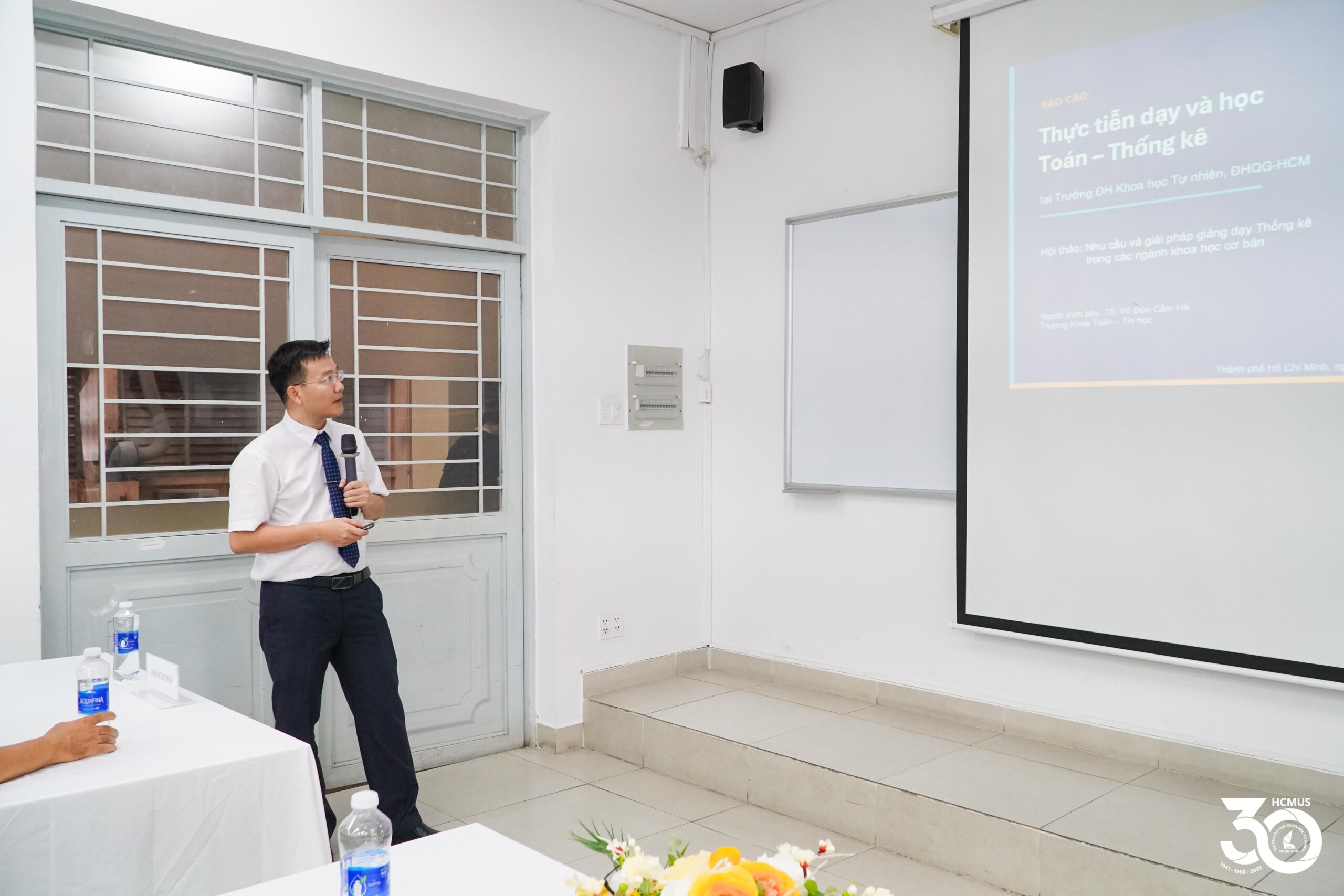
During the seminar, keynote presentations focused on analysing the current landscape of Statistics teaching and learning in higher education.
Dr Võ Đức Cẩm Hải, Dean of the Faculty of Mathematics and Computer Science, provided an overview of Mathematics and Statistics provision at HCMUS. The presentation emphasised the significance of foundational knowledge in helping learners engage effectively with specialised fields that are increasingly data-centric.
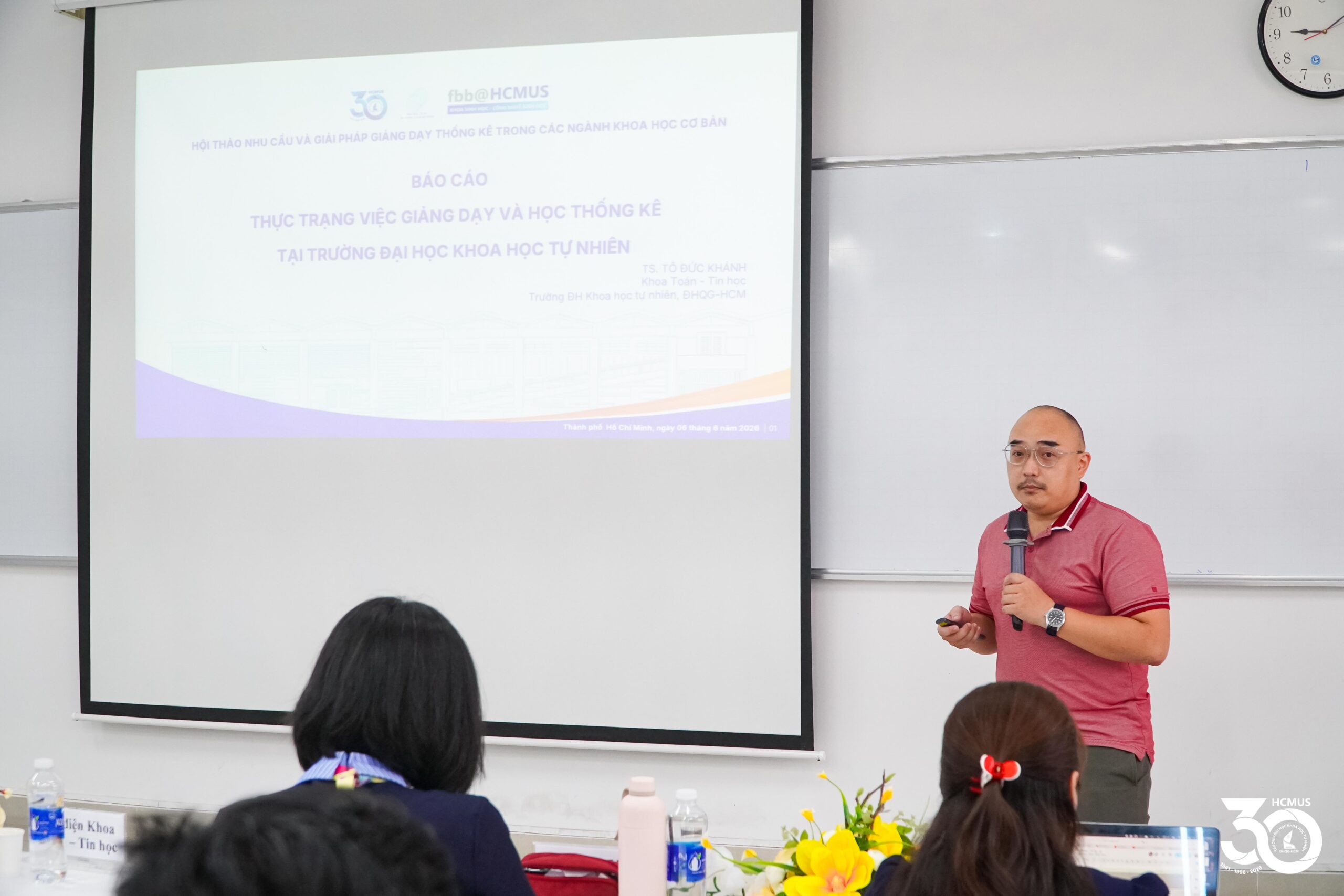
Following this, Dr Tô Đức Khánh, a lecturer from the Faculty of Mathematics and Computer Science, analysed the challenges in contemporary Statistics education. According to Dr Tô Đức Khánh, the primary obstacle lies not merely in delivering theoretical knowledge, but in enabling learners to apply statistical methods and tools to resolve practical problems in research and professional careers. From this perspective, Dr Tô Đức Khánh proposed directions for curriculum reform, innovative teaching methods, and enhanced practical applications in education.
In addition to educational matters, the seminar dedicated substantial time to discussing the role of Statistics amidst the rapid rise of data science and artificial intelligence.
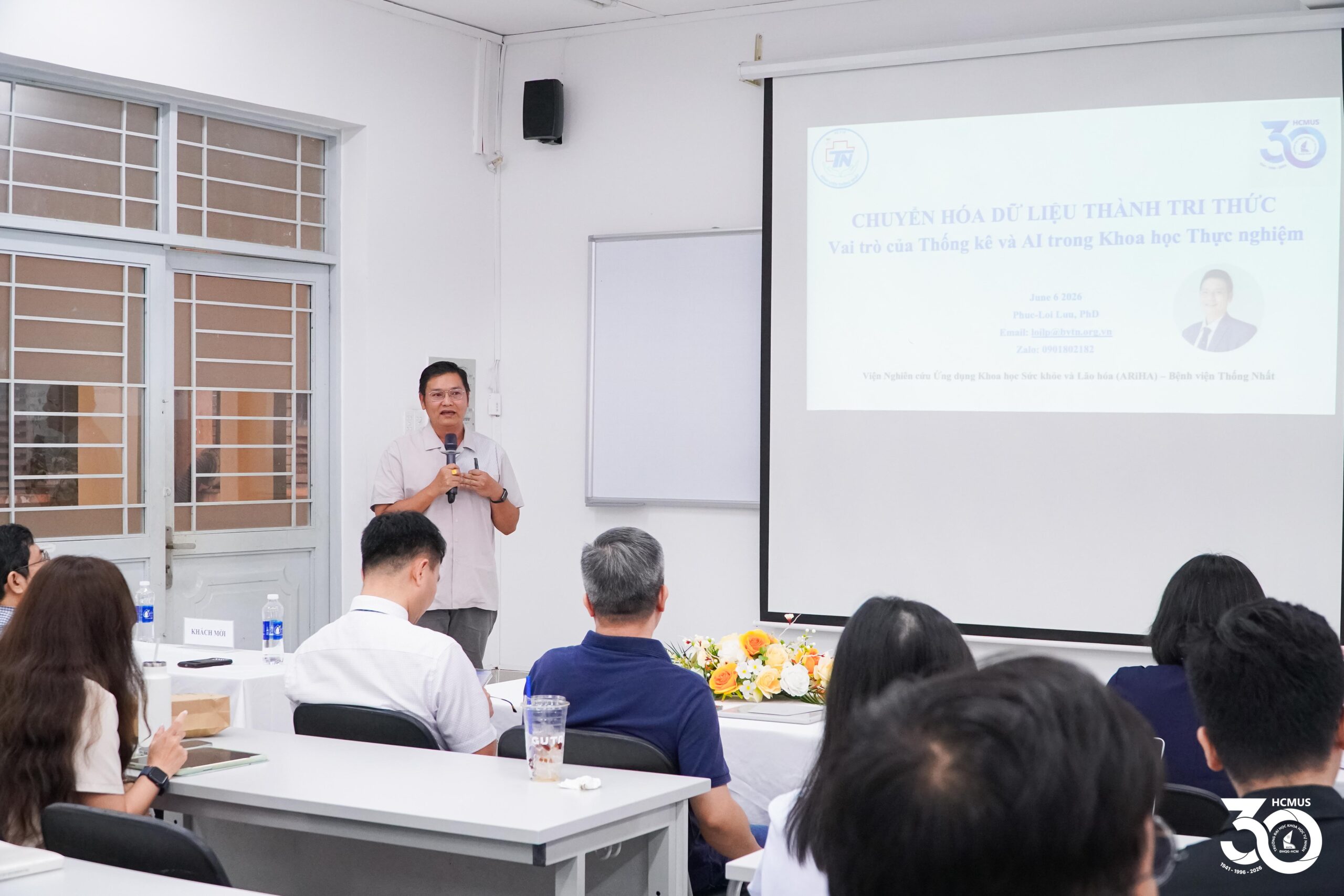
In the presentation entitled ‘Transforming Data into Knowledge: The Role of Statistics and AI in Experimental Science’, Dr Lưu Phúc Lợi, Head of the Scientific Research Department at the Institute for Applied Research in Health Sciences and Ageing (Thong Nhat Hospital), demonstrated that statistical methods maintain a core position throughout the research process. This spans experimental design, data processing, and model building to supporting scientific decision-making. Furthermore, the growth of AI highlights the critical importance of quantitative thinking and data analysis capabilities in modern research.
Subsequent presentations expanded horizons regarding the application of Statistics across various basic sciences. Dr Đặng Lê Anh Tuấn, a lecturer from the Faculty of Biology and Biotechnology, shared experiences in applying Statistics within biological and biotechnological research. Dr Phạm Tấn Hùng, a lecturer from the Faculty of Interdisciplinary Sciences, presented the role of Statistics in AI-driven materials discovery, ranging from experimental data to predictive modelling and high-throughput screening. Dr Nguyễn Thị Huỳnh Trâm, a lecturer from the Faculty of Environment, offered insights into bridging the gap between statistical theory and environmental data analysis skills.
These contributions demonstrated that Statistics is no longer an isolated discipline but has instead become a universal language across multiple scientific fields, linking data, technology, and knowledge.
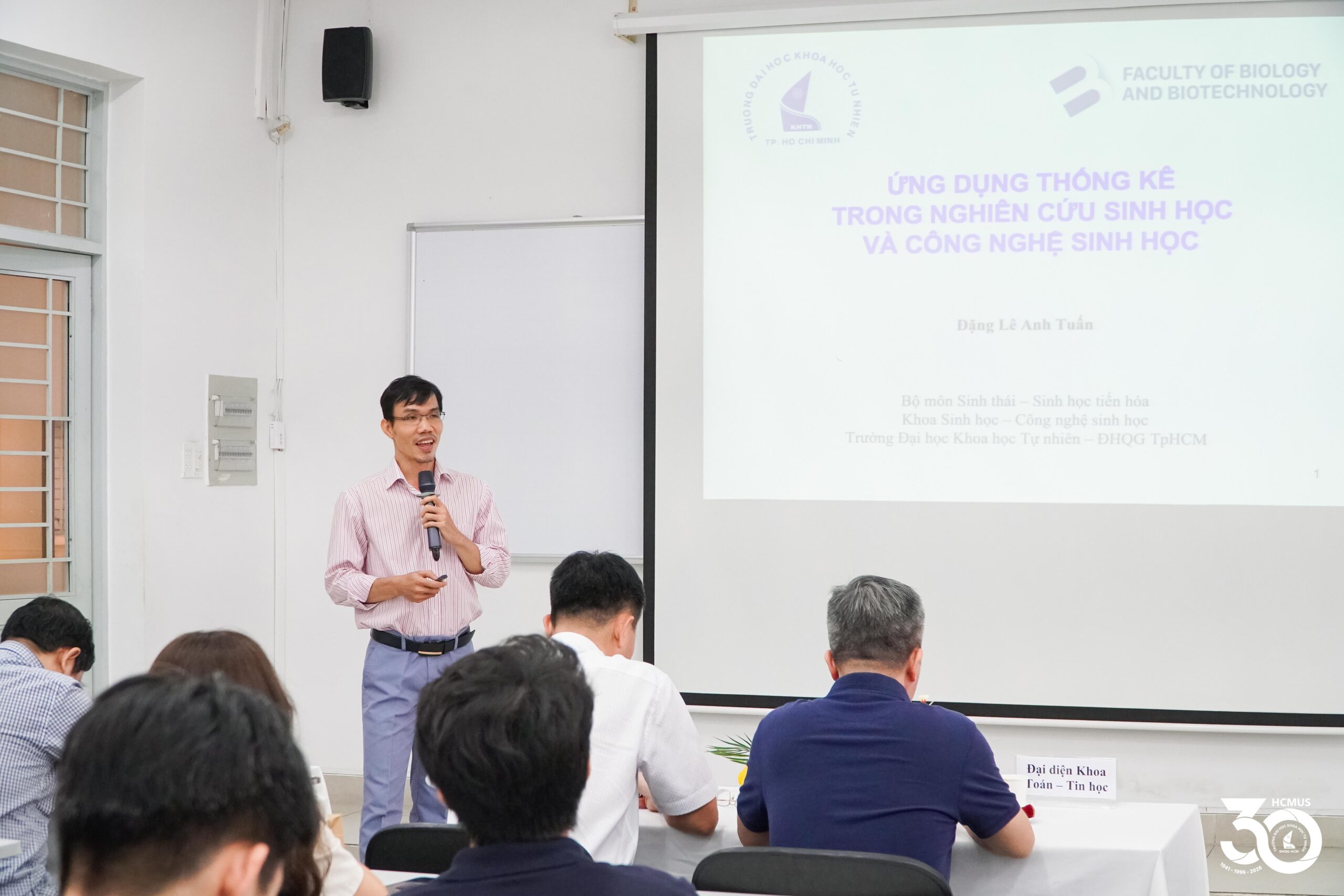
Dr Đặng Lê Anh Tuấn sharing experiences in applying Statistics within biological and biotechnological research. 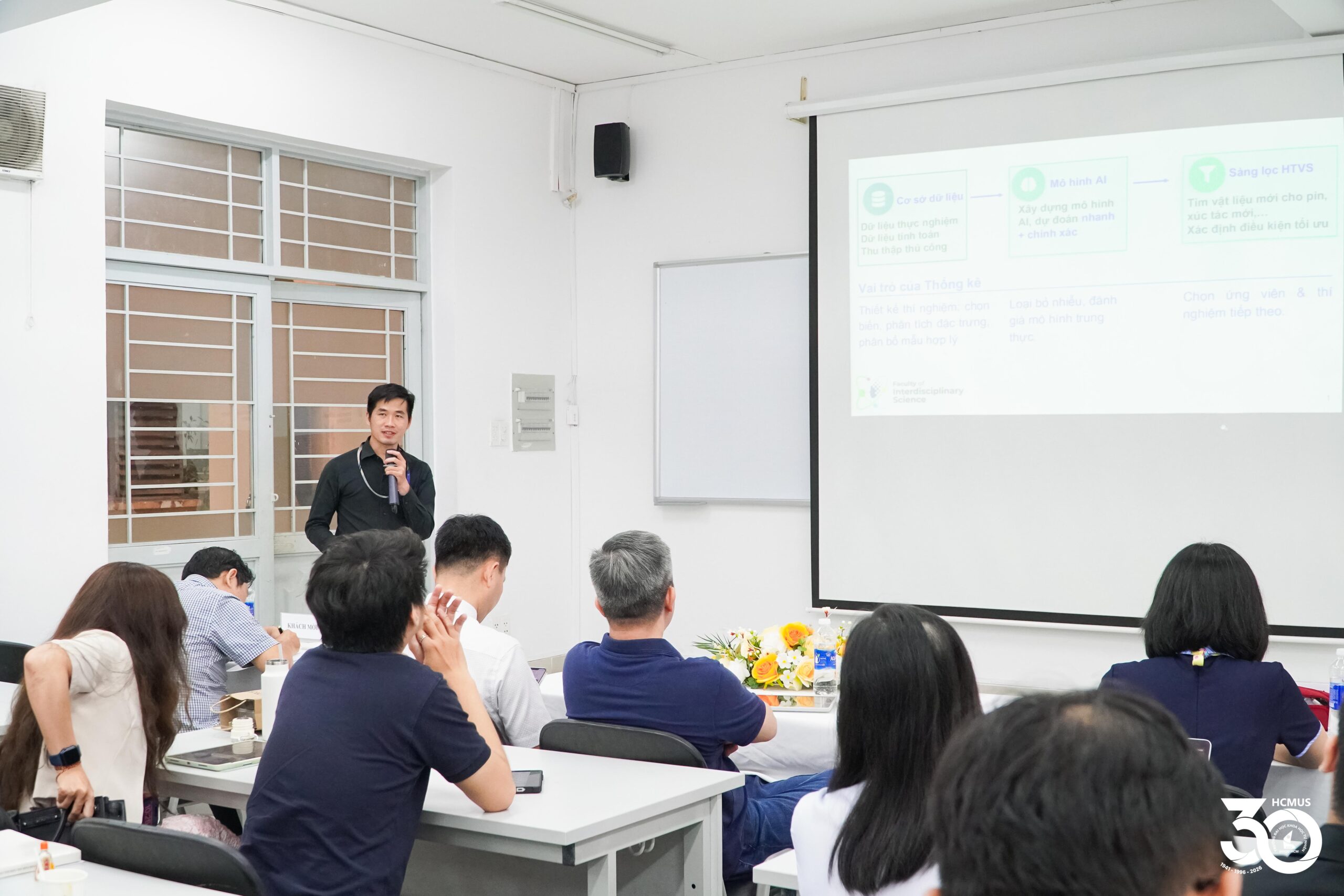
Dr Phạm Tấn Hùng delivering a presentation on the role of statistics in AI-driven materials discovery research. 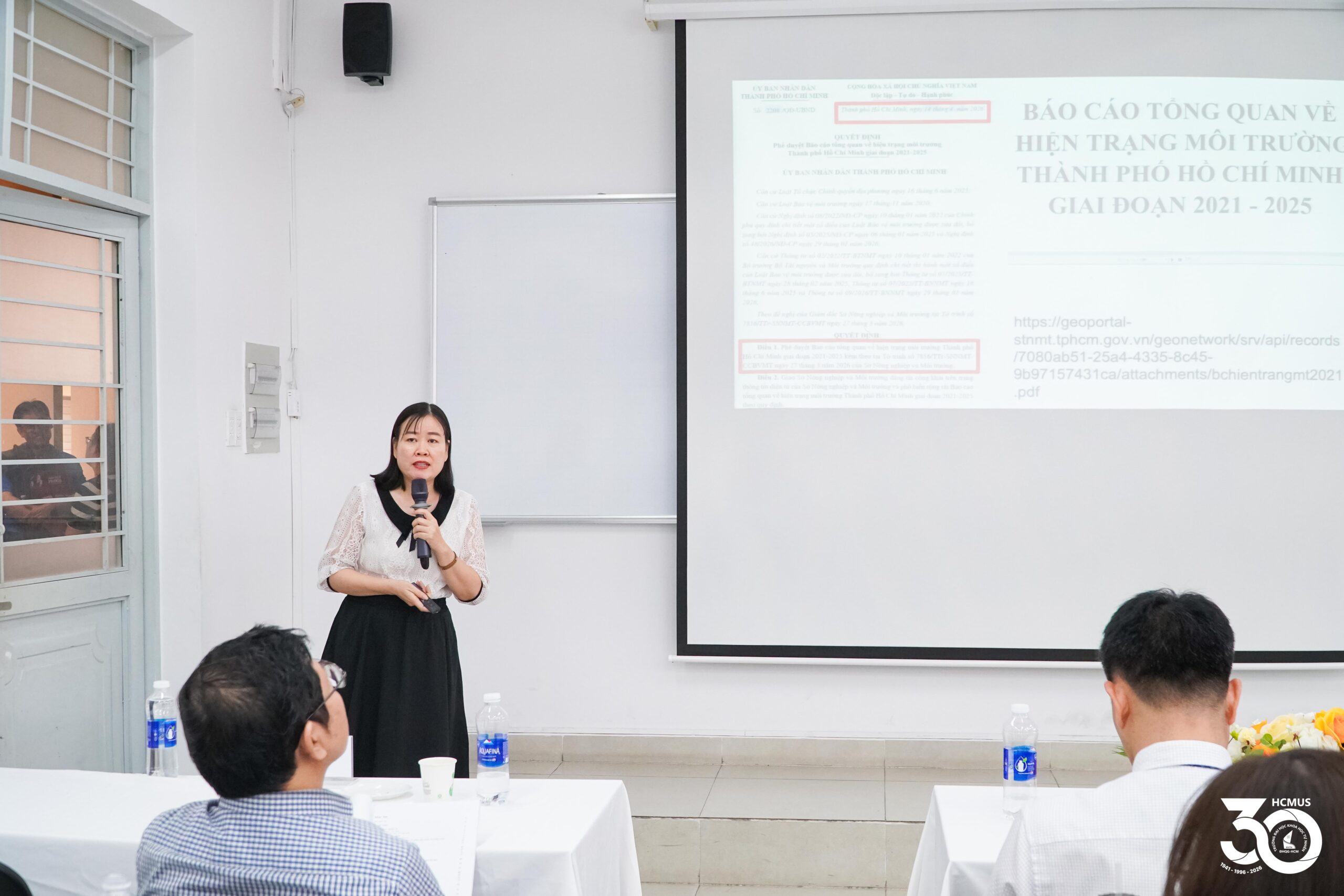
Dr Nguyễn Thị Huỳnh Trâm discussing connecting statistical theory with environmental data analysis skills.
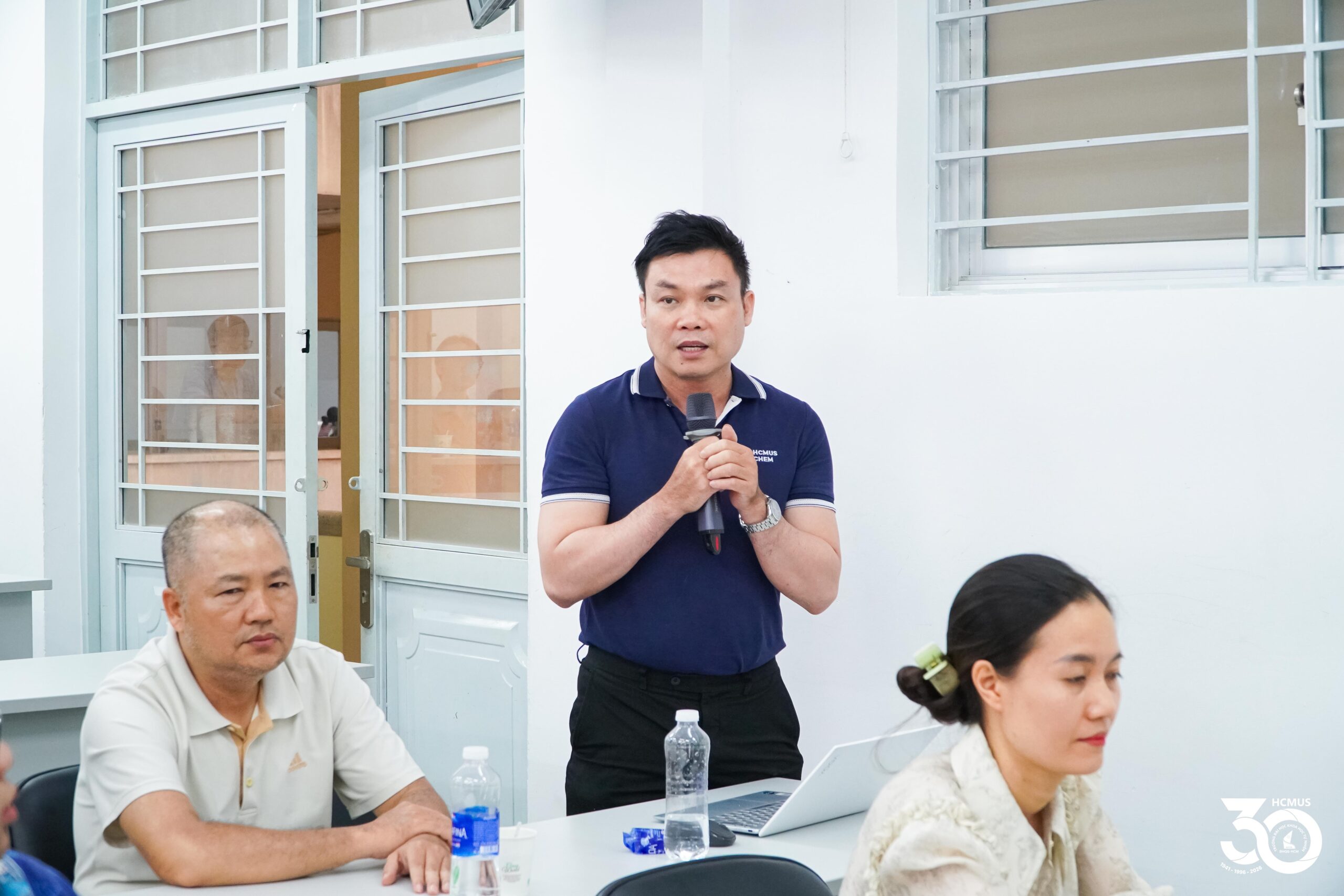
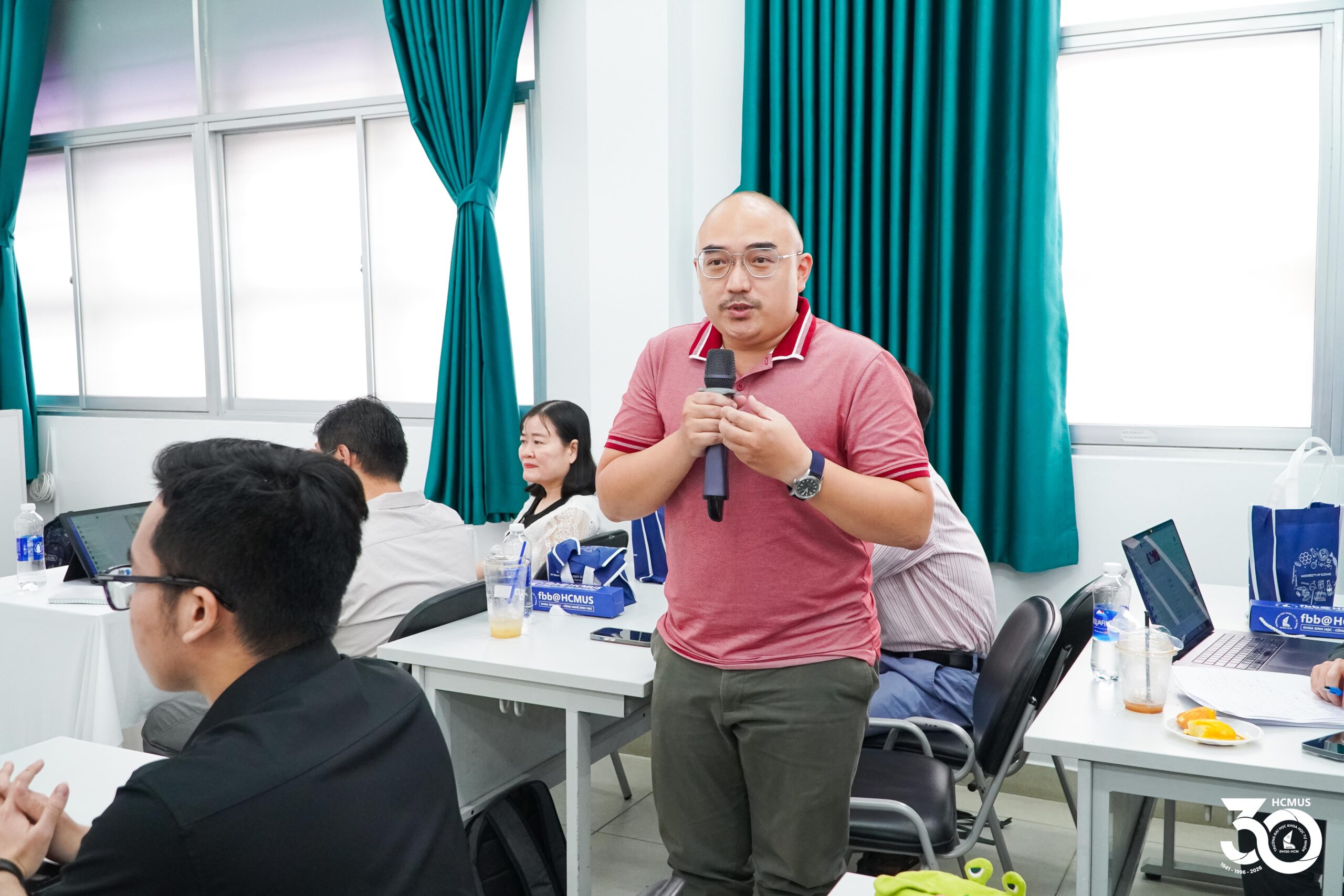
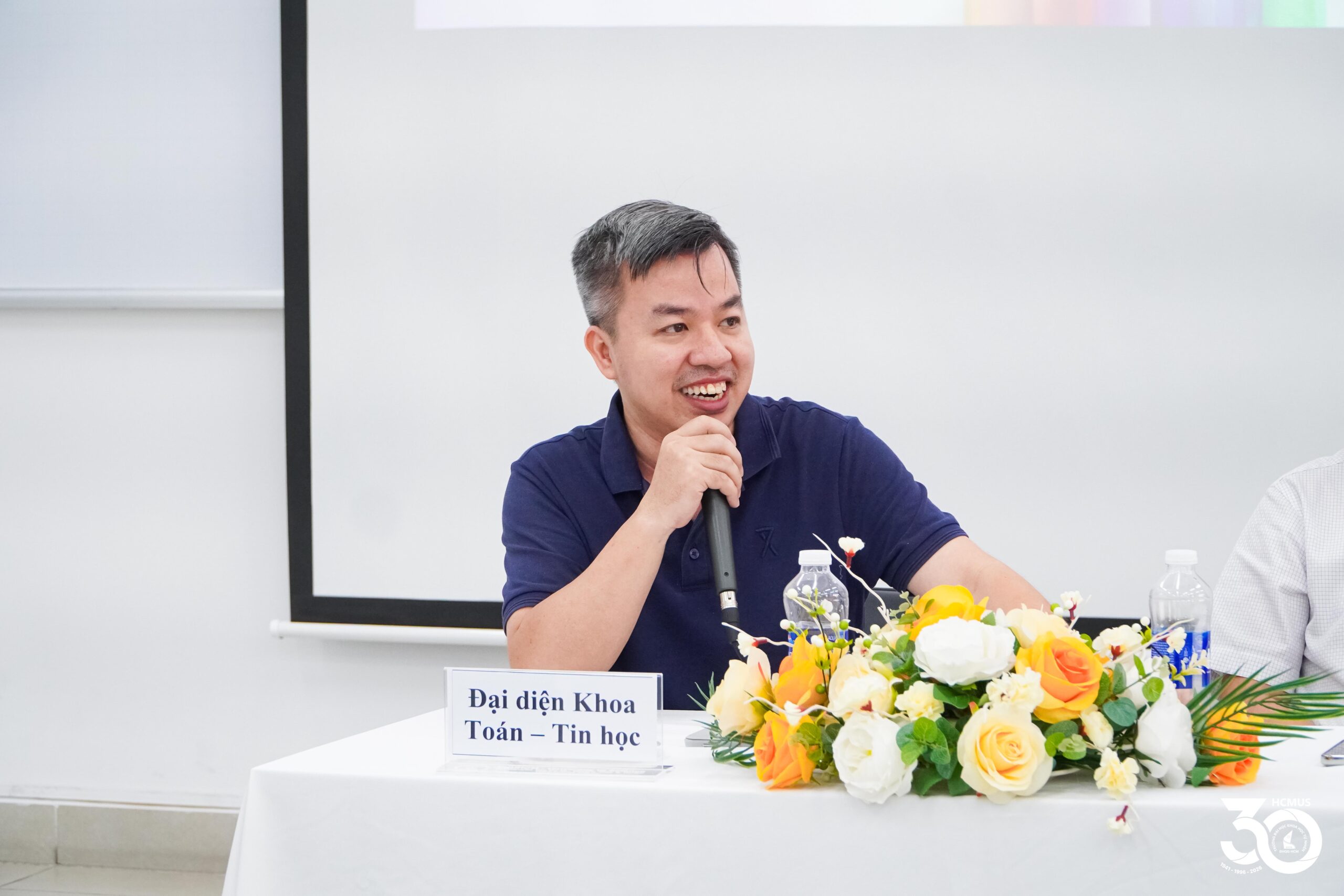
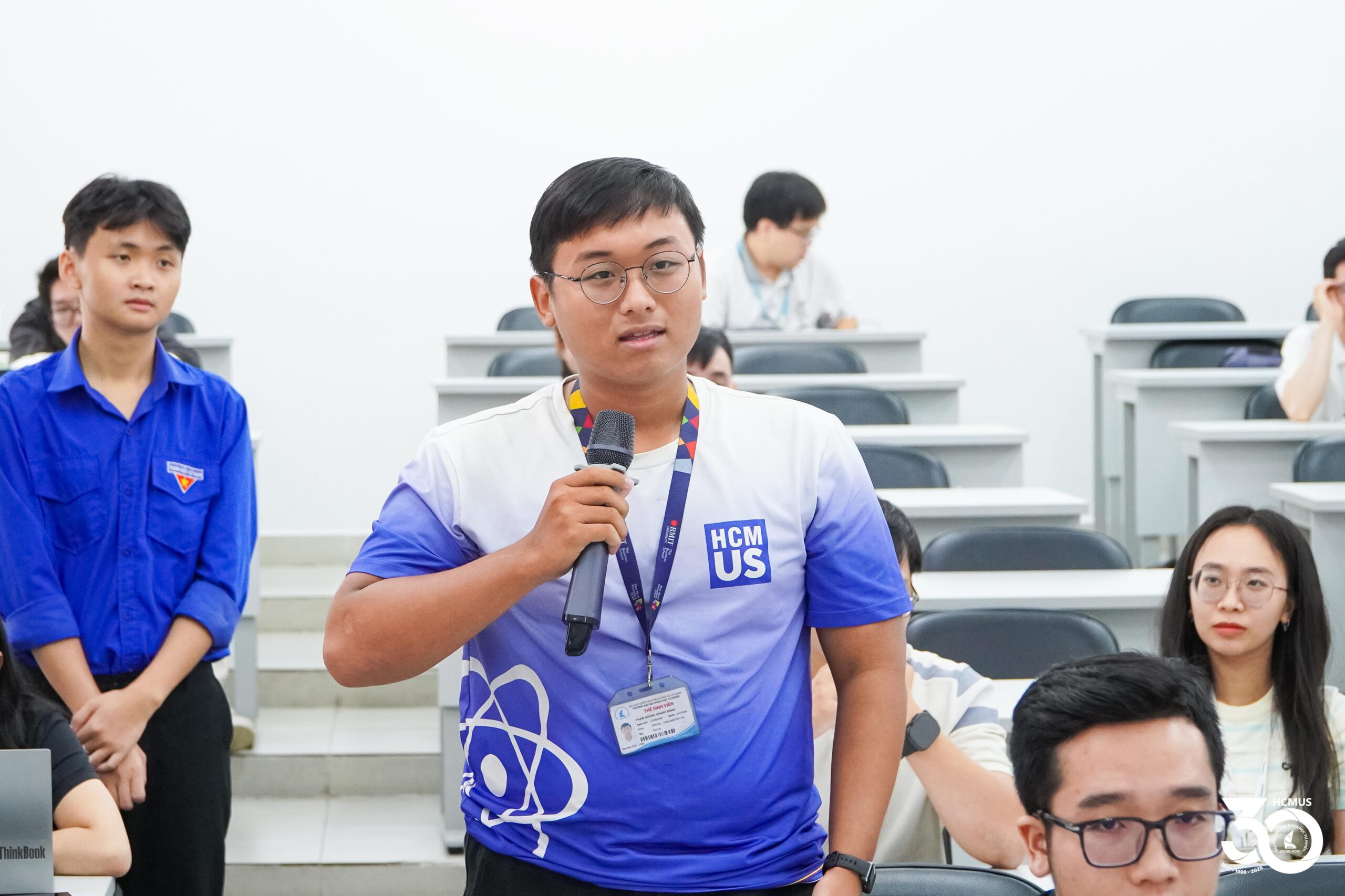
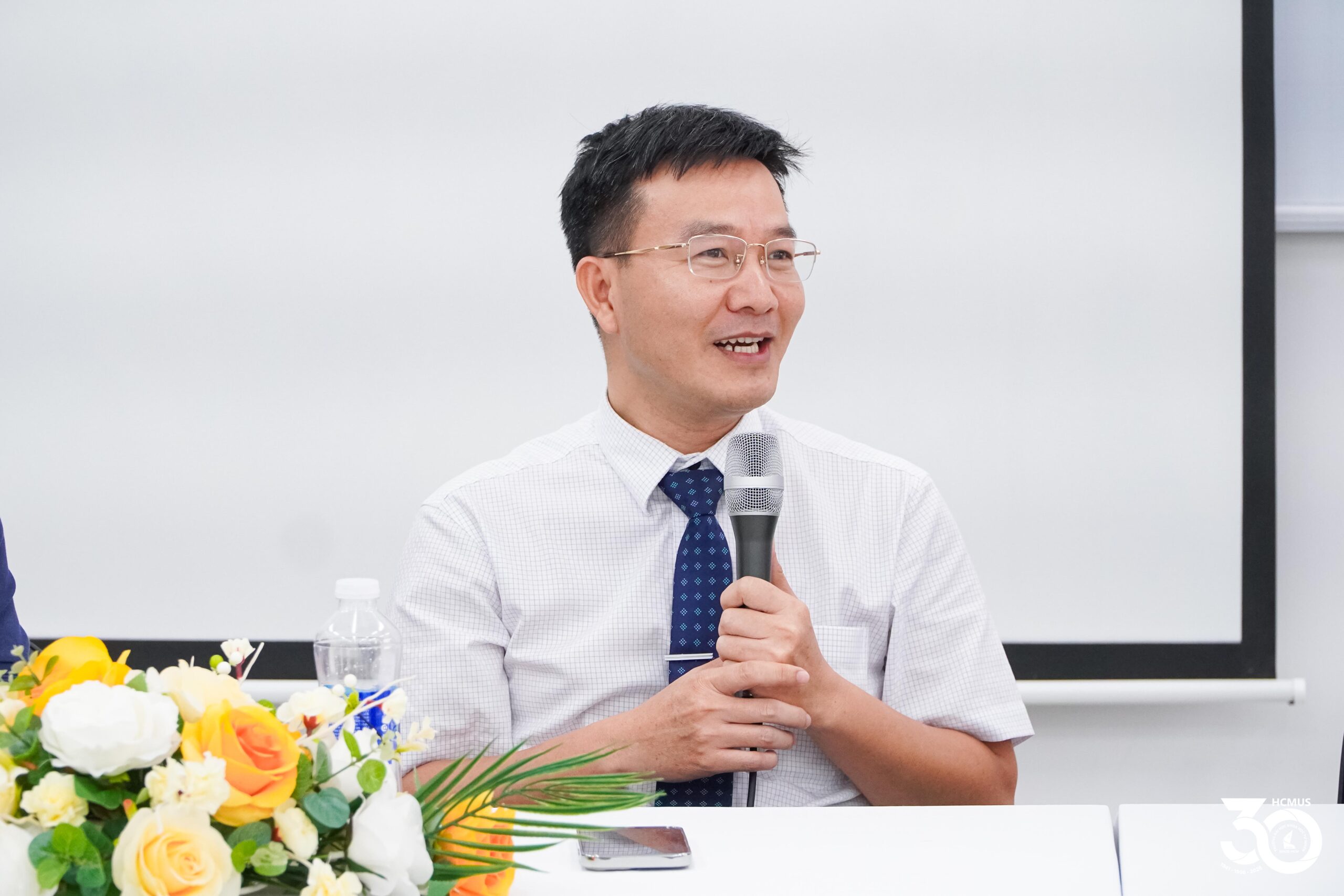
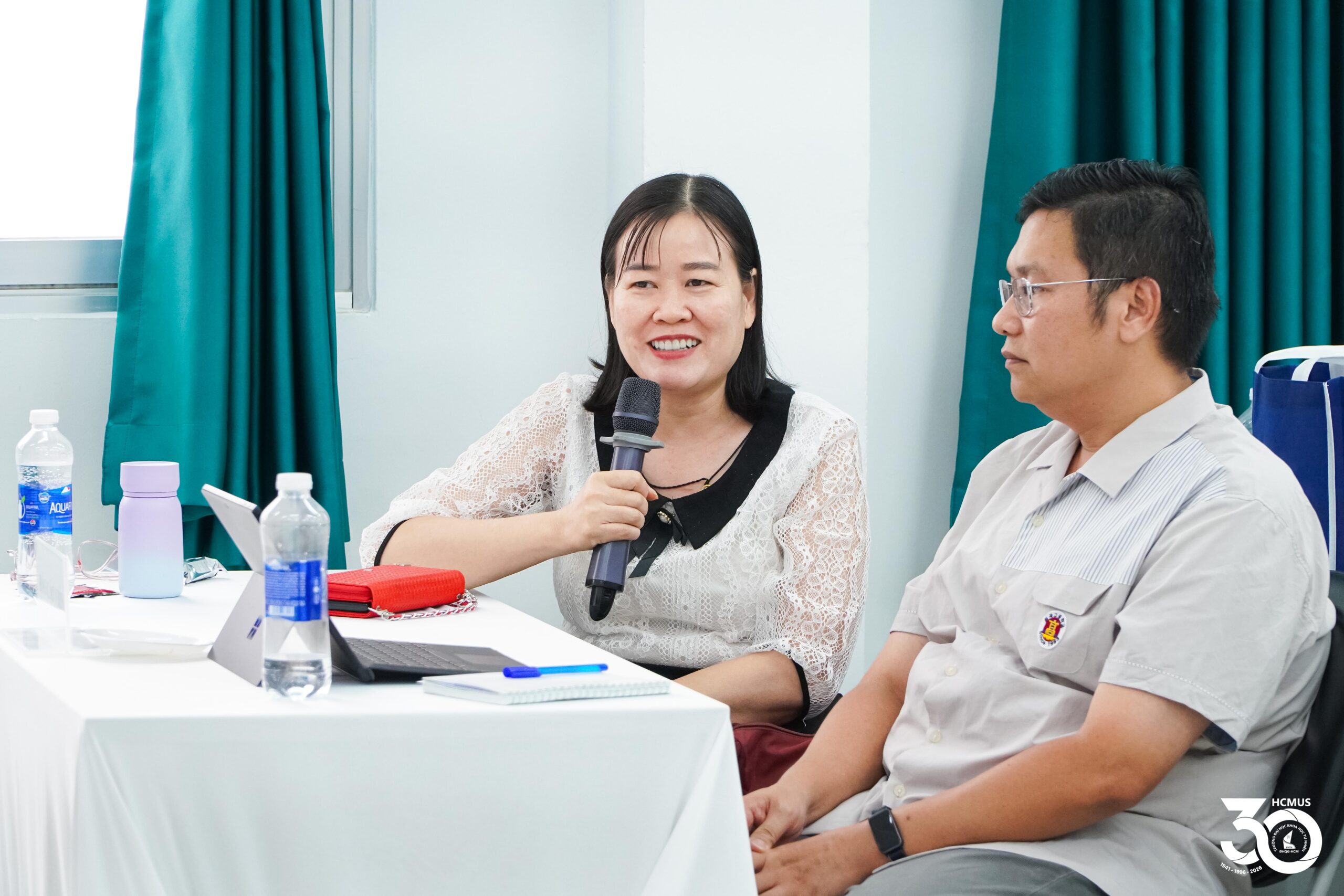
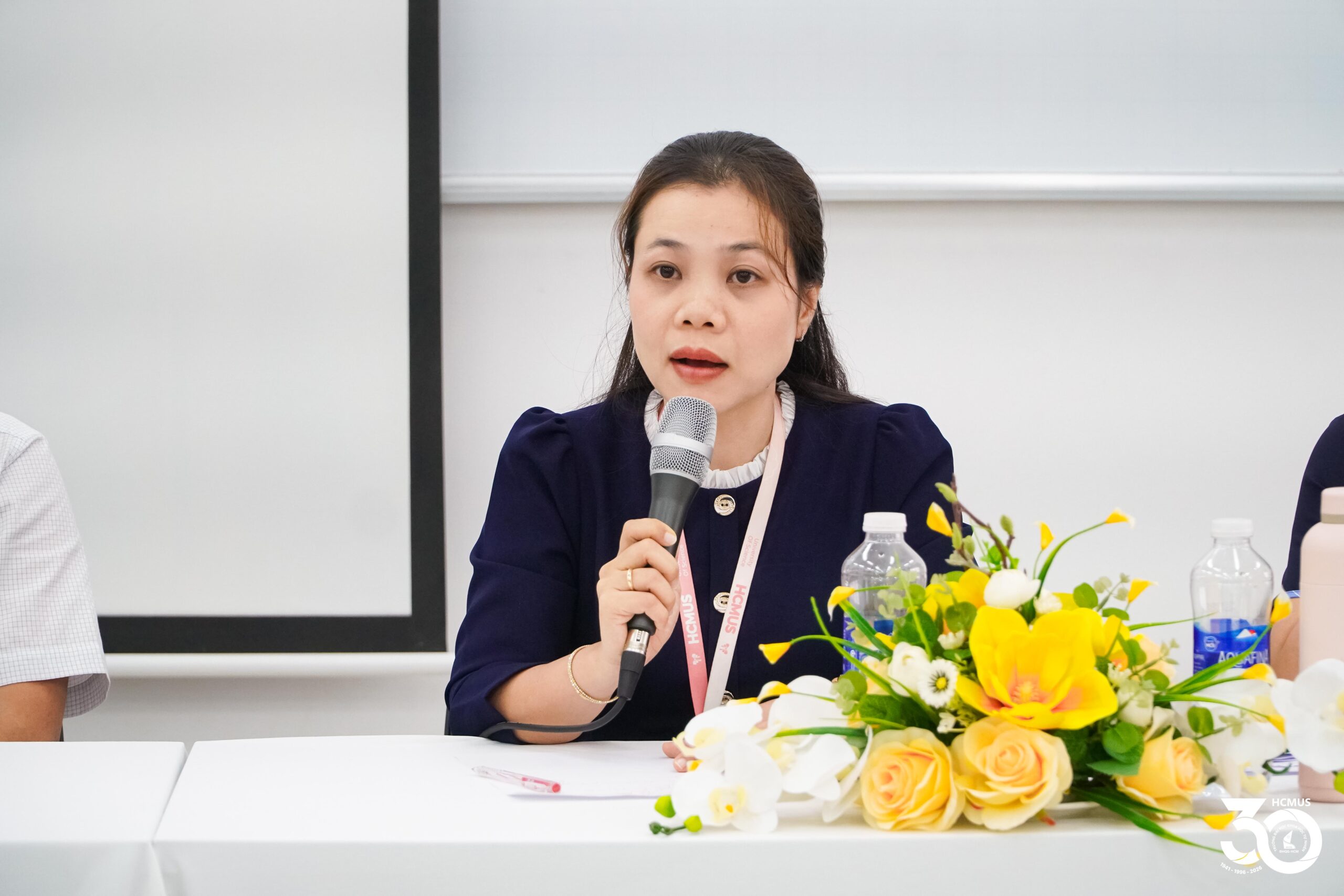
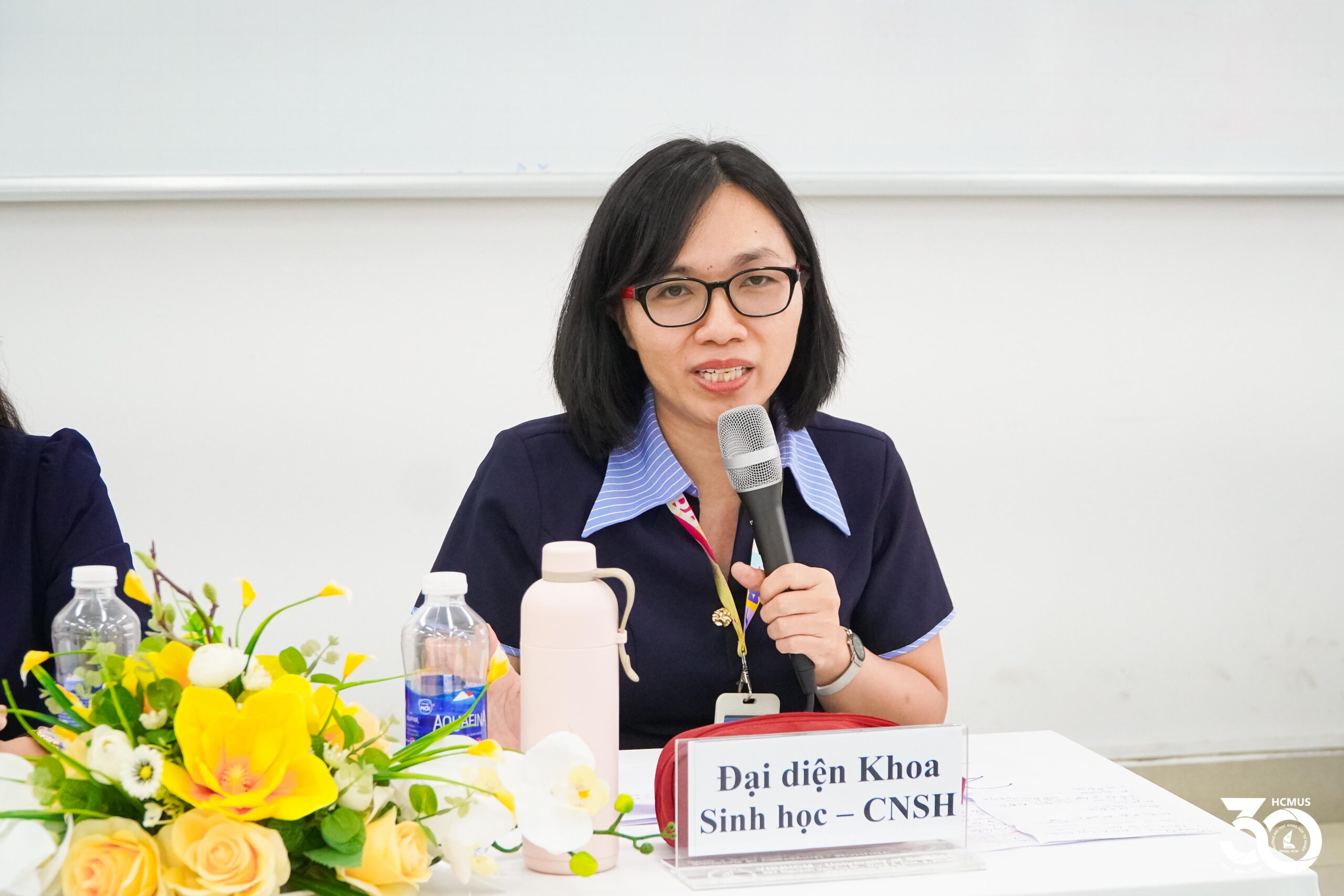
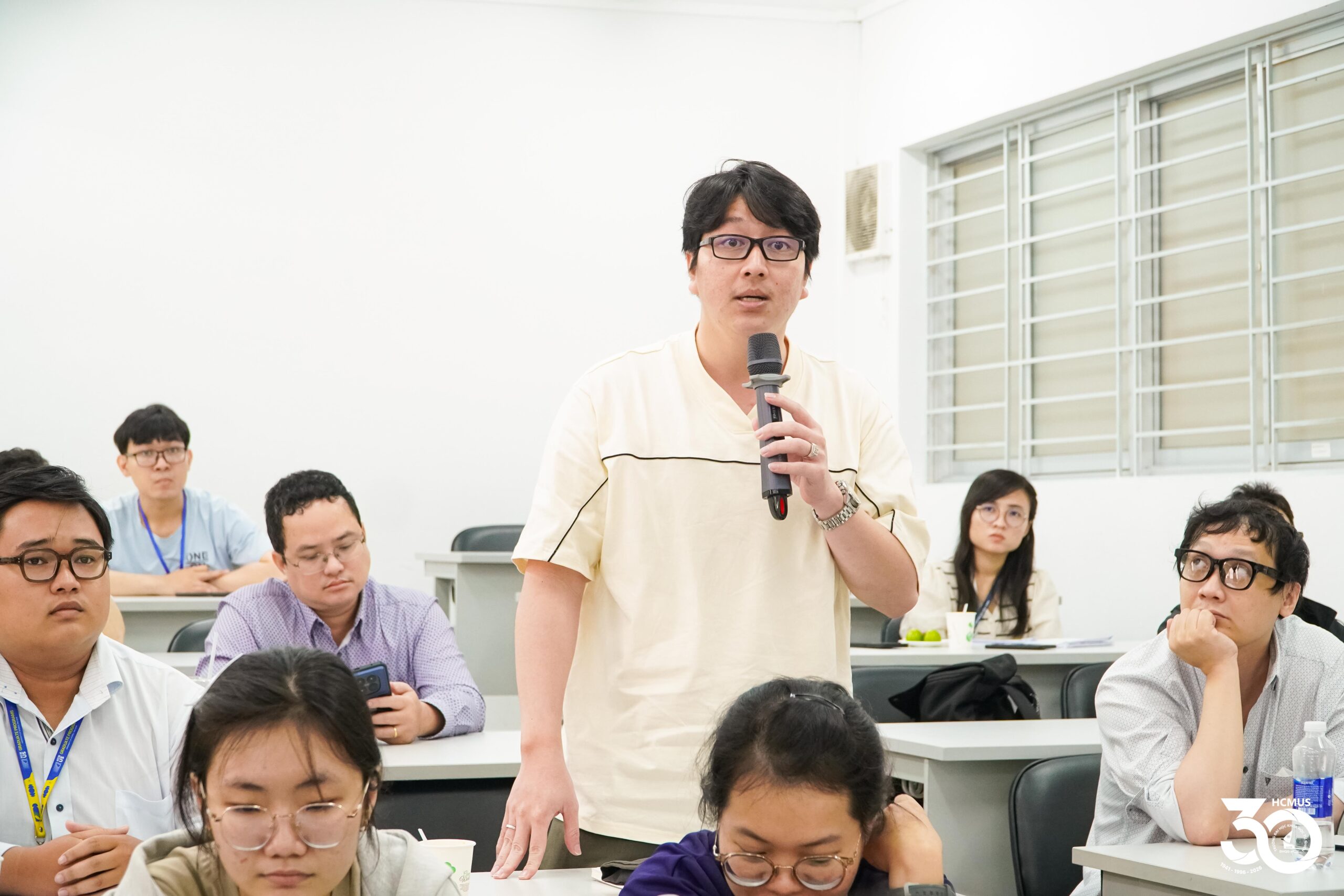
Beyond the thematic reports, the open discussion session recorded numerous perspectives from lecturers, researchers, and learners regarding curricula, teaching methodologies, the integration of data analysis tools and AI, and solutions to enhance statistical application capabilities for learners across diverse fields.
Participants agreed that reforming Statistics education must be linked with real-world data, increased practical problems, digital technology exploitation, and the cultivation of data-analytical thinking. These are viewed as crucial directions to help learners meet the rising demands of the labour market and research environments in the age of data and artificial intelligence.
The seminar served as an academic forum for dialogue between educational and research institutions whilst reinforcing the status of Statistics as a foundational competence in modern science. As data becomes a strategic resource for digital society, the modernisation of Statistics teaching represents a vital requirement for higher education and a necessary step to prepare a workforce capable of mastering data, technology, and future artificial intelligence tools.

Leave a Reply