

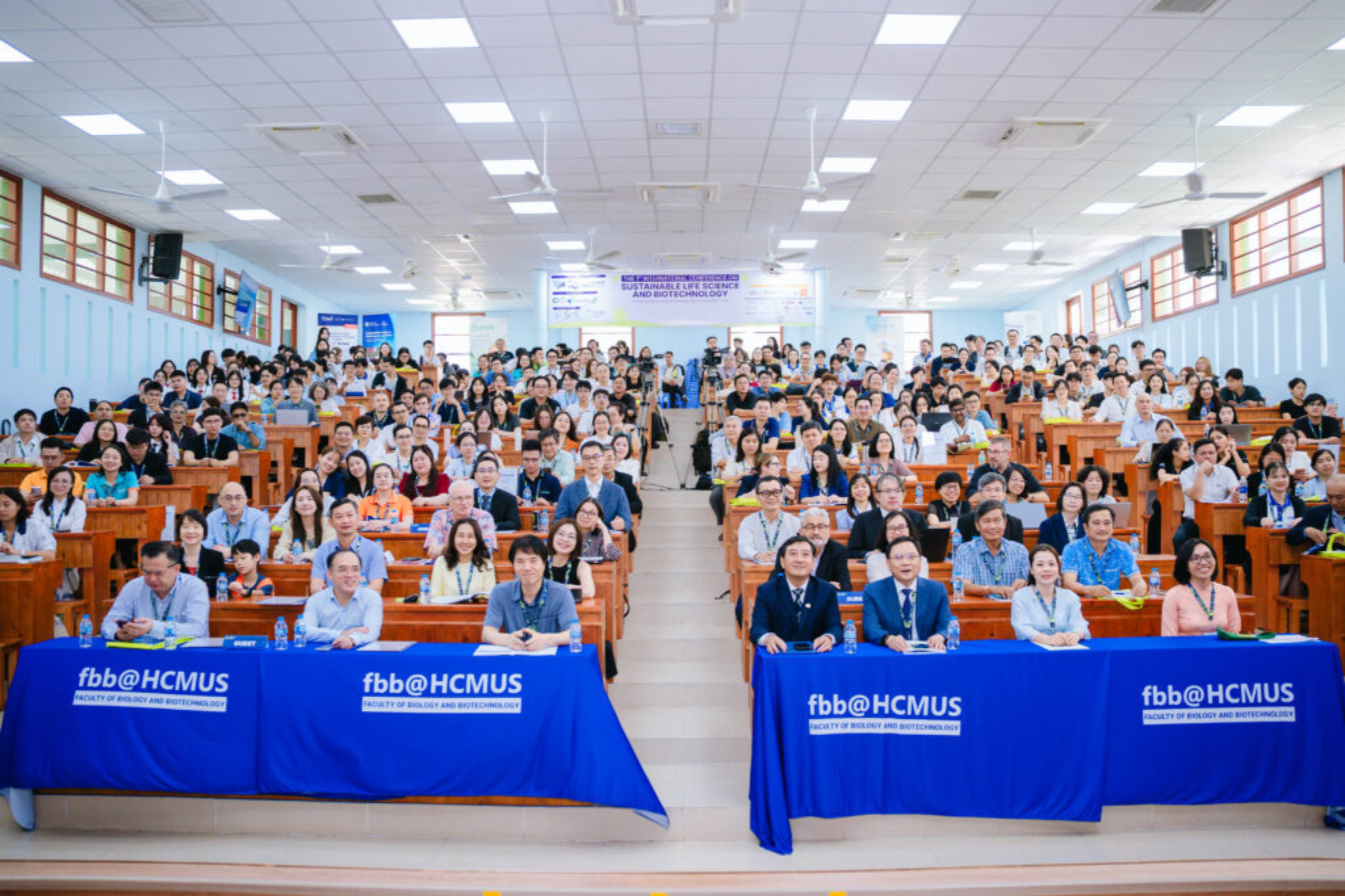
From 06 to 08 November 2026, VNUHCM–University of Science (HCMUS) hosted the International Conference on Sustainable Life Science and Biotechnology (SLSB 2026). The conference served as an international academic forum for connecting the research community, sharing scientific and technological advances, and fostering interdisciplinary collaboration in life sciences and biotechnology.
From a traditional scientific conference to an independent international forum
SLSB 2026 marked a significant milestone: the 15th edition of the conference and the first to be established as an independent international conference. This development builds on nearly three decades of academic activity and research tradition at VNUHCM–University of Science.
Prior to 2026, SLSB formed part of the University’s biennial scientific conference series. Across 14 editions, the conference gradually expanded in scale, strengthened academic quality and enhanced its standing within the research community. The introduction of international sessions at the two preceding editions broadened participation among overseas scientists, laying the groundwork for this year’s transformation.
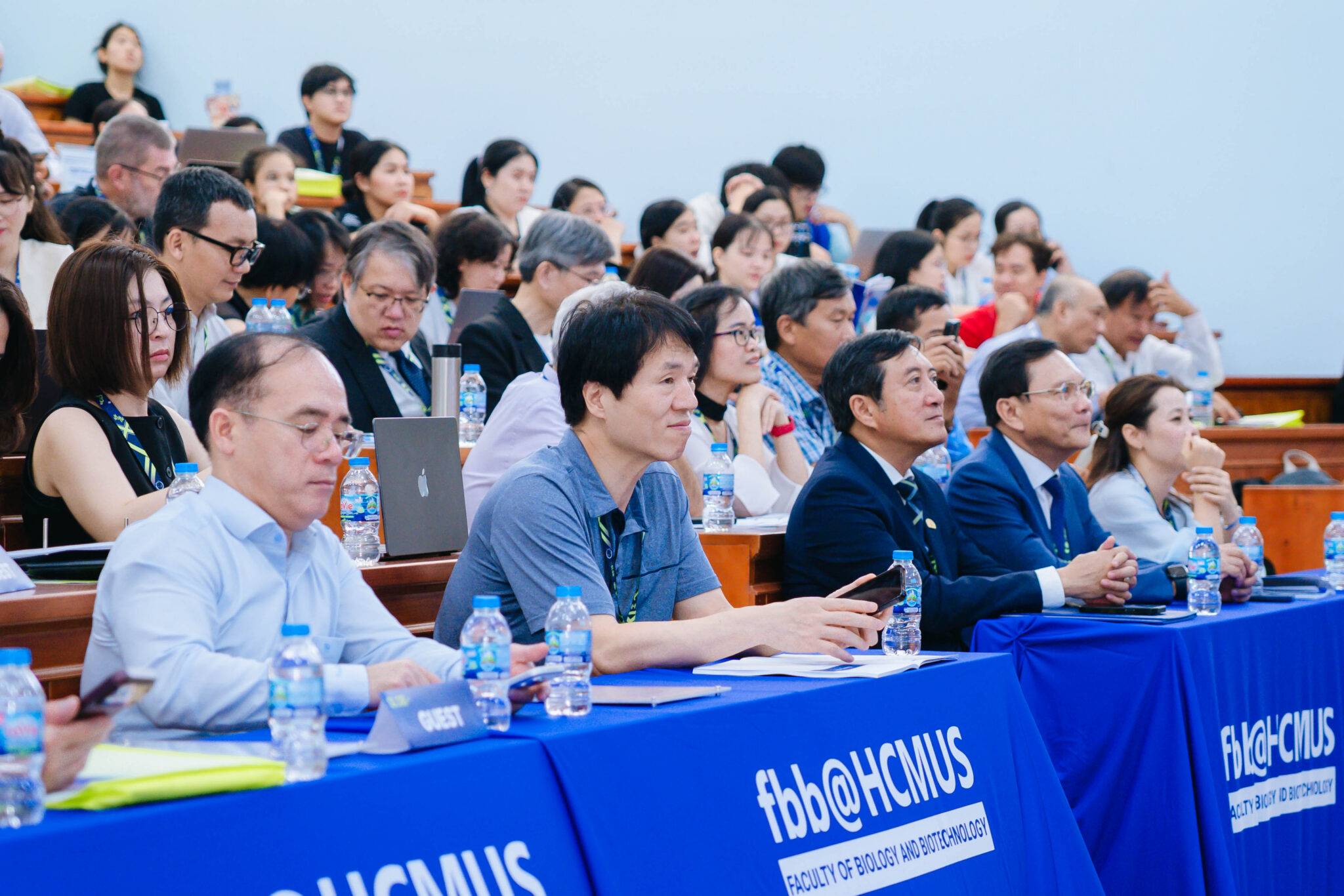
The conference was led by the Faculty of Biology and Biotechnology, in collaboration with the VNUHCM Innovation Centre (VIH), the Asian Federation of Biotechnology – Vietnam Branch (AFOB-VN), and the Ho Chi Minh City Association of Biology and Biotechnology (HABB). Academic partners included Thống Nhất Hospital, Ho Chi Minh City Biotechnology Centre and KTest Science Co., Ltd., with the support of 23 corporate and institutional sponsors from Viet Nam and overseas.
SLSB 2026 received 364 scientific presentations, involving 1,471 authors from 168 academic institutions across 21 countries and territories. Participants included scientists from the United States, Russia, Australia, Germany, the United Kingdom, Canada, Norway, Switzerland, Austria, Japan, South Korea, Taiwan, Singapore, India, Malaysia, Indonesia and Sri Lanka.
The scientific programme centred on four key areas: Biomedical Science, Green Science, Sustainability, and Bioinformatics & AI. Closely interconnected, these fields seek to address challenges relating to human health, biosecurity, natural resource conservation and environmental change.
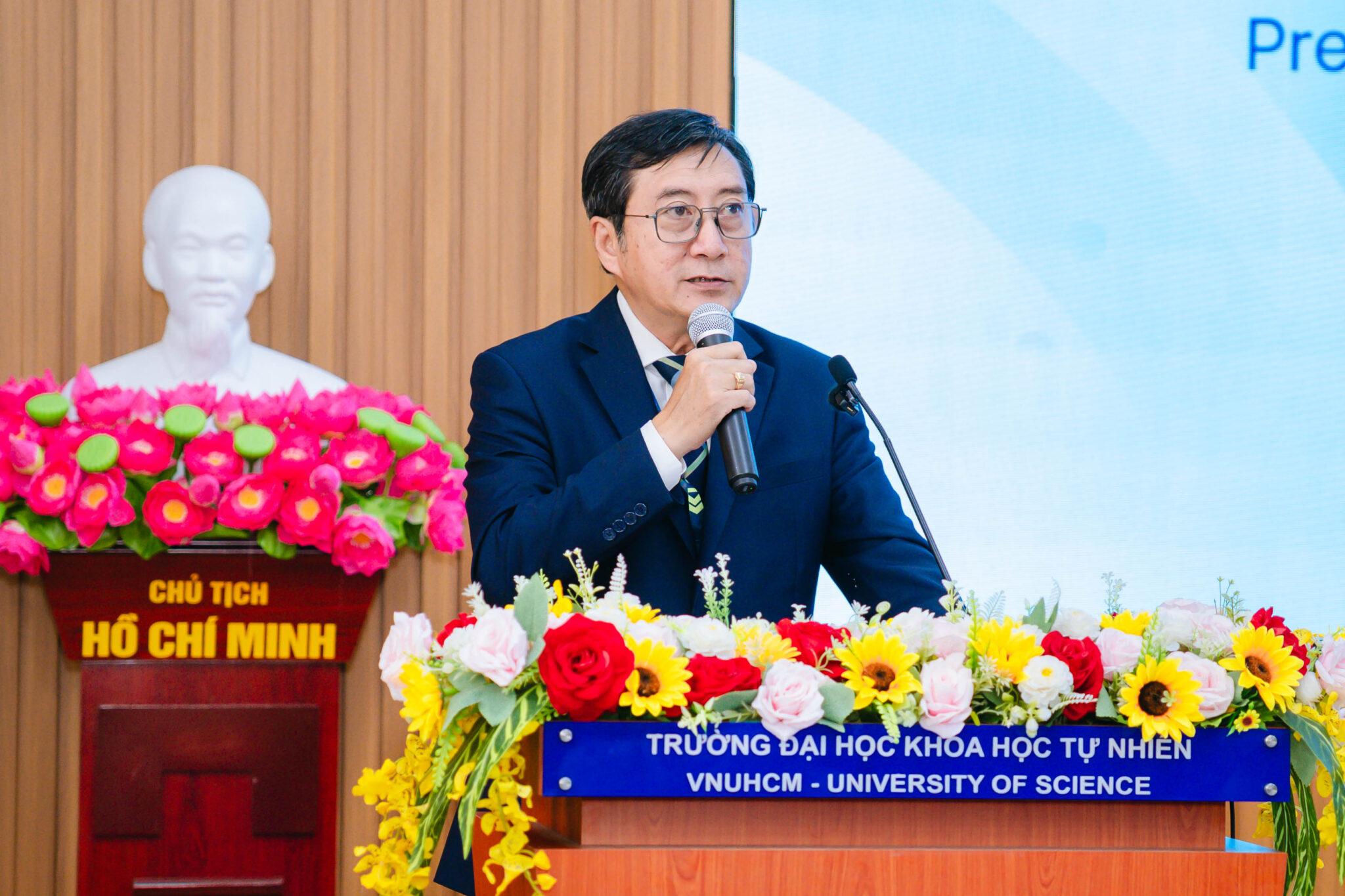
Exploring emerging research trends and technologies
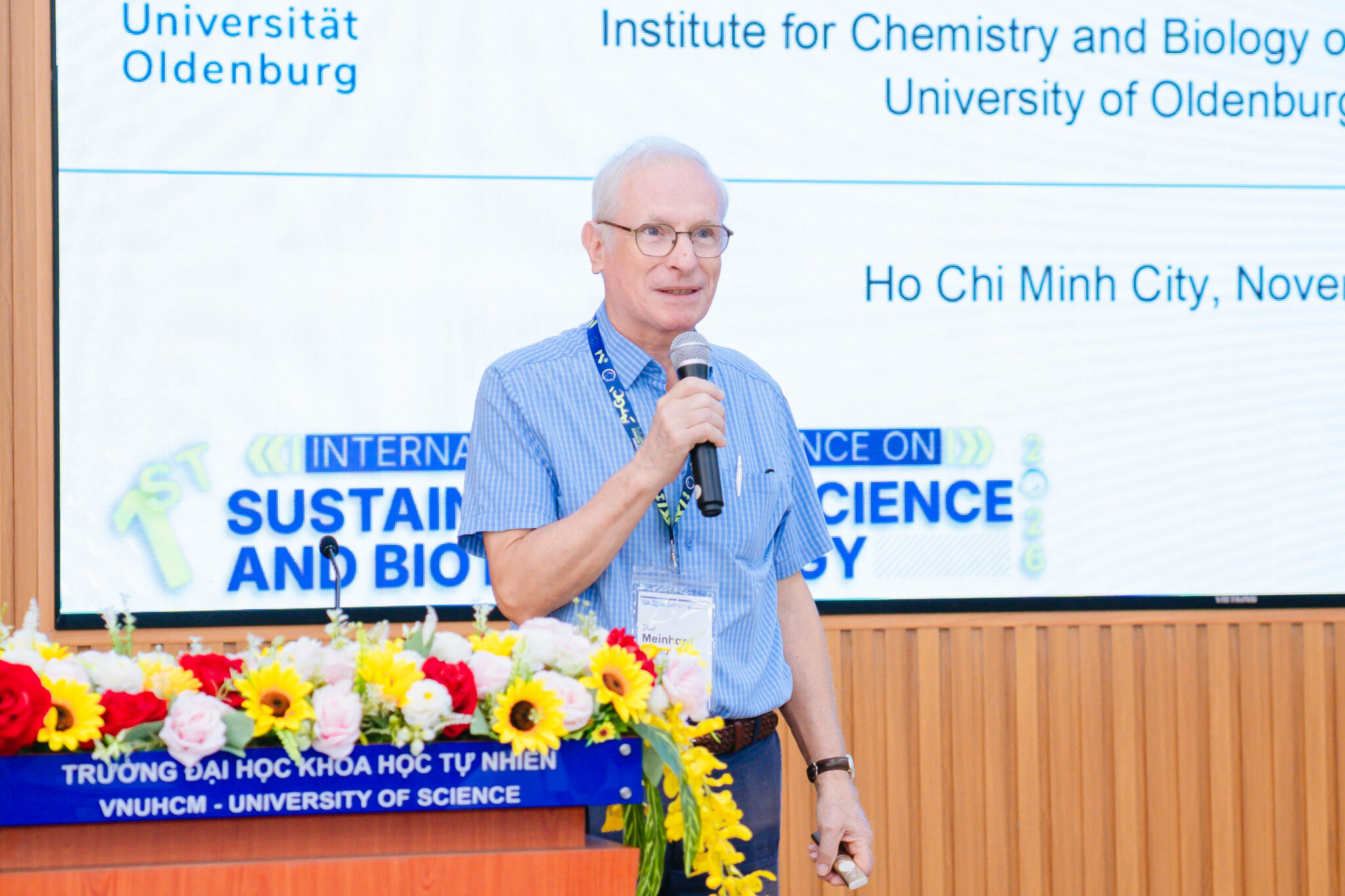
A highlight of SLSB 2026 was the series of Plenary Speeches delivered by eight scientists and experts from Japan, Viet Nam, Taiwan, Norway, Australia, Germany and South Korea. Their presentations explored current developments in life sciences and biotechnology, ranging from biopharmaceutical production, gene editing and single-cell analytical technologies to synthetic biology and ecosystem conservation.
Among the featured speakers, Prof. Takeshi Omasa, President of the Asian Federation of Biotechnology (AFOB), Dean of the Faculty of Engineering and Dean of the Graduate School of Engineering at Osaka University (Japan), delivered “Current Trends in Biologics Production via Mammalian Cell and Cell Culture Engineering”. The presentation examined the role of cell engineering and cell culture technologies in the development and manufacture of biological products, an important area of research underpinning modern pharmaceutical biotechnology.
Prof. Đặng Thị Phương Thảo, Head of the Molecular Biotechnology Laboratory at VNUHCM–University of Science, followed with “Integrating Traditional Knowledge and Modern Science: The Therapeutic Promise of Vietnamese Medicinal Plants”. The presentation proposed an approach integrating indigenous knowledge with modern scientific methodologies to further investigate the potential of Vietnamese medicinal plants and identify bioactive compounds for healthcare applications.
In the field of biotechnology for green production, Prof. Andy Hu, Vice President of AFOB and Dean of the College of Engineering at National Tsing Hua University (Taiwan), presented “Gene Editing for Sustainable Production of Green Chemicals”. The presentation explored the potential of gene-editing technologies to develop environmentally friendly chemical production processes, contributing to the transition towards bio-based manufacturing solutions.
Other contributions included Prof. Gopalakrishnan Kumar of the University of Stavanger (Norway), who presented “Advanced Multi-Feedstock to Multi-Product Integrated Lignocellulosic Biorefinery towards Circular Economy”, and Prof. Mathew Lewsey, Director of the Australian Plant Phenomics Network at La Trobe University (Australia), who delivered “What happens when a genome wakes up: Studying seed germination using single cell and spatial transcriptomic technologies”.
20 specialised sessions fostering interdisciplinary exchange
Alongside the plenary speeches, SLSB 2026 featured parallel sessions providing opportunities for in-depth discussion across different research fields. On the afternoon of 07 November, 12 sessions were held, comprising six in Biomedical Science, two in Green Science, two in Sustainability, and two in Bioinformatics & AI.
In Biomedical Science, topics included ageing, neuroscience and regenerative medicine; biopharmaceuticals, cell engineering and advanced therapeutic platforms; the human microbiome; infectious diseases, immunology and molecular diagnostics; precision medicine, molecular therapies and cancer biology; and ageing science and health. Notably, sessions on the human microbiome and the health of older adults were organised in collaboration with KTest Science Co., Ltd. and Thống Nhất Hospital, strengthening the connection between scientific research and healthcare practice.
In Green Science, presentations explored plant biotechnology, genome engineering and precision agriculture, as well as synthetic biology, medicinal plants and the sustainable production of bioproducts. The two Sustainability sessions addressed biodiversity conservation, climate change, sustainable ecosystems, environmental biotechnology, the circular bioeconomy and sustainable resource management.
Meanwhile, Bioinformatics & AI sessions focused on the application of AI and bioinformatics in agriculture and healthcare. This research area offers considerable potential for integrating biological data with advanced computational tools to support analysis, prediction and the development of practical solutions across a range of fields.
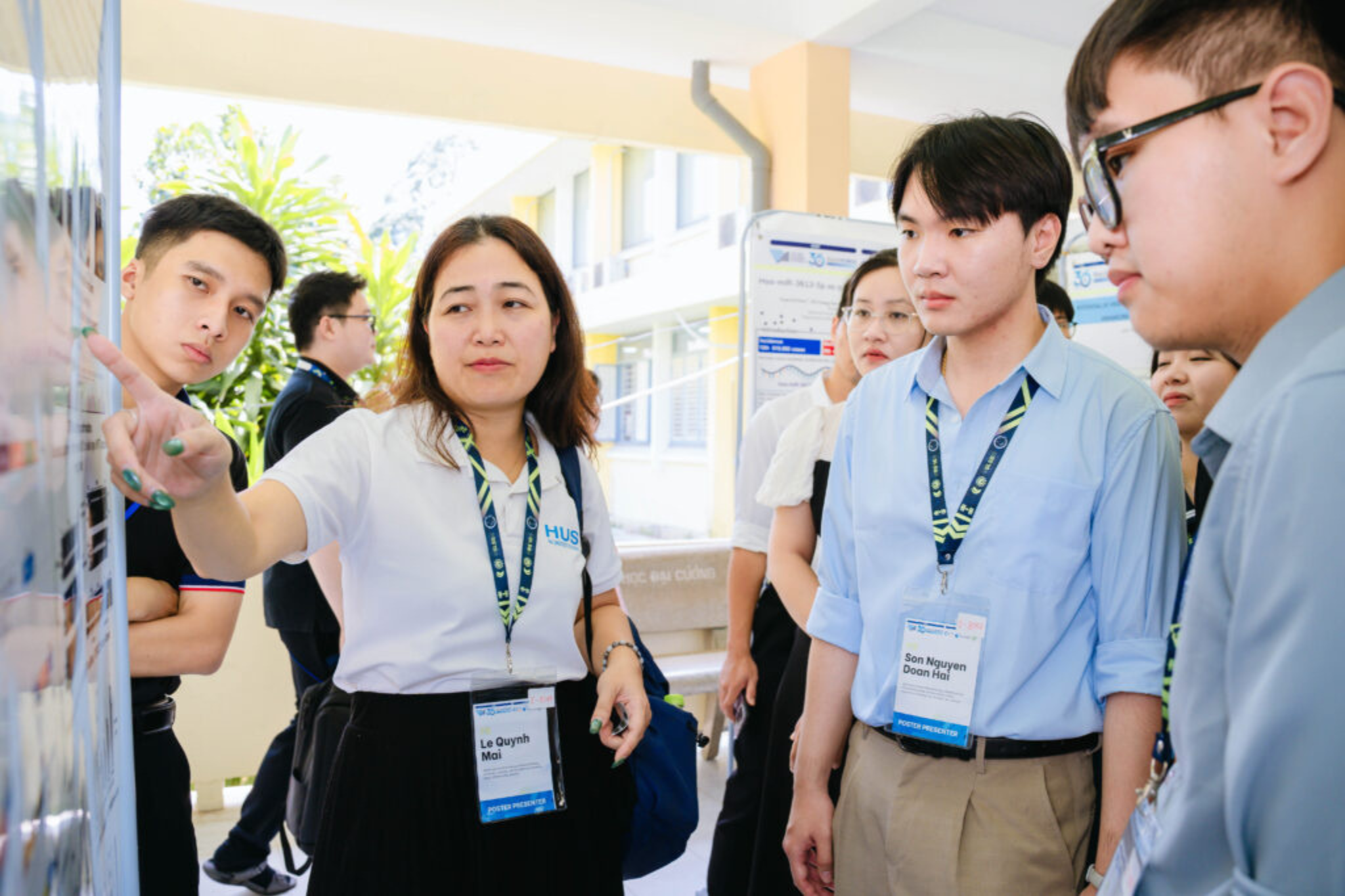
Beyond presenting research findings, SLSB 2026 was designed to connect scientific research with education and practical applications through a range of activities. On 06 November, ahead of the main conference sessions, a specialised practical course on shotgun metagenomics was organised in collaboration with KTest Science Co., Ltd. The course provided participants with opportunities to explore microbiome research methodologies through metagenomic data analysis.
Through the conference, VNUHCM–University of Science continues to affirm the role of a reputable institution in scientific education and research, actively engaging with the international academic community. The event also contributes to advancing interdisciplinary research, knowledge transfer and the development of scientific and technological solutions for human health, environmental protection and sustainable development.
Contributor.
Leave a Reply