

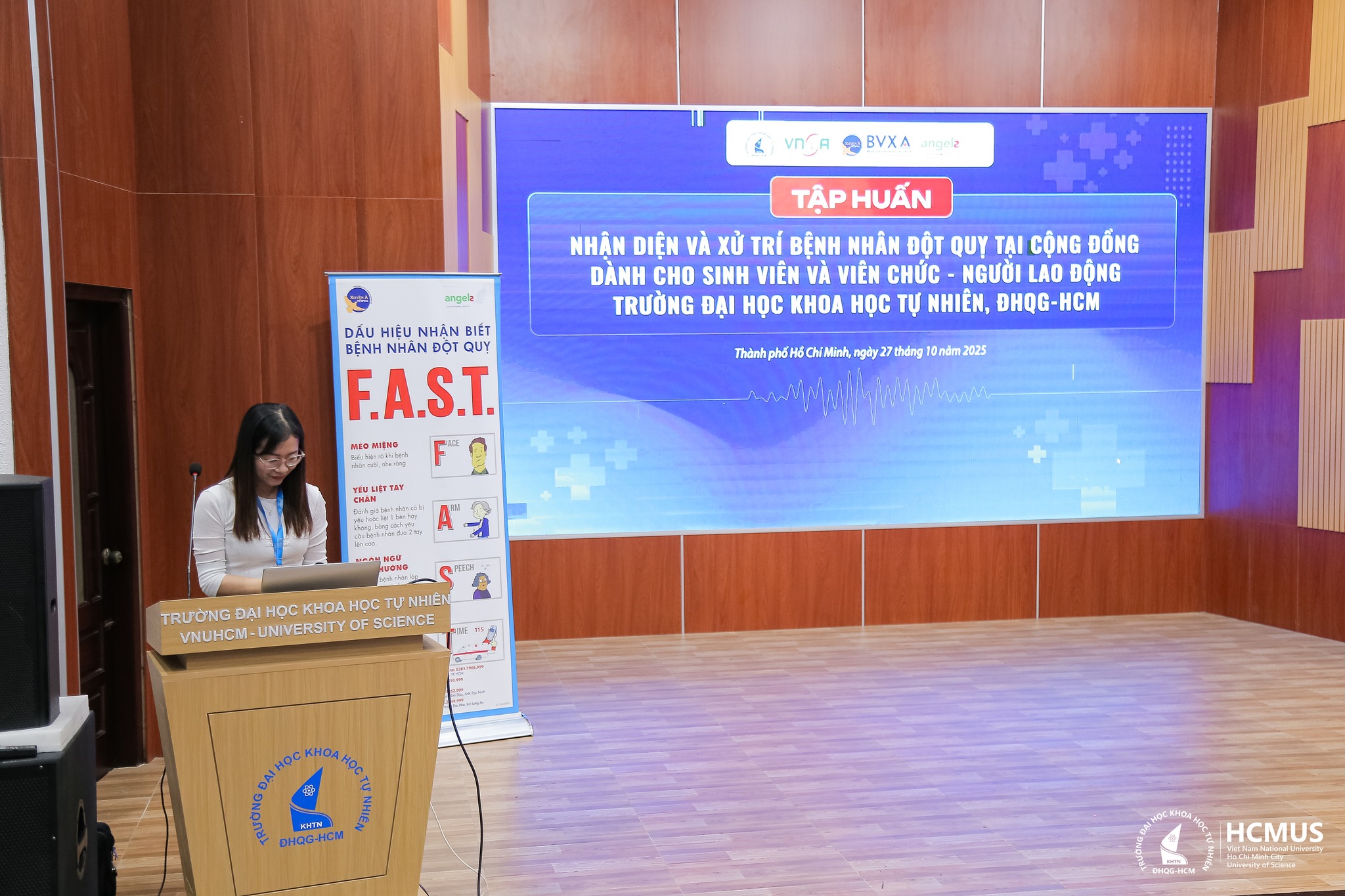
On 27 October, VNUHCM-University of Science (HCMUS), in collaboration with the Viet Nam Stroke Association, Xuyen A General Hospital Ho Chi Minh City, and the Angels Programme (Boehringer Ingelheim Viet Nam), convened a specialized training session titled ‘Recognising and Managing Stroke Patients in the Community.’ This initiative aims to bolster initial medical response capabilities among staff and students whilst promoting proactive prevention awareness within the academic sphere.
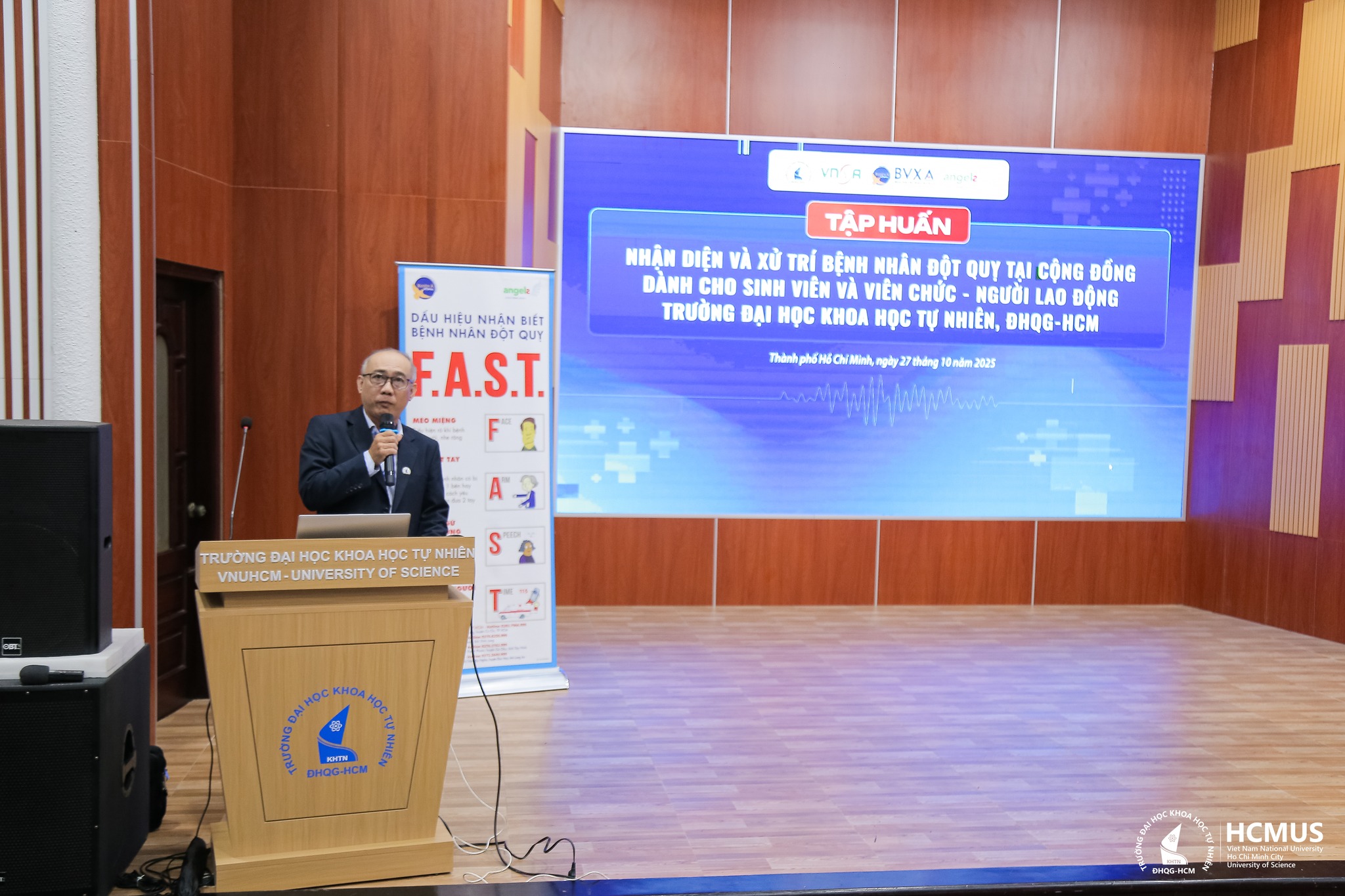
Addressing the assembly, Assoc. Prof. Ngô Đại Nghiệp – Head of the Office of External Relations, articulated that stroke has emerged as a grave public health concern, with rising incidence rates among younger demographics. Deploying such training at the University holds significance not merely for imparting professional knowledge but also for cultivating an academic community equipped with practical skills to safeguard personal health and provide prompt assistance to victims during emergencies.
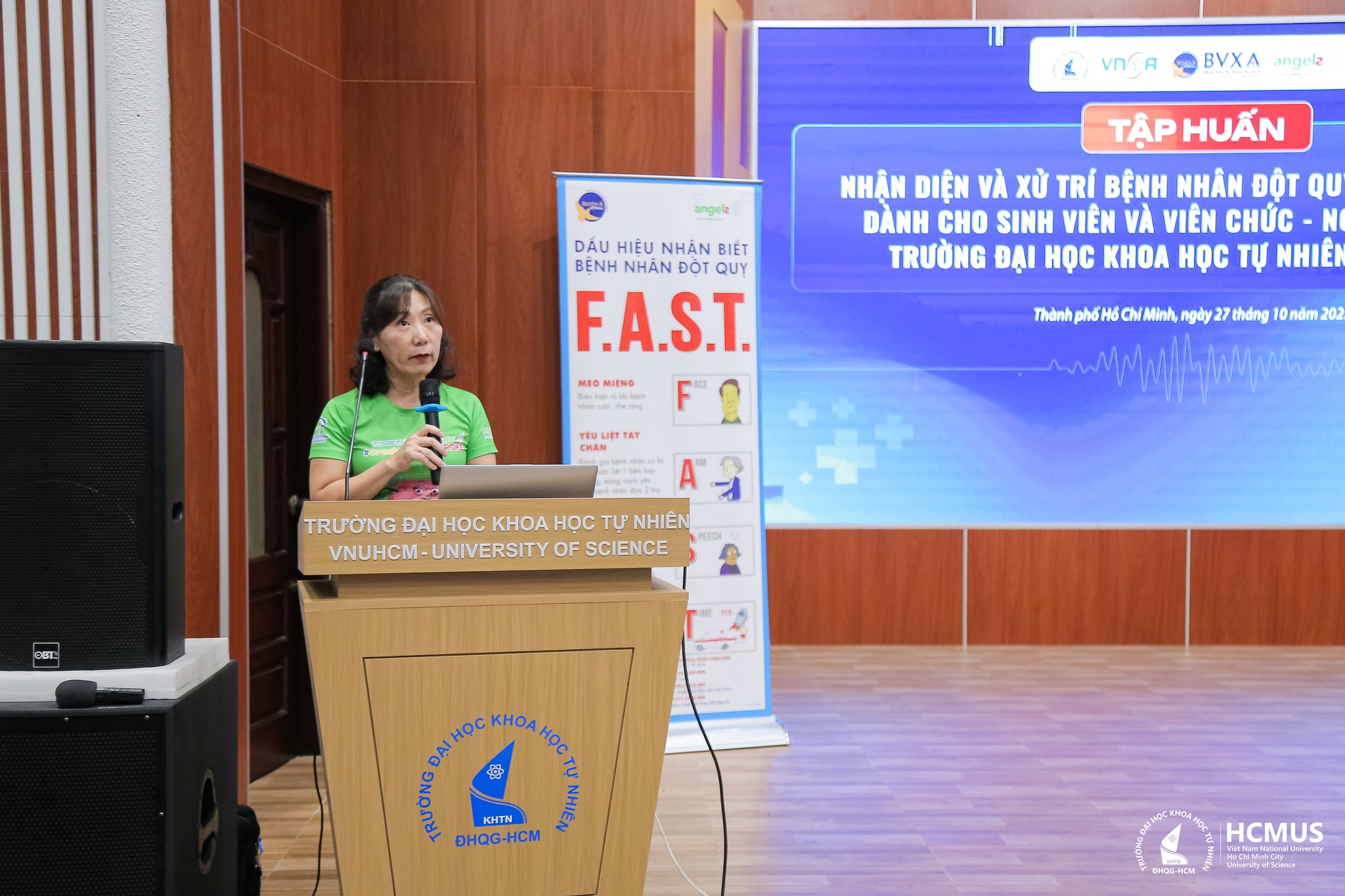
Representing the partner organisation, Dr Trịnh Thu Vân – Medical Department Director at Boehringer Ingelheim Viet Nam, underscored the critical nature of the ‘golden hour’ in stroke emergency response. Dr Vân remarked: “According to World Stroke Organisation data, one in four adults faces a stroke risk during their lifetime. With every passing minute, millions of nerve cells may suffer permanent damage. Therefore, correct recognition and rapid action within the first 4.5 hours constitute crucial factors determining survival and recovery chances.”
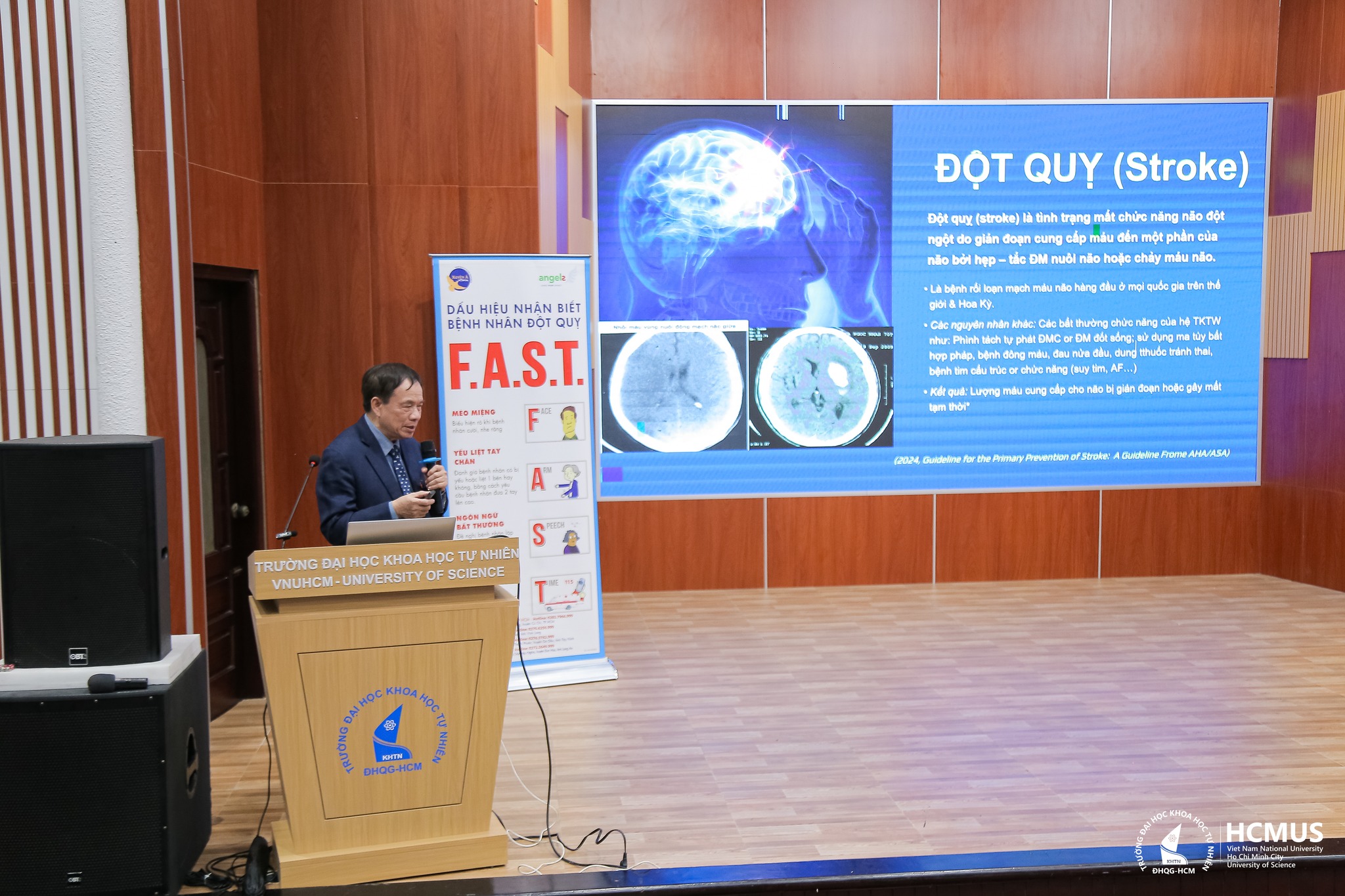
During the technical presentation, Prof. Nguyễn Văn Thông – President of the Viet Nam Stroke Association, delineated warning signs using the F.A.S.T. rule (Face – Arm – Speech – Time). The Professor updated current emergency protocols and advised the audience against self-medication at home upon experiencing suspected symptoms. Complementing the theoretical component, specialist physicians from Xuyen A General Hospital facilitated practical simulations, enabling participants to hone assessment skills and support capabilities.
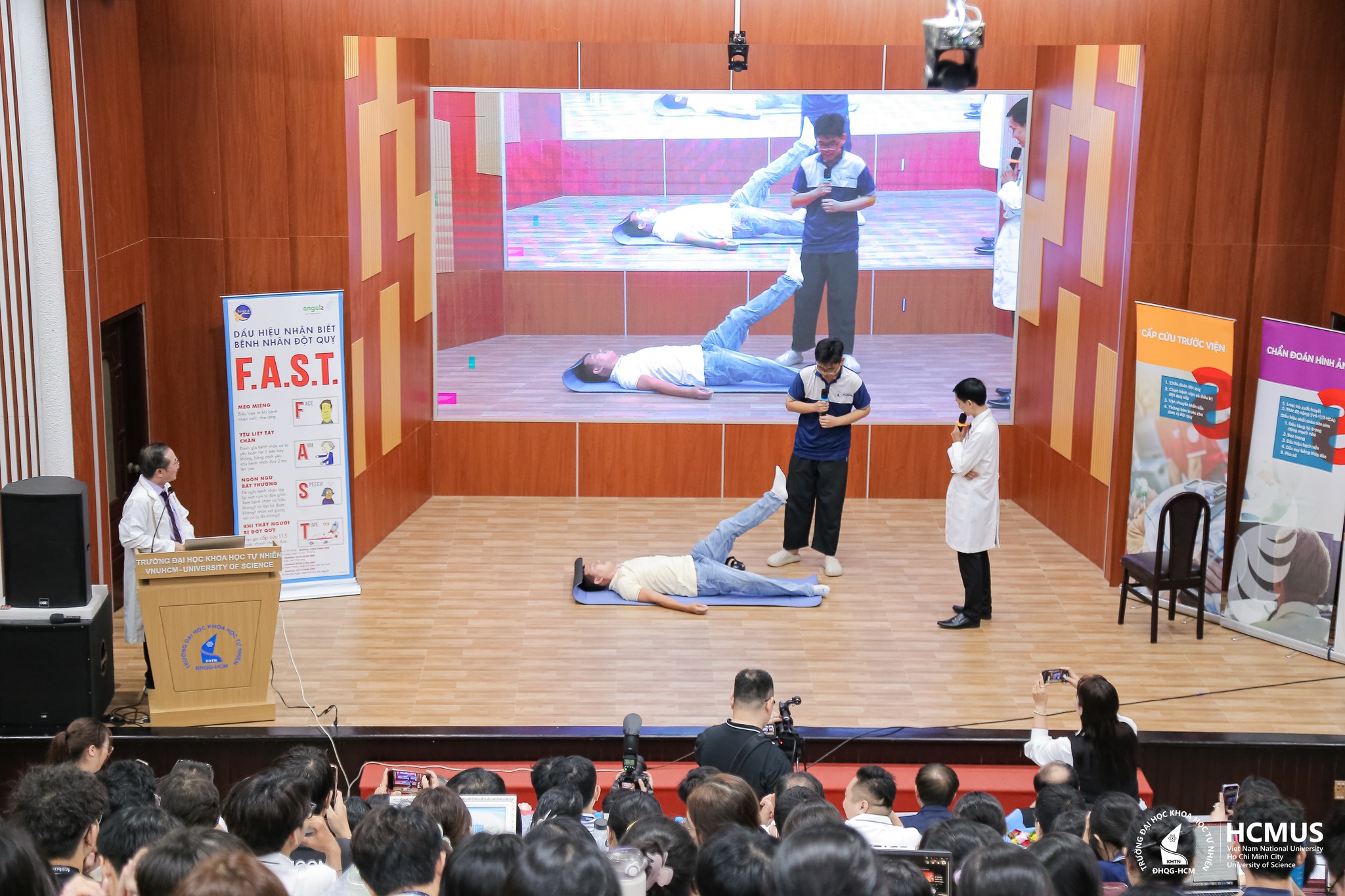
Dr Diệp Trọng Khải – Head of the Stroke Unit at Xuyen A General Hospital, delivered the curriculum regarding prevention. The doctor stressed the necessity of controlling blood pressure, blood glucose levels, and lipid disorders, alongside maintaining a healthy lifestyle, undertaking regular health screenings, and avoiding substance abuse. Dr Khải affirmed: “Stroke remains entirely preventable provided that individuals proactively recognise risk factors early and alter lifestyle habits.”
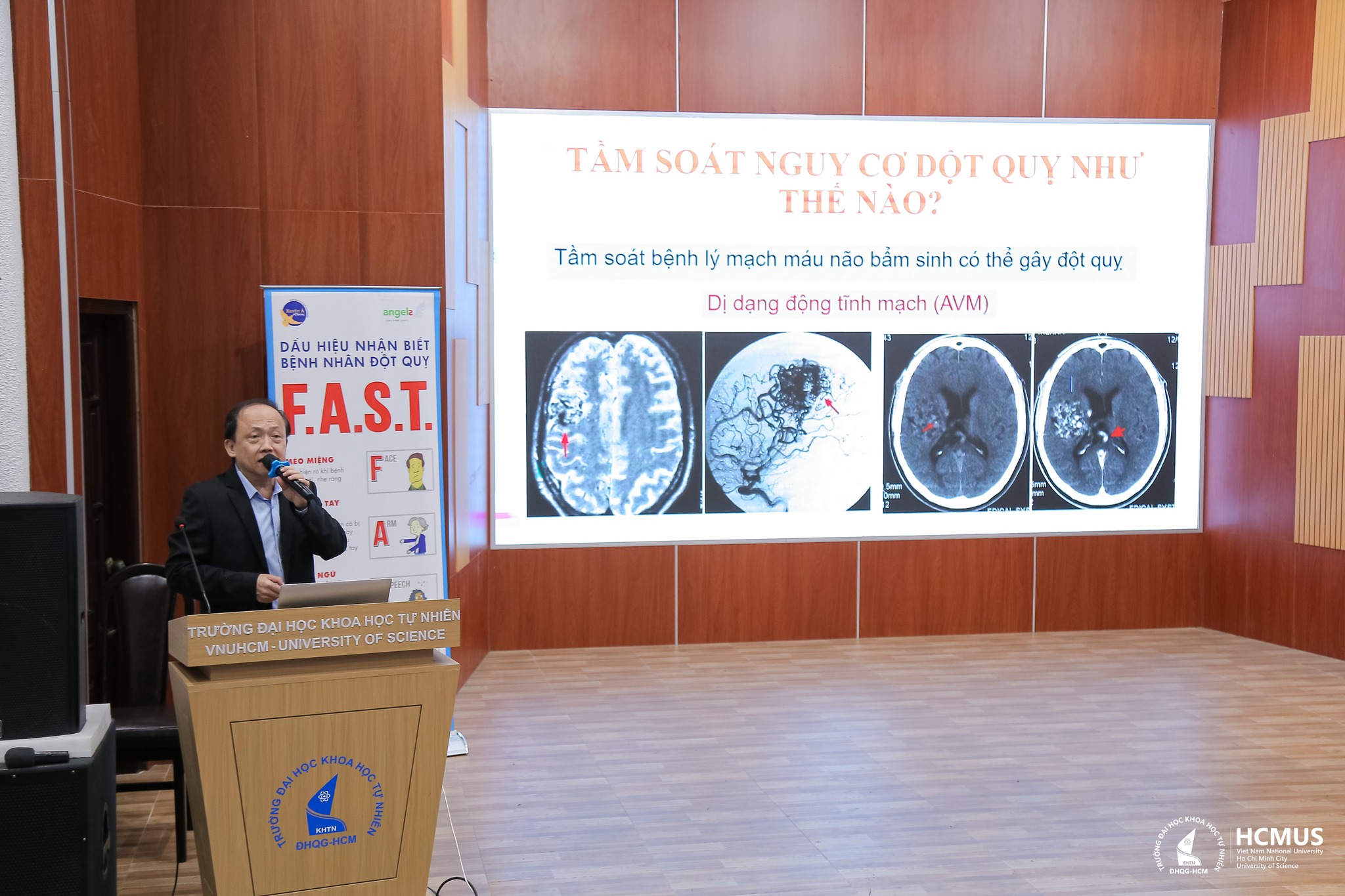
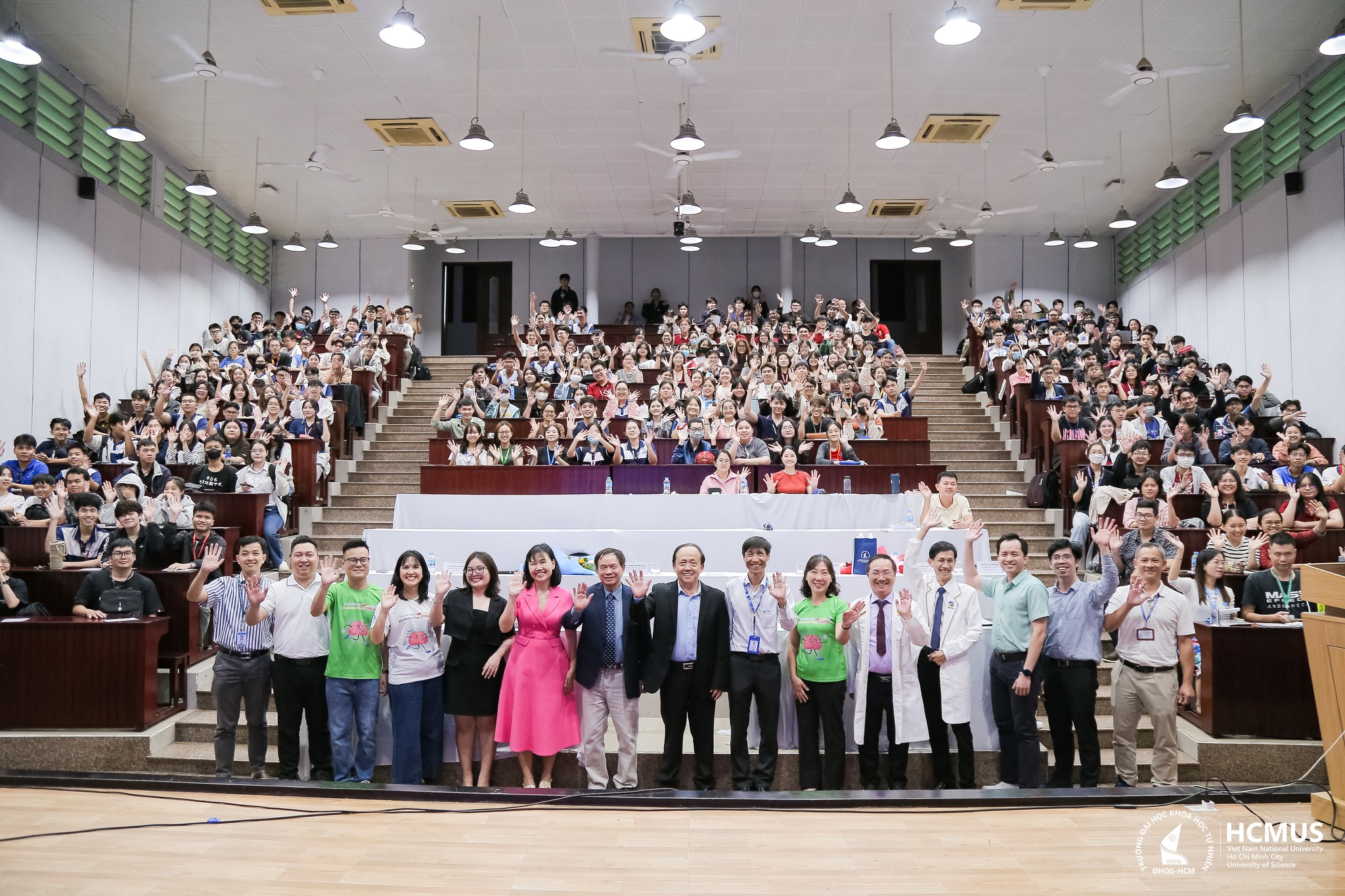
The event attracted extensive participation from University staff and students, fostering a positive learning environment where scientific knowledge converges with practical application. Such an outcome exemplifies the University’s strategic direction to integrate health education into the campus setting, establishing health literacy as the foundation of a safe and compassionate community.
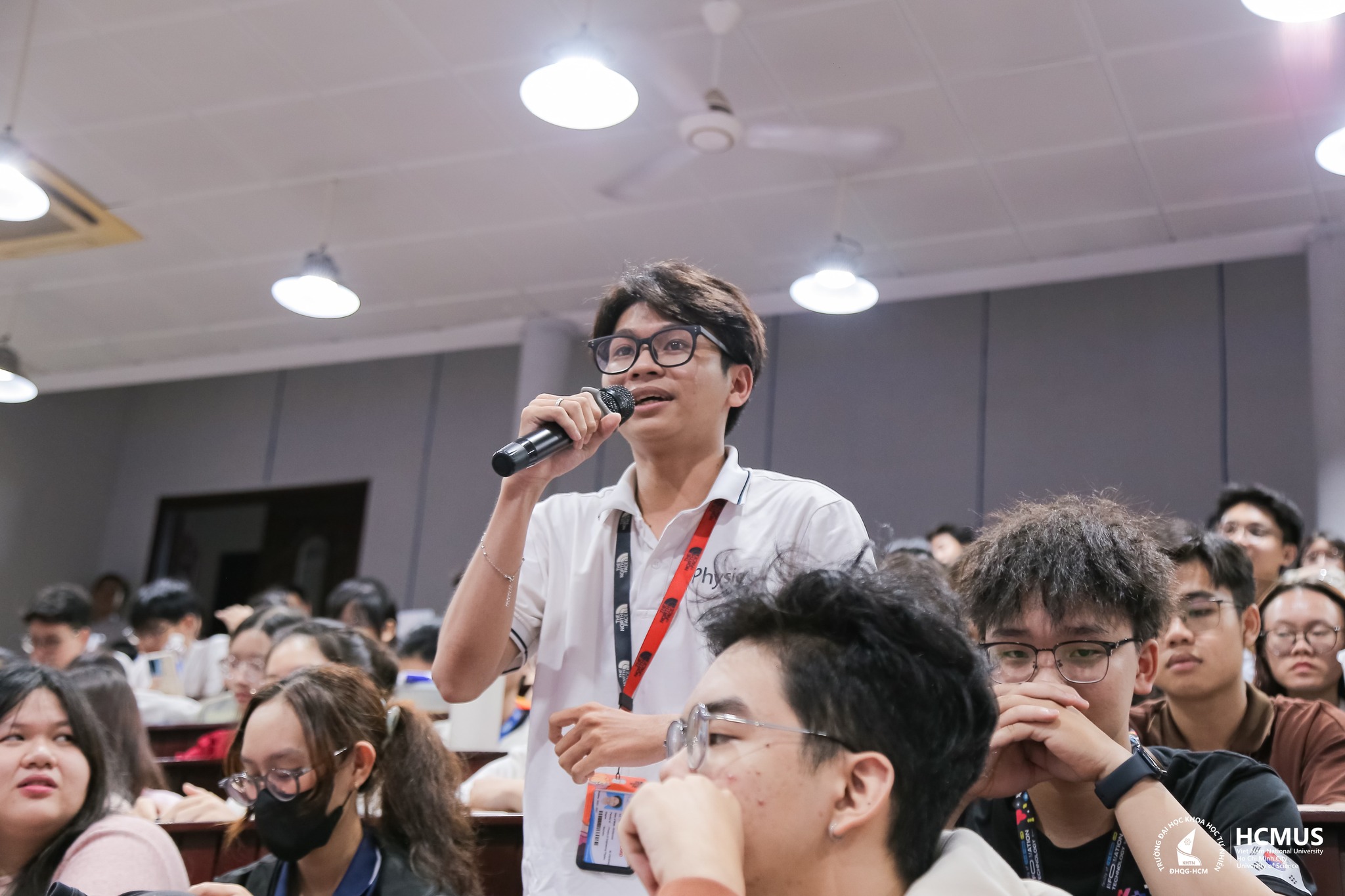
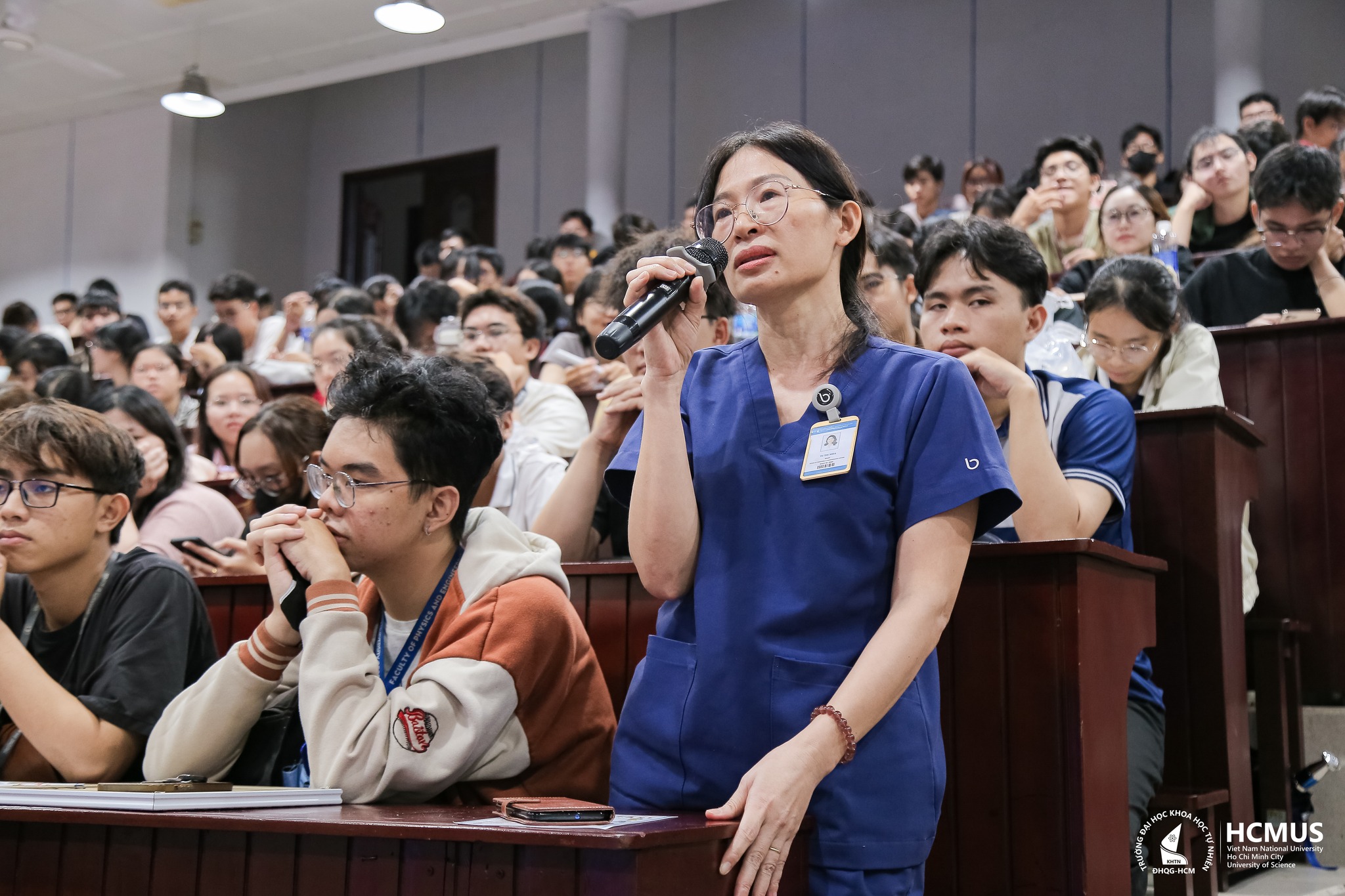
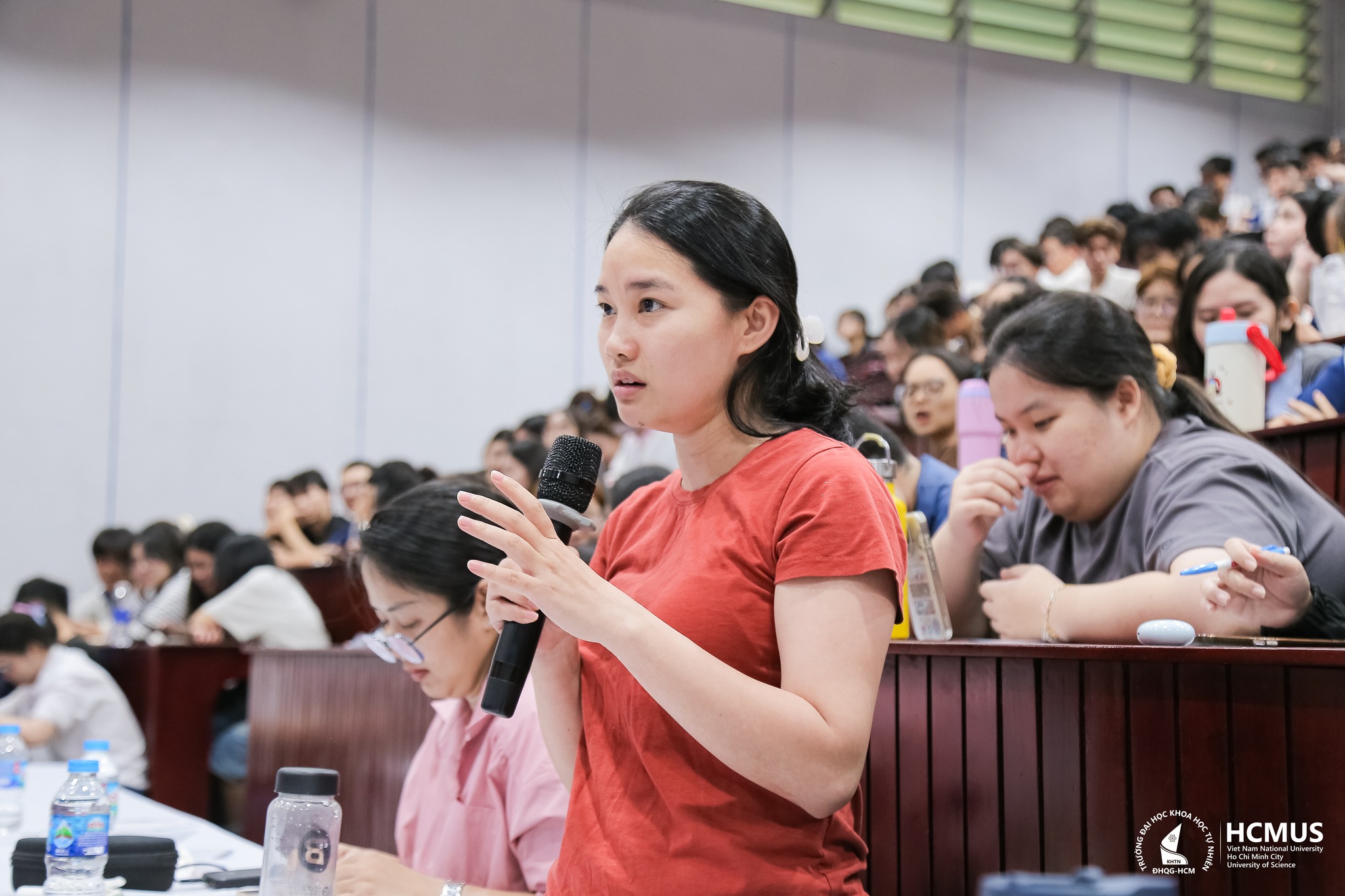
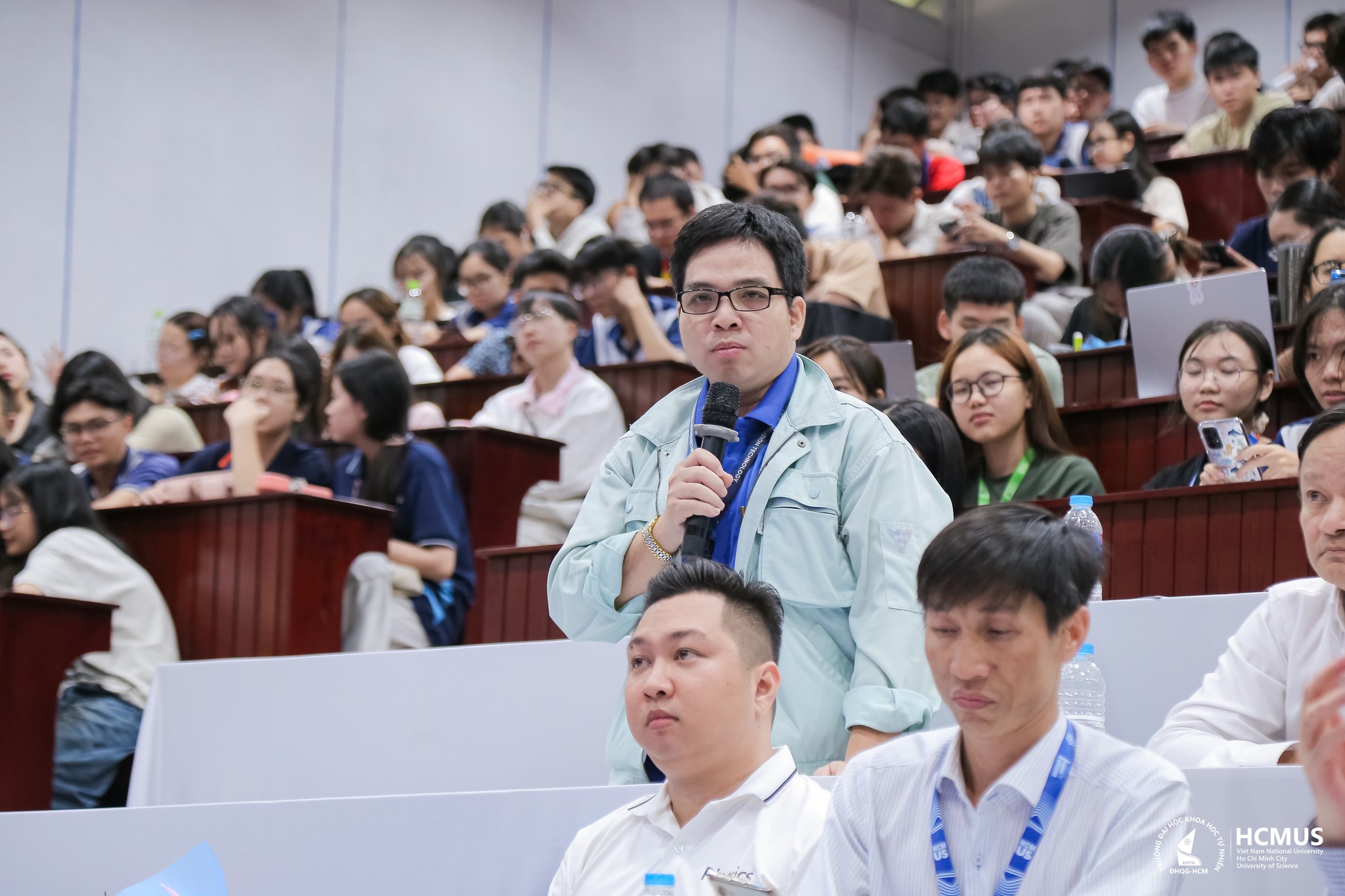
Participants engaging in a question-and-answer session with the panel of experts.
In furtherance of sustainable development goals, HCMUS reaffirms a dedication to collaborating with medical facilities and social organisations in raising disease prevention awareness. The training programme represents a tangible step, disseminating the message: “Understand Correctly – Act Quickly – Join Hands to Protect Community Health” to every member of the University.
Leave a Reply