

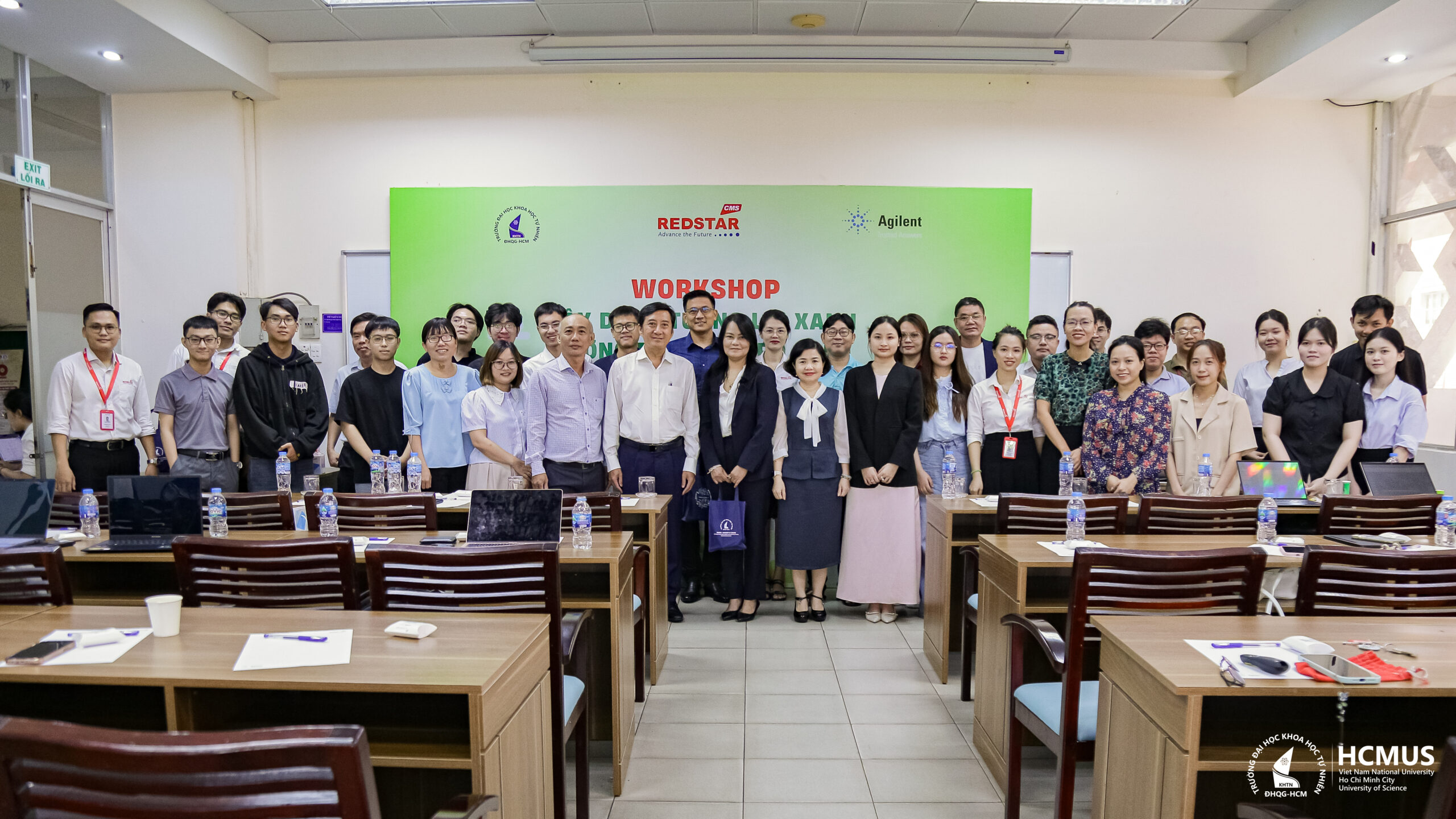
Gathering participants at the workshop “Building a Green Future – Towards NetZero 2025” at VNUHCM-University of Science.
On the morning of 2 July at VNUHCM-University of Science (HCMUS), the workshop “Building a Green Future – Towards NetZero 2025: Challenges and Solutions in Greenhouse Gas Analysis” convened a broad gathering of experts, scientists, lecturers, students, and business representatives involved in environmental and technological fields.
Jointly organised by HCMUS, REDSTAR-CMS (Red Star Viet Nam Company Limited), and Agilent Technologies, Inc., the workshop sought to foster academic exchange, introduce cutting-edge technological solutions, and strengthen collaboration across research, education, and application sectors. The programme responded directly to Viet Nam’s efforts in advancing the national commitment to achieving NetZero emissions by 2050.
Opening the event, Associate Professor Trần Lê Quan – President of HCMUS – affirmed: “The workshop’s theme is not only timely but also reflects a long-term vision for sustainable development, both nationally and globally. This is a valuable opportunity for the scientific community, educators, students, and enterprises to share knowledge and jointly address pressing environmental issues.”
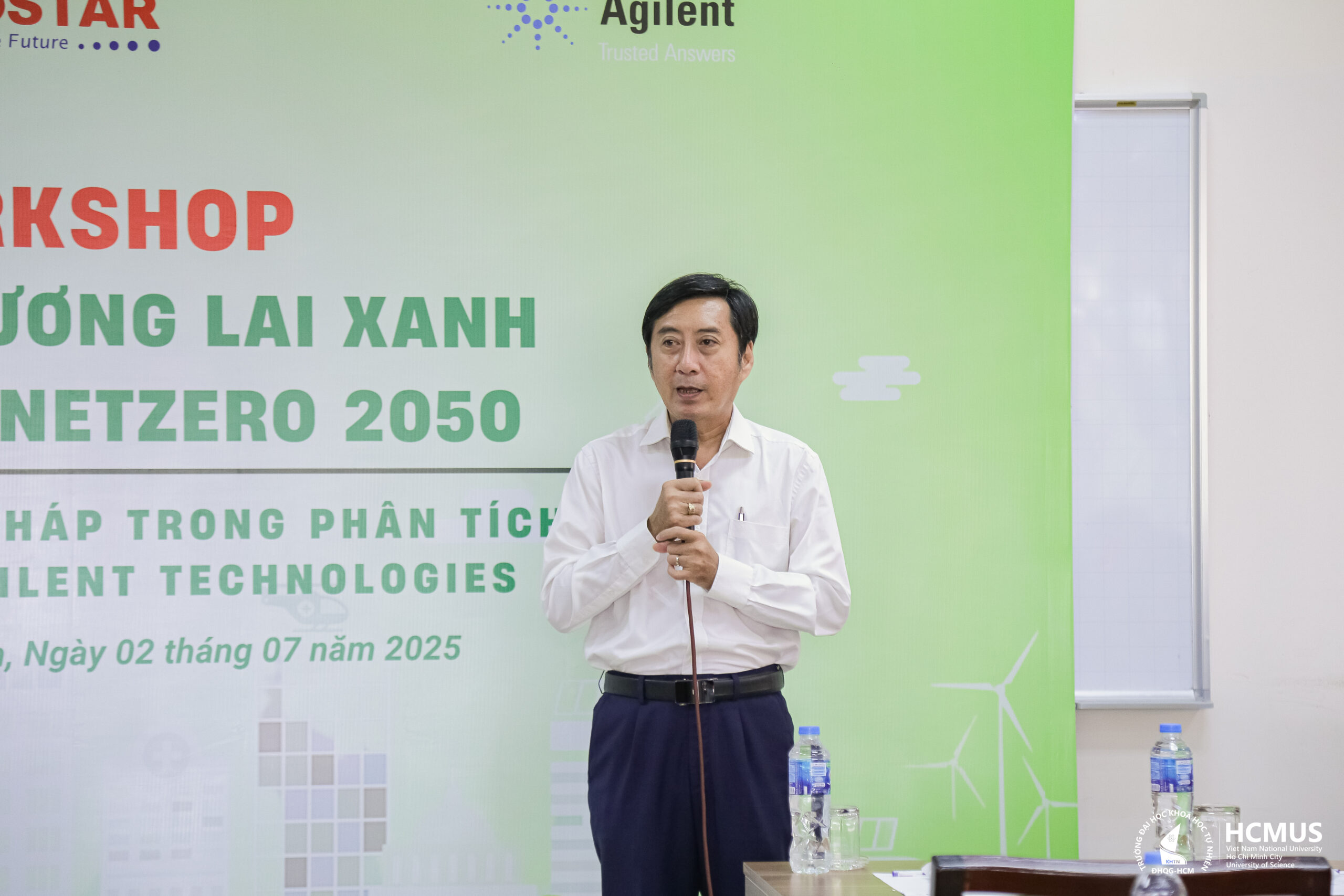
The workshop is expected to pave the way for deeper cooperation between academia and industry, spanning applied research, technology transfer, and the training of high-quality personnel to serve the green transition.
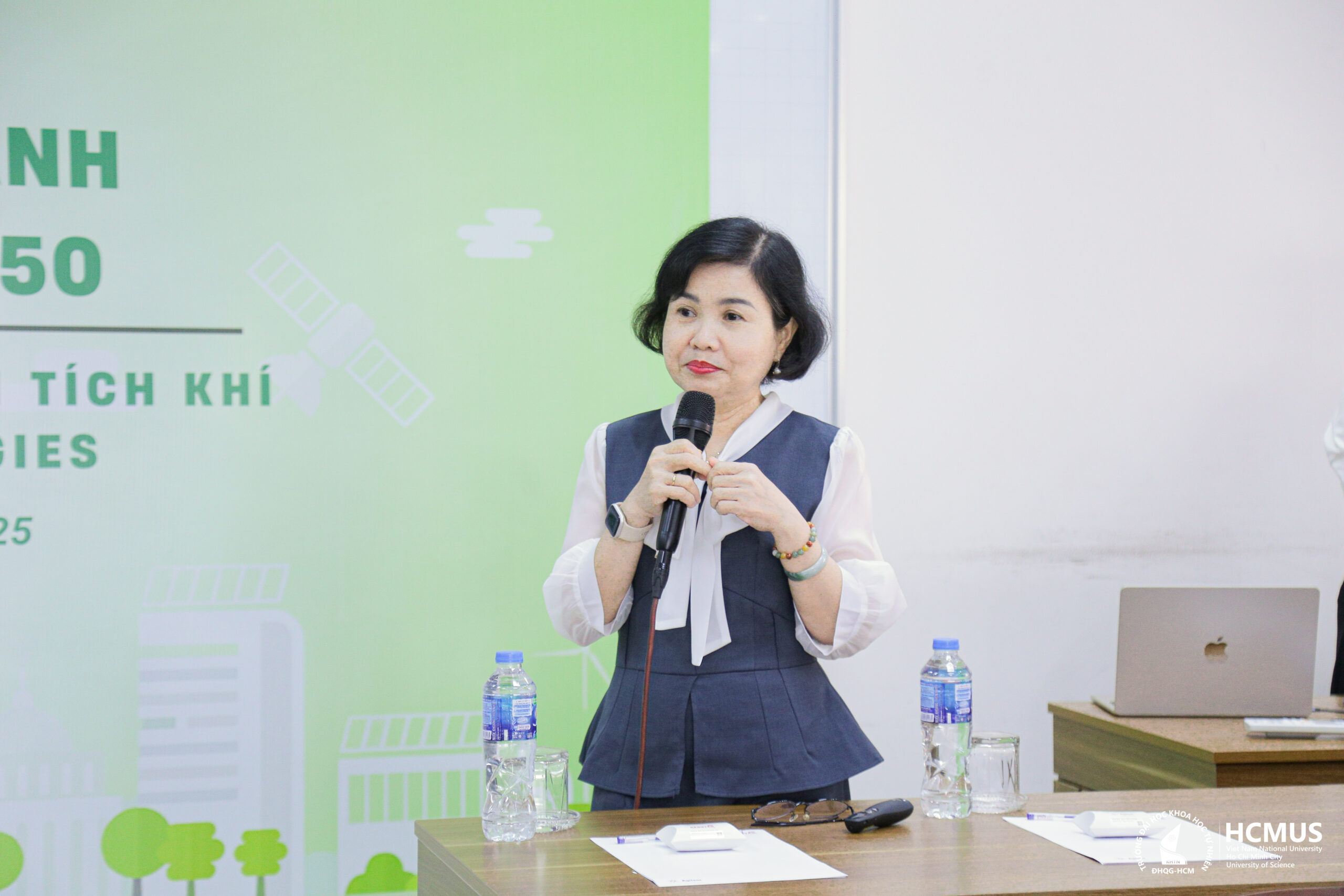
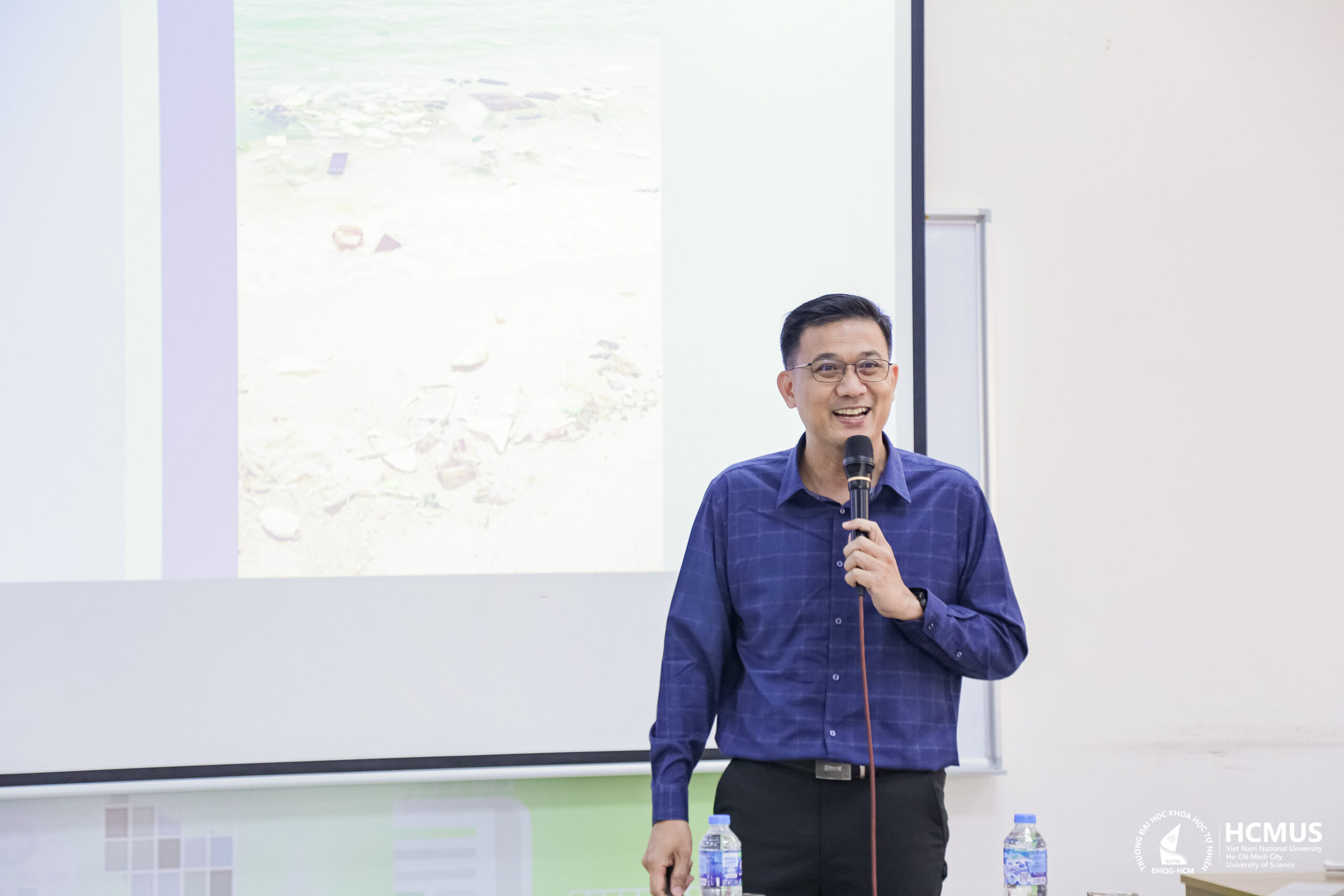
Beginning the specialised presentations, Associate Professor Tô Thị Hiền – Head of the Environmental Technology Department, Faculty of Environment (HCMUS) – outlined the current situation and challenges in conducting greenhouse gas inventories in Viet Nam. According to her assessment, major sources of emissions stem from the energy, transport, and waste sectors. However, technical limitations, high costs, and regulatory gaps continue to hinder effective measurement and monitoring. The AIWAH research group (Air and Water Pollution – Public Health – Climate Change), led by Assoc. Prof. Tô Thị Hiền, is currently developing new approaches to enhance analytical capacity, supporting both policy design and the implementation of national NetZero objectives.
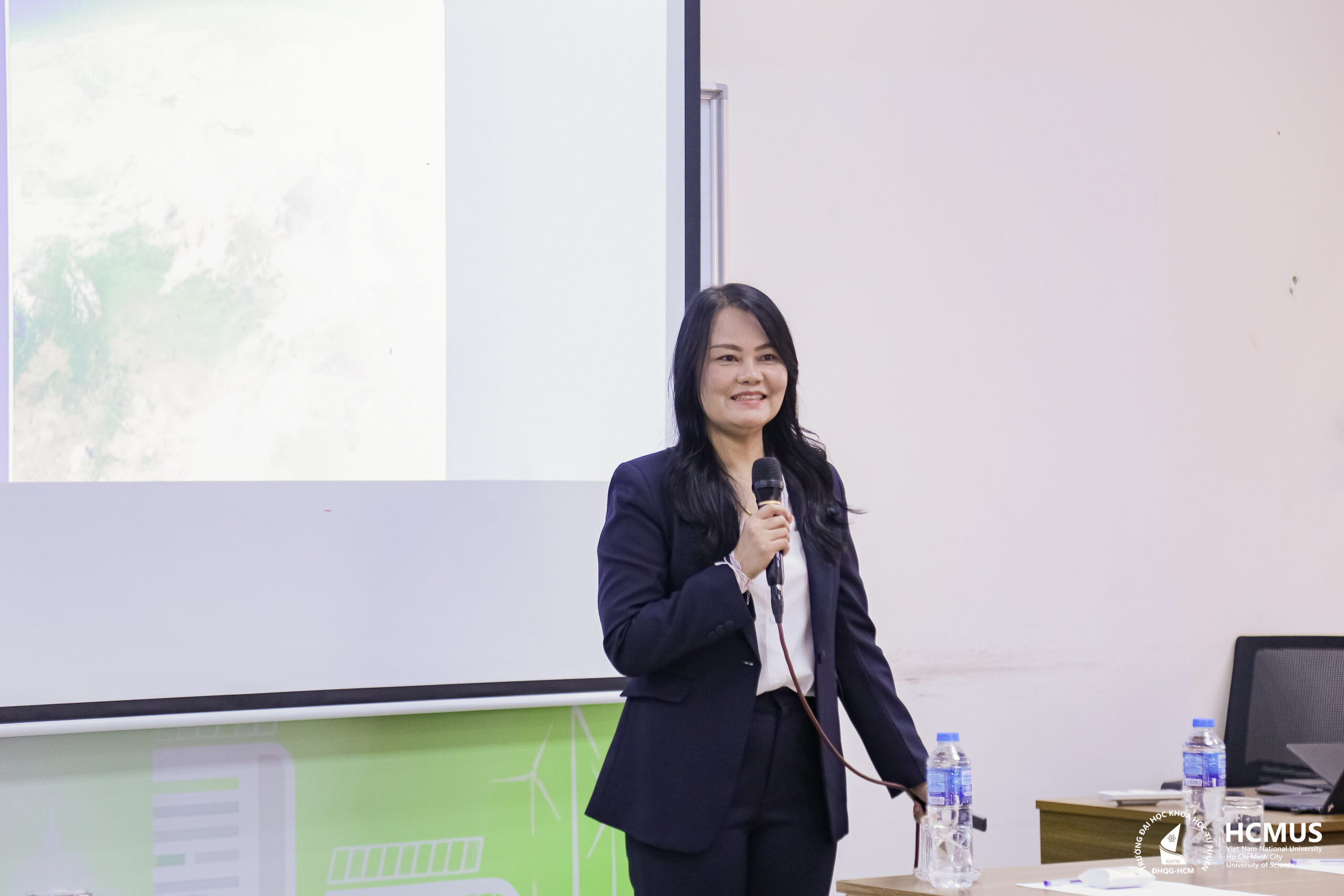
A representative from Agilent Technologies also introduced the latest technological solutions. Ms. Thanutchaporn Semathong – GCMS Product Specialist from Agilent Technologies Thailand – presented modern gas chromatography systems (GC and GC-MS), capable of simultaneously analysing greenhouse gases such as CO₂, CH₄, NOₓ, and volatile organic compounds (VOCs). With features including automated operation, high sensitivity, and adaptability, these systems provide effective support across teaching, research, and field monitoring.
Dr Narong Lenghor – Partner Channel Manager at Agilent Technologies Thailand – presented the Agilent 8700 LDIR chemical imaging system, which utilises laser-based infrared scattering technology. As one of the most advanced solutions for environmental microplastic analysis, this system enables precise identification and quantification of microplastics in air, soil, and water—contributing significantly to urban and industrial ecosystem management.
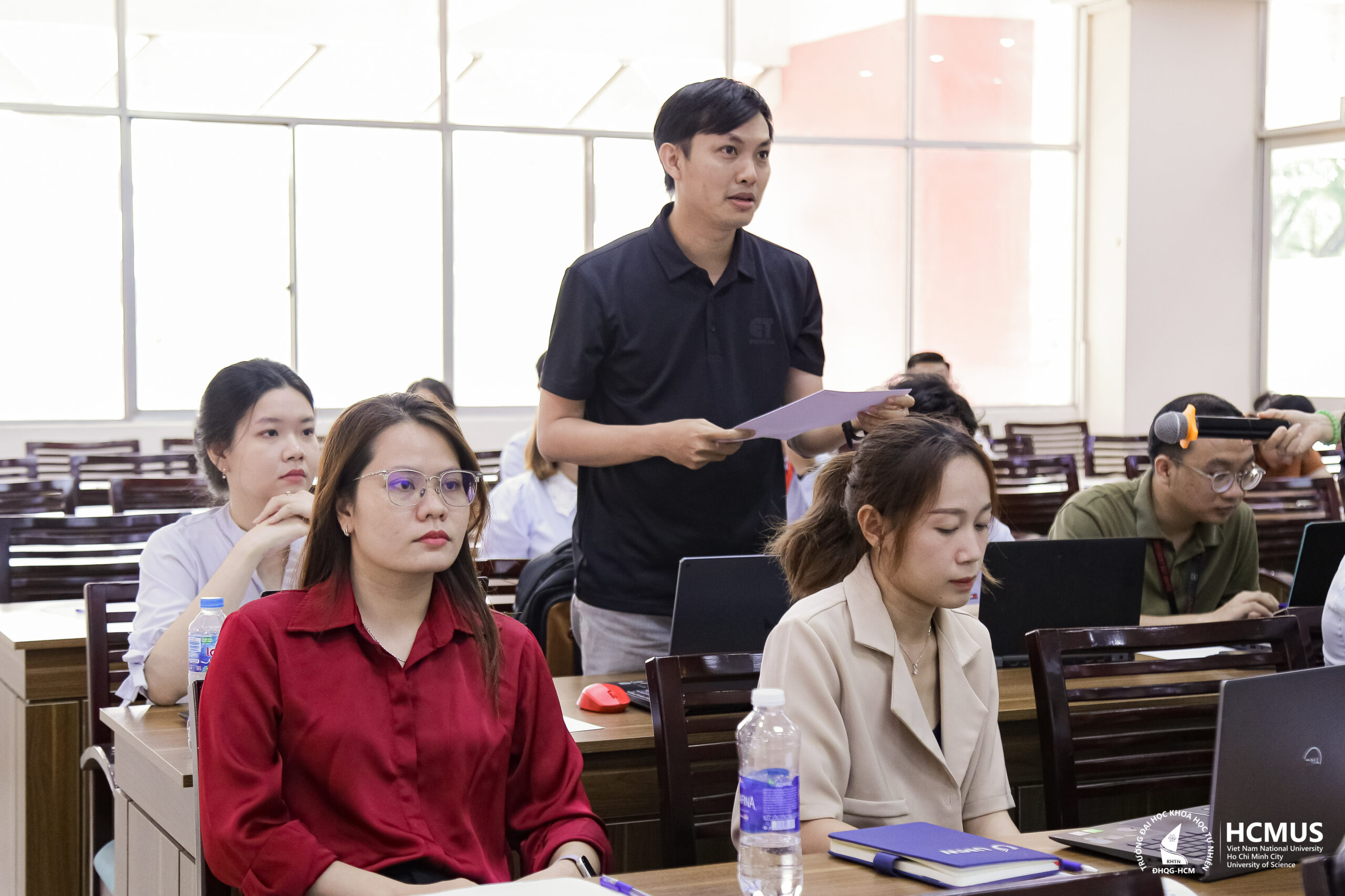
The open discussion session addressed numerous practical concerns, including equipment calibration, multi-compound analysis, emissions forecasting models, and uncertainty evaluation in data interpretation. Representatives from domestic enterprises and research institutions also discussed field deployment needs—such as sample collection at livestock farms and industrial zones—and shared experiences in small- and medium-scale greenhouse gas monitoring. Additionally, issues related to environmental product valuation and emission inventories under Government Resolution 119/2025 were integrated into the discussion, helping to align scientific research with regulatory direction and market demand.
Beyond academic exchange, the workshop served as a practical bridge connecting universities, industry, and the scientific community. The event reinforced the pioneering role of VNUHCM-University of Science in building an innovation ecosystem for sustainable development.


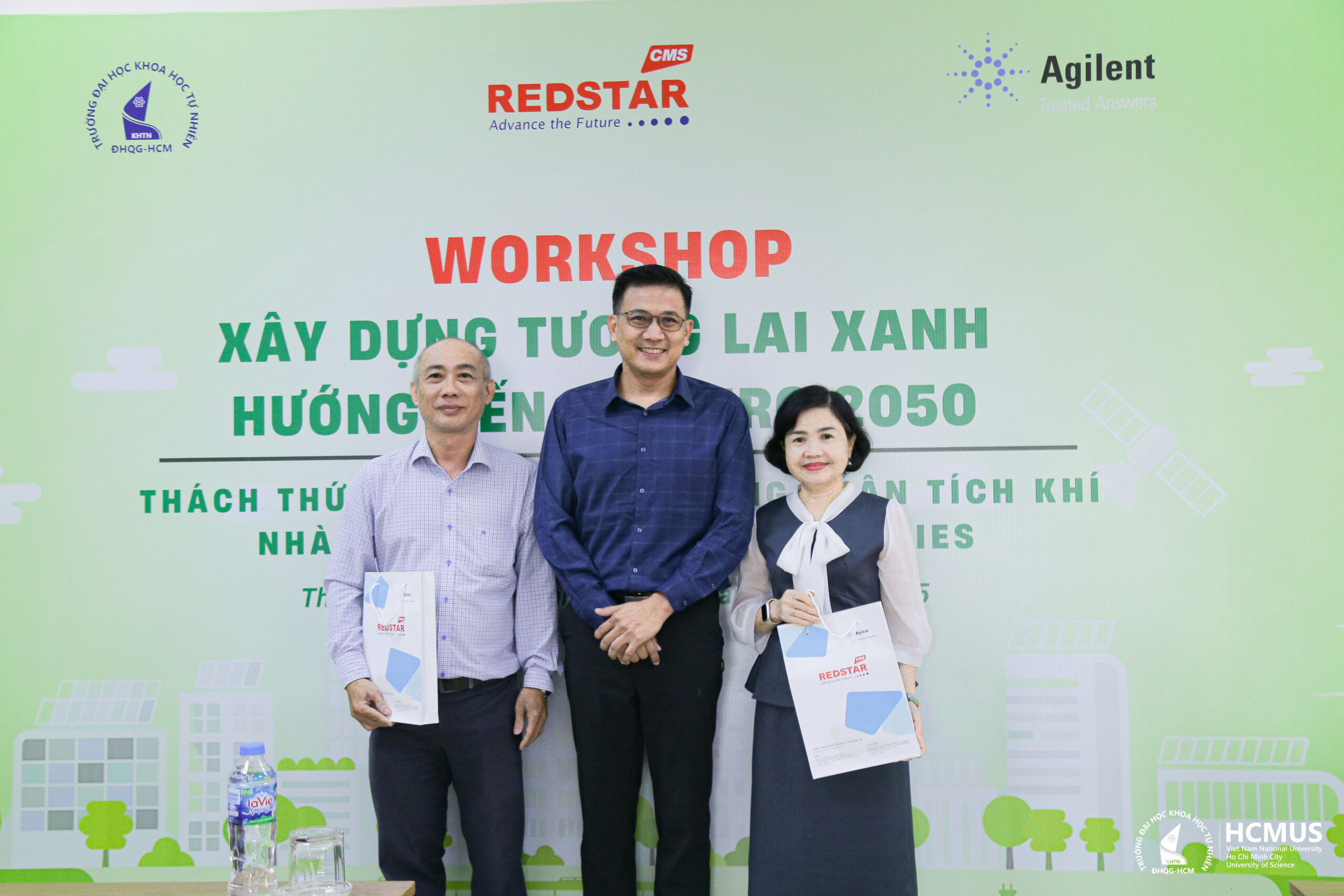
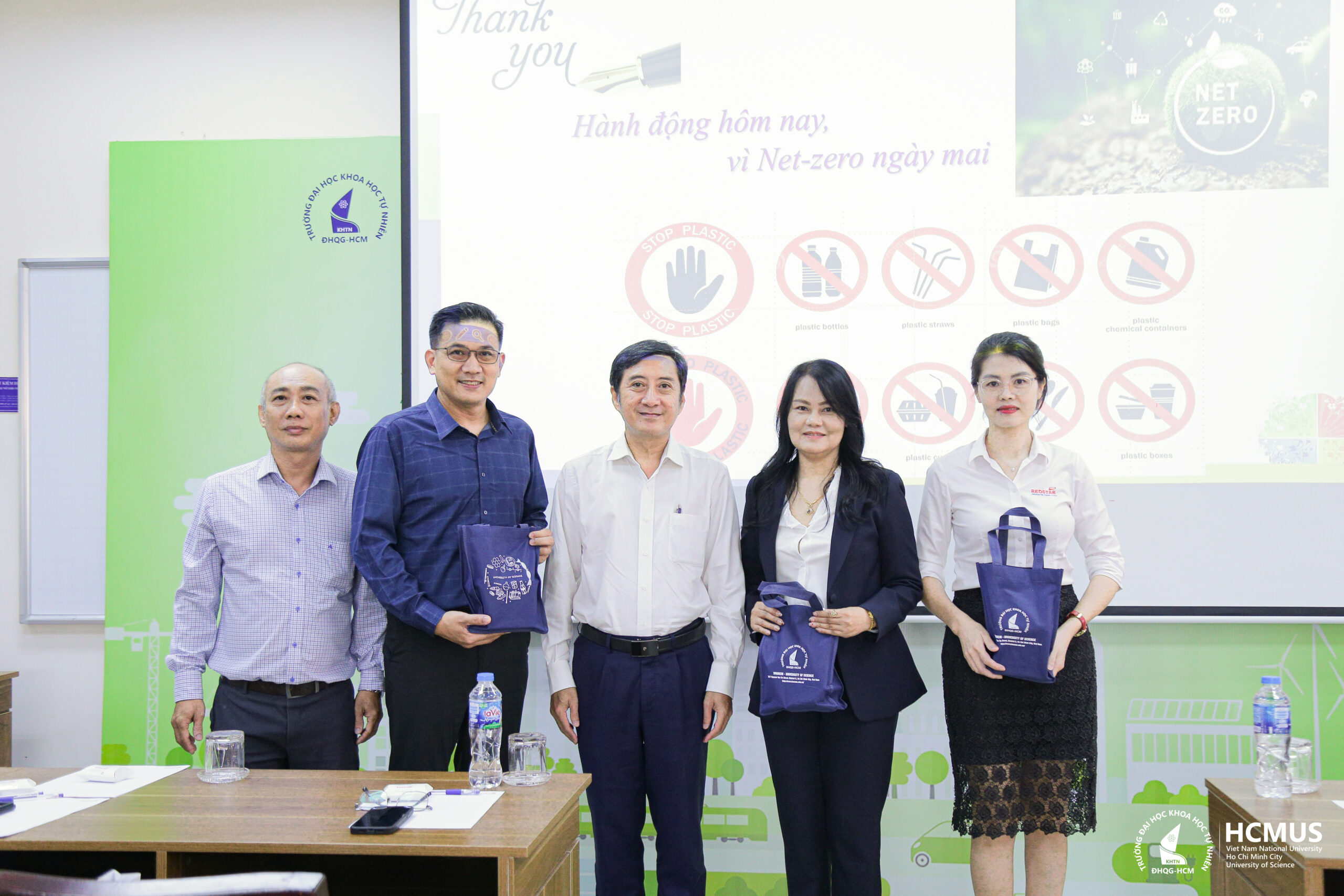

Exchanging commemorative gifts among representatives during the event.
Through technical sessions, open discussions, and practical-academic engagement, the event delivered a powerful message of environmental responsibility, contributing to greater awareness and promoting scientific initiatives towards the NetZero goal—a global imperative requiring urgent collective action.
Science and technology must not remain passive—now is the time for joint action, not only to deepen understanding, but to accelerate solutions—towards a sustainable, low-emission future in harmony with the planet.
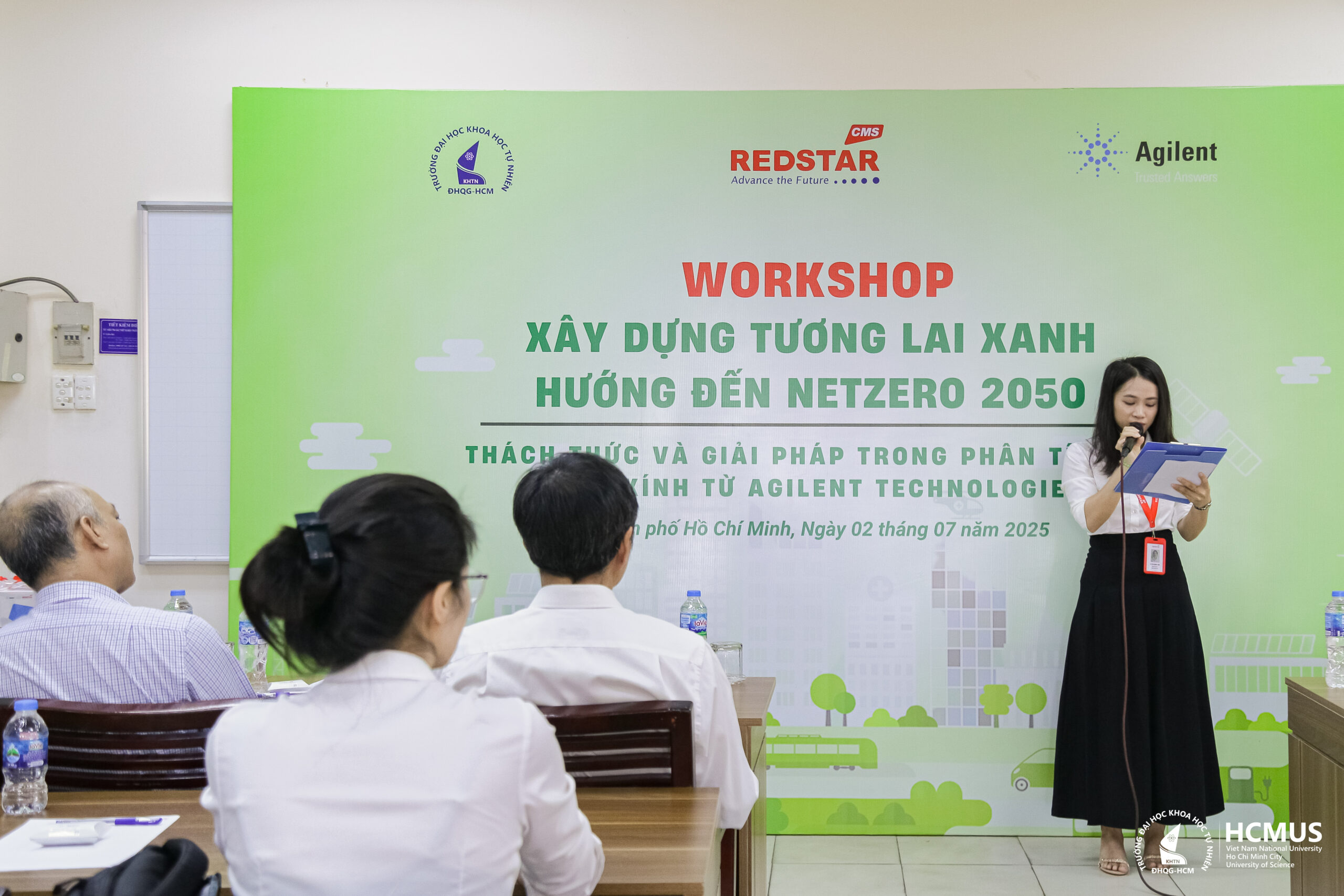
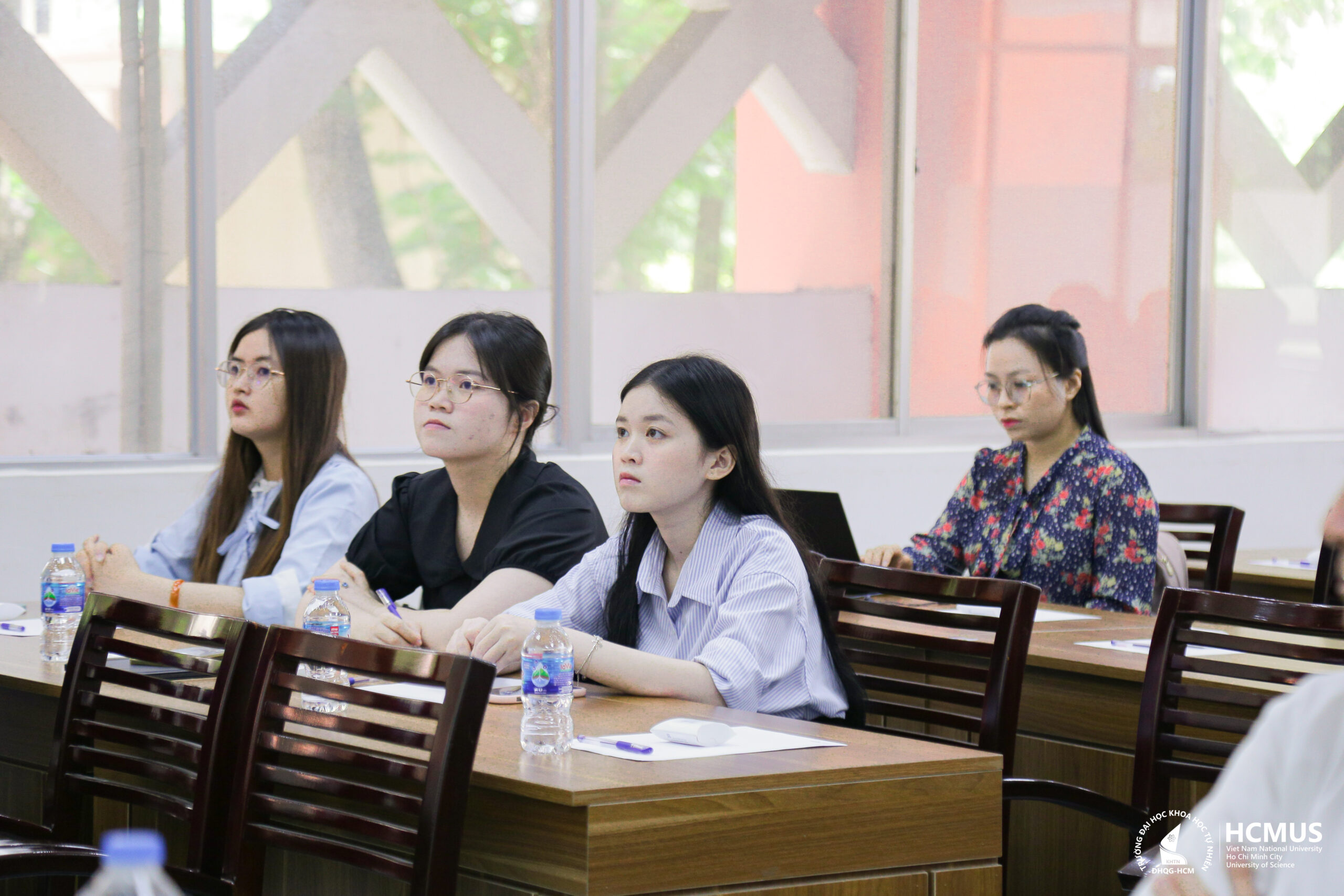

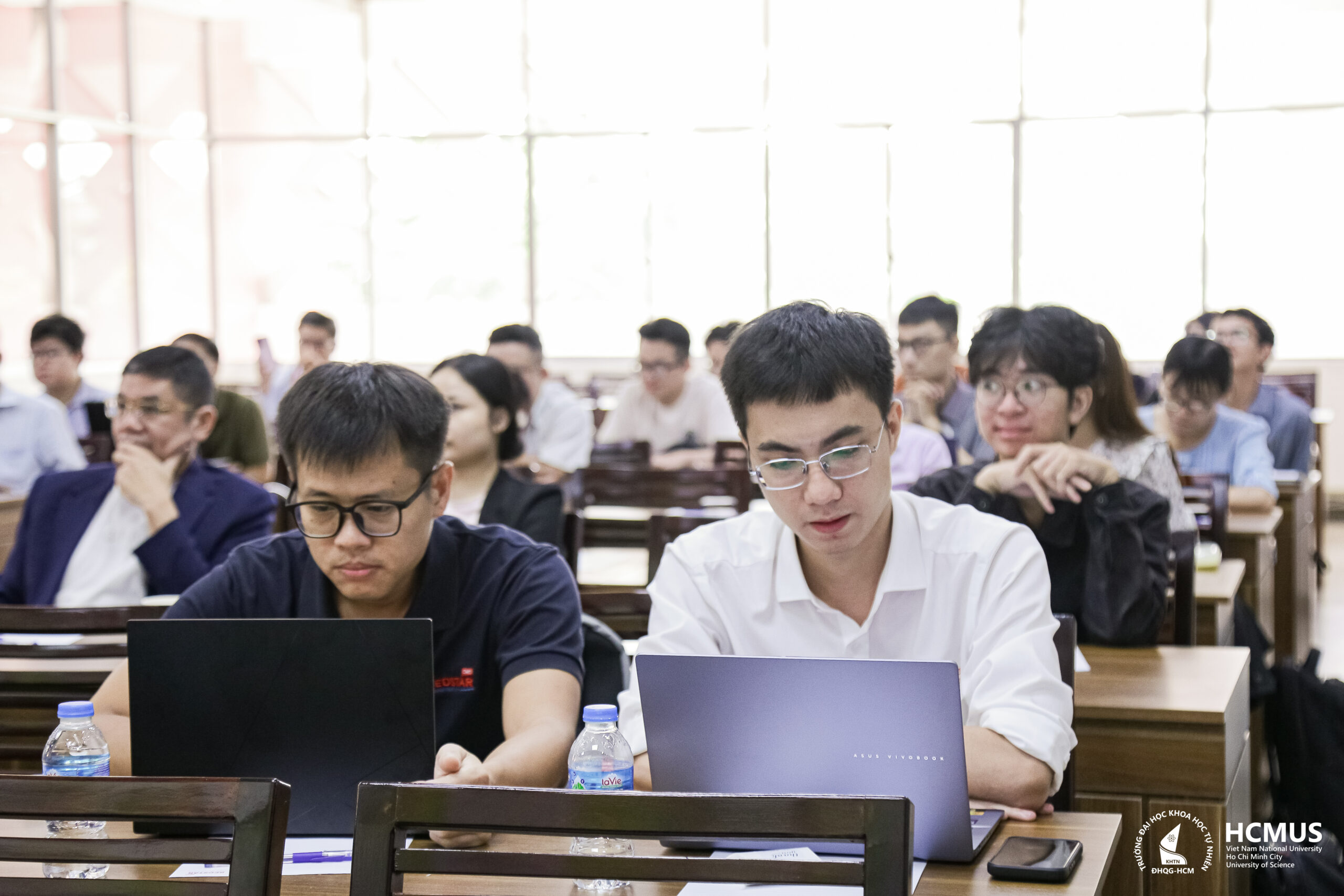
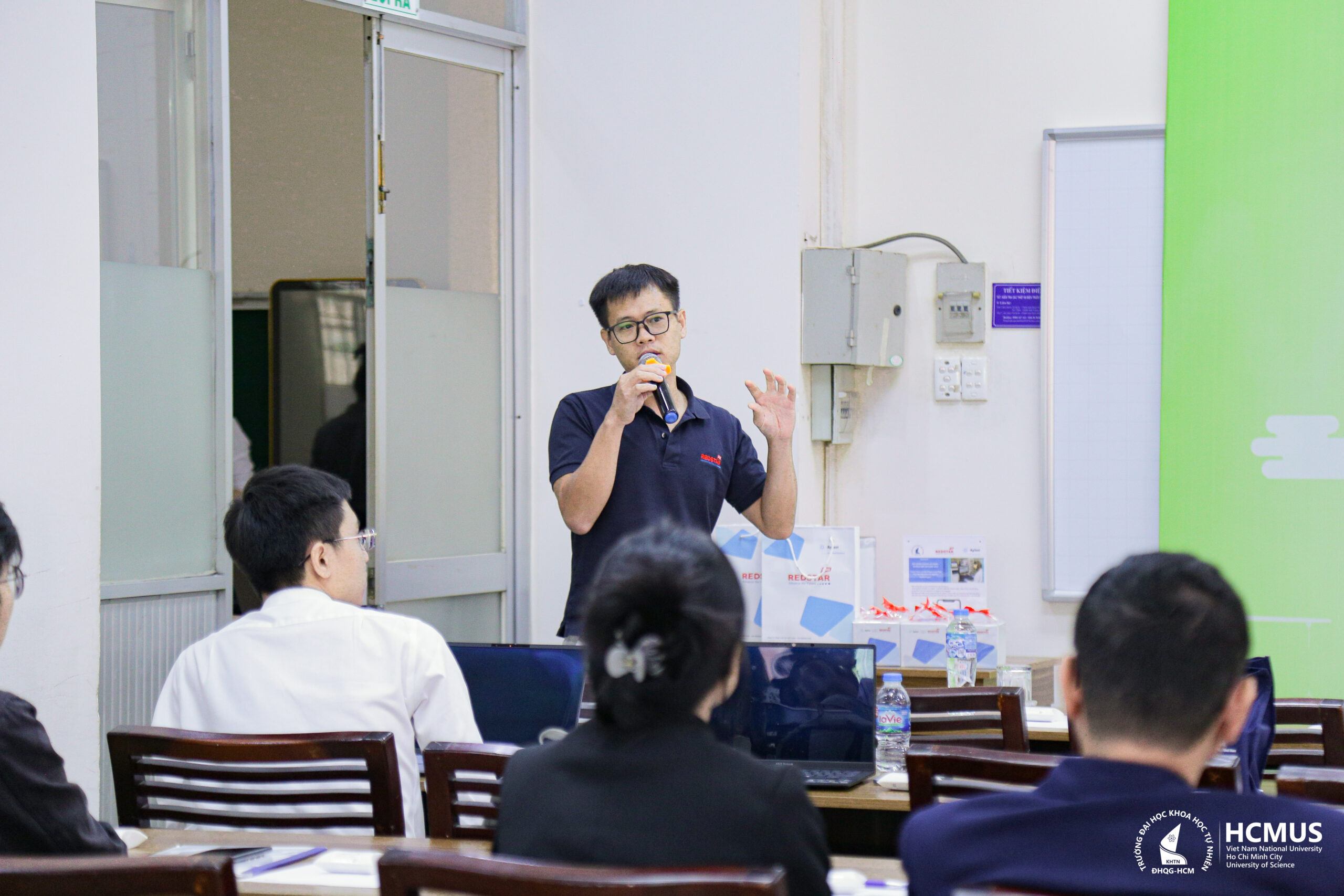

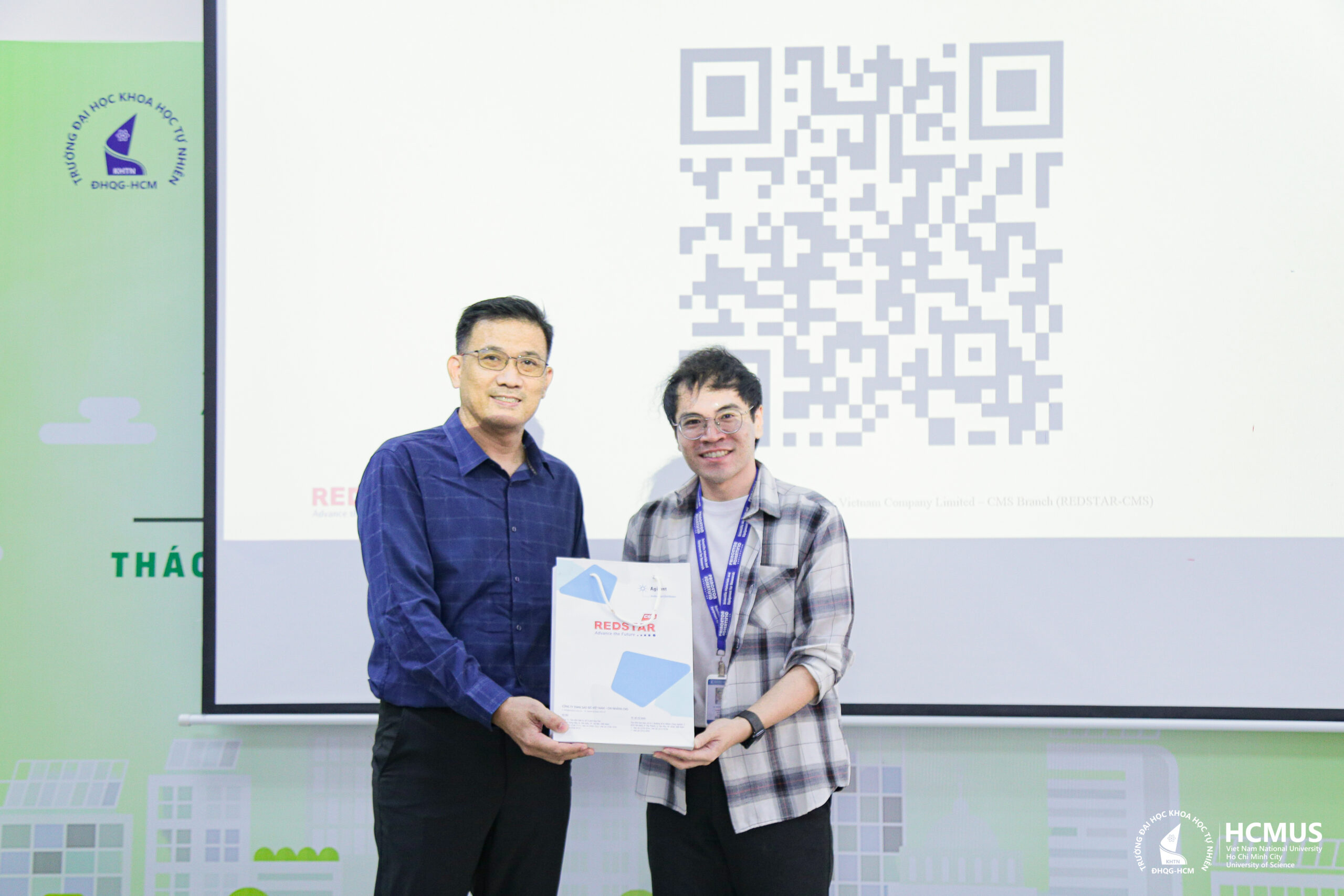
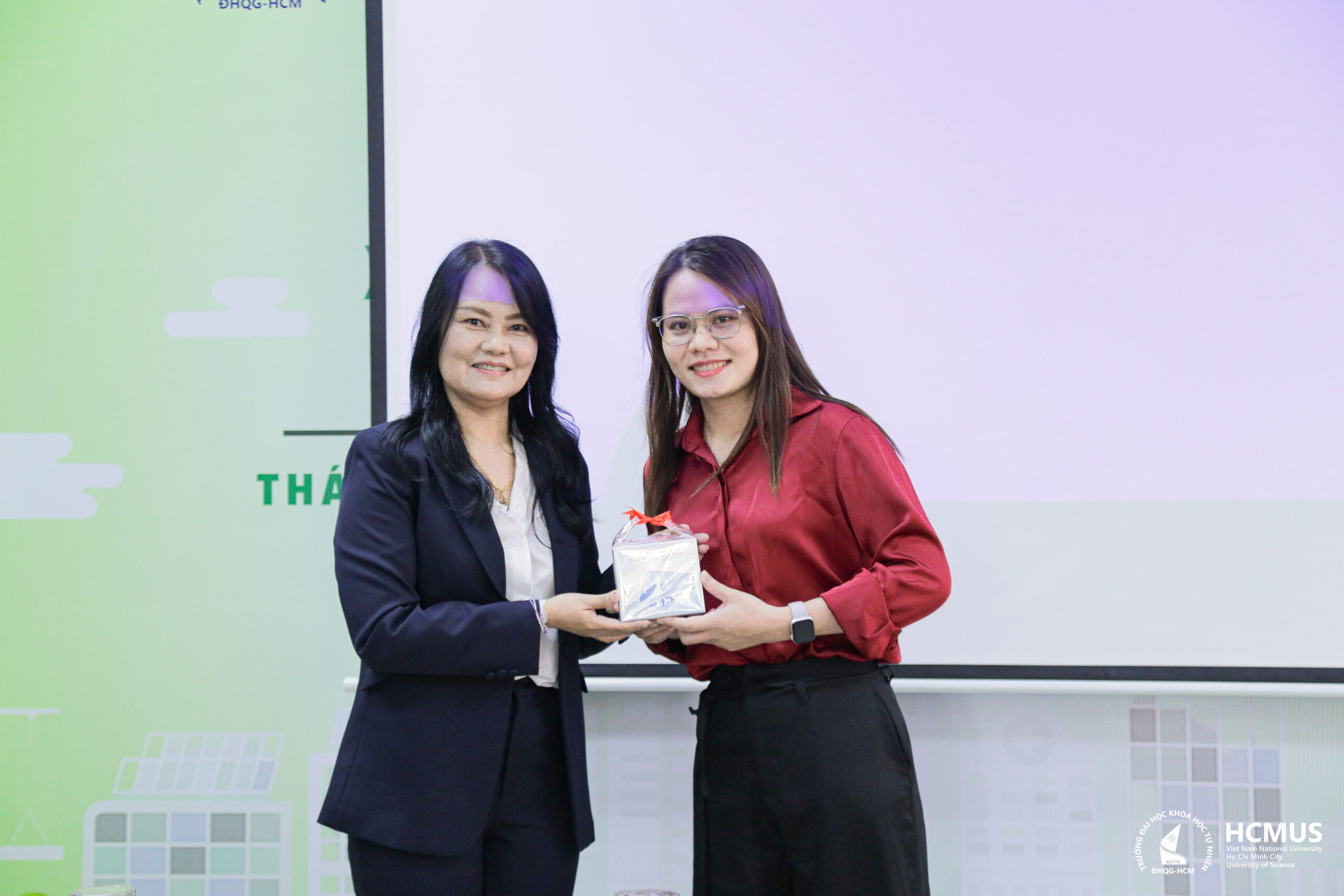

Hosting technical sessions, open dialogue, and prize draws, the workshop generating enthusiastic participation across all activities.
PMN
Leave a Reply