

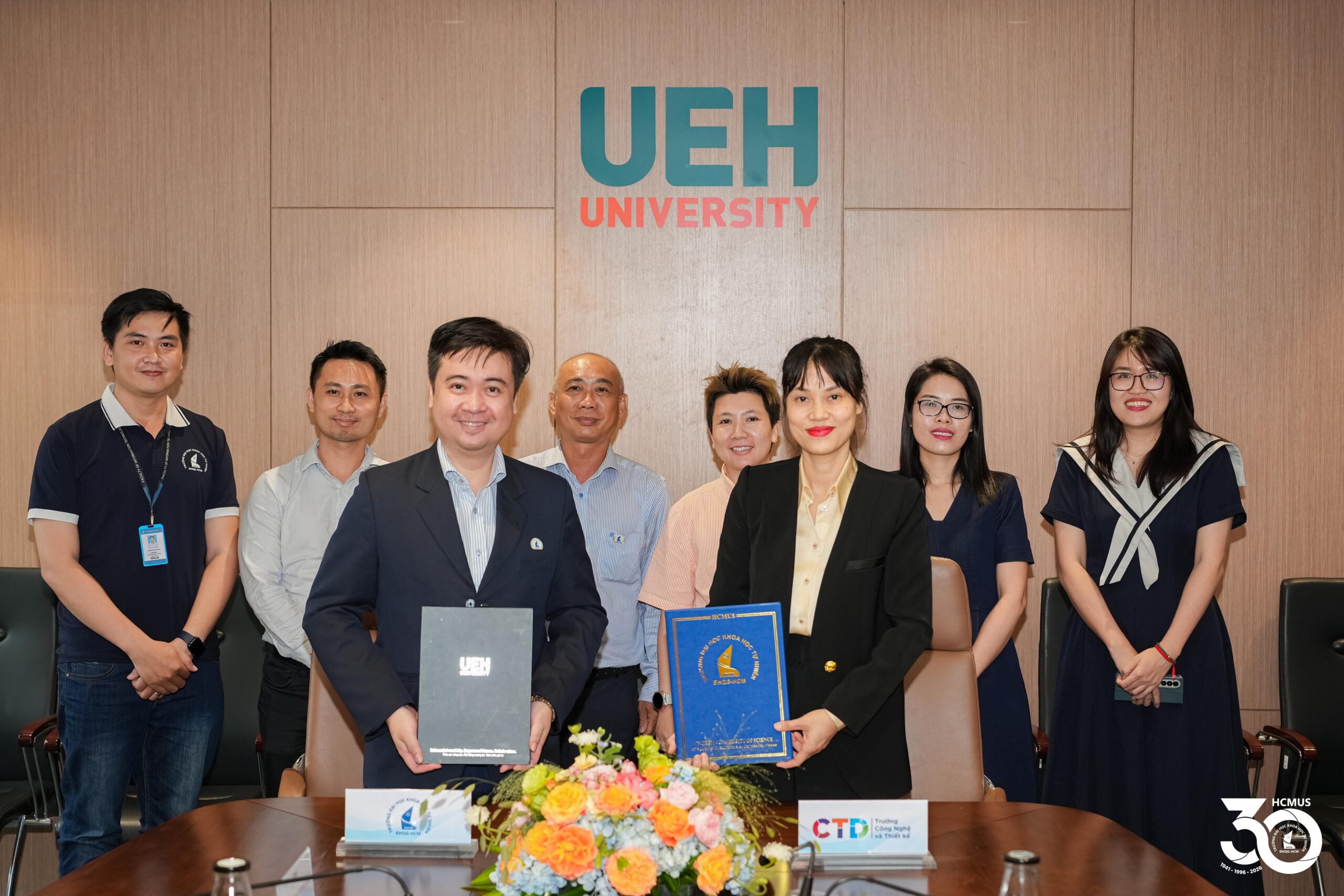
On 22 April, VNUHCM–University of Science (HCMUS) and the College of Technology and Design, University of Economics Ho Chi Minh City (CTD) signed a Memorandum of Understanding to leverage interdisciplinary strengths and enhance the connection between education, research, and application. This collaboration aims to develop technological solutions tailored to practical real-world demands.
Representing HCMUS at the signing ceremony was Associate Professor Trần Minh Triết, Vice President, alongside leaders of various academic departments. Representing CTD was Associate Professor Trịnh Thùy Anh, Vice Rector, accompanied by representatives from functional departments and affiliated research institutes.
Under the terms of the agreement, the two institutions have committed to comprehensive cooperation across three core pillars, prioritising an interdisciplinary approach grounded in practical application. Firstly, regarding educational activities, both parties will collaborate to develop specialised curricula and courses in artificial intelligence, human-computer interaction, multimedia platforms, and software development. The teaching model will involve faculty members from both sides, blending the technological foundations of HCMUS with the design and user-experience expertise of CTD UEH. In game development projects, CTD shall oversee design and graphics, while HCMUS takes responsibility for programming and system development.
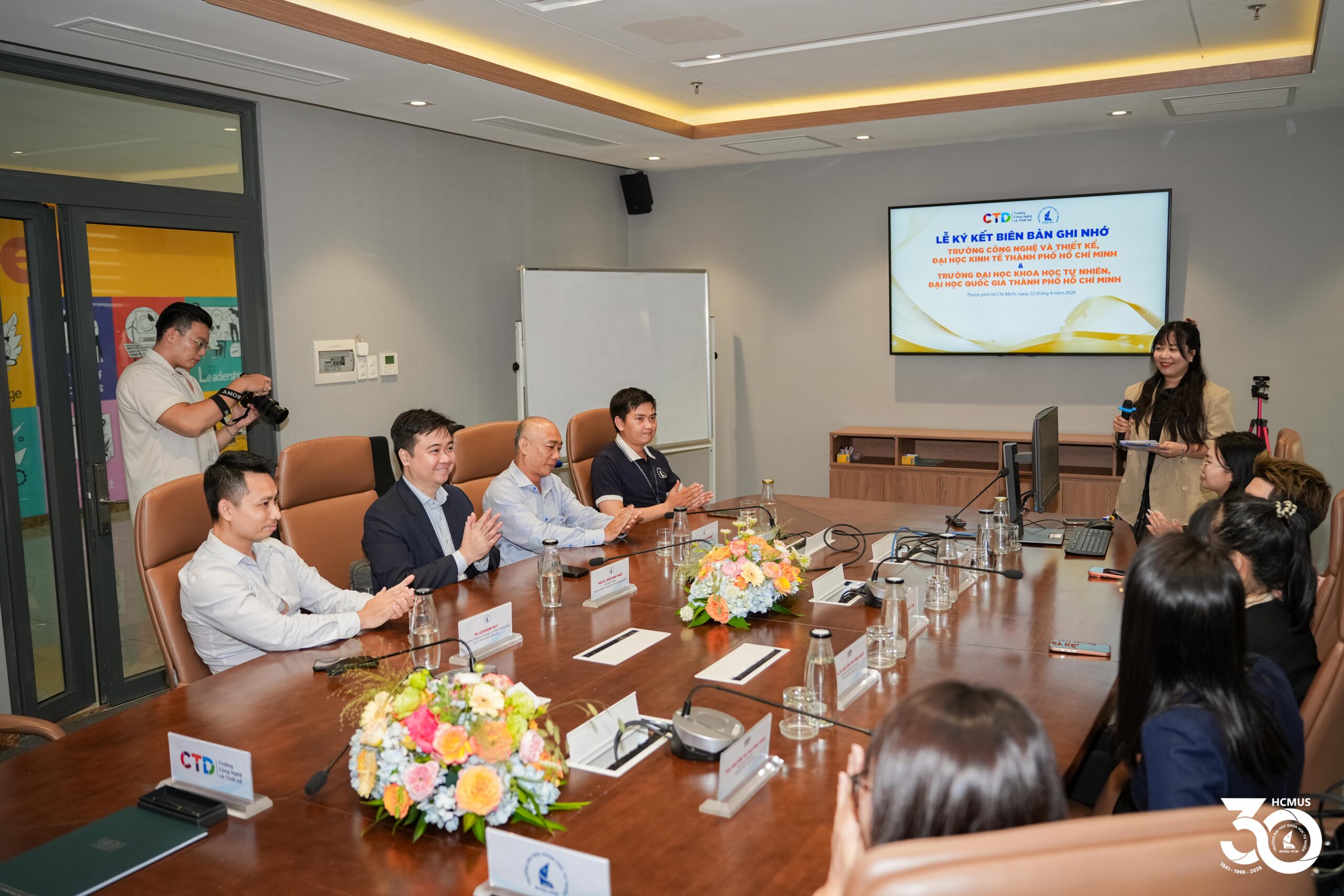
Joint academic initiatives, including bootcamps, hackathons, and incubation programmes, will be organised to enrich the practical experience of students. Such opportunities allow learners to engage in projects addressing real-world needs throughout their studies.
In the field of technological development, the two universities are establishing a collaborative model linked with industry partners. CTD will serve as the bridge to identify challenges from production and business sectors, while HCMUS will lead the research and development of Proof of Concepts (PoC) and Minimum Viable Products (MVP). The implementation of thematic workshops, consultancy, and technology transfer aims to translate research findings into practical applications, thereby enhancing innovation efficiency.
Concurrently, interdisciplinary research groups are being formed to focus on priority areas such as artificial intelligence and human-computer interaction. Research outputs are intended for joint publication in domestic and international scientific journals and proceedings, strengthening the research capacity and academic integration of both institutions.
Speaking at the ceremony, Associate Professor Trần Minh Triết, Vice-President of HCMUS, expressed great pleasure in the formal establishment of this partnership and affirmed his strong support for the proposed strategic directions. He noted that this relationship extends beyond academic activities to create tangible value and meaningful contributions to society. Consequently, the two parties will coordinate student activities such as academic forums, competitions, and exchanges, while promoting start-up projects and innovation for both students and staff. Furthermore, the coordination of scientific research projects at municipal and national levels, the enhancement of technology transfer to enterprises, and the development of shared laboratory systems are identified as central priorities to ensure that products of high applied value are swiftly implemented in practice.
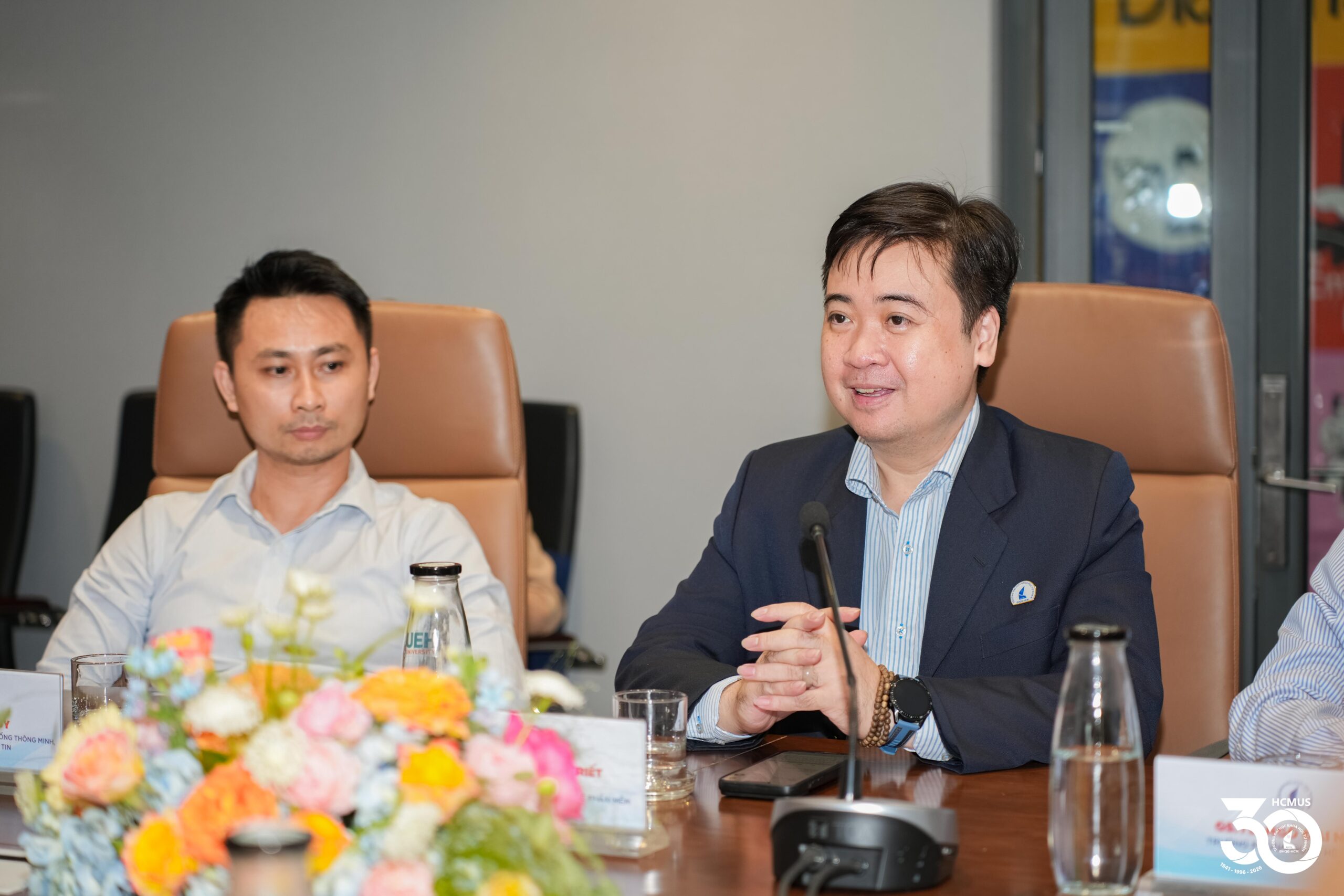
Sharing this perspective, Associate Professor Trịnh Thùy Anh, Rector of CTD, emphasised the complementary nature and compatibility of the two institutions within a multi-disciplinary educational framework. This synergy provides a robust foundation for implementing deep-rooted collaborative activities that meet practical requirements.
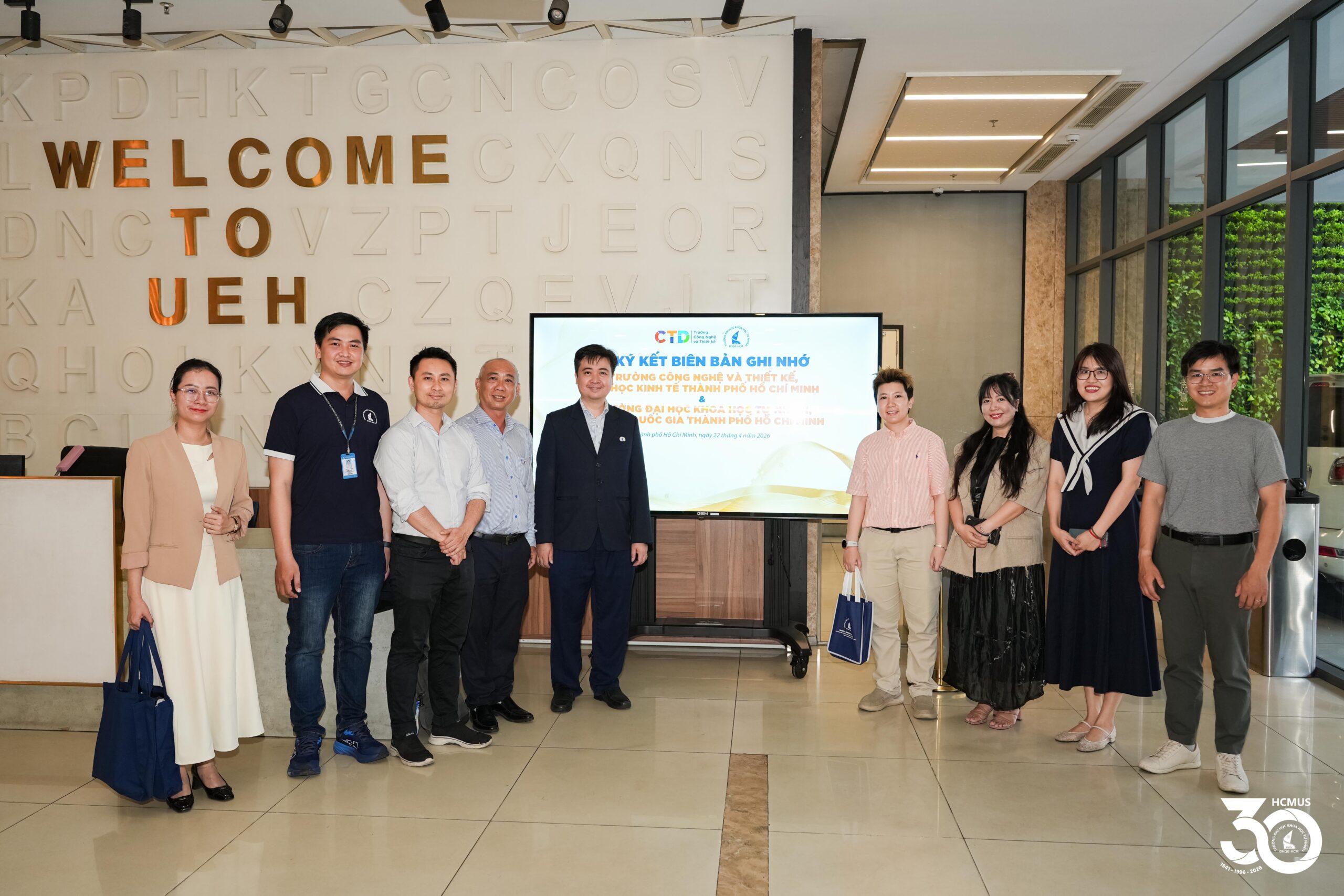
Following the ceremony, the delegation from VNUHCM–University of Science toured the facilities and academic-creative spaces at the University of Economics Ho Chi Minh City to exchange experience in developing advanced learning environments and innovation ecosystems.
Against the backdrop of rapid digital transformation, the demand for an interdisciplinary workforce capable of adapting to and solving practical problems has become increasingly urgent. The partnership between HCMUS and CTD is expected to foster an educational environment rooted in practice, enhancing the research capabilities and global integration of learners while contributing to the development of high-quality human resources for the digital technology sectors in this new era.
Leave a Reply